50mm Normal
A lens that renders roughly the way an eye judges distance.
Opens a video model with the prompt in it. The price is on the page before you sign in.
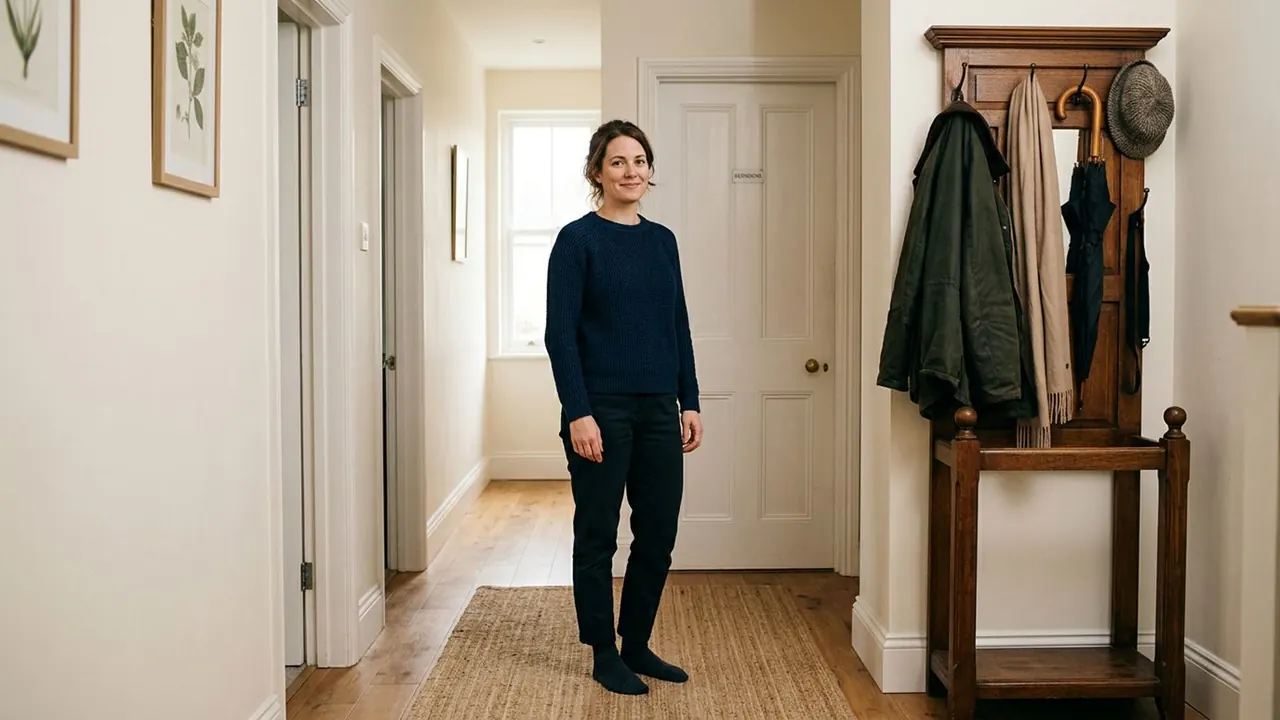
What it is for
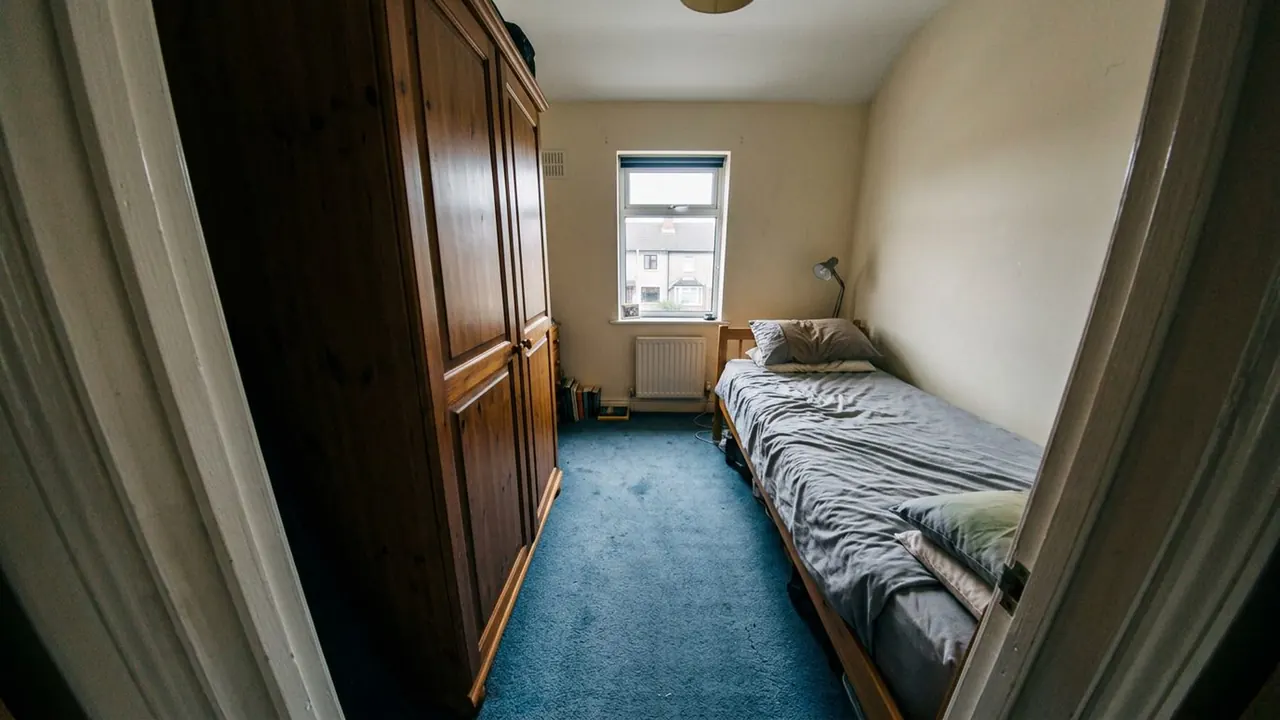
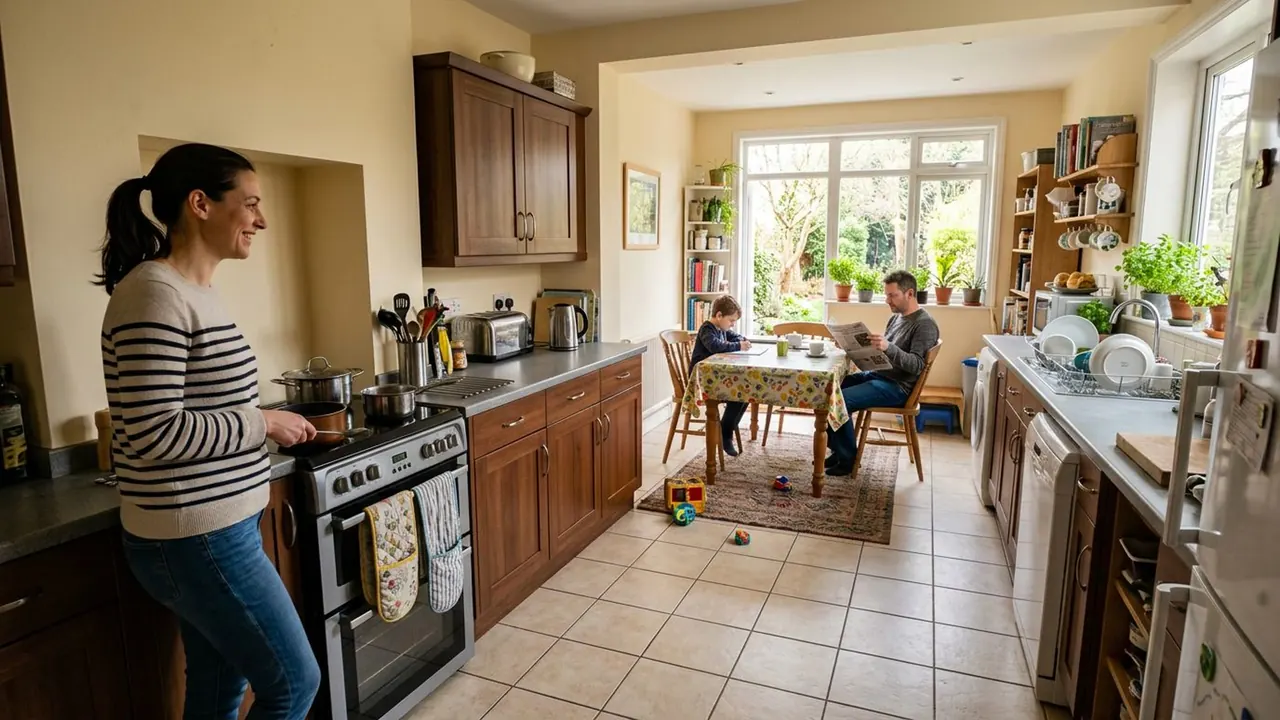
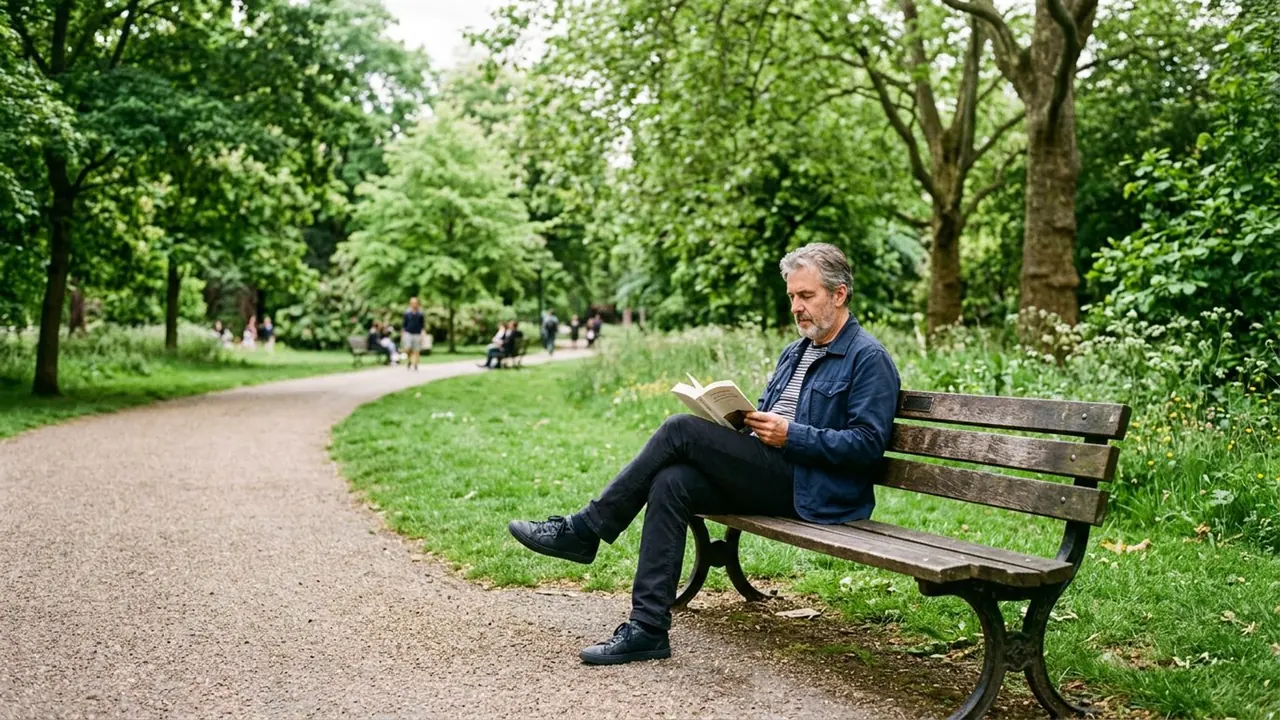
A 50mm renders distance about the way an eye judges it. Nothing stretches, nothing stacks, and the space in the picture matches the space a person would report standing there.
That makes it the reference point for every other length. Wide and long are both described against this one, so naming it is a way of saying the lens should make no argument.
How it works
On a full frame sensor the diagonal measures about 43mm, which is the true normal. Convention settled on 50mm, and the difference is small enough that the two look alike. On Super 35 the equivalent normal sits nearer 32mm.
Depth of field at a given aperture falls between what a wide and a long lens give. At f/2 a subject separates from the background without the room disappearing.
Distance does the work that focal length does elsewhere. A 50mm at three metres is a medium shot with a present background. The same lens at one metre is a close-up with a soft one, and neither reading is a property of the glass.
When to use it
Use it when the lens should disappear and the performance should carry the shot. It suits period work, restrained drama and any film with a fixed visual grammar.
Pick something else when you want the perspective to say something. A 50mm will not stretch a room or stack a street, so it has nothing to add to a shot built on either.
Told apart from its neighbours
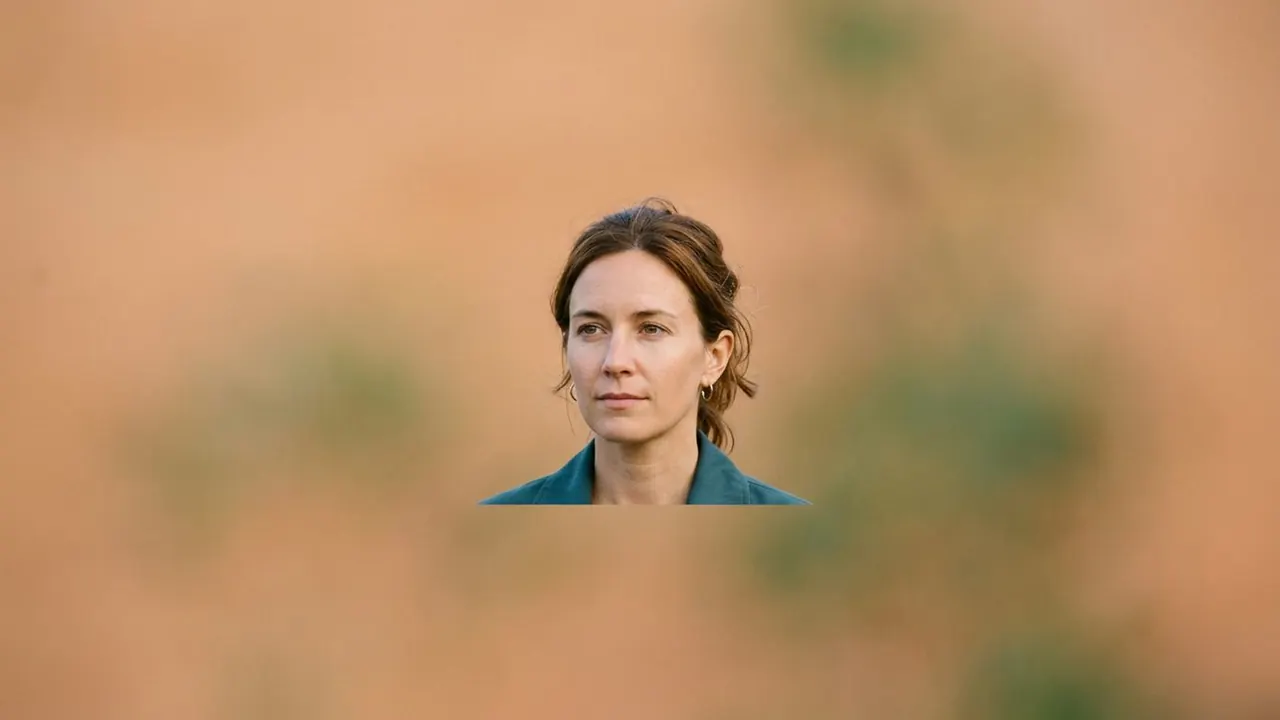
An 85mm is a short telephoto. It compresses a face into flattering proportions and drops the background well out of focus. A 50mm keeps the face honest and leaves more of the room readable.
Shoot the same head size on both. The 85mm shot has a background that is closer, softer and flatter. The 50mm shot shows where the person is standing.
On film
Yasujiro Ozu shot almost his entire body of work on a 50mm lens, Tokyo Story (1953) included, and refused to change length between setups. The result is a film where every room is measured the same way, so what changes between shots is the people and never the optics.
- Tokyo Story (1953)
The prompt
Replace the blanks, keep the rest. Then run it on a video model.
shot on a 50mm lens of <subject>, natural perspective, no stretch and no compression, neutral rendering
What goes wrong
The model adds character the length does not have, usually heavy bokeh or a soft vintage rendering. Say neutral rendering, no stretch and no compression.
The other failure is a crop that ignores the distance. If you want a close-up on a 50mm, say the camera is close, because the model will otherwise crop a wider frame and lose the perspective.
Leave out
wide distortion, long compression
Watch for
It is the neutral reference. Name it when you want the lens to disappear.
Questions
Shoot it
Pay for the one run. No subscription, and the price is on the model page before you sign in.
Next to it in by focal length