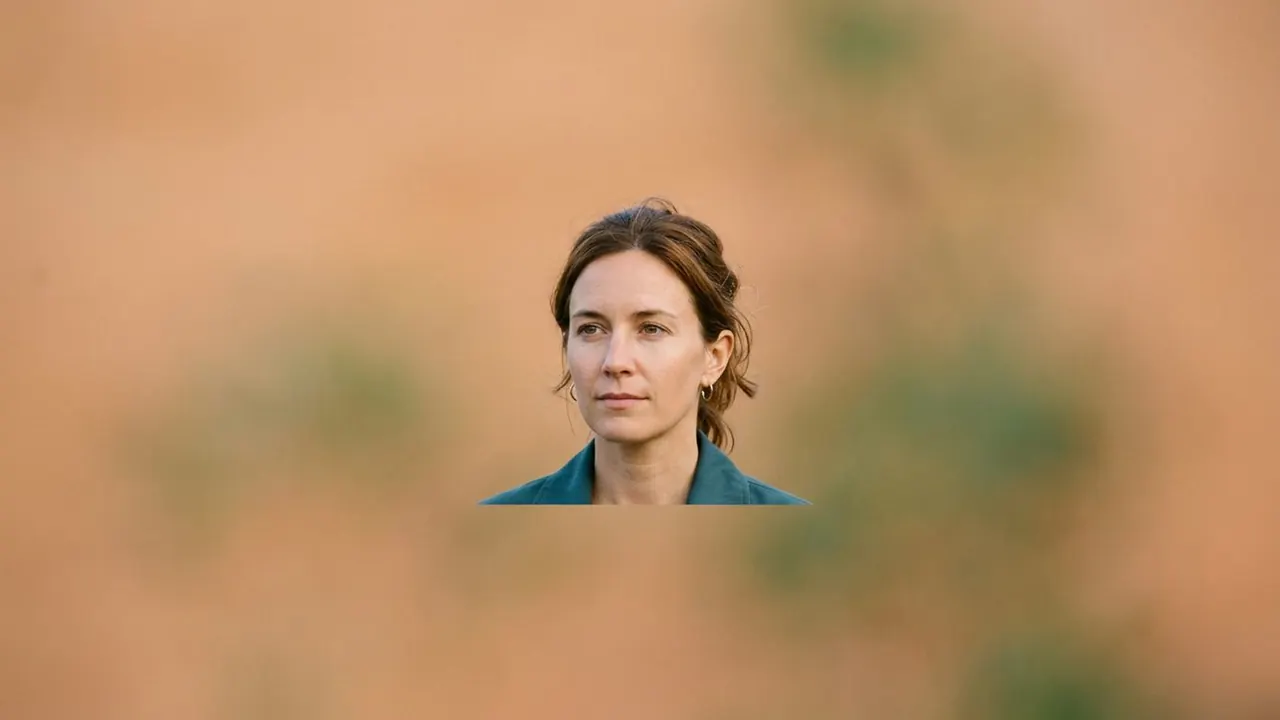
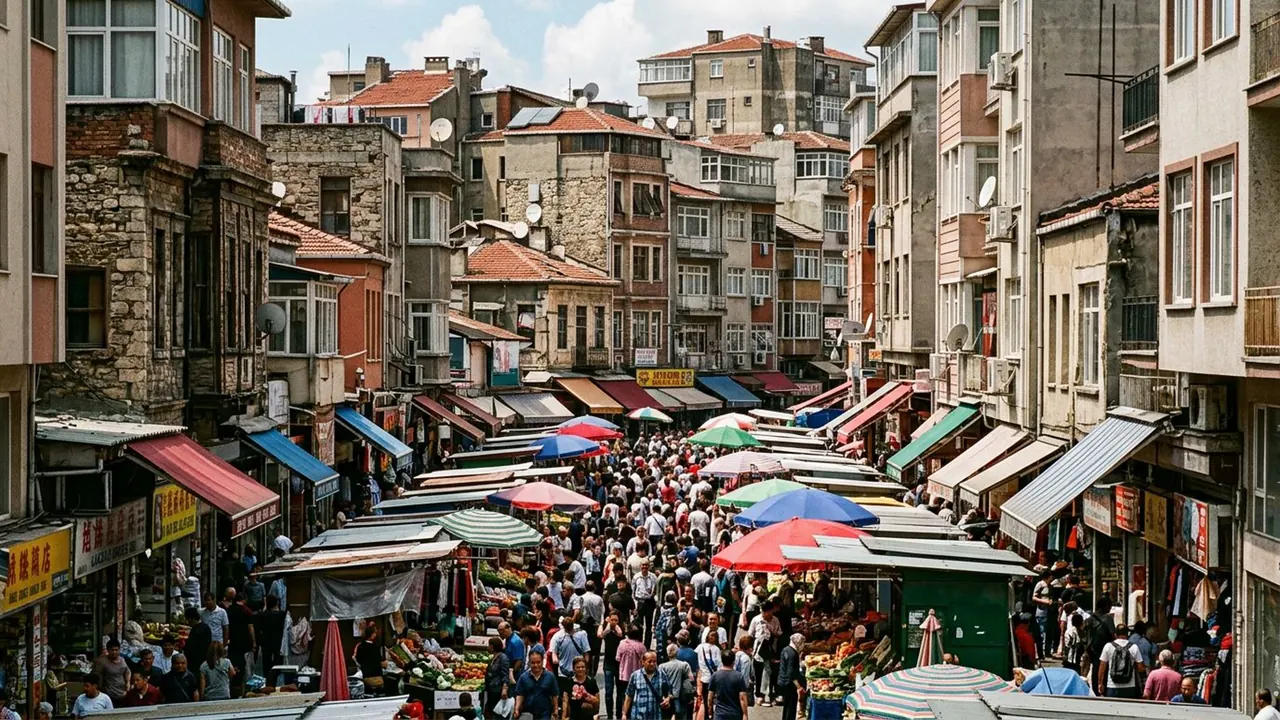
14mm Ultra-Wide
- Intimate wide lens
- Exaggerated near perspective
An extremely wide lens takes in almost everything and stretches the edges hard.
Opens a video model with the prompt in it. The price is on the page before you sign in.
What it is for
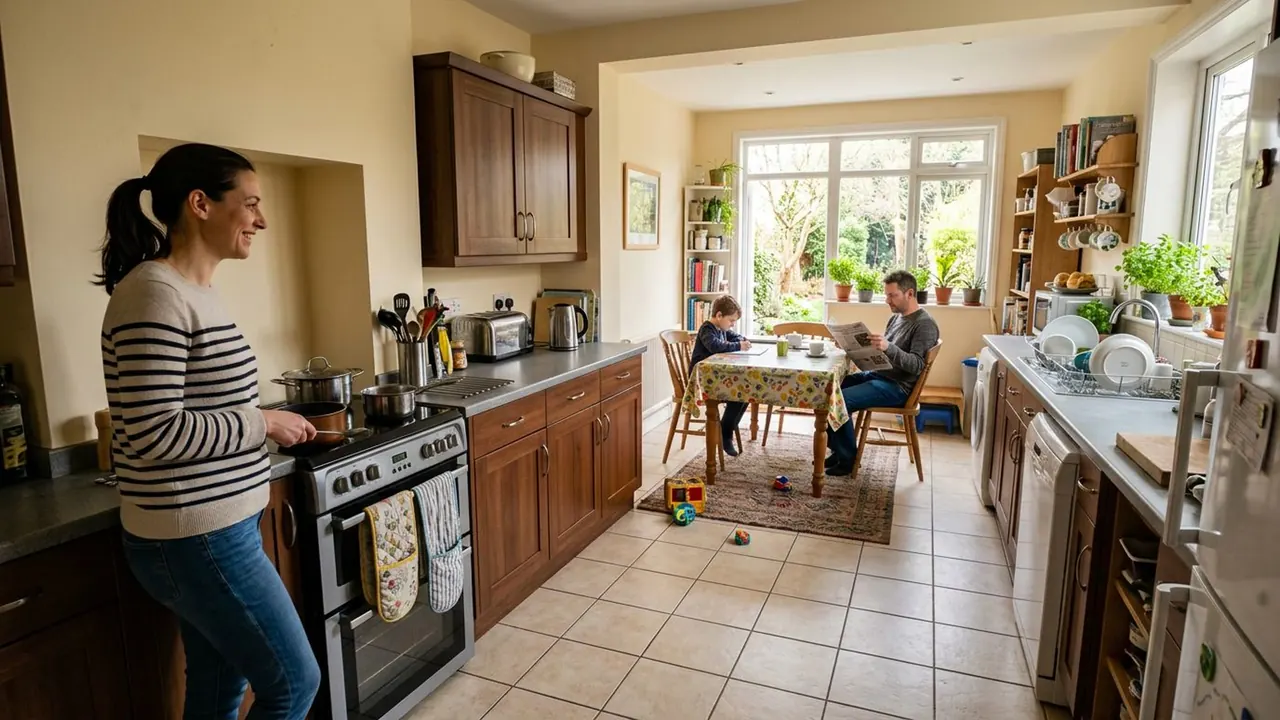
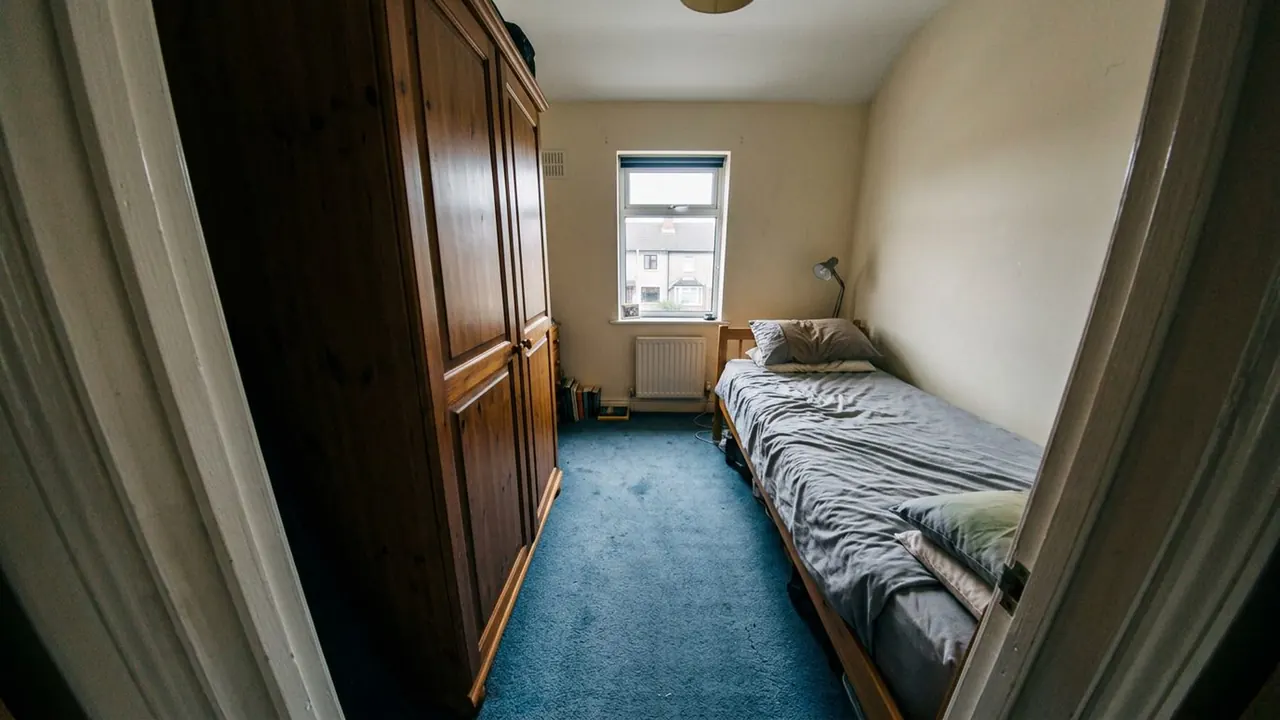
At 14mm the frame takes in almost the whole room, and anything close to the lens grows while anything a few steps back shrinks away. The lens turns a small space into somewhere with distance in it.
It also puts the audience inside the scene instead of across from it. A face at arm's length on a 14mm reads as uncomfortably present, which is why the lens shows up in films about people coming apart.
How it works
The field of view runs past 100 degrees on a full frame sensor. Straight lines stay straight if the lens is rectilinear. What you see is perspective at work, not barrel bending.
The effect comes from distance, not from the number. Stand back and a 14mm gives you a wide empty picture. Move to within half a metre of a face and the nose enlarges, the ears fall away, and the room behind opens up. Close is the whole technique.
Keep the camera level. Tilting an ultra wide sends the vertical lines of a building or a doorway leaning hard, which reads as a mistake unless you asked for it.
When to use it
Use it for cramped interiors, cars, corridors and any scene where a space has to feel both tight and stretched. It suits a subject who is losing control, because the lens exaggerates whatever is nearest.
Avoid it for a straight portrait or a flattering face. At this length a face bends, and every feature closest to the lens grows.
Told apart from its neighbours
A 24mm is wide and mostly polite. It shows the room and stretches only what sits near the frame edge. A 14mm stretches everything, including a face in the middle of frame, once you get close to it.
The test is what happens to a face at a metre. On a 24mm it still looks like the person. On a 14mm the nose leads and the head narrows behind it.
On film
Christopher Doyle shot Fallen Angels (1995) with very wide glass held close to the actors, so Hong Kong interiors bend around faces that never quite sit still. Fear and Loathing in Las Vegas (1998) uses the same distortion to keep the audience inside a drug haze rather than watching one.
- Fallen Angels (1995)
- Fear and Loathing in Las Vegas (1998)
The prompt
Replace the blanks, keep the rest. Then run it on a video model.
shot on a 14mm ultra wide lens of <subject>, vast field of view, strong edge stretch, exaggerated depth
What goes wrong
The model returns a plain wide shot with the subject a comfortable distance away, which wastes the lens. Say the camera is close, within a metre, and say the near edge of the subject is enlarged.
The other failure is a bent horizon or a fisheye curve. Ask for a rectilinear ultra wide with straight lines kept straight, or the model reaches for barrel distortion.
Leave out
telephoto, flat perspective
Watch for
Get close. An ultra wide used far away just looks empty.
Questions
Shoot it
Pay for the one run. No subscription, and the price is on the model page before you sign in.
Next to it in by focal length