Magnification
A detail is blown up far past what an eye would see.
Opens a video model with the prompt in it. The price is on the page before you sign in.
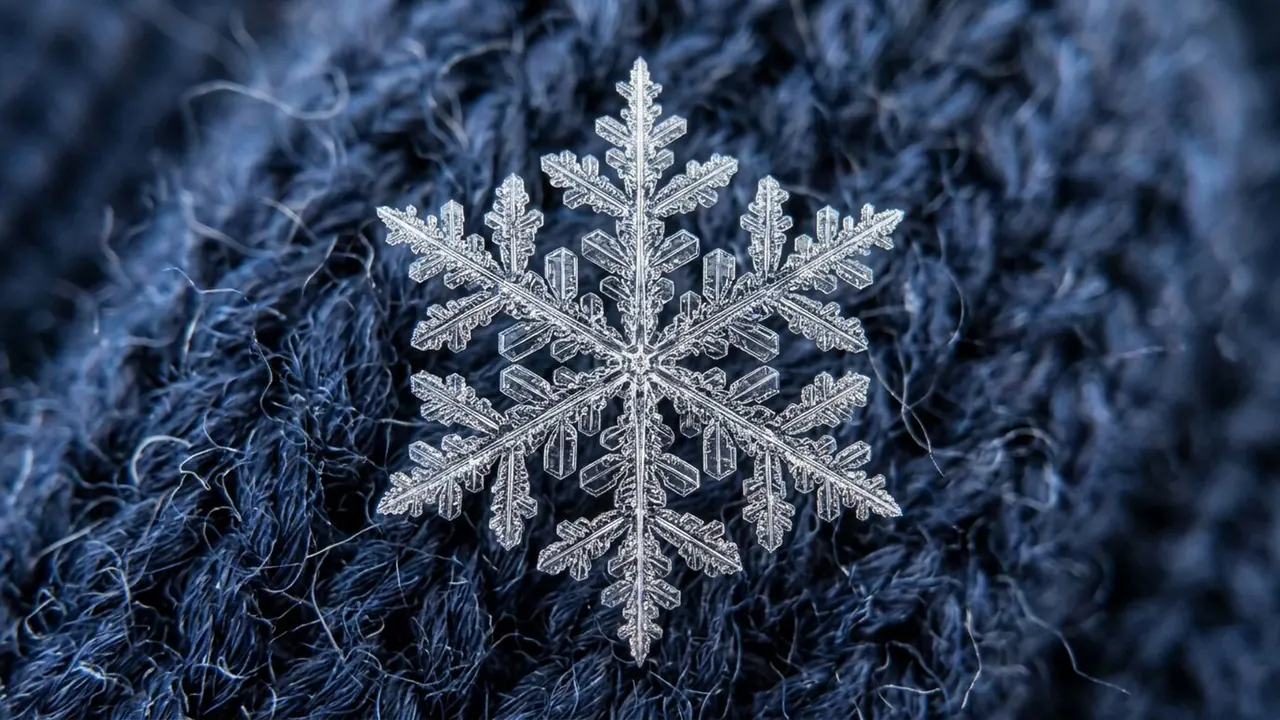
What it is for
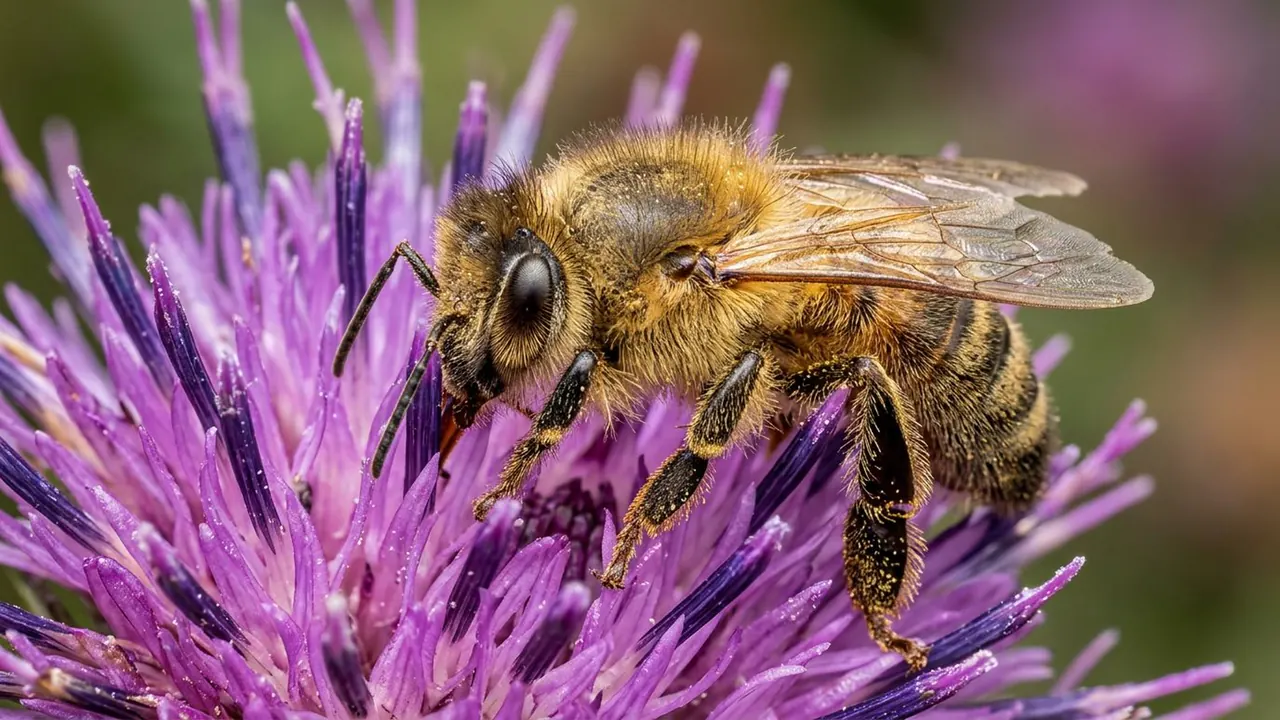
Magnification takes a detail past life size, into the range where an eye has never seen it. The fibres in paper, the pores in skin, the grain in a metal edge.
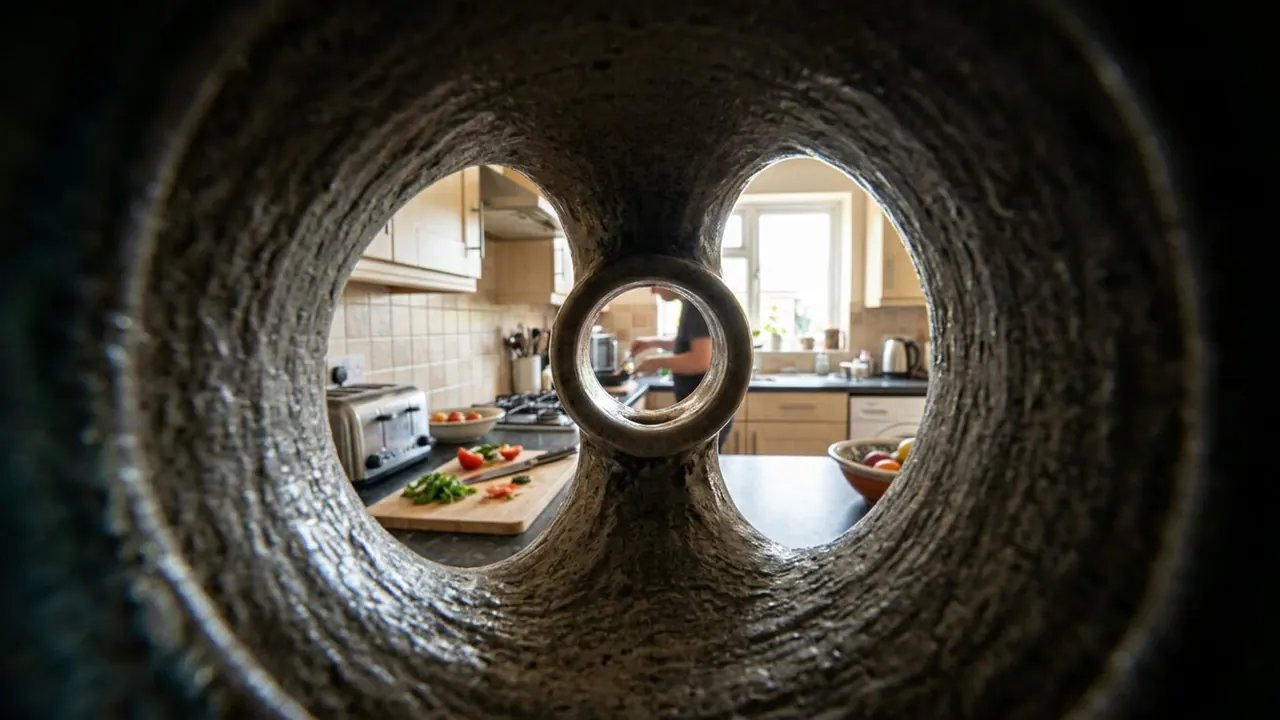
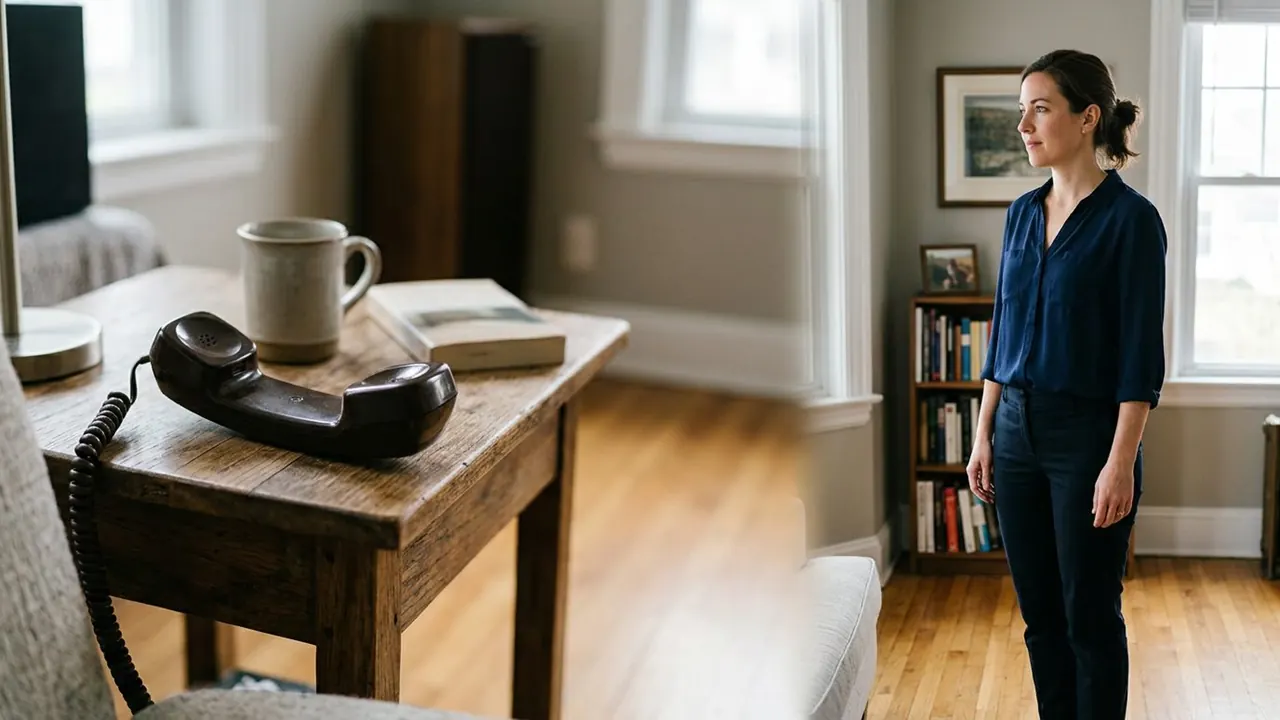
Going past what a person can see changes what the shot means. The audience is being shown something, rather than being placed where they could have looked.
How it works
Past a one to one reproduction ratio the picture is magnified, no longer reproduced. Extension tubes, bellows and dedicated high magnification lenses all get there by increasing the distance between the glass and the sensor.
Everything gets harder as the ratio climbs. Depth of field falls under a millimetre, the lens loses light, and the smallest vibration reads as a shake across the whole frame.
Movement scales too. A subject drifting a hair's width crosses the frame, which is why high magnification footage so often looks like it is floating.
When to use it
Use it for science, forensics, materials, and any moment where the story turns on something invisible to the naked eye.
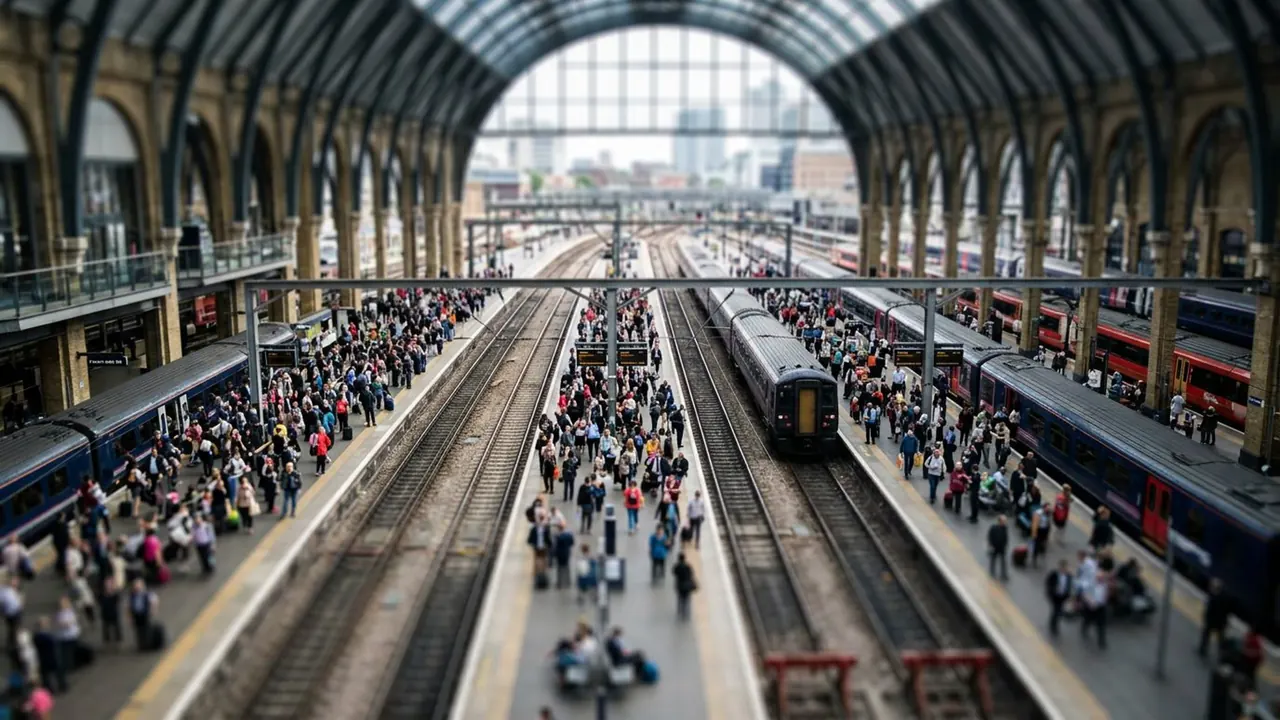
Skip it when a viewer has to recognise what they are looking at. Past a certain ratio everything becomes abstract, and abstraction needs a wider shot to explain it.
Told apart from its neighbours
A macro reaches life size and stops around there. Magnification carries on past it, into ratios where the subject is projected larger than it actually is.
Ask whether a person could see this by leaning in. If they could, it is macro. If no amount of leaning would show it, it is magnification.
The prompt
Replace the blanks, keep the rest. Then run it on a video model.
extreme magnification of <subject>, detail enlarged far past normal sight, fine structure visible
What goes wrong
A bare request for magnification returns an arbitrary crop of something, because the model has no idea what detail you meant. Say the thing: the fibres in the paper, the edge of the blade, the surface of the eye.
The other failure is a clean and recognisable object. At this scale the structure is the subject, so ask for fine structure and surface detail rather than the object as a whole.
Leave out
normal scale, wide
Watch for
Say what the detail is. Bare magnification gives you an arbitrary crop.
Questions
Shoot it
Pay for the one run. No subscription, and the price is on the model page before you sign in.
Next to it in lenses that get close