Jump Cut
- Visible temporal discontinuity
- Faux raccord temporel
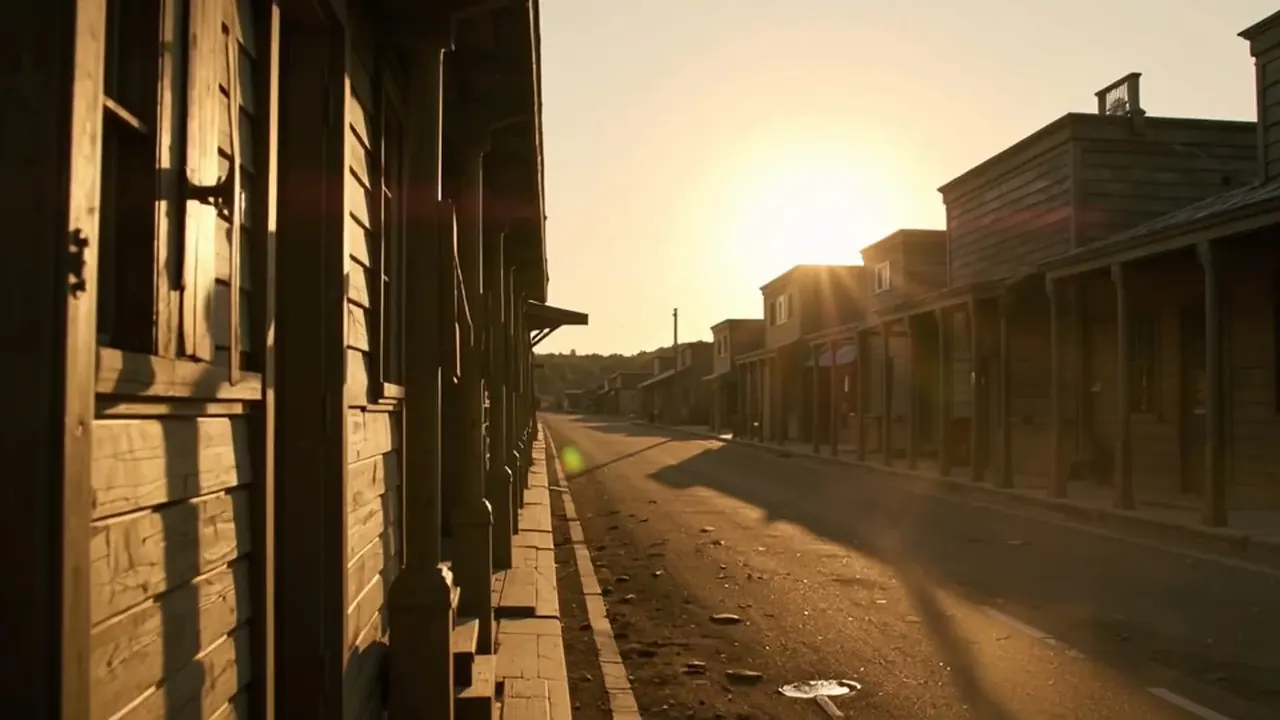
A cut inside the same shot skips time and leaves a visible jolt.
Opens a video model with the prompt in it. The price is on the page before you sign in.
What it is for
A jump cut removes time from inside a single shot and leaves the seam showing. The subject stays in roughly the same place, the framing stays the same, and a piece of the middle is gone.
It reads as impatience or as instability, depending on the scene. Used once it says the film is skipping ahead. Used through a whole sequence it says the person on screen is coming apart, or that the film has stopped pretending the camera was ever neutral.
How it works
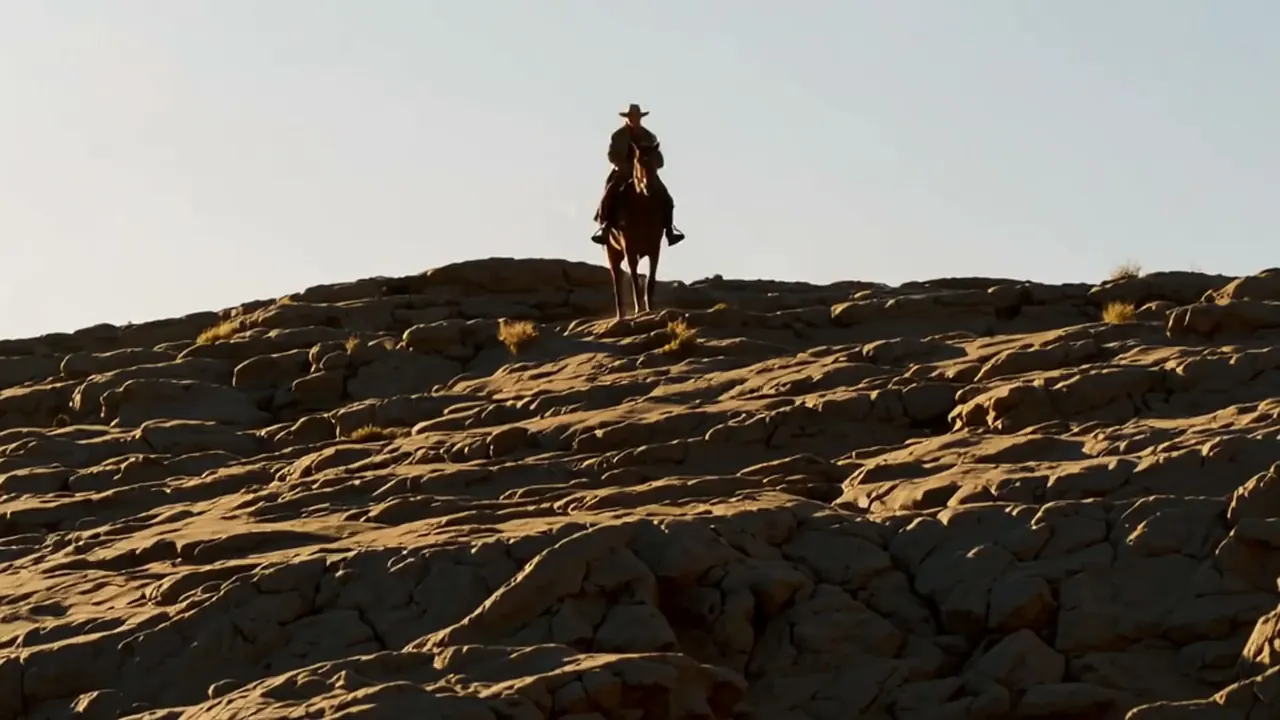
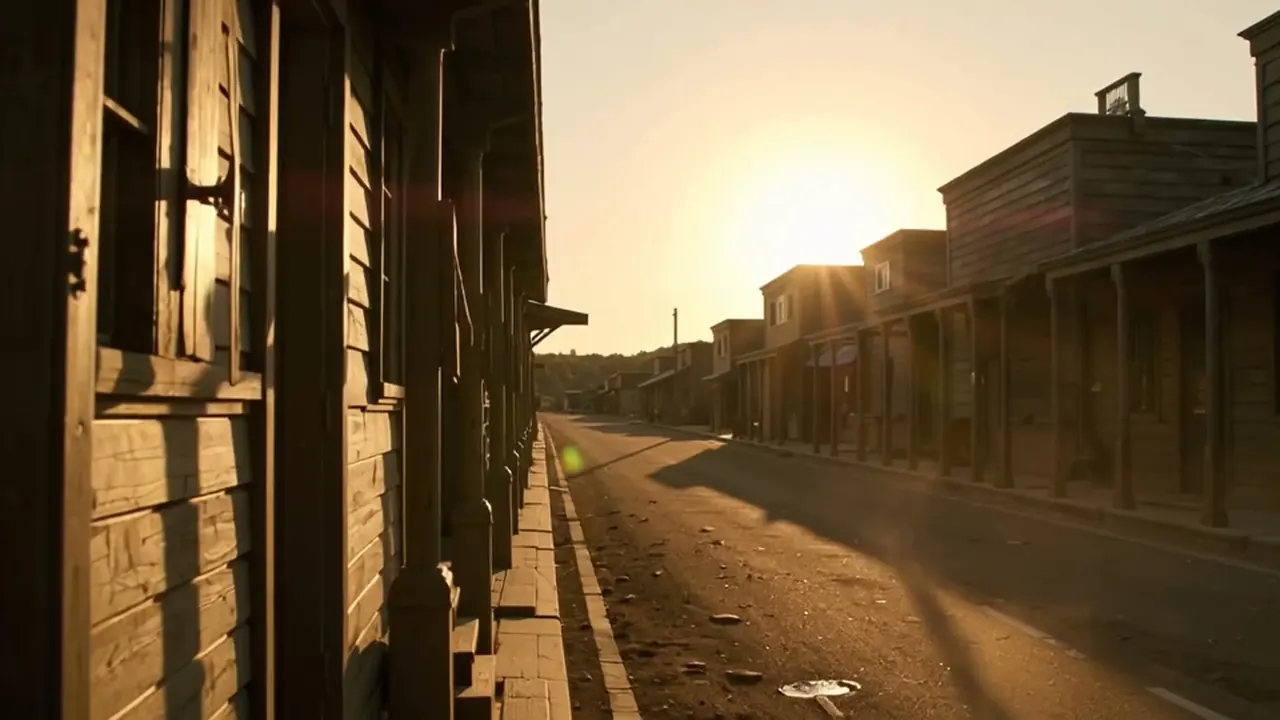
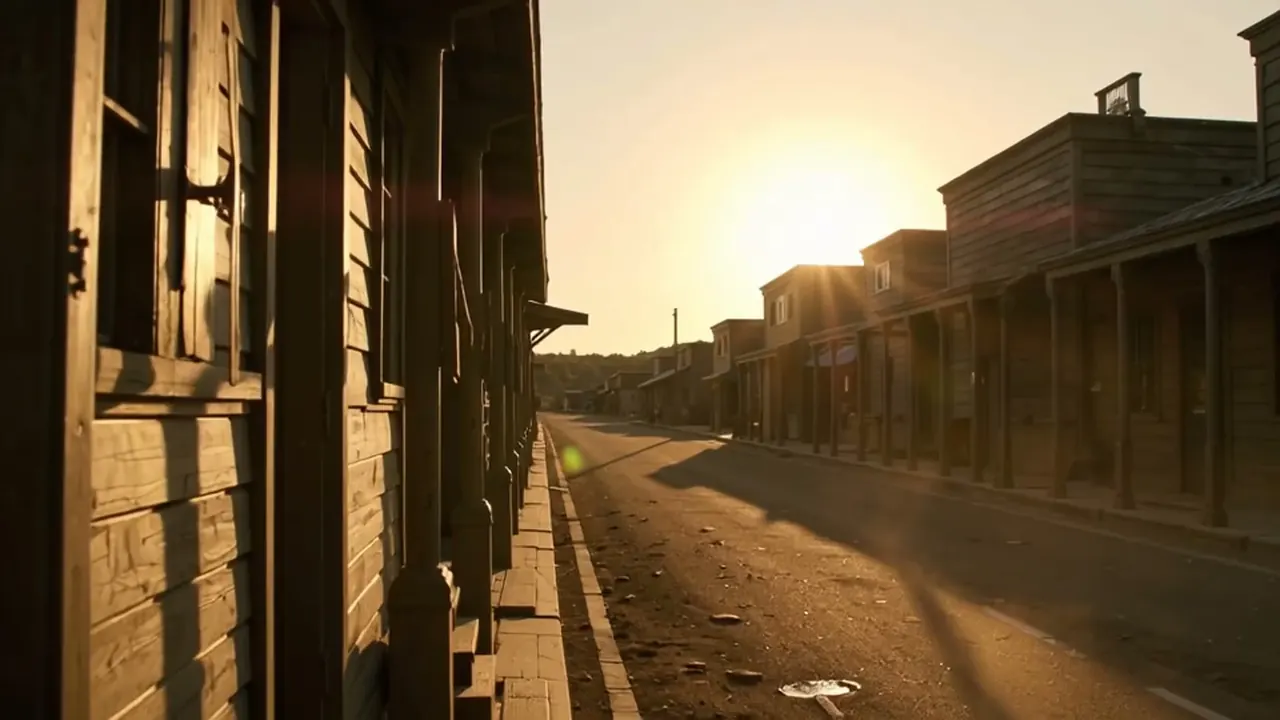
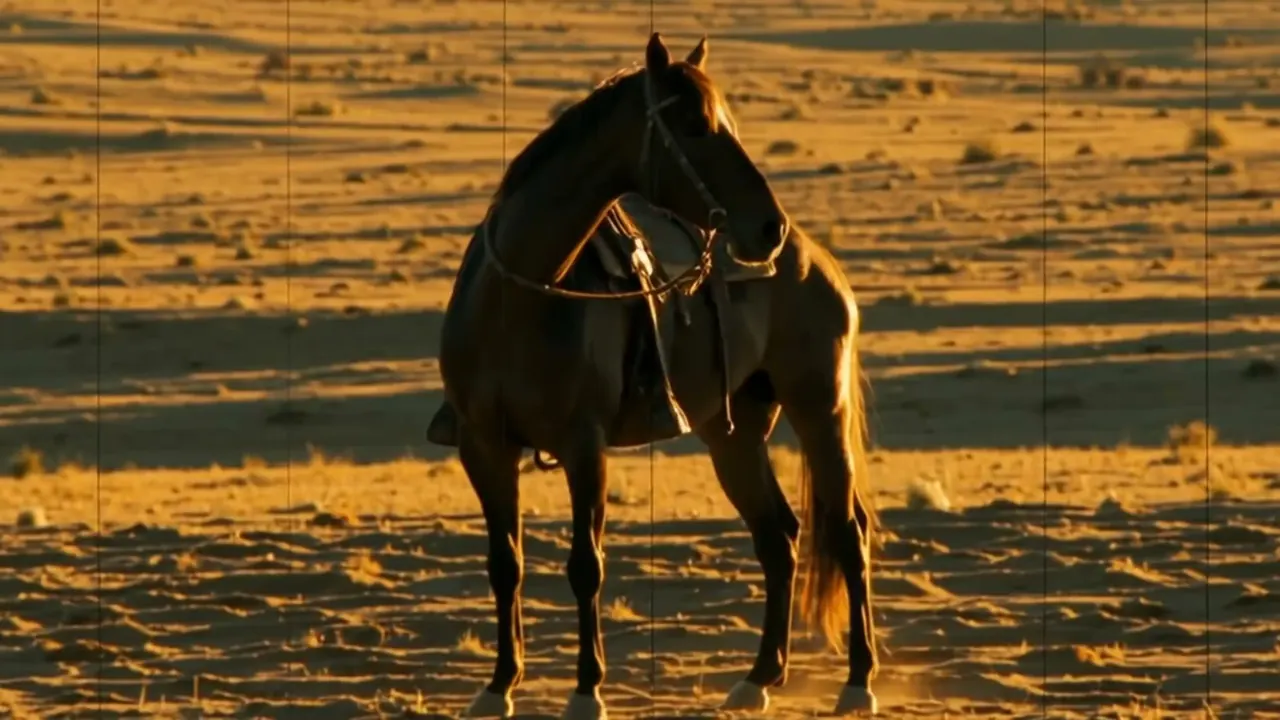
Two frames of the same setup with time missing between them. The camera does not move, the lens does not change, and the subject has shifted a little. That small shift is what makes the eye register the jolt.
A model gives you one continuous clip, so this is two runs and a join. Prompt the frame that leaves and the frame that arrives with the same wording for the framing, the lens and the light, then change only the position of the subject and cut the two together.
Keep the change small. A subject who has crossed the room reads as a different shot, and a subject who has not moved at all reads as a glitch.
When to use it
Use it to cut dead time out of a monologue, to compress a wait, and to make a sequence feel restless on purpose. Interview and vlog editing runs on it for the first reason.
Avoid it in a scene built on continuity. A drama that has spent ten minutes hiding its cuts loses that work the moment one jumps.
Told apart from its neighbours
A smash cut joins two different shots that contradict each other. A jump cut stays inside one shot and removes a piece of it. If the second frame is a new setup, it is a smash cut.
An axial cut also holds the angle, and it changes the size of the frame instead of the time. Jump cut skips time at the same size. Axial cut skips distance at the same moment.
On film
Jean-Luc Godard cut Breathless (1960) this way throughout, most visibly in the car scenes, where lines of a conversation vanish and a head snaps to a new position. The film was assembled down from a much longer cut, and the jumps are what the removal left behind.
- Breathless (1960)
- Dancer in the Dark (2000)
The prompt
Replace the blanks, keep the rest. Then run it on a video model.
same framing on <subject>, time skipping forward between two nearly identical frames, visible jolt at the join
What goes wrong
The model changes the angle, and the result is ordinary coverage rather than a jump. Say the framing is identical in both runs, and name the focal length and the camera position in the same words each time.
The second failure is a pair of frames too far apart. If the subject has turned, moved and changed the light, the join reads as a mistake. Move one thing and leave the rest alone.
Leave out
angle change, smooth cut
Watch for
Keep the framing identical. Change the angle and it becomes ordinary coverage.
Questions
Shoot it
Pay for the one run. No subscription, and the price is on the model page before you sign in.
Next to it in the hard cuts