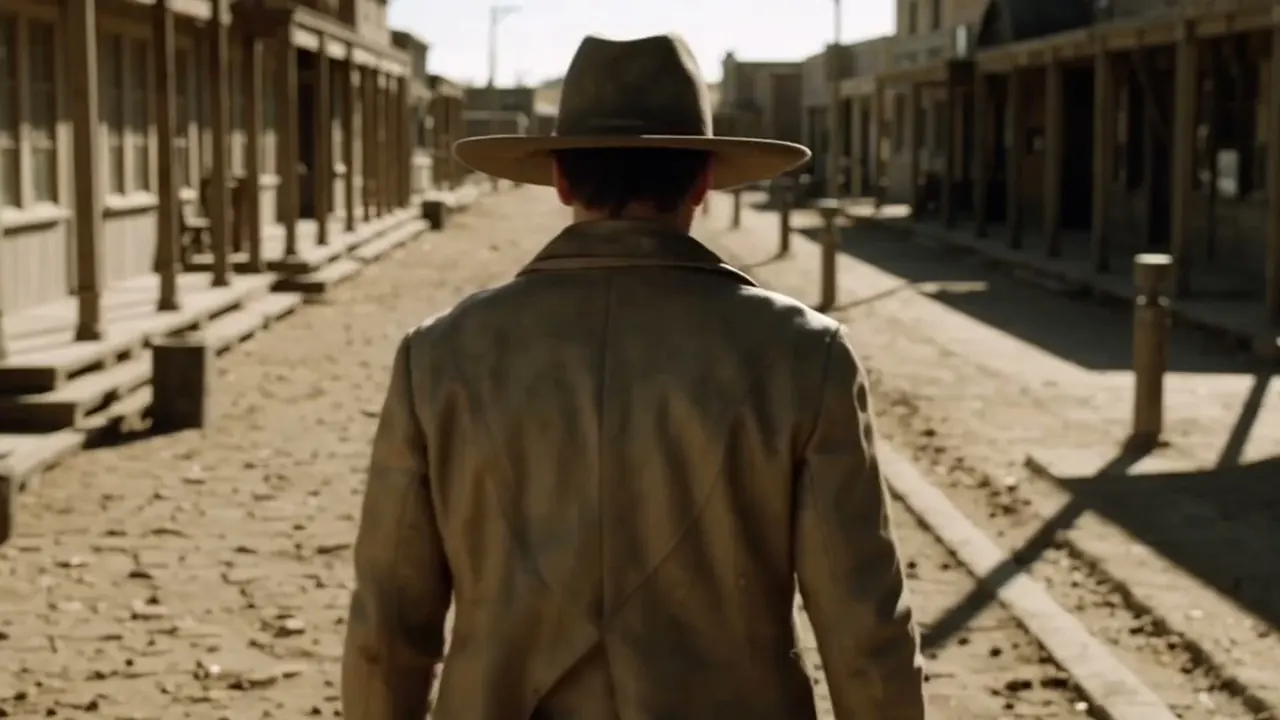
Oner
- true oner
- stitched oner
A whole scene plays in a single unbroken shot.
Opens a video model with the prompt in it. The price is on the page before you sign in.
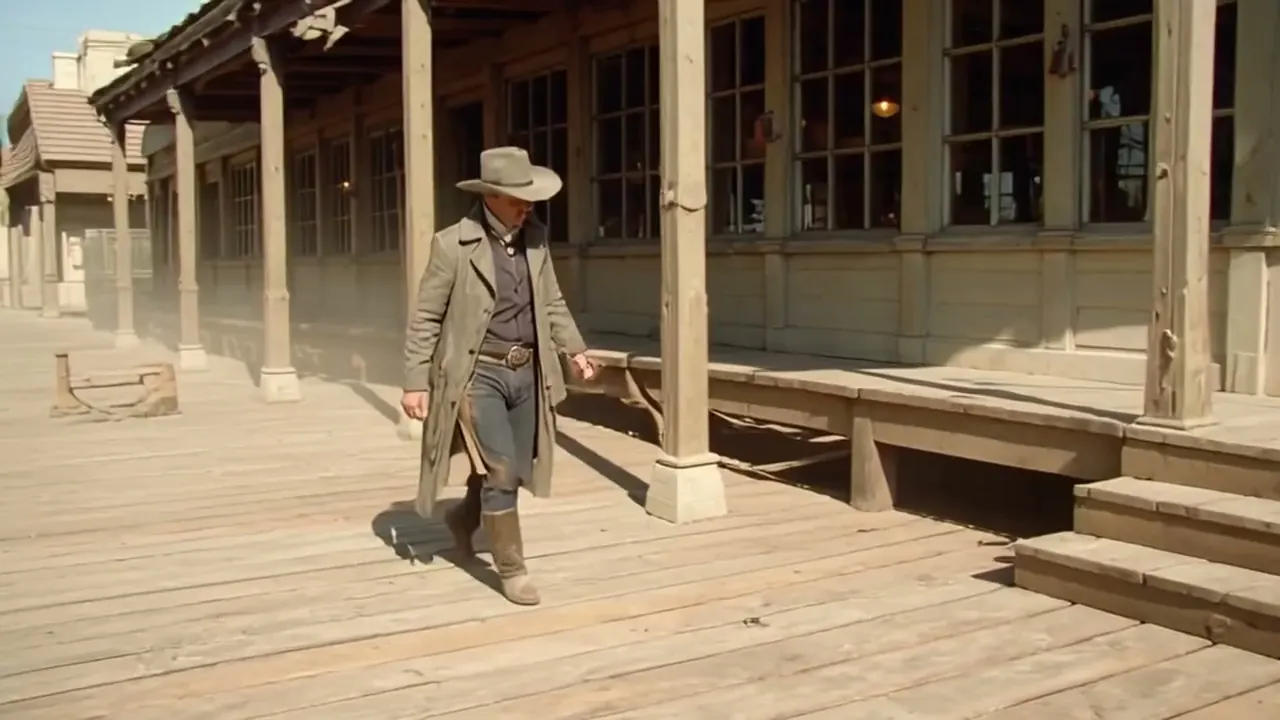
What it is for
A whole scene plays in one shot, so the audience gets the event at the length it actually takes. Nothing has been selected for them.
It changes who is in control. In a cut scene the edit decides where to look, and in a oner the viewer has to choose, which is why these shots feel closer to being in the room.
How it works
The camera carries every beat, so it has to be in the right place for each one without a cut to get it there. That means the move is choreographed against the performance rather than laid over it.
A true oner has no join anywhere. A stitched oner hides joins in whip pans, in a body crossing the lens, or in a passage through darkness, and is how most feature length examples are built.
The scene usually has to be rewritten for it. Beats that would have been separate shots become entrances and exits, and anything that cannot be reached by the camera has to leave the scene.
When to use it
Use it for a scene with a clear shape and a physical journey through a space: an arrival, a confrontation, a search through rooms.
Skip it when the scene lives on reactions. Without cuts you cannot put two faces side by side, and an argument can lose half its content.
Told apart from its neighbours
A long take is a shot that runs long. A oner is a shot that covers an entire scene. Every oner is a long take, and most long takes are not oners.
The boundary is the test. If the shot begins with the scene and ends with it, it is a oner.
On film
Alexander Sokurov shot Russian Ark (2002) as a single unbroken 96 minute take through the Hermitage, with no join anywhere in it. Alejandro Gonzalez Inarritu built Birdman (2014) the other way, assembling a feature from long takes joined at whip pans and dark passages so the film reads as one continuous shot.
- Russian Ark (2002)
- Birdman (2014)
The prompt
Replace the blanks, keep the rest. Then run it on a video model.
entire scene with <subject> in one unbroken shot, camera carrying the action through every beat, no cuts
What goes wrong
A single generation is already one unbroken shot, so asking for no cuts wins nothing. The work is in the beats, so name what changes across the shot and in what order.
The second failure is a shot with one idea in it, which reads as a static clip rather than a scene. Give the camera somewhere to travel and give the action a turn partway through.
Leave out
cuts, hidden joins
Watch for
A single generation is already one shot. Use the length to earn a beat change.
Questions
Shoot it
Pay for the one run. No subscription, and the price is on the model page before you sign in.