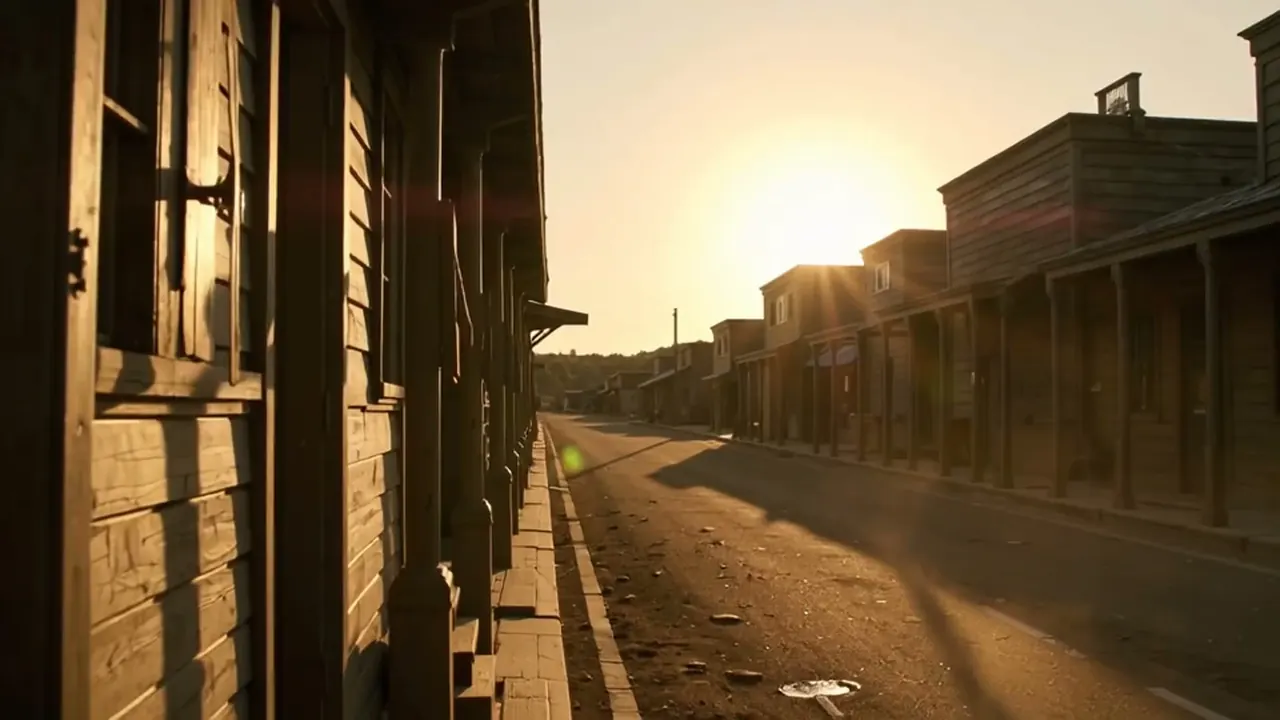
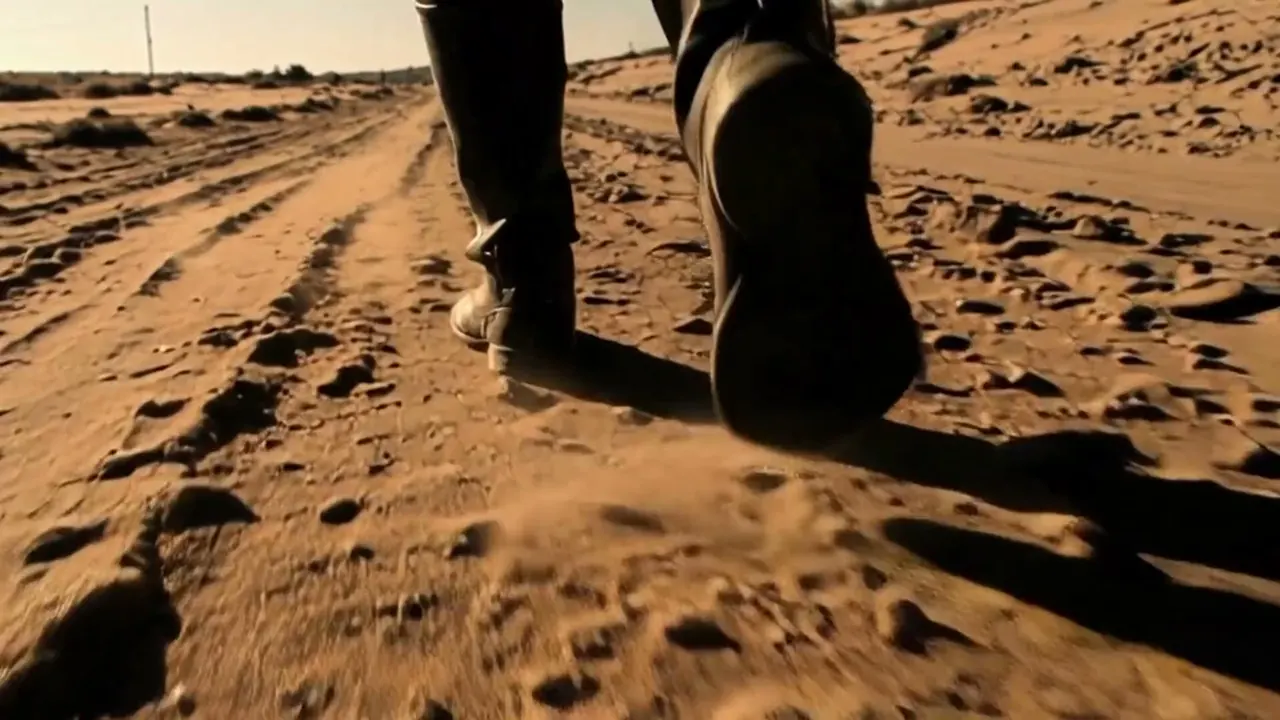
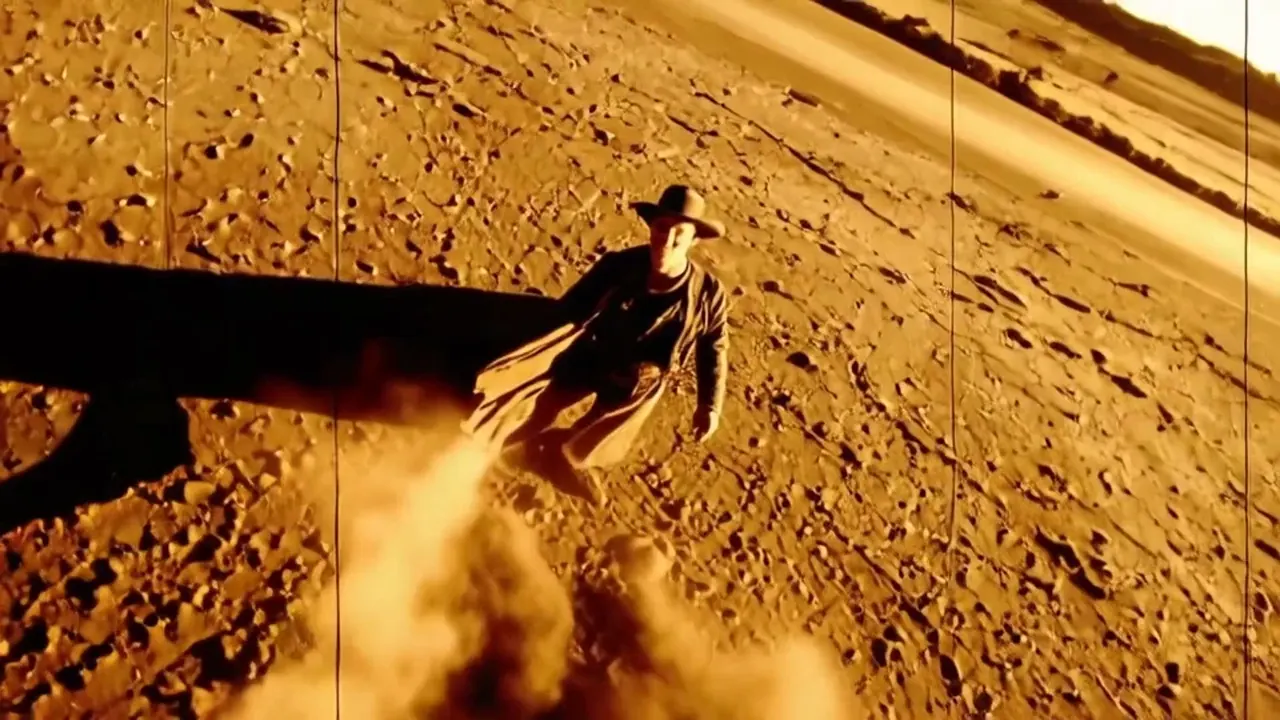
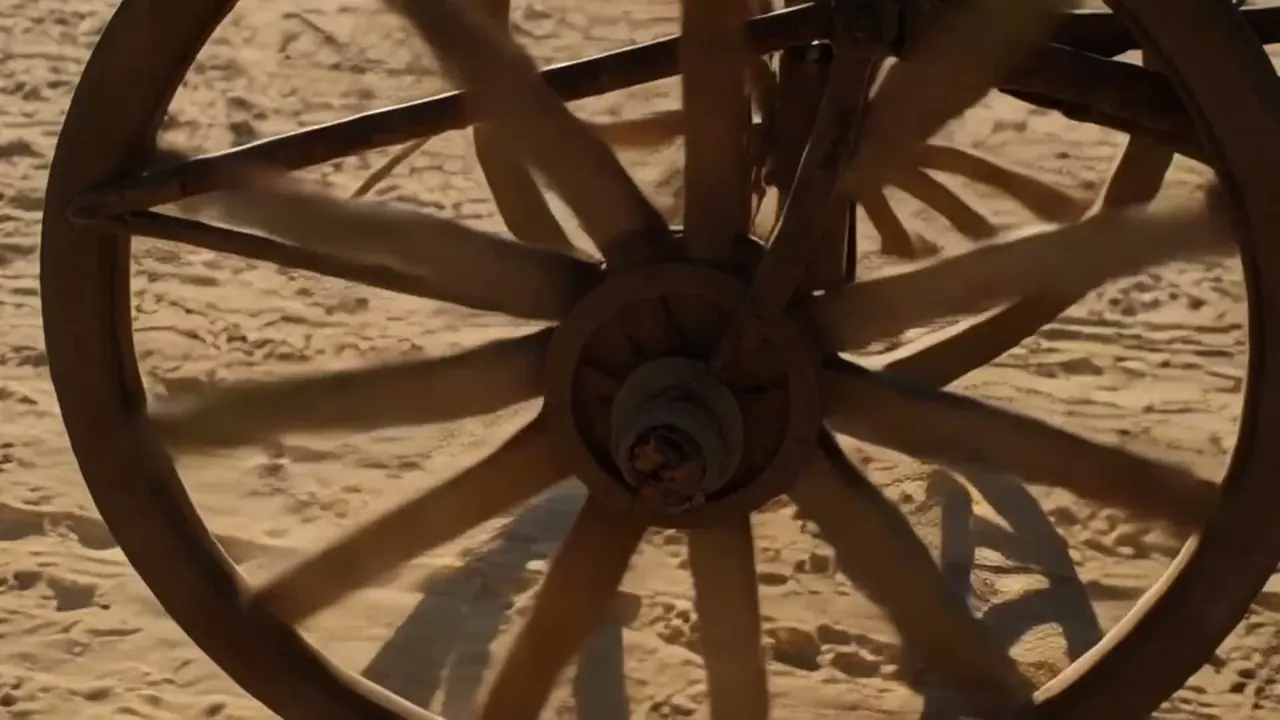
Slow Motion
- Overcranking
- Ralenti
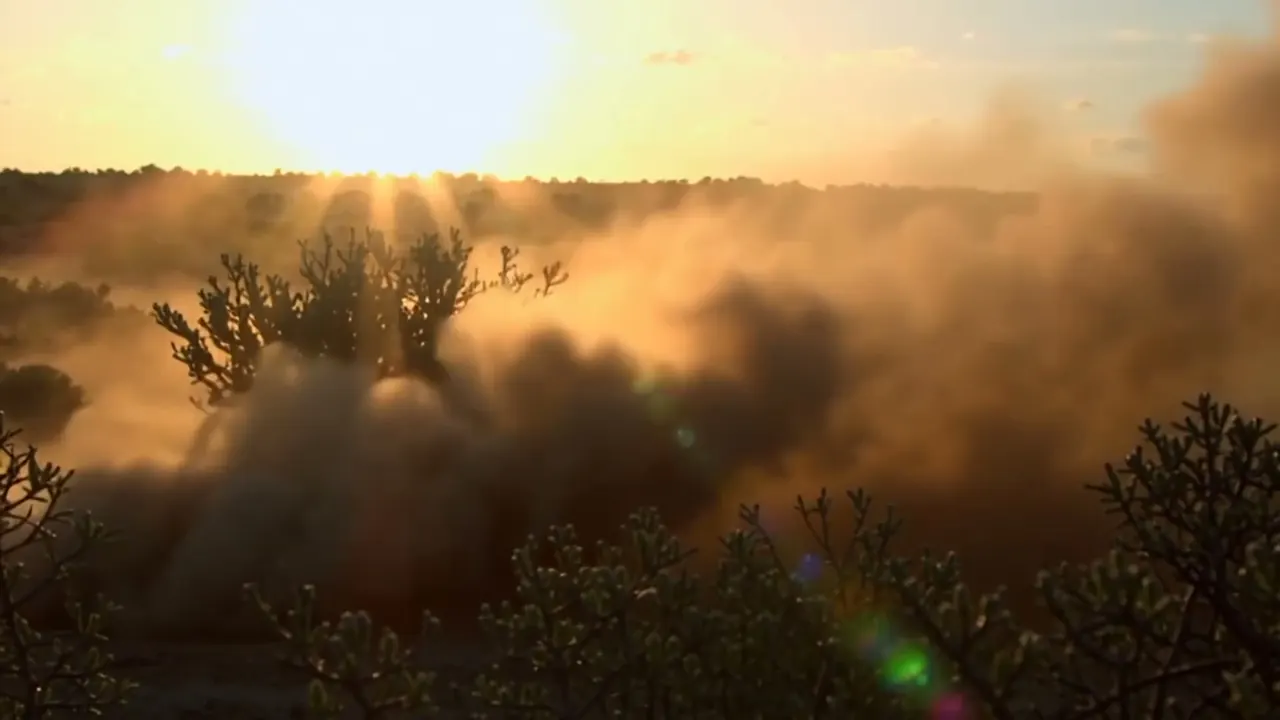
The action runs slower than life and the detail becomes visible.
Opens a video model with the prompt in it. The price is on the page before you sign in.
What it is for
The action runs slower than it happened, and detail that passed too quickly to see arrives in full. A drop leaving a glass, the moment a body gives way, the shape a fist makes on impact.
It also tells the audience the moment matters. Slowing a shot is a visible intervention, so the audience reads it as the film pointing at something.
How it works
The camera records more frames per second than the playback rate. This is called overcranking, from the days when the operator turned a handle faster. Play 48 frames per second back at 24 and the action runs at half speed. 96fps gives a quarter speed and 240fps gives a tenth.
Real slow motion keeps its motion blur proportionate, because each frame still has its own short exposure. That is what separates it from footage slowed in software, which repeats or interpolates frames and smears the edges.
Light is the cost. A camera at 240fps has a tenth of the exposure time per frame, so the scene needs roughly ten times the light to hold the same stop.
When to use it
Use it on impact, on a decision, and on anything with fine movement worth reading. Water, cloth, hair and dust all reward it.
Avoid it on dialogue and on anything the audience already understands. A slowed walk down a corridor with nothing happening in it is a long shot pretending to be an important one.
Told apart from its neighbours
Bullet time also slows the action, and the difference is the camera. In slow motion the camera runs at its usual pace relative to the subject. In bullet time the action nearly stops while the camera keeps travelling around it.
A speed ramp is slow motion that arrives partway through a shot. If the whole shot runs at one speed, it is slow motion.
On film
Akira Kurosawa uses slow motion on the deaths in Seven Samurai (1954), holding a falling body long enough for the audience to register it as a person. Sam Peckinpah built the shootouts in The Wild Bunch (1969) from several cameras running at different frame rates, then cut the speeds against each other so the violence stretches and snaps back.
- Seven Samurai (1954)
- The Wild Bunch (1969)
The prompt
Replace the blanks, keep the rest. Then run it on a video model.
slow motion of <subject>, action at a fraction of normal speed, fine movement detail visible, smooth frames
What goes wrong
Bare slow motion lands somewhere arbitrary, usually a mild slowdown that reads as a tired performance. Say how slow: half speed, a quarter speed, or almost stopped.
The second failure is stutter. A model that drops to slow motion by holding frames gives you a slideshow. Ask for smooth frames and visible motion blur on the moving parts.
Leave out
normal speed, stutter
Watch for
Say how slow. Slight slow motion and extreme slow motion are different shots.
Questions
Shoot it
Pay for the one run. No subscription, and the price is on the model page before you sign in.
Next to it in faster or slower