Speed Ramp
- Variable-speed action
The speed changes inside the shot, from fast to slow or back.
Opens a video model with the prompt in it. The price is on the page before you sign in.
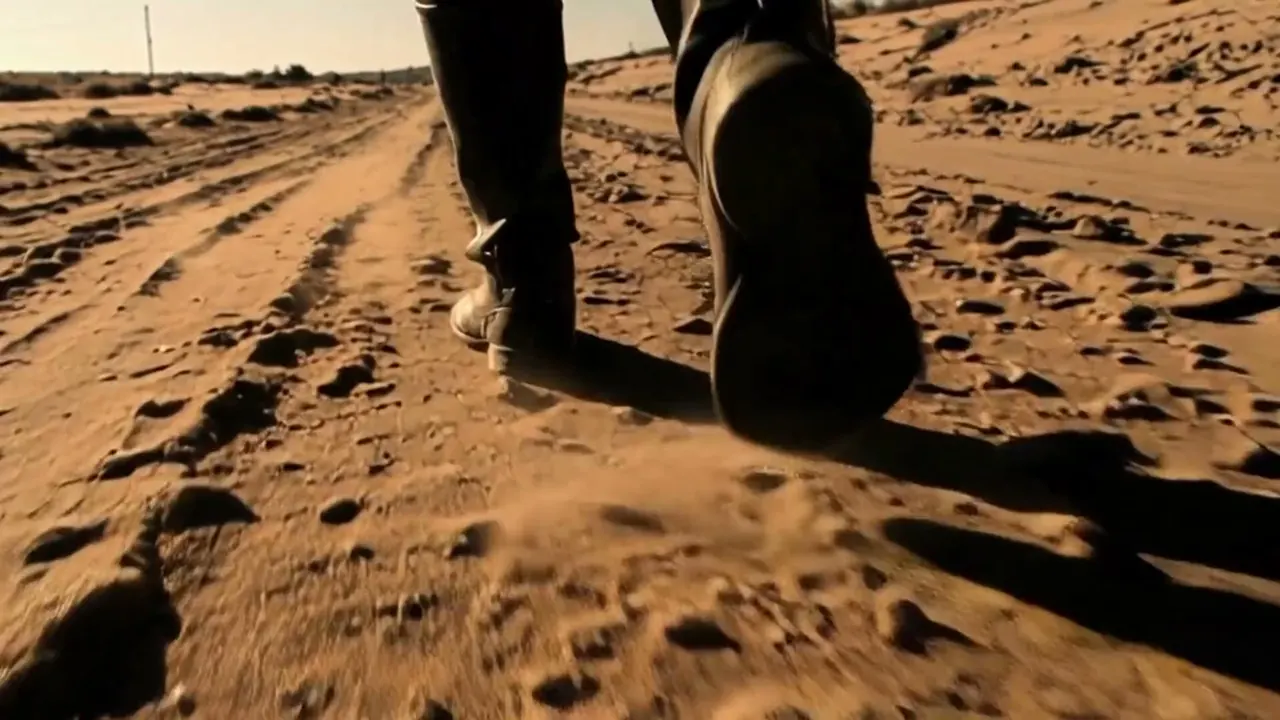
What it is for
The speed changes inside the shot, so one moment is lifted out of the rest without a cut. A fight runs at life speed, drops into slow motion on the connecting punch, then snaps back.
It works because the change is felt rather than seen. The audience does not notice a ramp arriving, they notice that one beat suddenly has more room than the beats around it.
How it works
The camera records at the highest rate the shot needs, often 120fps or more, and the speed change is made in the edit by varying how many of those frames play per second. Shooting at one rate and slowing in software gives you the stutter instead.
The ramp has a shape. A fast ramp lands in a few frames and reads as a hit. A slow ramp takes half a second and reads as a realisation. Both need a landing point, which is the moment the new speed holds.
Ramping up out of slow motion is the same move in reverse, and it is usually faster than the ramp down. The exit sells the snap.
When to use it
Use it on impact, on a catch, on the instant something is understood. It suits action and sport, where the beat worth holding sits inside a longer movement.
Leave it alone in a scene with no single moment. A ramp with nothing under it reads as a music video effect, and a sequence full of them stops meaning anything.
Told apart from its neighbours
Slow motion runs at one speed from the first frame to the last. A speed ramp changes speed partway through. If the shot opens and closes at the same pace, it is not a ramp.
A cut to a slow motion shot does the same job with an edit. The ramp keeps it in one take, which is why it feels continuous rather than assembled.
On film
Zack Snyder built the battle scenes in 300 (2006) around ramps, running the action at speed and dropping into slow motion on each landed blow, so the fights read as a series of held poses. Guy Ritchie uses the same device in Sherlock Holmes (2009), ramping into slow motion while a fight is planned and back to full speed while it is carried out.
- 300 (2006)
- Sherlock Holmes (2009)
The prompt
Replace the blanks, keep the rest. Then run it on a video model.
speed ramp on <subject>, shot starting at normal speed then dropping into slow motion at <moment>, smooth transition
What goes wrong
The shot comes back at one constant speed, because the model has nothing to anchor the change to. Name the moment the speed changes: as the fist lands, as the door opens.
The second failure is a hard jump rather than a ramp. Ask for a smooth transition between the two speeds and say which speed the shot starts at.
Leave out
constant speed, cut
Watch for
Name the moment the speed changes. Without it the ramp lands at random.
Questions
Shoot it
Pay for the one run. No subscription, and the price is on the model page before you sign in.
Next to it in faster or slower