Long Take
- plan sequence
- extended take
- long-duration shot
- true long take
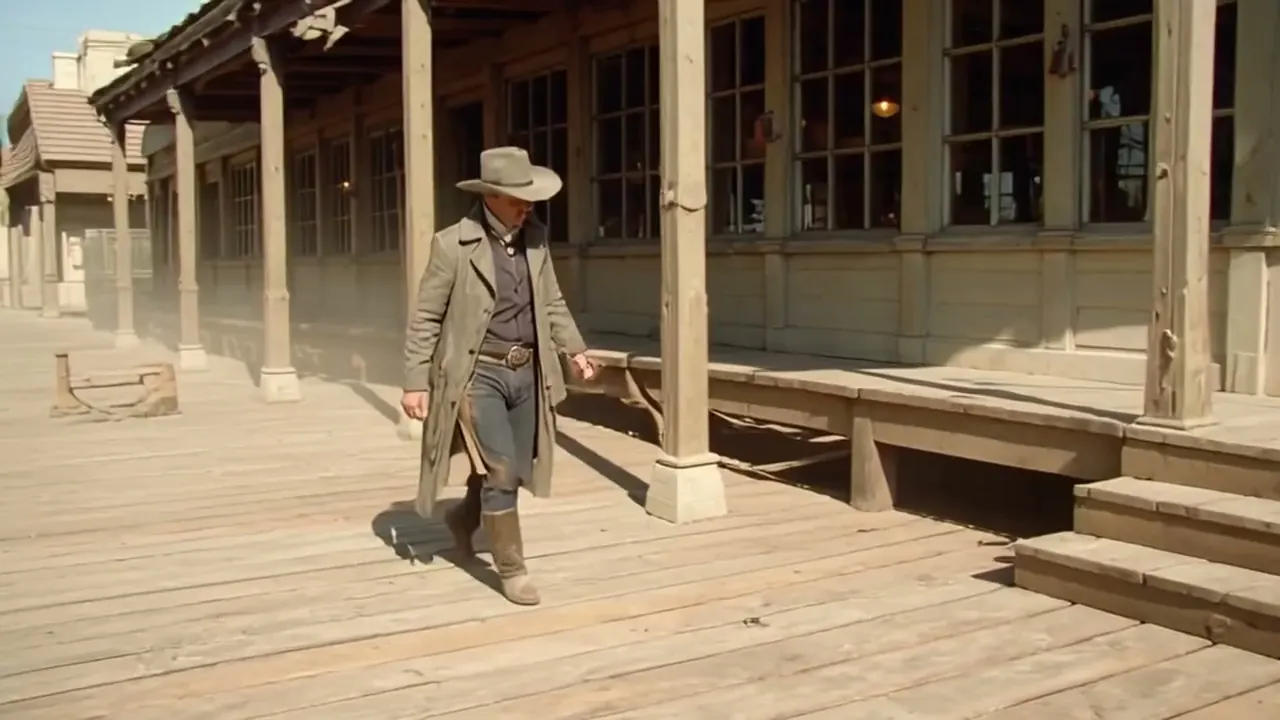
One shot runs far longer than usual with no cut.
Opens a video model with the prompt in it. The price is on the page before you sign in.
What it is for
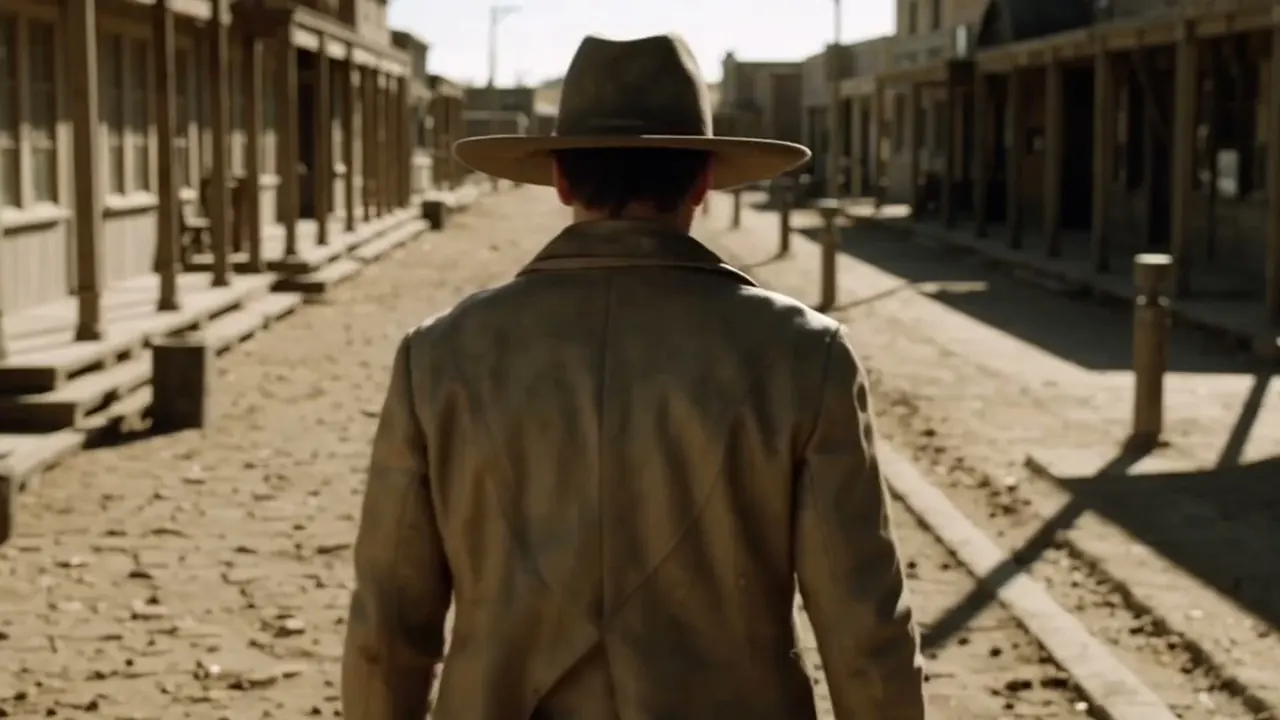
One shot runs far longer than the cutting rhythm around it, and the audience starts to feel the duration. Nothing is being hidden, because there is no cut to hide anything in.
Time becomes the material. A three minute take is three minutes the characters cannot escape, which is why the device attaches to tension and to grief.
How it works
The camera has to keep finding a new composition, or the length becomes dead air. Usually that means movement: a Steadicam following a walk, a crane rising, a dolly repositioning around a conversation.
Blocking does the cutting. Actors move toward and away from the lens, and a figure stepping into the foreground gives you a close-up inside a wide shot without an edit.
Rehearsal is most of the work, because every mistake costs the whole take. The longest takes are usually the ones with the fewest people in them.
When to use it
Use it when duration is the point: a wait, a search, an argument with nowhere to go. It is also the honest choice for anything the audience might suspect was faked in the edit.
Skip it when the scene needs emphasis. A cut is how a film points at something, and a long take gives that up.
Told apart from its neighbours
A oner covers an entire scene in one shot. A long take is simply a shot that runs long, and a scene can hold several of them.
The test is the boundaries. If the shot starts where the scene starts and ends where it ends, it is a oner. If it is one long stretch inside a cut sequence, it is a long take.
On film
Orson Welles opens Touch of Evil (1958) on a crane shot that follows a car with a bomb in it for over three minutes before the explosion. Robert Altman answered it with the opening of The Player (1992), a roving take in which the characters discuss long takes, and Joe Wright staged the Dunkirk beach in Atonement (2007) as a single unbroken Steadicam pass across thousands of extras.
- Atonement (2007)
- The Player (1992)
- Touch of Evil (1958)
The prompt
Replace the blanks, keep the rest. Then run it on a video model.
long unbroken take following <subject>, no cuts, continuous action developing across the whole shot
What goes wrong
The action runs out before the shot does, so the last stretch is somebody standing there. Give the take something to develop into and name the beats in order.
The second failure is a model that cuts anyway, or drifts into a different scene. Ban cuts explicitly and say the action is continuous from the first frame to the last.
Leave out
cuts, montage
Watch for
Give the action something to develop into, or the length has no payoff.
Questions
Shoot it
Pay for the one run. No subscription, and the price is on the model page before you sign in.