Time-Lapse
- Interval photography
- Time compression
Hours compress into seconds, and slow change becomes movement.
Opens a video model with the prompt in it. The price is on the page before you sign in.
What it is for
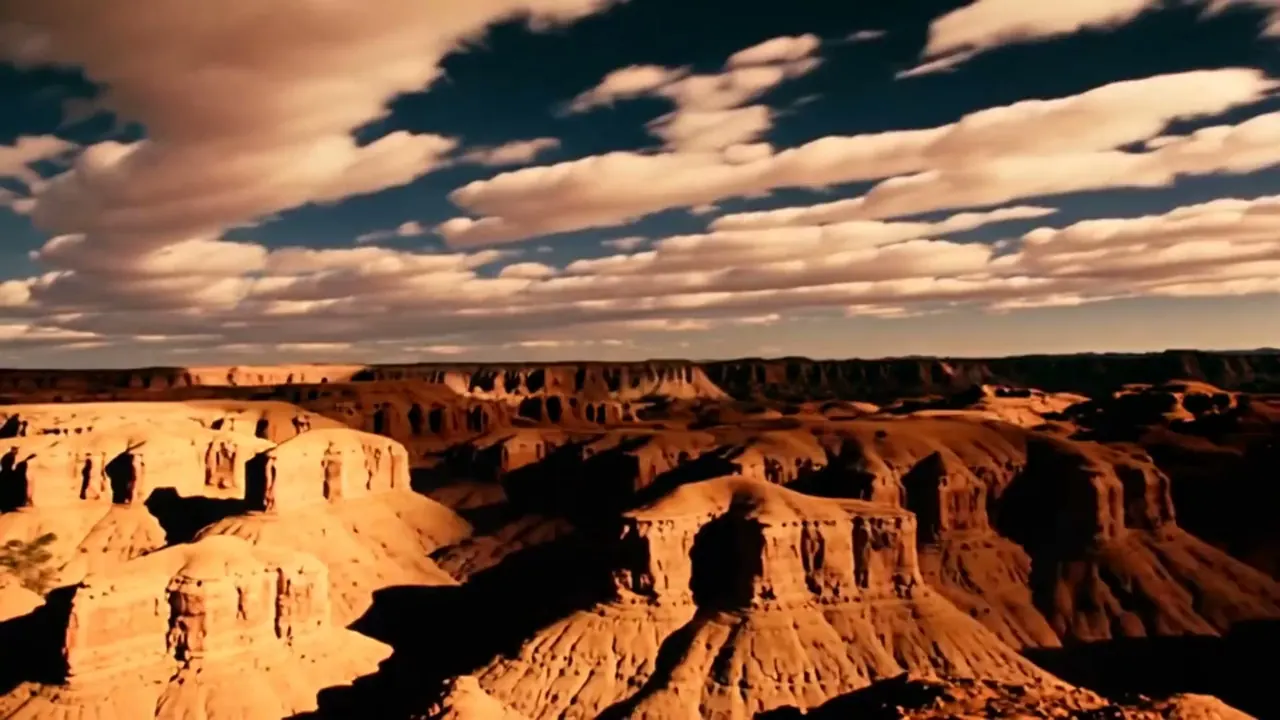
Hours compress into seconds, and change too slow to watch becomes movement. Cloud turns into a current, shadows sweep, a crowd becomes a flow.
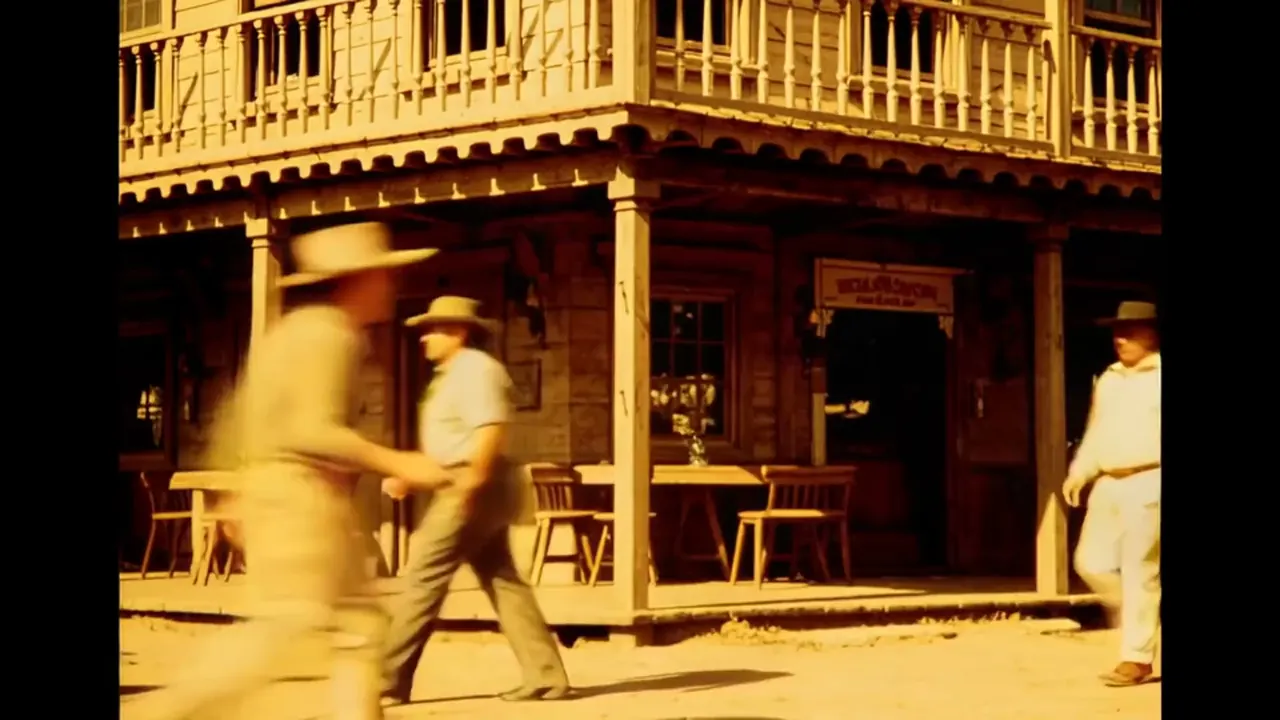
It also removes the individual. At this compression a person is a streak, so the shot stops being about anybody and starts being about the system they are part of.
How it works
One frame is recorded every few seconds or minutes, and the result plays at normal speed. A frame every two seconds played at 24 frames per second packs roughly 48 seconds of real time into each second of footage.
The interval is chosen for the subject. Cloud wants one to three seconds. A sunset wants three to five. Stars want twenty to thirty, and a building going up wants minutes.
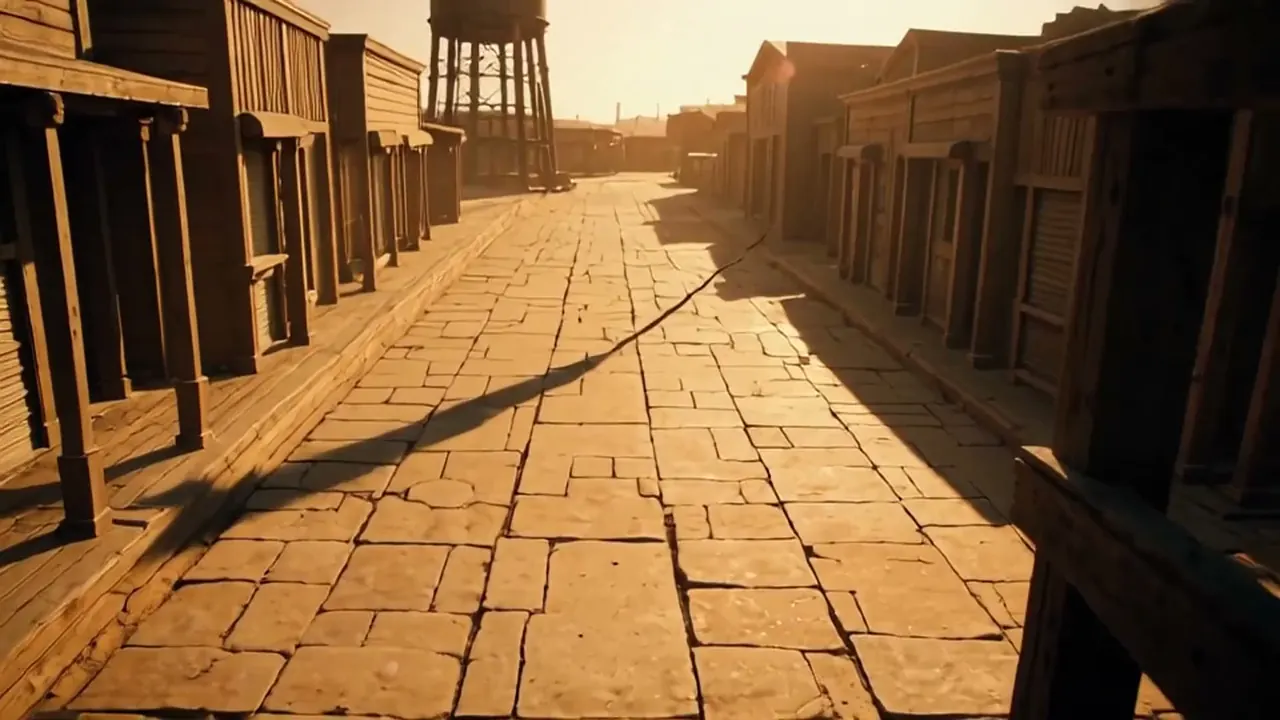
The camera is locked off and does not move at all, which is what gives the moving elements something to move against. Exposure usually has to ramp as the light changes, or the sequence flickers frame to frame.
When to use it
Use it to show a day passing, a system working, or a slow process reaching its end.
Skip it when a single person matters. Nobody survives this compression as a character, and dialogue is out of the question.
Told apart from its neighbours
Fast motion keeps every frame, so an action stays continuous and you can follow one person through it. A time-lapse drops almost all of them, so movement arrives as streaks and jumps.
A hyperlapse is a time-lapse with the camera travelling between frames. Lock the frame and it is a time-lapse. Move it and it is not.
On film
Godfrey Reggio and Ron Fricke built Koyaanisqatsi (1982) largely out of time-lapse, running cities and highways at a speed that turns traffic into a fluid. Fricke went further with Baraka (1992), cutting time-lapse against real time so the same world reads as both patient and frantic.
- Koyaanisqatsi (1982)
- Baraka (1992)
The prompt
Replace the blanks, keep the rest. Then run it on a video model.
time lapse of <subject>, hours compressed into seconds, slow change turned into visible motion, fixed frame
What goes wrong
Models add a slow drift to the camera, because a moving camera is what they associate with video. Lock the frame and say so: fixed camera, no camera movement.
The second failure is a shot that runs at ordinary speed with nothing compressed. Name what should visibly move, such as cloud crossing the sky or shadows sweeping the ground.
Leave out
real time, camera movement
Watch for
Lock the frame. A moving time-lapse is a hyperlapse.
Questions
Shoot it
Pay for the one run. No subscription, and the price is on the model page before you sign in.