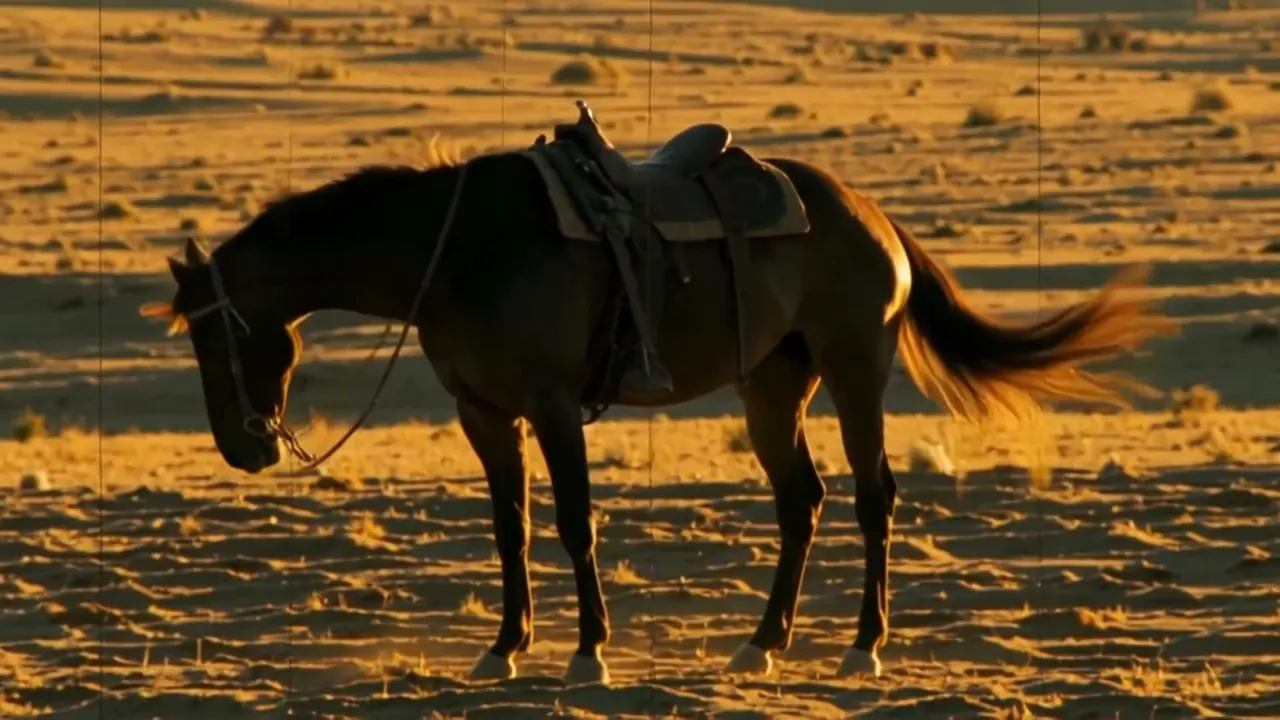
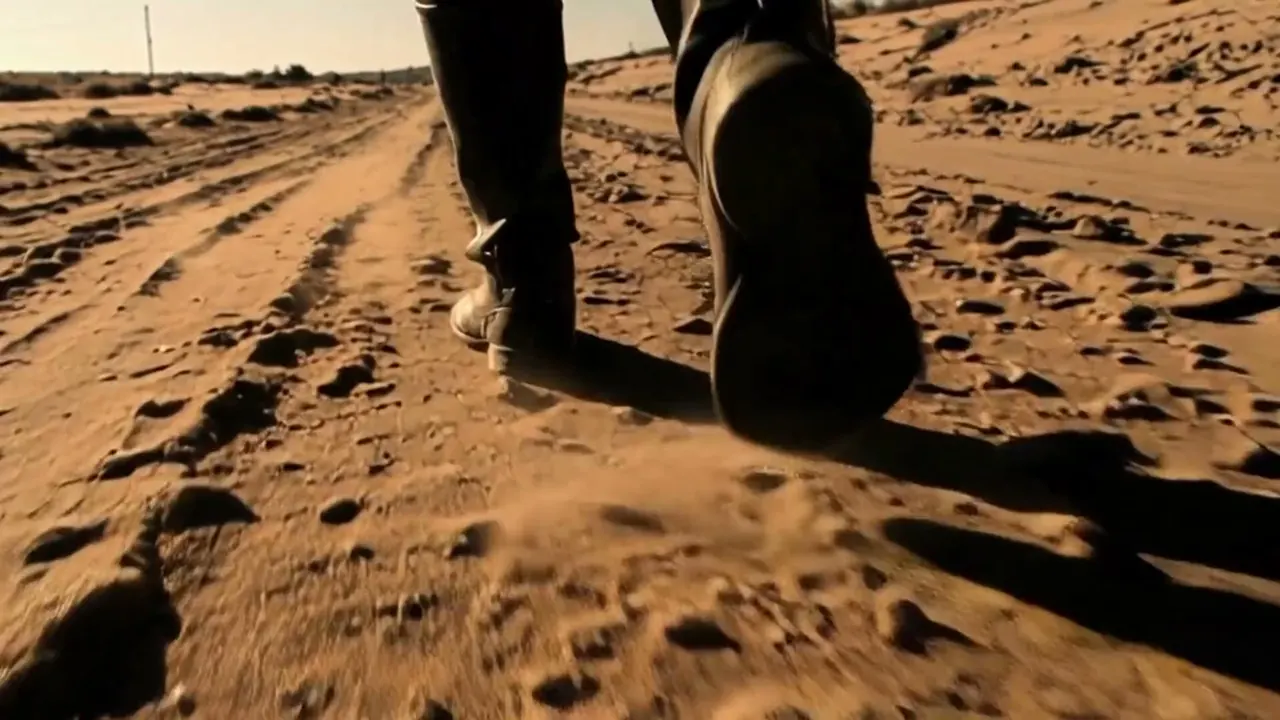
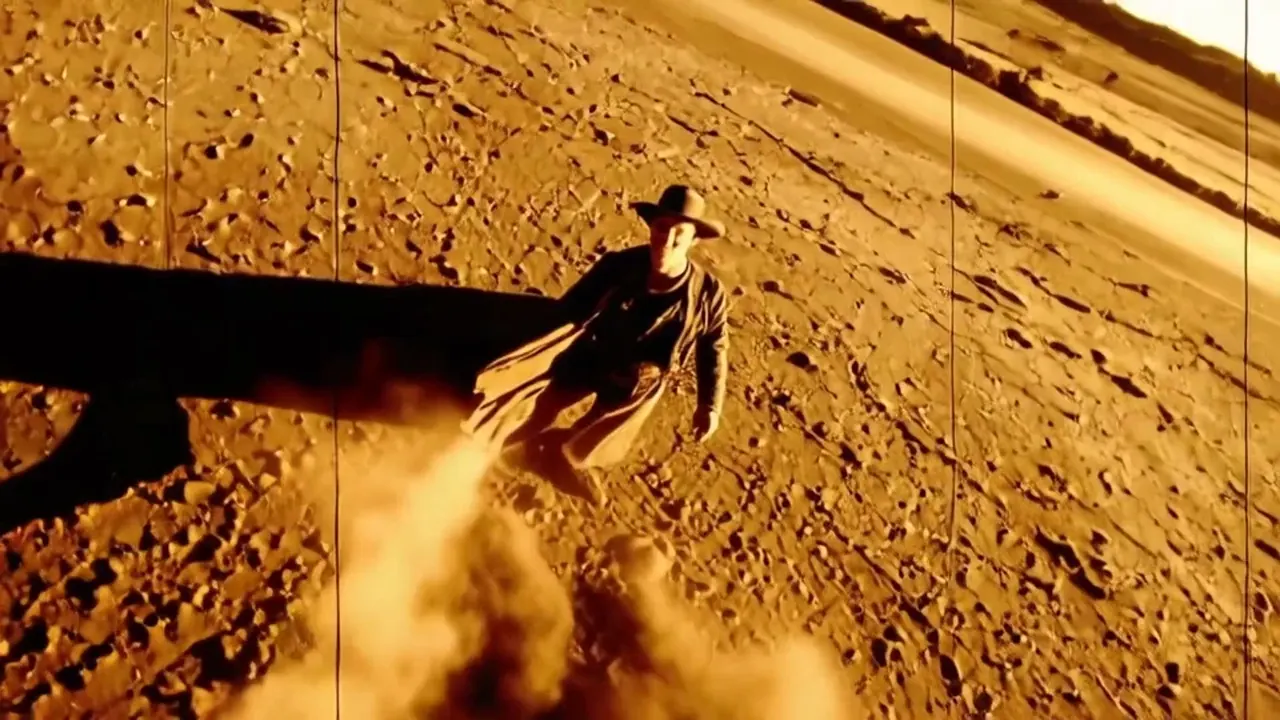
Fast Motion
- undercranking
The action runs faster than life without losing its continuity.
Opens a video model with the prompt in it. The price is on the page before you sign in.
What it is for
The action runs faster than it happened and keeps its continuity, so a long process becomes short without a cut. It also changes the tone. Speed reads as comic on a body and as clinical on a machine.
The audience never loses the thread, which is what separates it from a time-lapse. Every movement is still connected to the one before it.
How it works
The camera records fewer frames per second than the playback rate, which is called undercranking. Shoot 12 frames per second and play at 24 and the action runs at double speed. 8fps gives three times, 6fps gives four.
Each frame still gets a normal exposure, so the blur stays short and the motion reads crisp. That crispness is part of why fast motion looks mechanical.
The practical ceiling is about four to six times before a body stops reading as a body. Past that the movement turns into a blur of limbs and the shot becomes a time-lapse in everything but name.
When to use it
Use it to compress a task, to make a body look comic, or to push an action sequence past the speed it was performed at.
Skip it when the audience needs to read a face. Expression does not survive at double speed, and dialogue is unusable.
Told apart from its neighbours
A time-lapse holds the camera still and drops most of the frames, so the movement arrives as streaks and jumps. Fast motion keeps every movement continuous. If you can follow one person across the whole shot, it is fast motion.
The test is the gap. Time-lapse has hours between frames. Fast motion has fractions of a second.
On film
George Miller and his editor sped up a large share of the footage in Mad Max: Fury Road (2015), so the chases run faster than they were performed and stay legible frame by frame. Silent comedy worked the same way long before that: Charlie Chaplin undercranked the factory sequences in Modern Times (1936) to make the machinery outrun the man.
- Modern Times (1936)
- Mad Max: Fury Road (2015)
The prompt
Replace the blanks, keep the rest. Then run it on a video model.
fast motion of <subject>, action running at several times normal speed, movement continuous and smooth
What goes wrong
Bare fast motion lands somewhere arbitrary, often barely faster than life. Say the multiple: double speed, four times speed.
The other failure is a jump to a time-lapse, with the movement breaking into stutters. Ask for the motion to stay continuous and smooth.
Leave out
slow motion, normal speed
Watch for
Say how much faster. Bare fast motion lands somewhere arbitrary.
Questions
Shoot it
Pay for the one run. No subscription, and the price is on the model page before you sign in.
Next to it in faster or slower