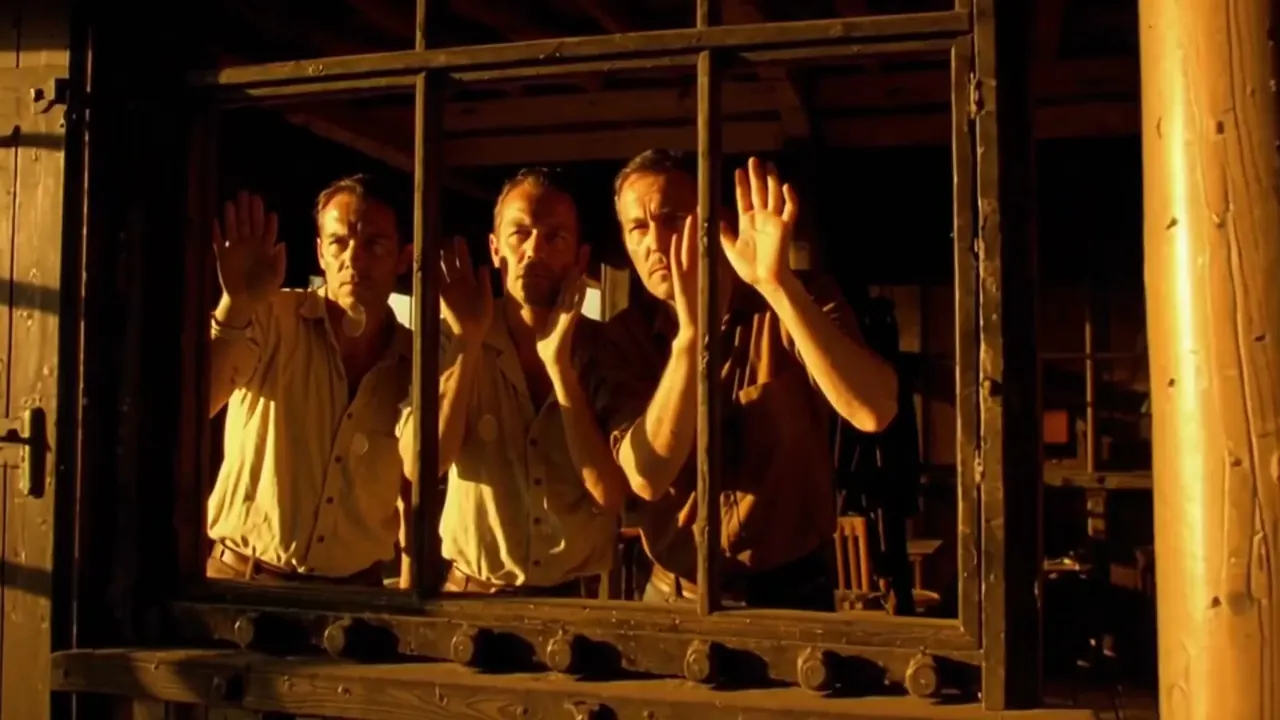
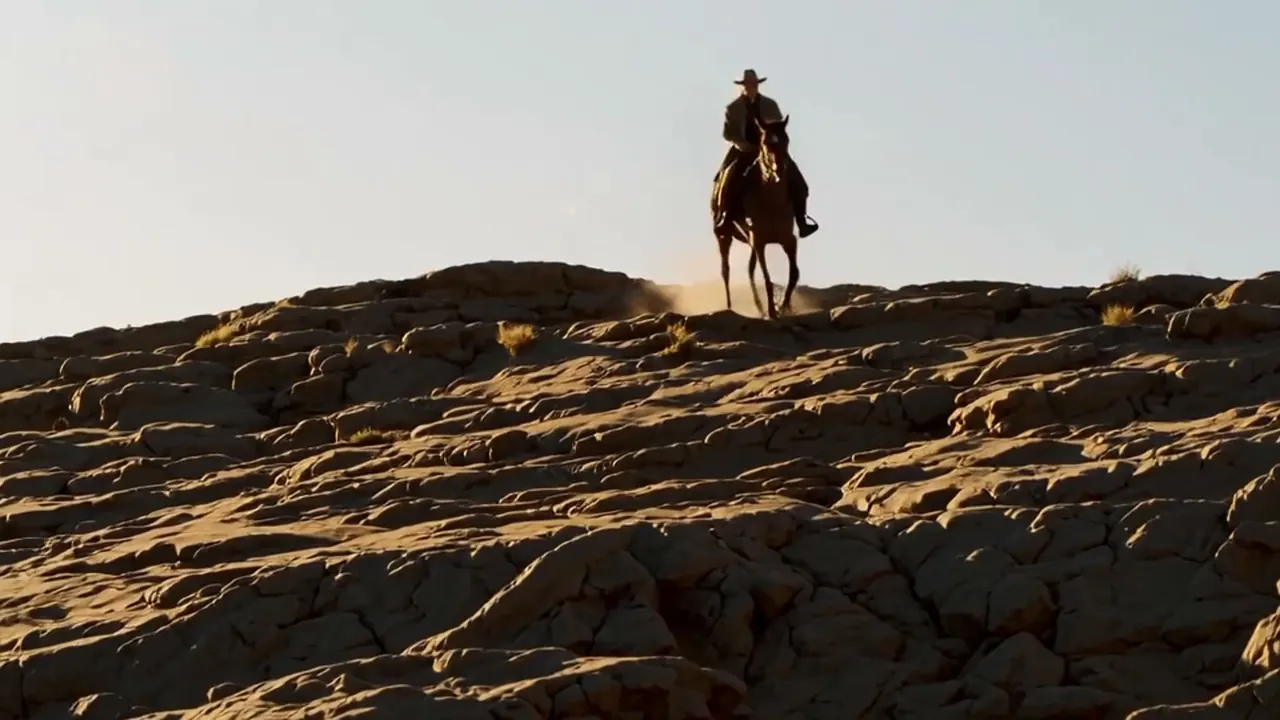
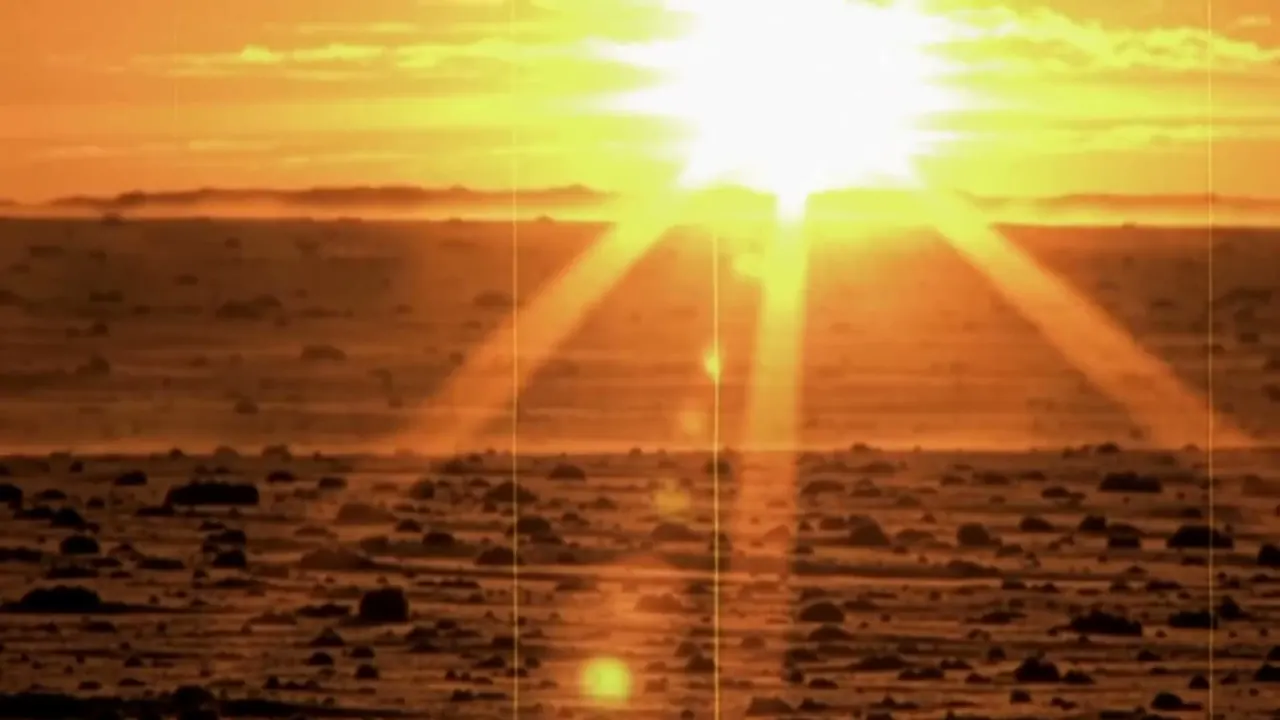
Stop Motion
- Frame-by-frame object animation
- Replacement animation
The movement is built one frame at a time, so it advances in small jumps.
Opens a video model with the prompt in it. The price is on the page before you sign in.
What it is for
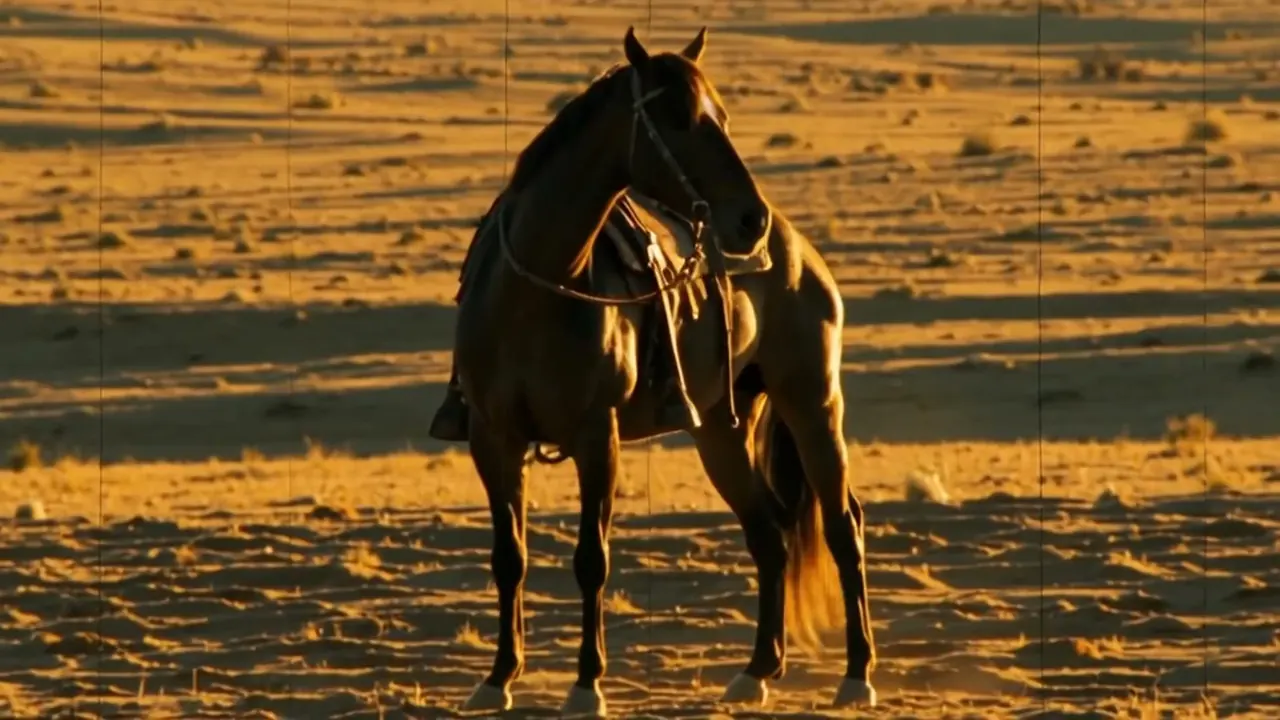
The movement is built one frame at a time, so it advances in small discrete jumps. Nothing in it was ever moving, which the eye notices even when it cannot say why.
That slight wrongness is the appeal. A stop motion creature feels physically present and not quite alive, and no amount of smoothing has ever replaced it.
How it works
A puppet or an object is moved a fraction, photographed, moved again. Twenty-four exposures make one second, and animators often shoot on twos, holding each pose for two frames, which halves the work and gives twelve distinct positions per second.
Every frame is a still of something standing still, so there is no motion blur anywhere. That absence is the signature. Industrial Light and Magic later built a variant called go motion, which moves the puppet slightly during the exposure to put some blur back.
Tiny inconsistencies survive into the footage: fingerprints in clay, a lamp that shifts, a seam that catches the light differently. Animators call it boil, and it is part of what the look means.
When to use it
Use it for creatures, for handmade worlds, and for anything that should feel physically built rather than rendered.
Avoid it where smooth motion matters. Fast action reads as a series of poses, and a stop motion running figure never quite runs.
Told apart from its neighbours
Step printing repeats frames of footage that was recorded continuously, and it smears. Stop motion never recorded continuous movement at all, and it has no blur to smear.
The test is the blur. Trails mean printing. Clean, crisp jumps with a handmade texture mean stop motion.
On film
Willis O'Brien animated the creatures of King Kong (1933) frame by frame, and Ray Harryhausen carried the method through to the skeleton fight in Jason and the Argonauts (1963), where each sword stroke is a separate exposure. Laika built Coraline (2009) the same way at feature length, with printed faces swapped between frames.
- King Kong (1933)
- Jason and the Argonauts (1963)
- Coraline (2009)
The prompt
Replace the blanks, keep the rest. Then run it on a video model.
stop motion animation of <subject>, movement advancing in small discrete jumps, handmade texture, slight frame to frame shift
What goes wrong
Models return smooth animation with motion blur, which is the opposite of the technique. Ban motion blur explicitly, because its absence is what makes stop motion read.
The second failure is a clean digital surface. Ask for a handmade texture and a slight shift between frames, so the material shows its own hand.
Leave out
smooth motion, motion blur
Watch for
Ban motion blur. Its absence is what makes stop motion read.
Questions
Shoot it
Pay for the one run. No subscription, and the price is on the model page before you sign in.