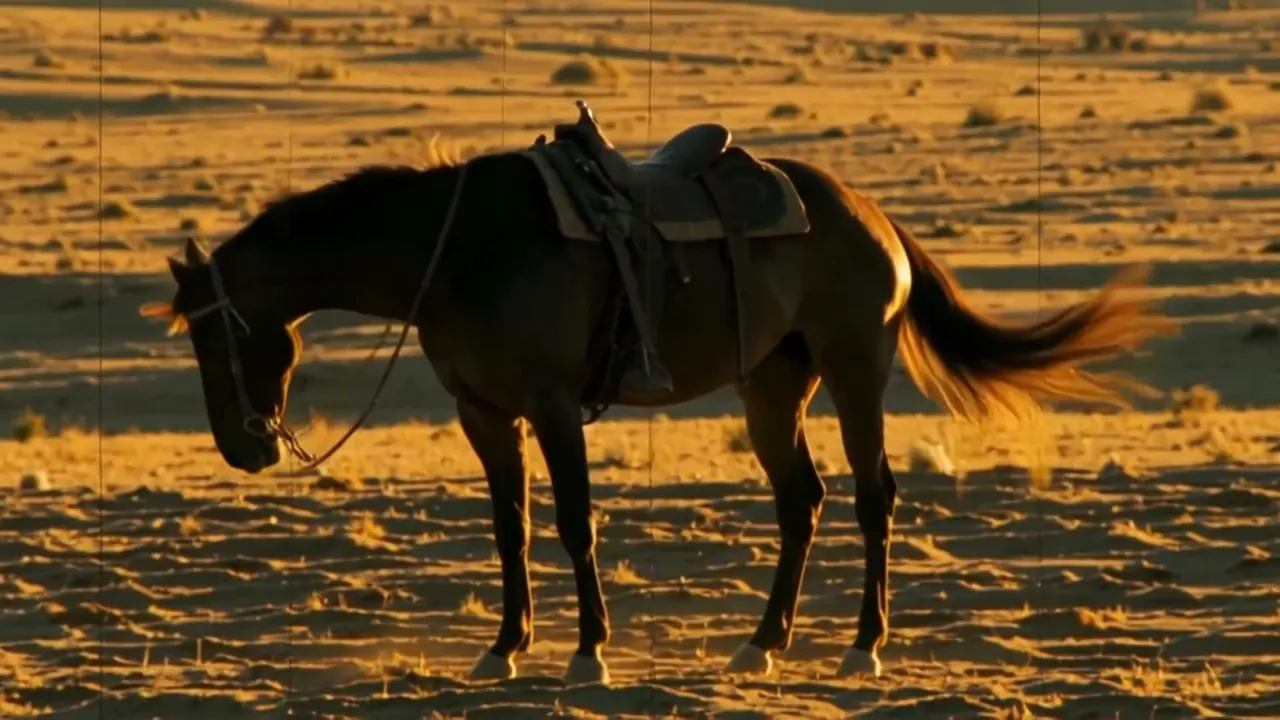
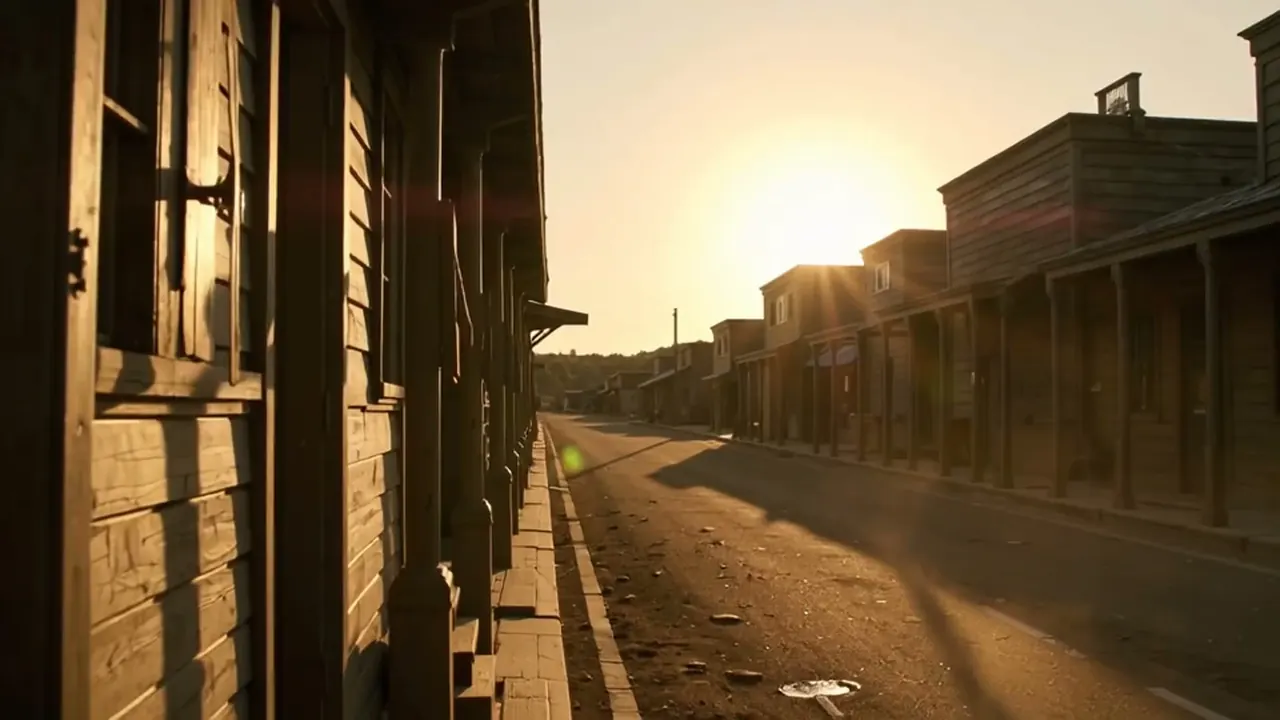
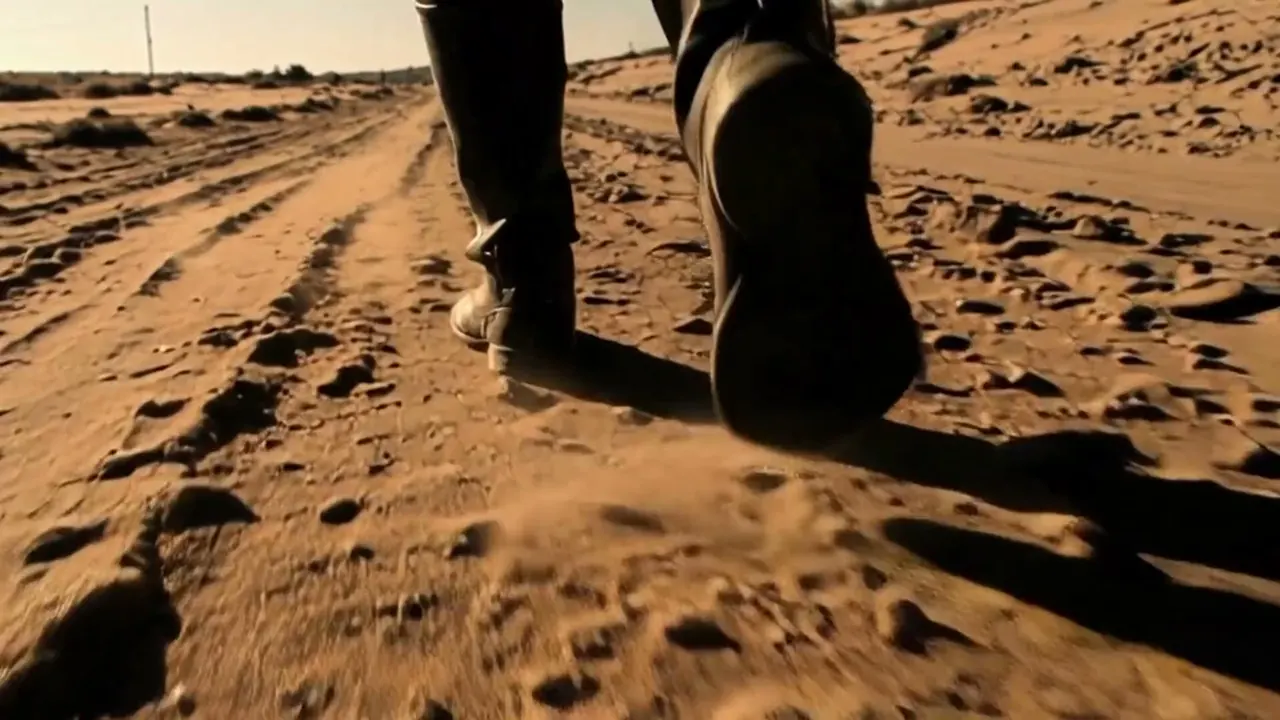
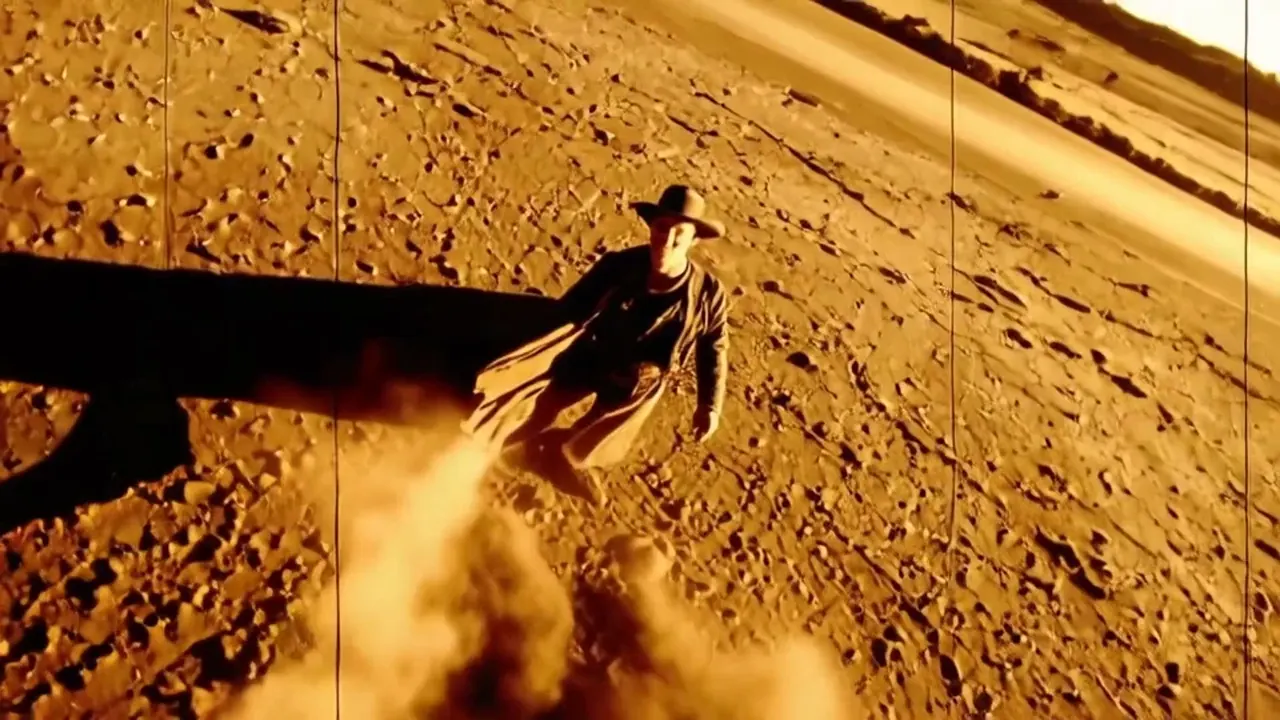
Low Shutter
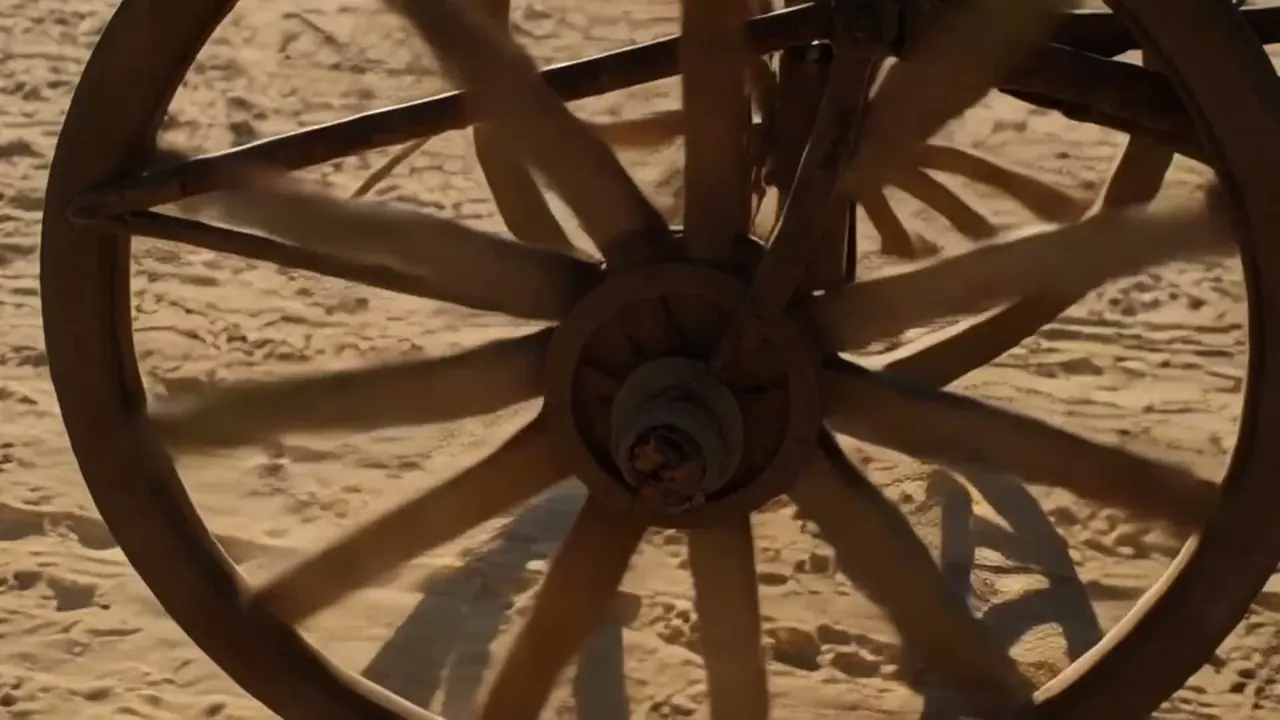
A long exposure smears every moving thing into a trail.
Opens a video model with the prompt in it. The price is on the page before you sign in.
What it is for
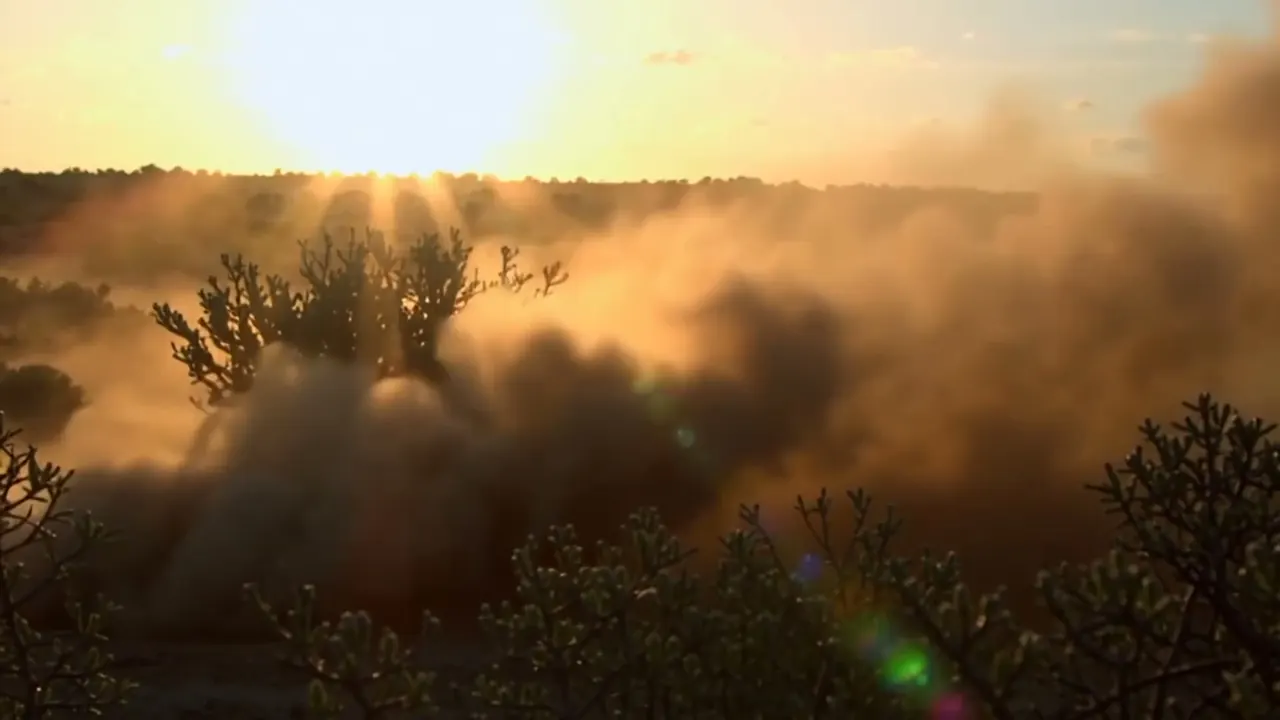
A long exposure holds each frame open while the world moves through it, so anything travelling smears into a trail. Lights become lines and a walking figure becomes a ghost.
It reads as altered perception. The shot stops describing where things are and starts describing where they have been, which is why it turns up on drug sequences, dreams and memory.
How it works
The shutter stays open for most or all of the frame. At 24 frames per second a 360 degree shutter exposes for one twenty-fourth of a second, twice the usual, and slower exposures than the frame rate build the smear across several frames.
Something in frame has to stay still. A wall, a lamp post, a seated figure. The trail only reads as a trail against a sharp reference, and a shot where everything smears reads as a mistake.
Long exposures let in more light, so the scene usually needs less of it, or a smaller aperture, to hold the same stop.
When to use it
Use it for night streets, for altered states, and for any moment where the audience should feel time pooling rather than passing.
Skip it when the audience needs to read an action. Nothing about a gesture survives a smear, and dialogue framed this way is unusable.
Told apart from its neighbours
Natural motion blur is a short streak that the eye accepts without noticing. A low shutter runs the exposure long enough that the streak becomes the subject.
The test is what the moving thing looks like. If you can still tell what it is, that is motion blur. If it has become a line, the shutter is low.
The prompt
Replace the blanks, keep the rest. Then run it on a video model.
low shutter speed on <subject>, moving elements smearing into trails, static elements staying sharp, dreamlike drag
What goes wrong
Models hand back crisp motion, because crisp is the safe default. Say low shutter speed, long exposure, and describe the trails.
The other failure is a frame where everything smears at once. Name the thing that stays sharp, such as the wall behind the subject or the light they are standing under.
Leave out
crisp motion, high shutter
Watch for
Keep something static in frame. The smear only reads against a sharp reference.
Questions
Shoot it
Pay for the one run. No subscription, and the price is on the model page before you sign in.
Next to it in faster or slower