Dolly Zoom Out
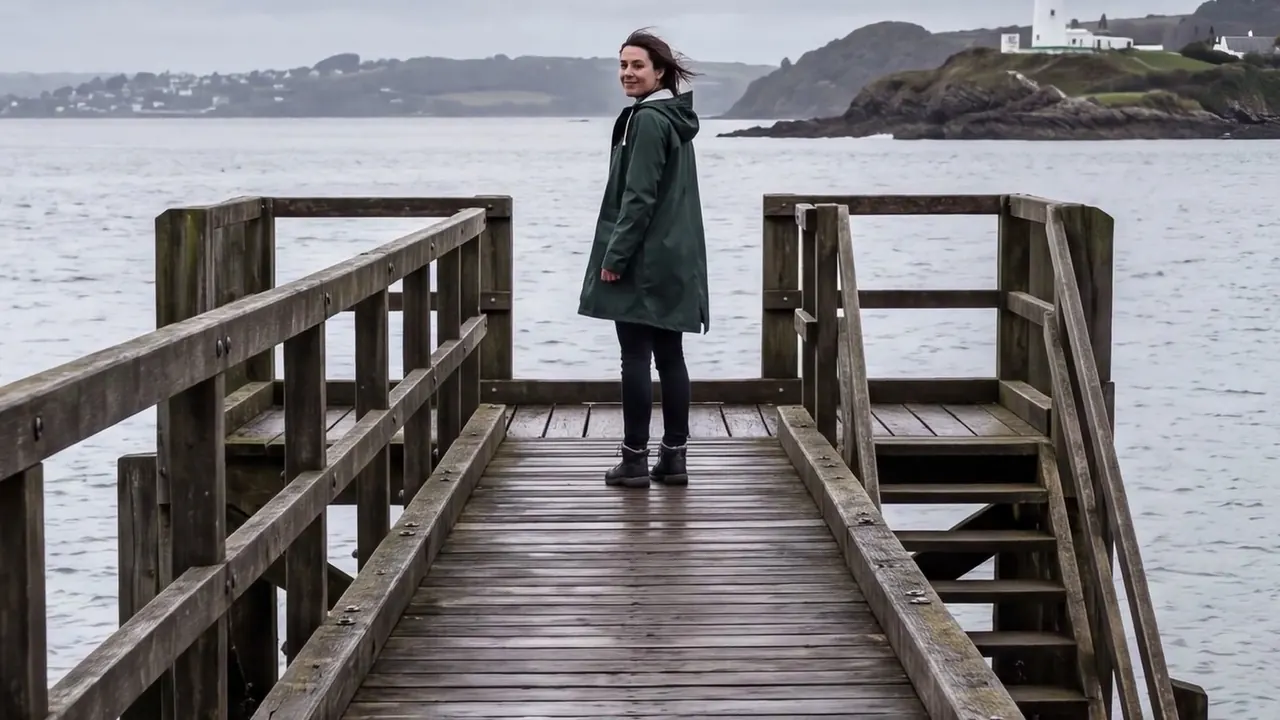
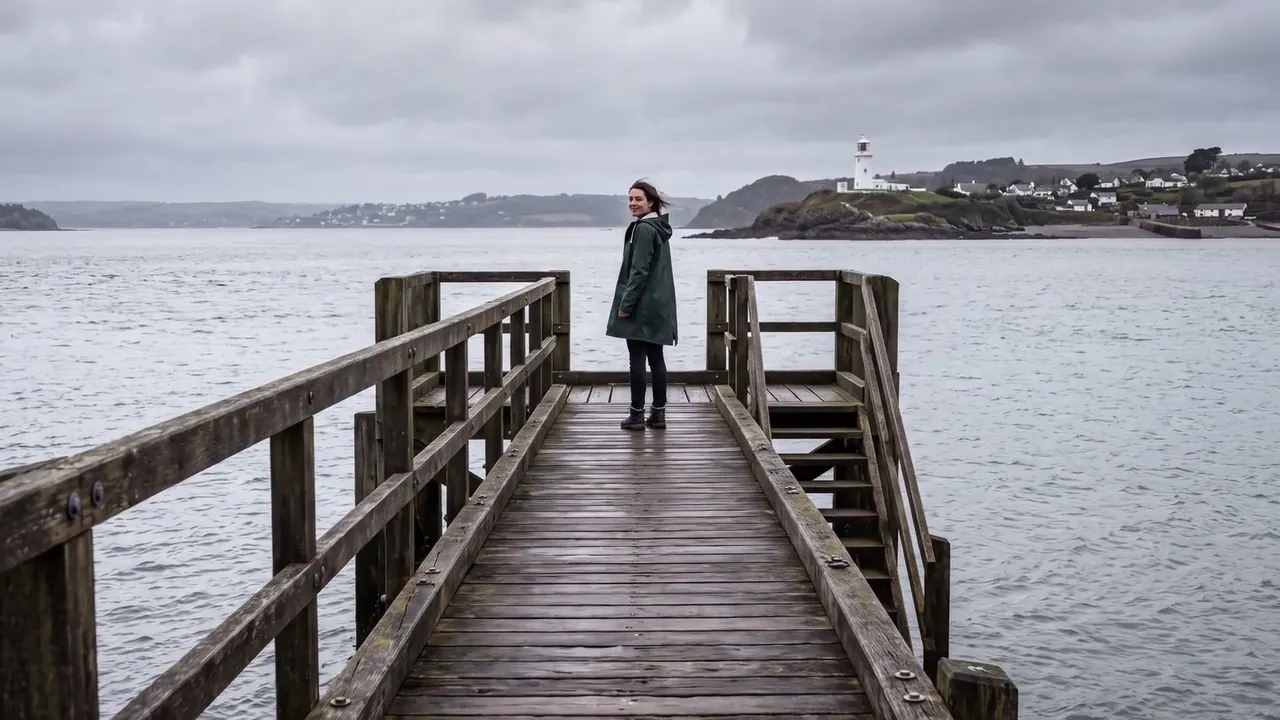
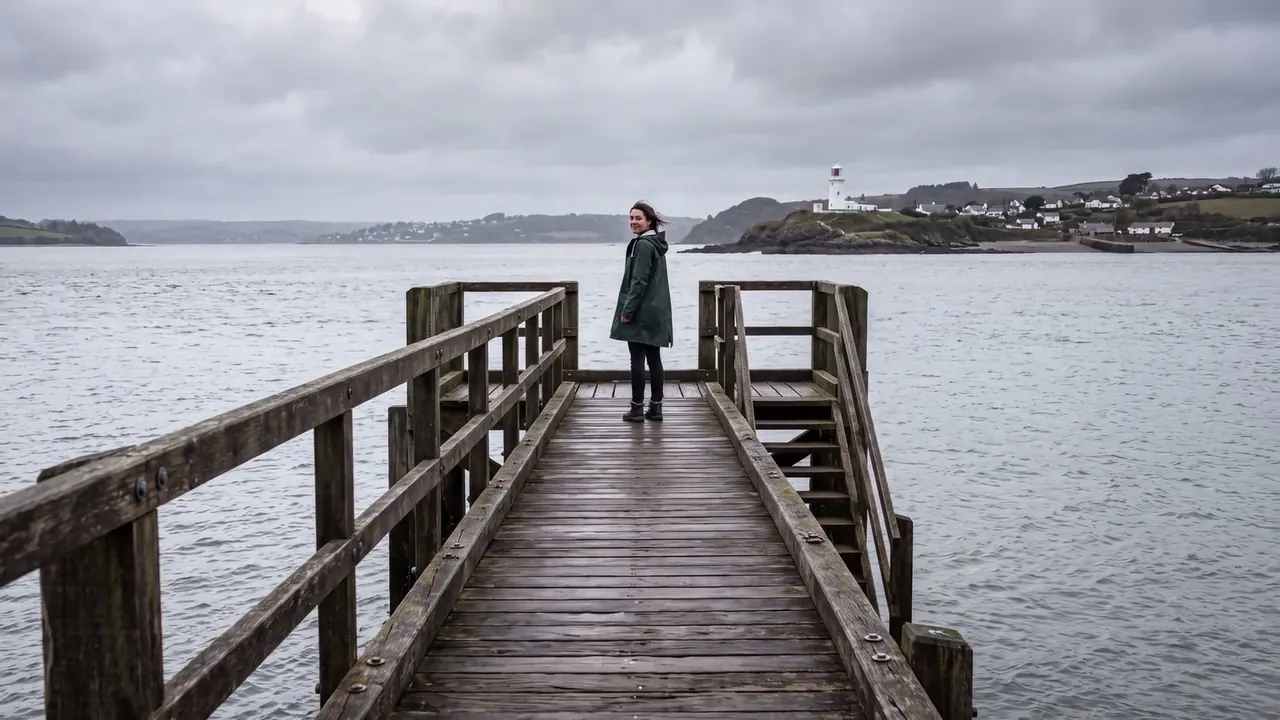
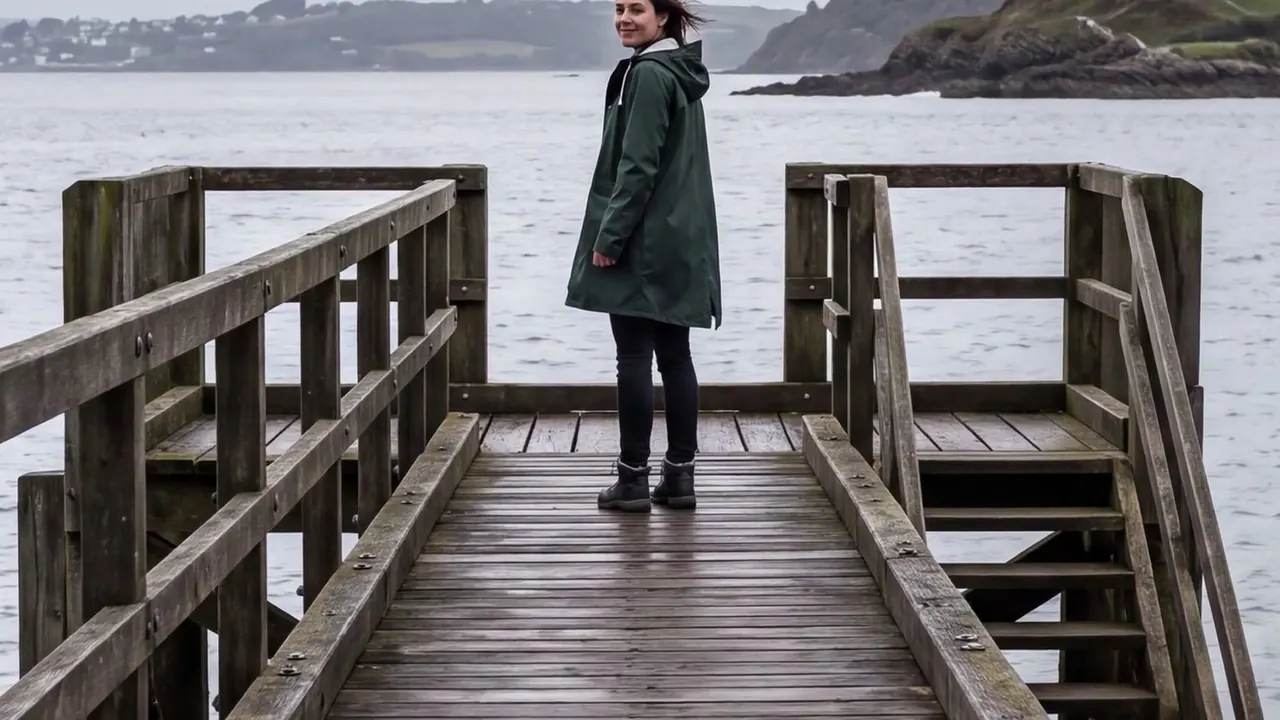
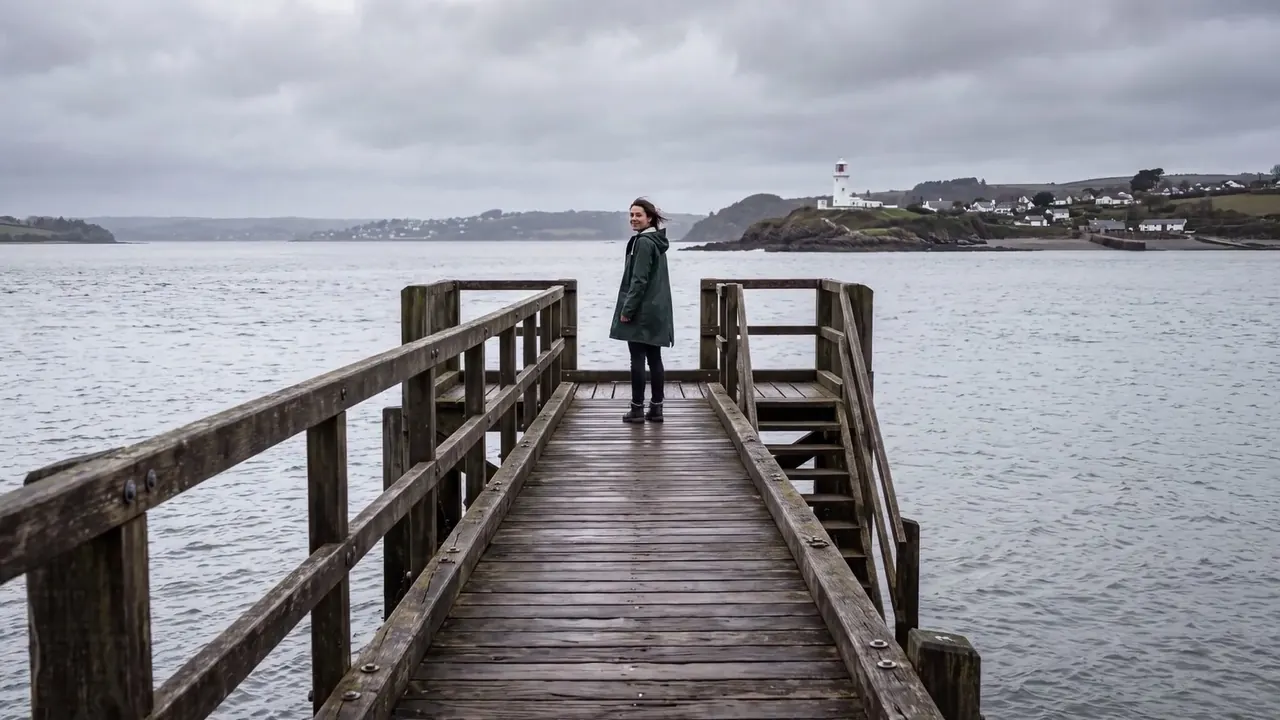
The camera moves back as the lens tightens, so the background closes in.
Opens a video model with the prompt in it. The price is on the page before you sign in.
What it is for
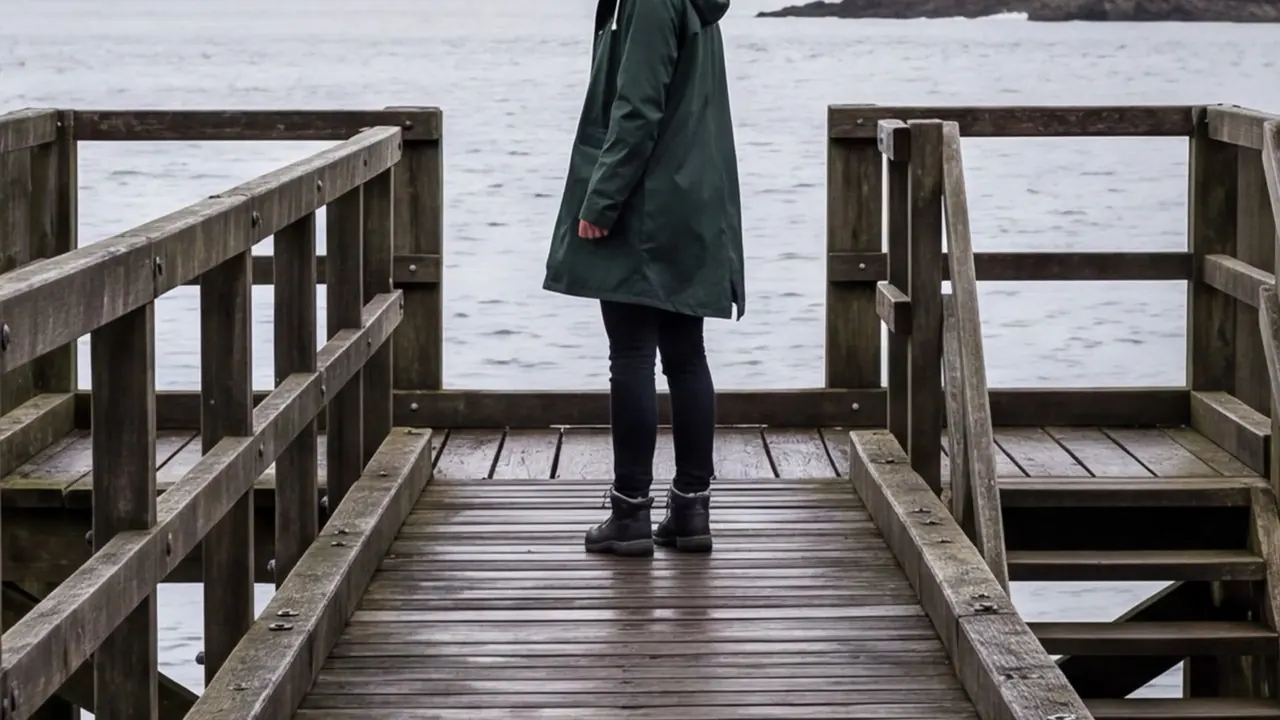
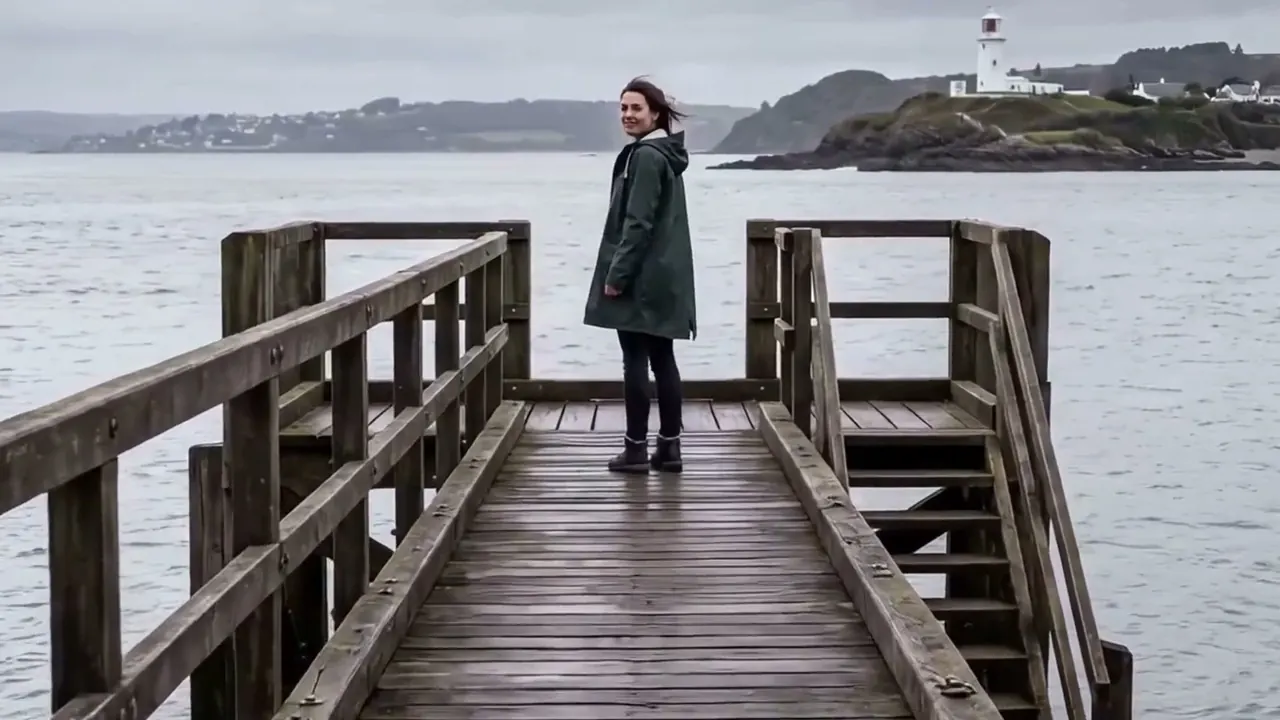
The camera pulls back while the lens tightens against it. The subject holds its size and the background closes in around them.
It reads as a trap shutting. Space disappears without anybody moving, which suits the moment a character understands they are cornered.
The subject is the only fixed thing in the picture. Everything else closes in on them, so the shot says the world is acting and the person is not.
How it works
The camera travels backwards while the focal length runs long, matched so the subject never changes size. A longer lens compresses depth, so the far wall appears to come forward and the room tightens.
This is the direction that removes space. Everything behind the subject stacks up and the background flattens into a wall of detail.
A deep background gives it the most to work with. A corridor, a street or a row of trees will read the effect far more clearly than an open field.
It needs real zoom range to register. Running from roughly 24mm to 70mm gives a visible compression, and anything shorter produces a warp nobody notices.
When to use it
Use it when a character is cornered, when a place turns hostile, and when the audience should feel the exits closing.
Avoid it when the beat is relief or escape. Compressing the background says the opposite.
Once per piece is the dose. The move draws attention to the camera, so using it twice turns a moment into a mannerism.
Told apart from its neighbours
A pull out moves the camera back and the subject gets smaller. A dolly zoom out holds the subject at one size and brings the background forward instead.
Its opposite is the real risk. A dolly zoom in opens the background out. This one closes it in. Name the background behaviour, because the camera direction alone does not identify the shot.
The prompt
Replace the blanks, keep the rest. Then run it on a video model.
dolly zoom out on <subject>, camera moves back while the lens tightens, subject same size, background compresses and closes in
What goes wrong
The subject shrinks, which means the zoom did not keep up with the travel. State that the subject holds exactly the same size throughout.
The second failure is a background that does nothing. Write that it compresses and closes in, and give the model a deep background to do it with.
A third problem is a subject who walks. Ask them to hold position, because any movement toward or away from the lens breaks the size match.
A fourth problem is a background too close to start with. The compression needs somewhere to travel from, so put real distance behind the subject before the move begins.
Leave out
plain dolly out, plain zoom
Watch for
Name the background behaviour. That is the only visible difference from its opposite.
Questions
Shoot it
Pay for the one run. No subscription, and the price is on the model page before you sign in.
Next to it in zooms