Slow Zoom Out
The lens widens so slowly that the setting arrives quietly.
Opens a video model with the prompt in it. The price is on the page before you sign in.
What it is for
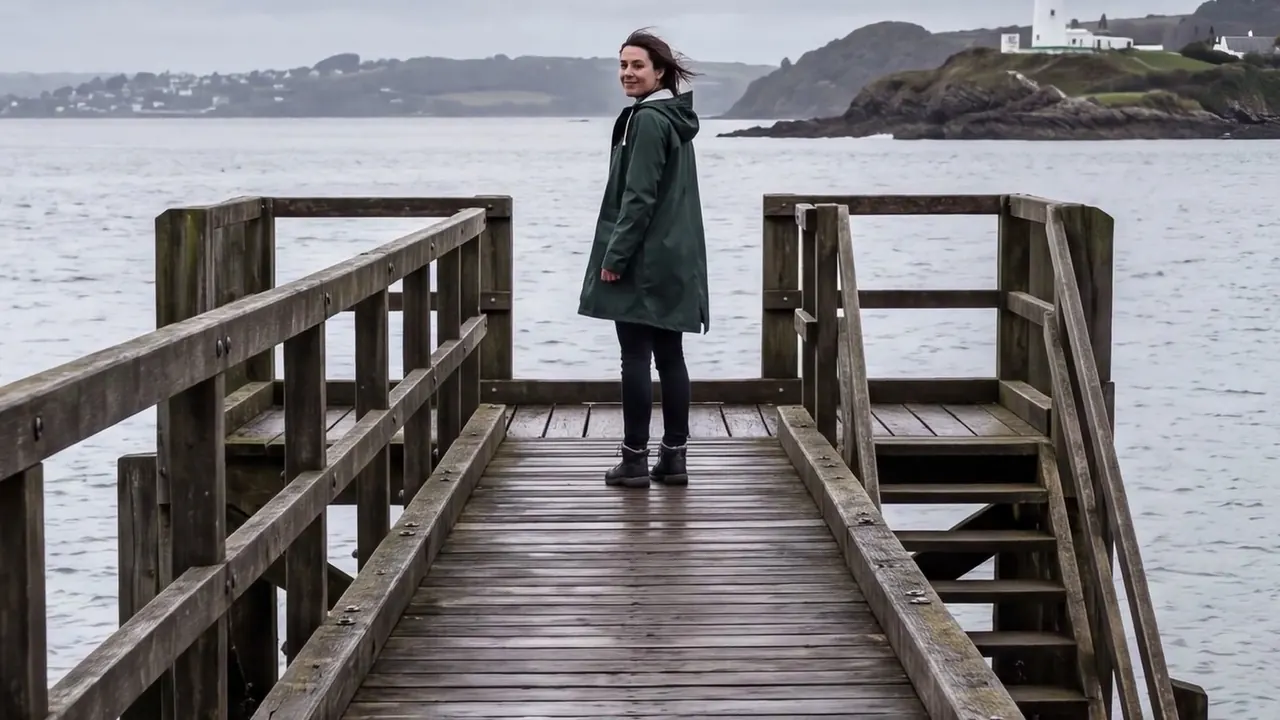
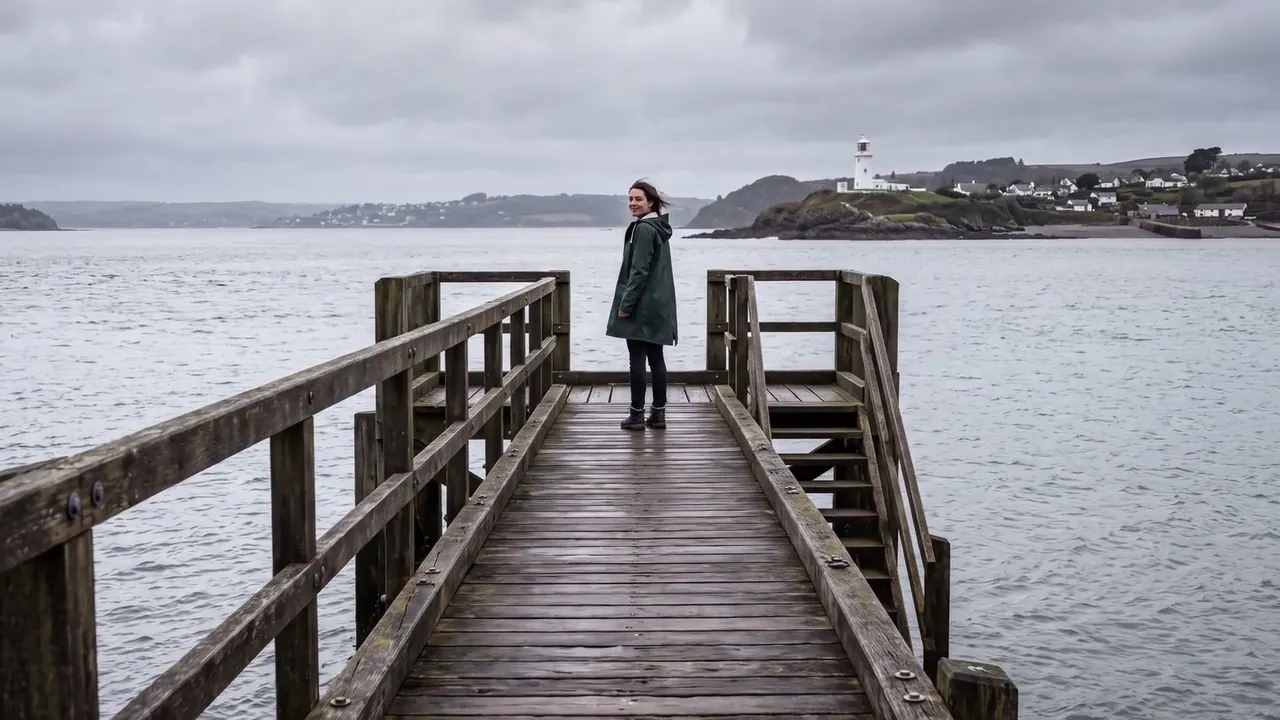
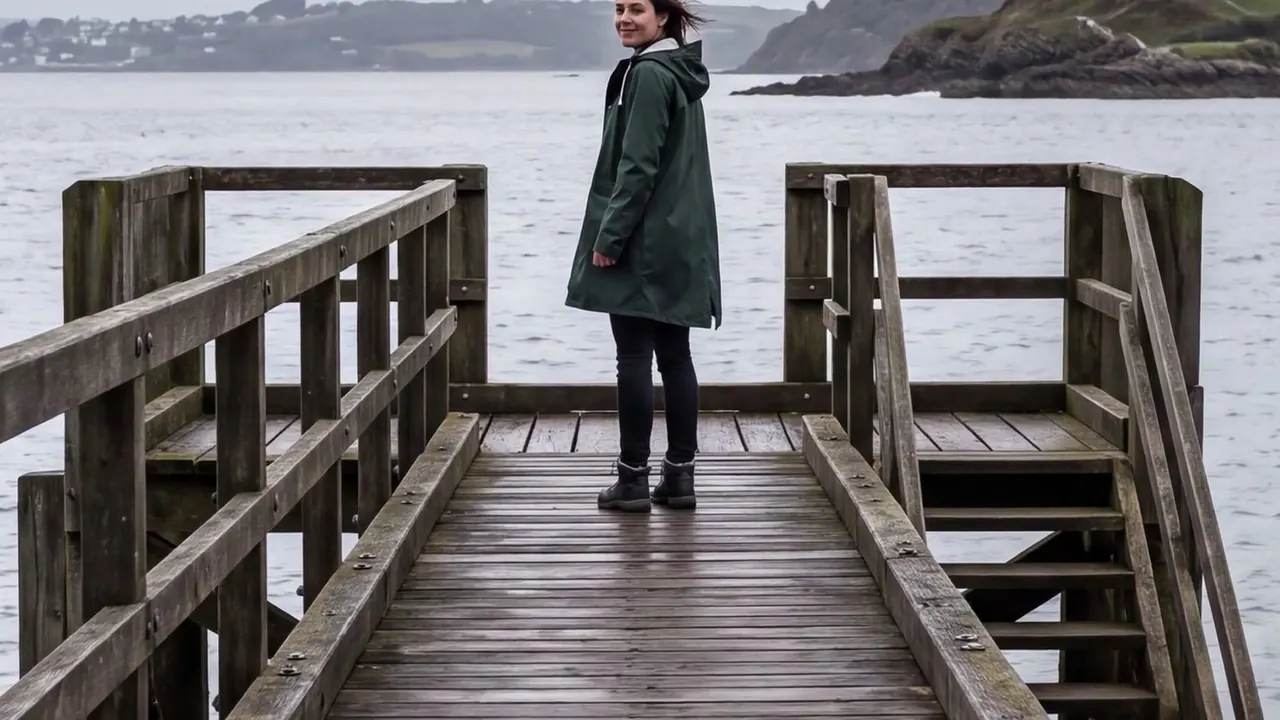
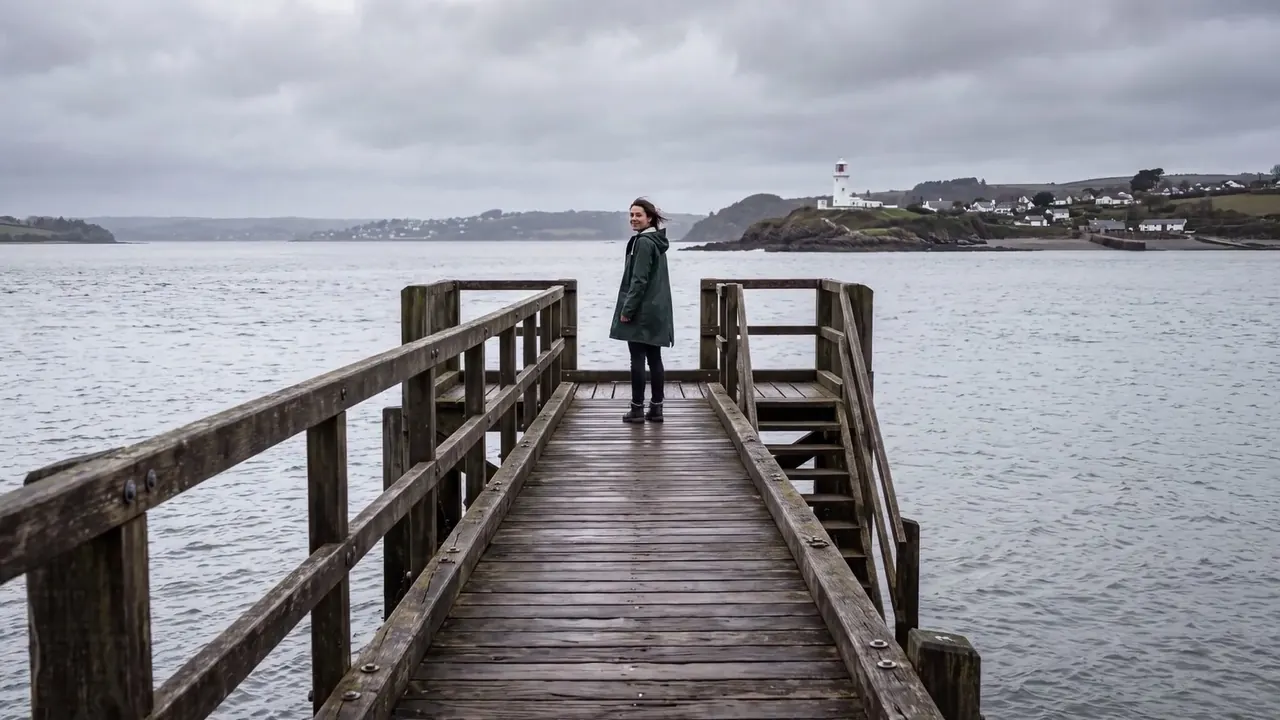
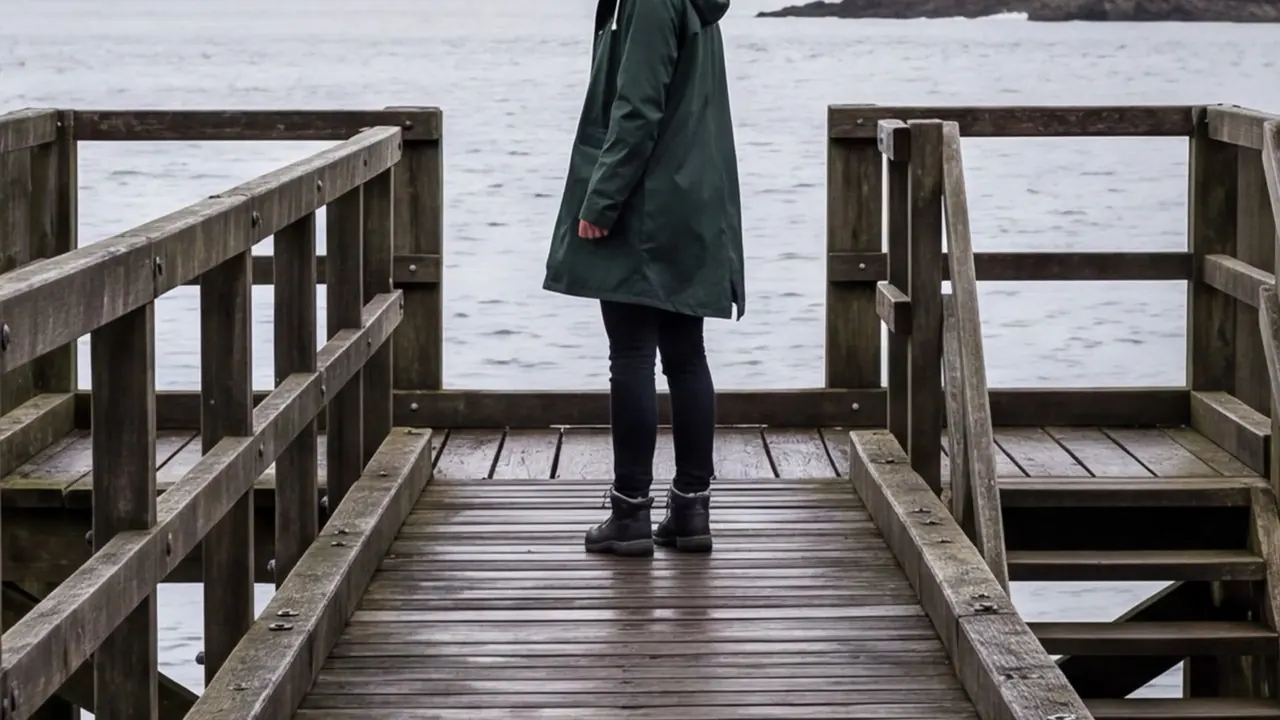
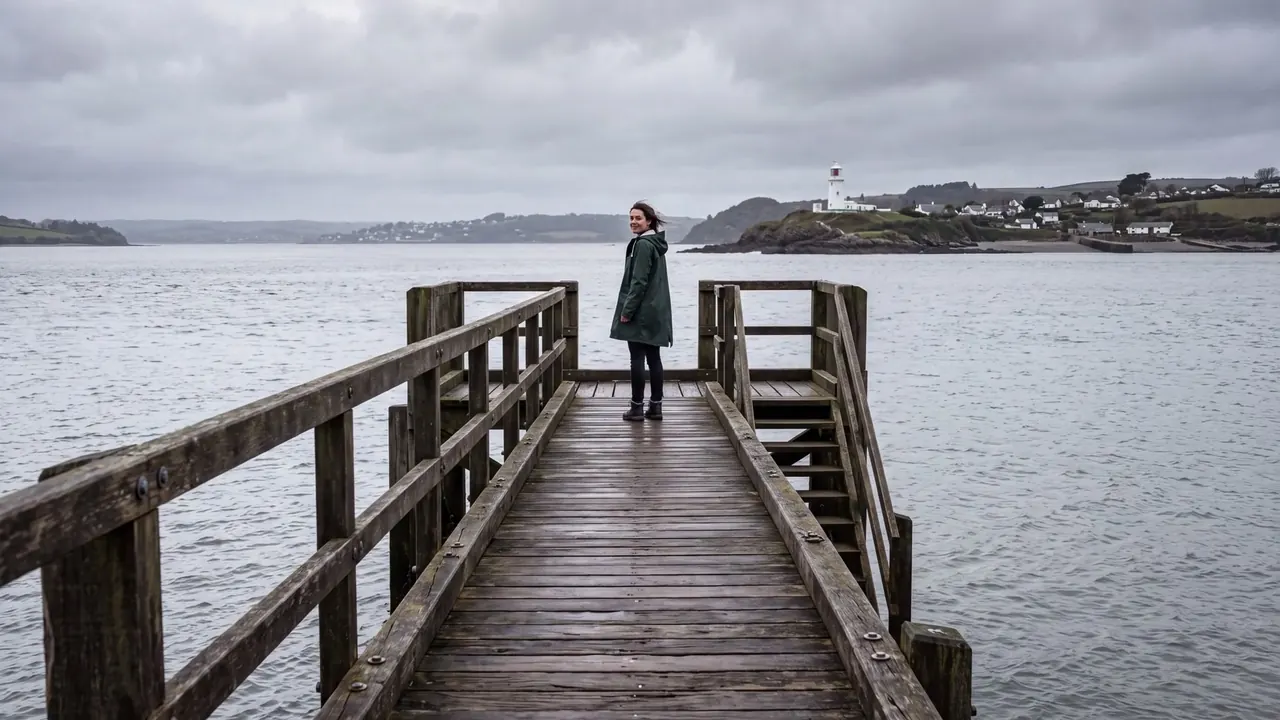
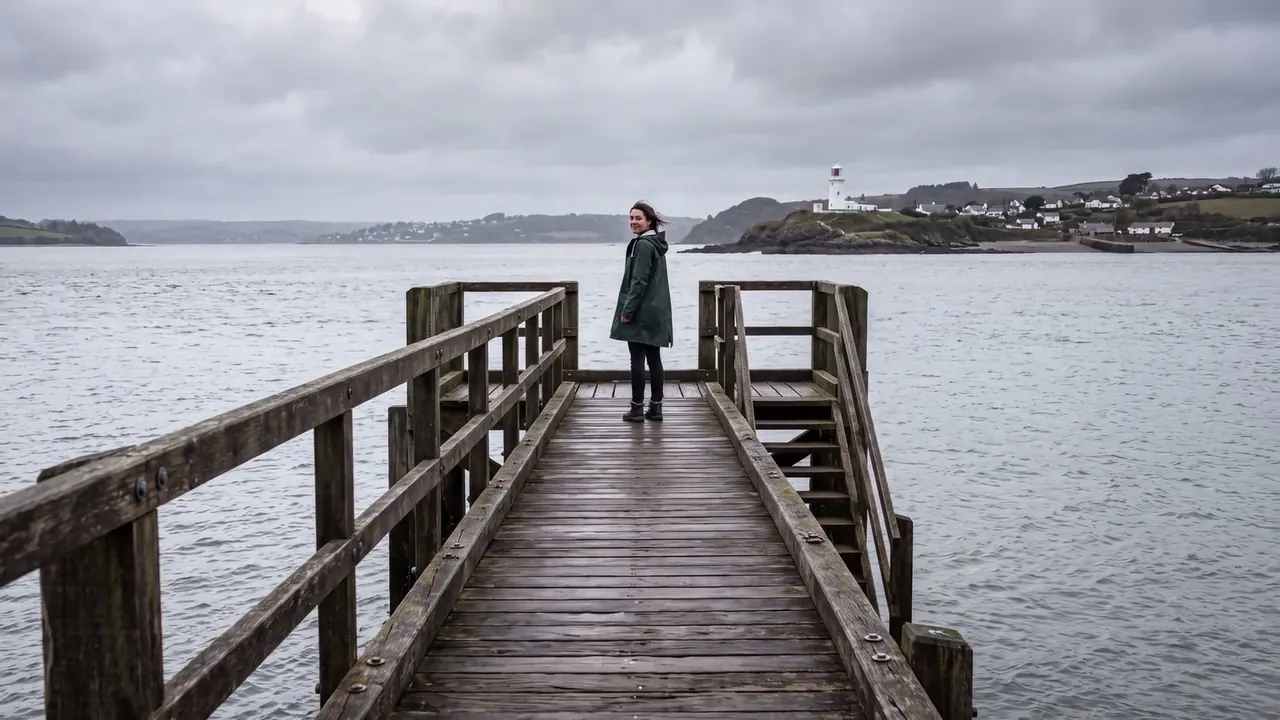
The frame opens so gradually that the setting arrives without an announcement. A detail becomes a person, then a person in a place.
It changes the meaning of what came first. The audience commits to a small frame, and the widening reveals the context they were missing.
How it works
The lens runs from long to wide across the length of the shot, slowly enough that no single second looks like movement. The start frame is usually a face or an object, and the end frame is the composition the shot was really about.
It has a natural end and needs one. Pick the wide frame first, since a creep that runs past its composition reads as a mistake.
Long lenses at the start mean a compressed background, which then opens out as the lens widens. That change in perspective is half of what the audience feels.
When to use it
Use it to end a scene, to reveal that somebody is not alone, and to move a shot from private to public without a cut.
Skip it when the wide frame is the information the audience needs immediately. A slow reveal of something urgent wastes the urgency.
It suits the end of a long take. A scene that has played tight for a minute can be released by widening rather than cutting, and the audience feels the scene finish.
Told apart from its neighbours
A dolly out pulls the camera back, so objects at the edge of frame sweep past and the space feels travelled. A slow zoom out stays put and lets the walls arrive flat.
Watch the foreground. A dolly out brings new objects into the near corners with real parallax. A zoom out simply includes more of what was already there.
On film
Stanley Kubrick built Barry Lyndon (1975) around slow zooms that start on a detail and open into a landscape or a painted interior. The move turns each scene into a composition the characters are placed inside, which is the point the film keeps making about their lives.
- Barry Lyndon (1975)
The prompt
Replace the blanks, keep the rest. Then run it on a video model.
very slow zoom out from <subject>, barely perceptible, frame opening over the whole shot
What goes wrong
The speed comes back visible. Write barely perceptible, and say the frame opens across the whole shot rather than in the first moment.
The other failure is an end frame full of nothing. Name what the wide composition contains, or the reveal lands on empty sky and the shot has no payoff.
A third problem is a zoom that starts too wide. The move only reads if the first frame is tight enough that the opening is a change, so name the start size as well as the end.
Leave out
dolly back, fast zoom
Watch for
Say barely perceptible. Models default to a speed you can see.
Questions
Shoot it
Pay for the one run. No subscription, and the price is on the model page before you sign in.
Next to it in zooms