Aerial Push In
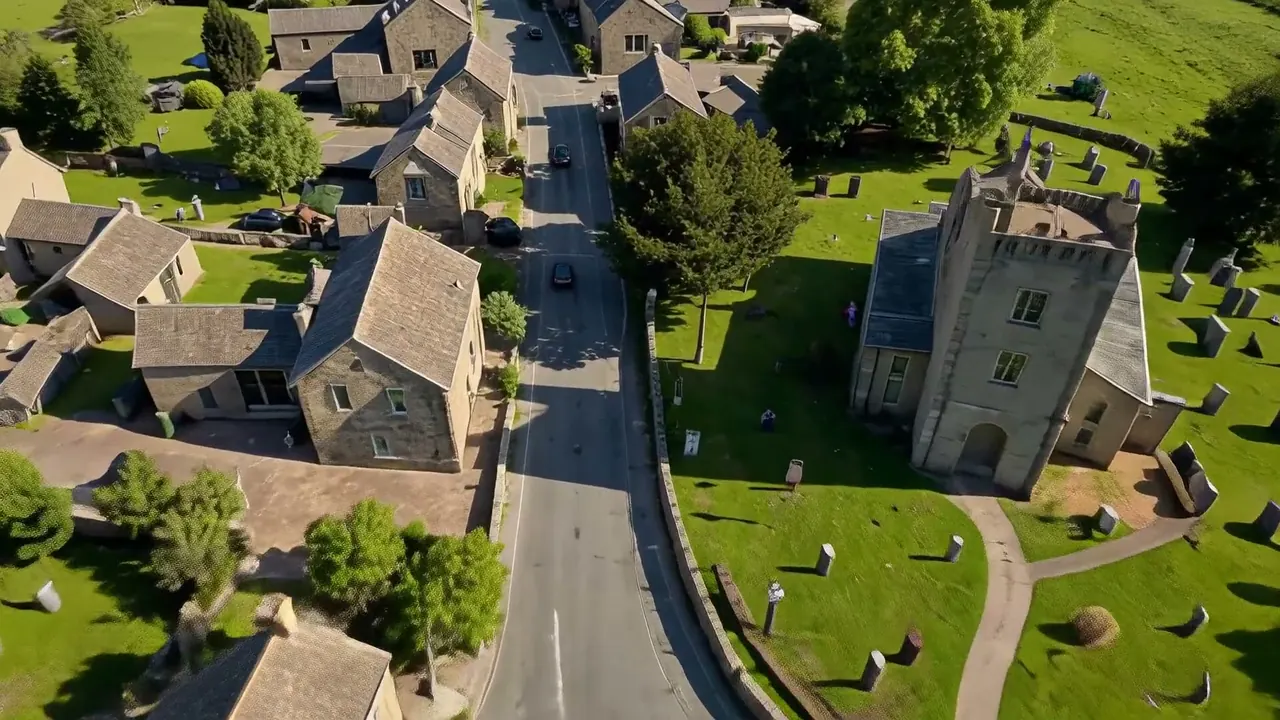
The camera descends and advances toward a subject on the ground.
Opens a video model with the prompt in it. The price is on the page before you sign in.
What it is for
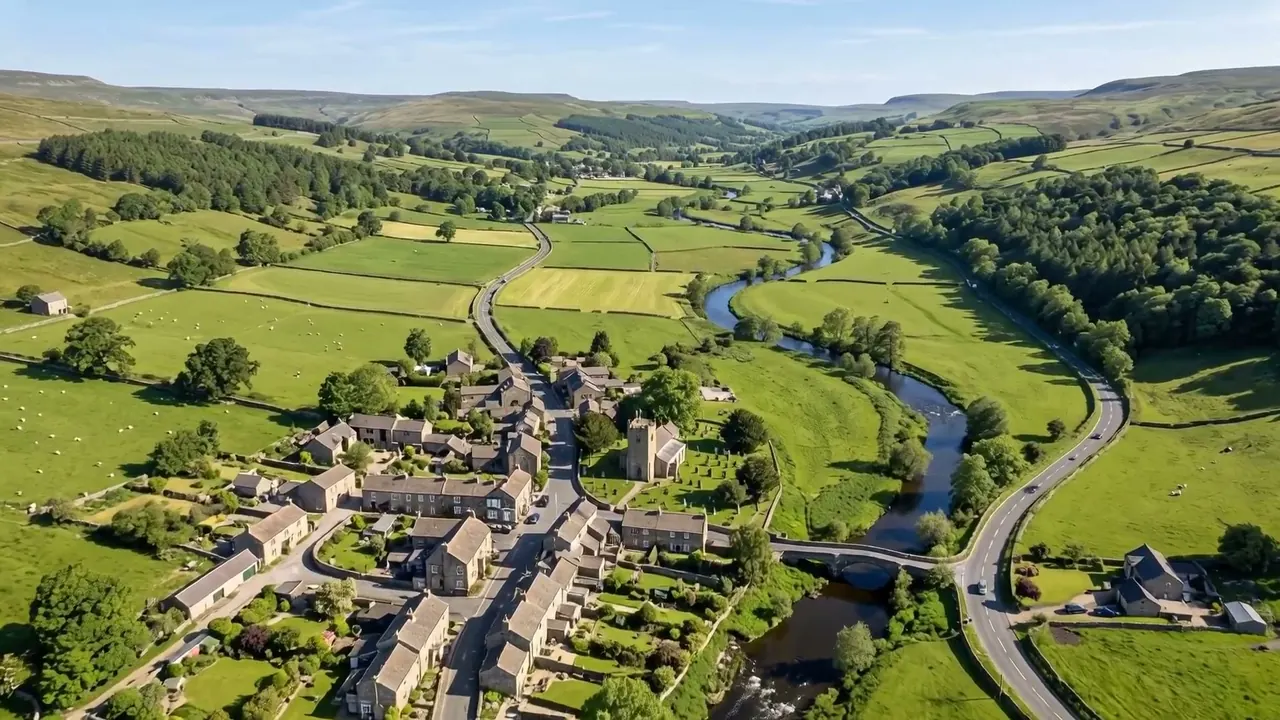
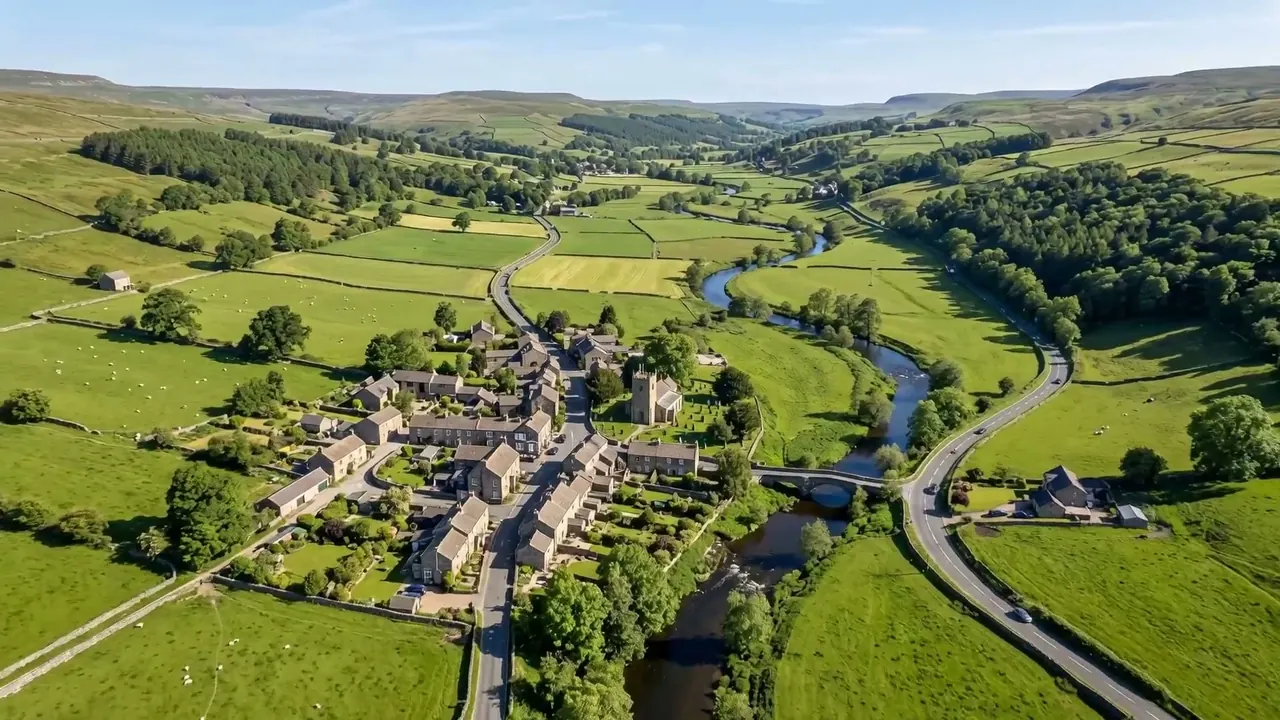
The camera comes down out of the sky and closes on something specific. A wide view narrows into a subject, and the audience is delivered to it.
It is a way into a scene. The place is established and the scene begins without a cut, so the geography is never in question.
It also settles a question before the scene starts. The audience sees where the place sits in the landscape, then sees who is in it, in one continuous move.
How it works
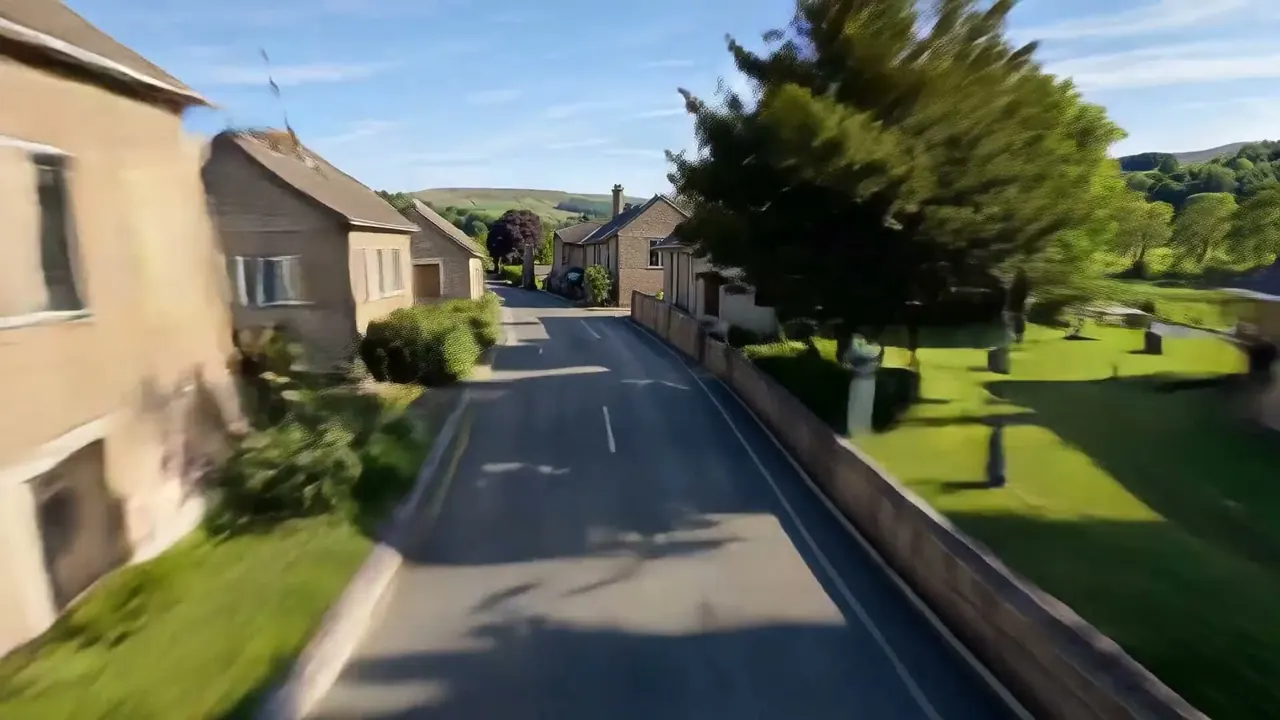
The camera loses height and gains ground at the same time, so the path is a diagonal rather than a drop. Detail resolves as it descends, and the subject grows from a mark into a person.
The landing frame is the decision. Pick the height and the size the move ends on, then fly to it, because the descent has no natural stopping point of its own.
The speed usually eases at the end. A descent that keeps its pace to the last frame reads as a machine rather than a camera arriving somewhere.
The angle of the descent matters. A shallow approach covers ground and arrives gently, and a steep one arrives fast and reads as a dive.
When to use it
Use it to open a scene on a specific person or building, and to connect a wide establishing idea to the action without cutting.
Avoid it when the audience already knows the place. A second descent into the same location is a long way to travel for nothing new.
It also suits a piece with several locations. Each scene can open the same way, and the repetition becomes a structure the audience learns to read.
Told apart from its neighbours
A crane down drops the camera on a fixed arm, so the move has a short reach and stays inside the geography of a set. An aerial push starts in open air and covers real distance before it arrives.
Look at where the move begins. A crane starts a few metres up. An aerial push starts high enough that the ground reads as landscape.
The prompt
Replace the blanks, keep the rest. Then run it on a video model.
aerial push toward <subject>, camera descends and advances, ground detail resolves as it closes
What goes wrong
The descent overshoots and the subject passes out of frame. Name the landing frame: the height it stops at and how large the subject is when it does.
The second failure is a straight drop. Say the camera descends and advances together, or the shot becomes a lift going down.
A third problem is a subject too small at the end. Say how much of the frame they fill when the move stops, or the descent finishes while they are still a mark.
A fourth problem is a descent with no ground detail. Ask for the texture to resolve as it closes, since the arrival reads through the detail rather than through the size.
Leave out
pull back, rise
Watch for
Name the landing frame. Otherwise the descent passes the subject and keeps going.
Questions
Shoot it
Pay for the one run. No subscription, and the price is on the model page before you sign in.
Next to it in flying