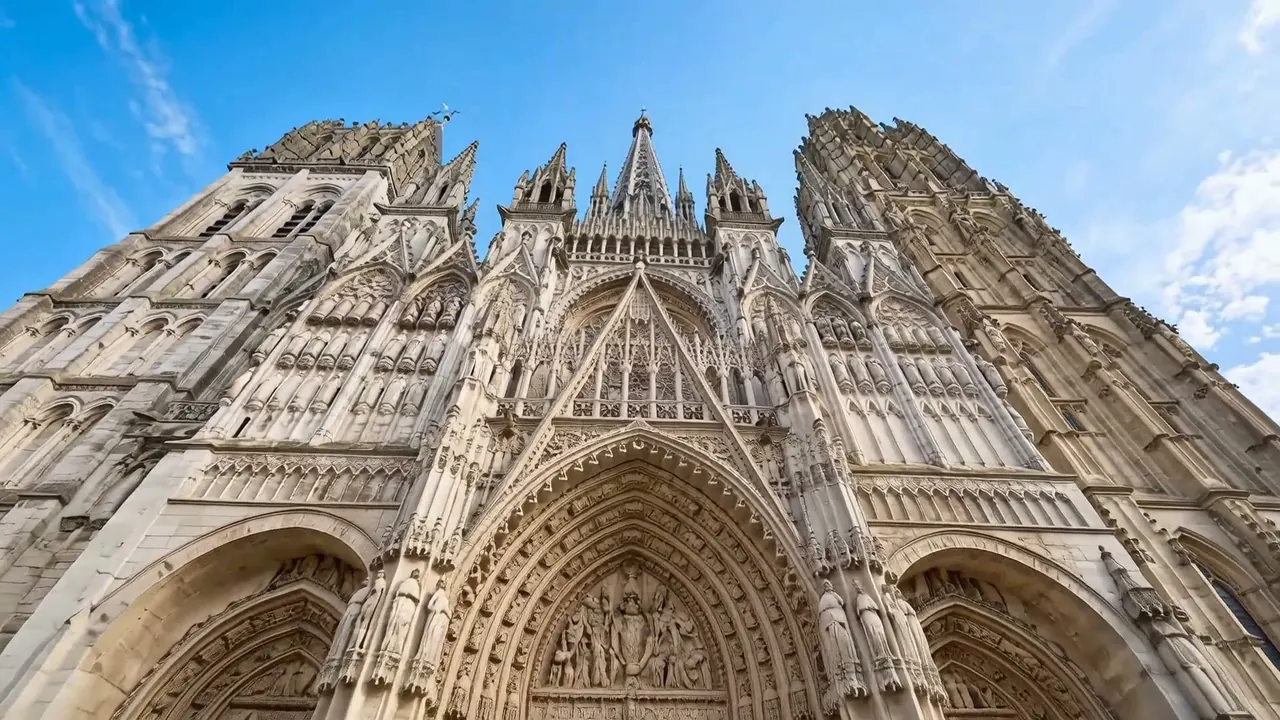
Dutch Roll
- continuous roll
- horizon roll
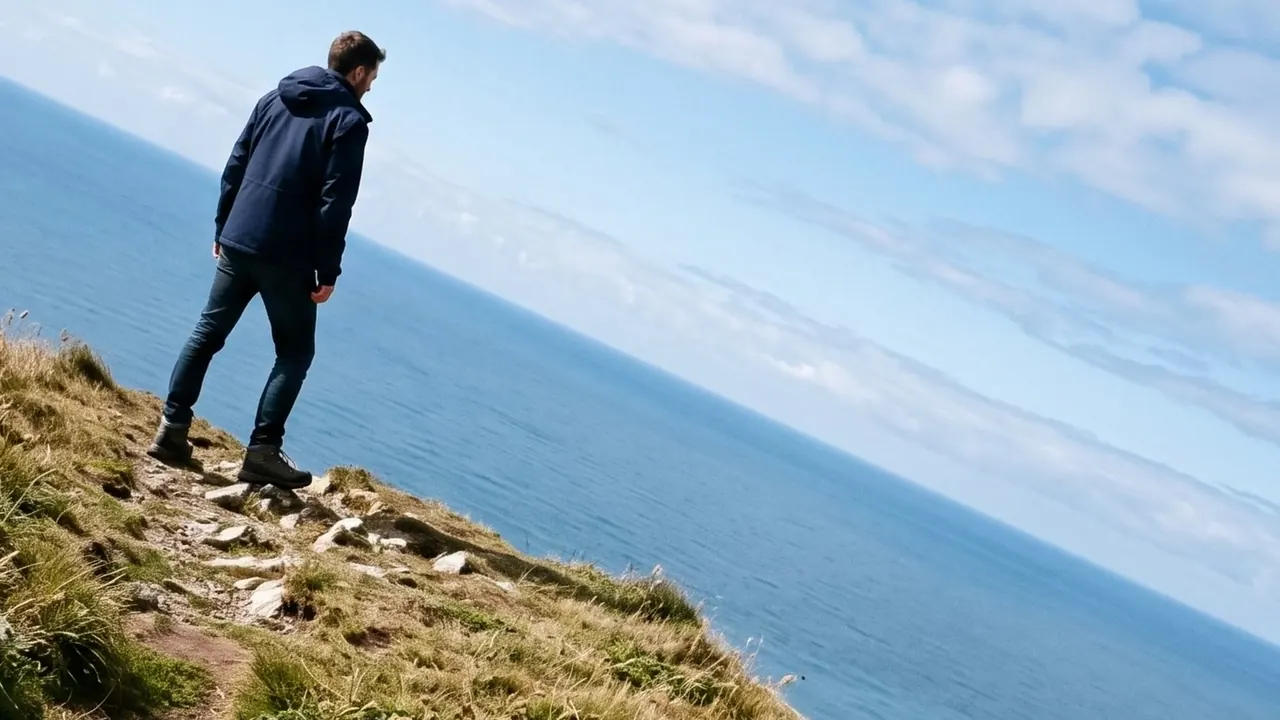
The camera tilts off level during the shot, so the horizon leans as you watch.
Opens a video model with the prompt in it. The price is on the page before you sign in.
What it is for
The frame starts level and goes off level while the audience watches. Because the tilt arrives during the shot, it reads as something going wrong in the moment rather than as a style applied to it.
A fixed cant announces itself at the cut and then stops being noticed. A roll that keeps going never settles, which is why it works for a character losing their footing.
How it works
The camera rolls on the lens axis during the take, usually slowly and usually without stopping. Five or ten degrees is often enough, and past about thirty the shot stops reading as unease and starts reading as a stunt.
Direction carries a little meaning on its own, though the effect is mostly in the fact of the movement. What matters more is that the move is continuous and never resolves.
A strong horizontal in frame is what makes it visible. A horizon, a doorway, a tabletop. Without one, a rolling frame can go unnoticed.
When to use it
Use it as a scene turns, on a drug or a fever, and when a character realises they have been lied to.
Do not use it everywhere. The effect depends on the level frames around it, and a film that is always canted has nothing left to cant.
Told apart from its neighbours
A dutch angle is fixed. The shot starts canted, stays canted and the audience adjusts within a second. A dutch roll moves into the cant while they watch, and they never adjust.
Camera Roll is the full rotation and is usually about geometry or weightlessness. Dutch Roll stops part way and is about mood.
The prompt
Replace the blanks, keep the rest. Then run it on a video model.
camera rolls into a canted angle on <subject>, horizon tips off level through the shot, unease building
What goes wrong
The model delivers a fixed canted frame, because a dutch angle is far more common in its training. Say the horizon tips during the shot and starts level.
The other failure is a roll so large it reads as spectacle. Ask for a slow partial roll and give it a limit, such as leaning steadily off level without turning over.
Leave out
level horizon, static
Watch for
Roll during the shot, not before it. A fixed cant is a dutch angle, not a roll.
Questions
Shoot it
Pay for the one run. No subscription, and the price is on the model page before you sign in.
Next to it in turning on the spot