Steadicam
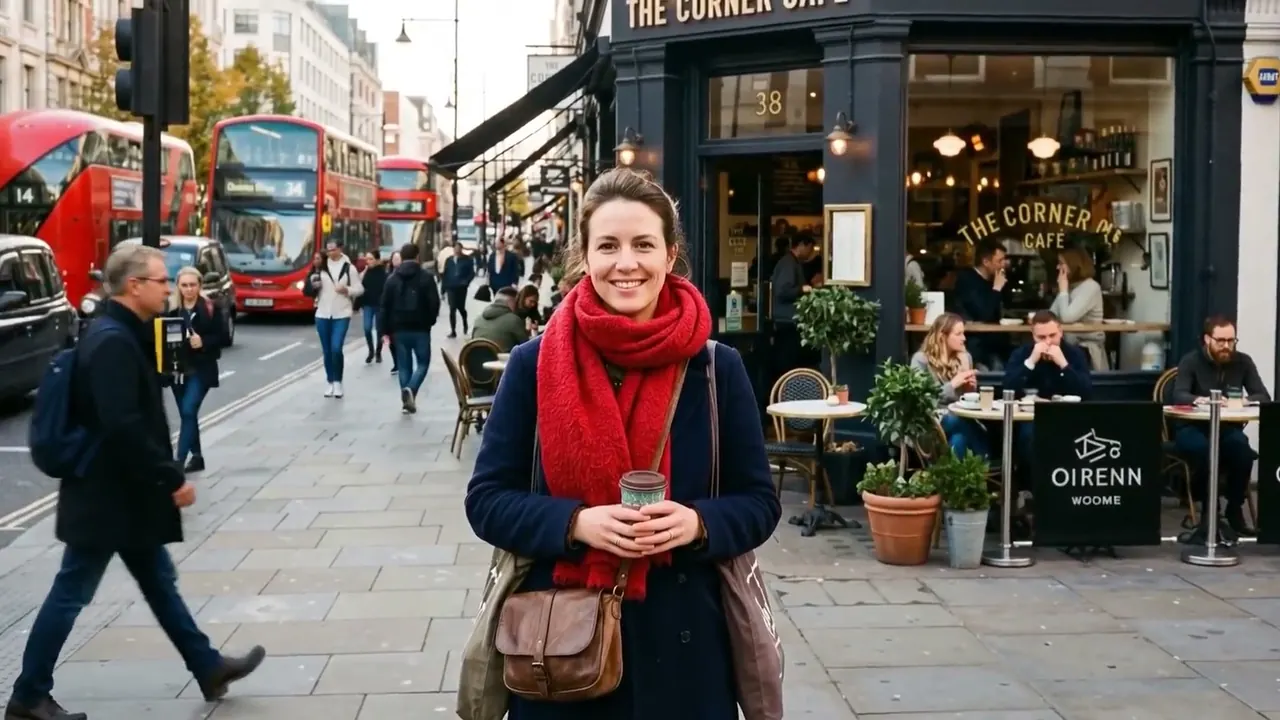
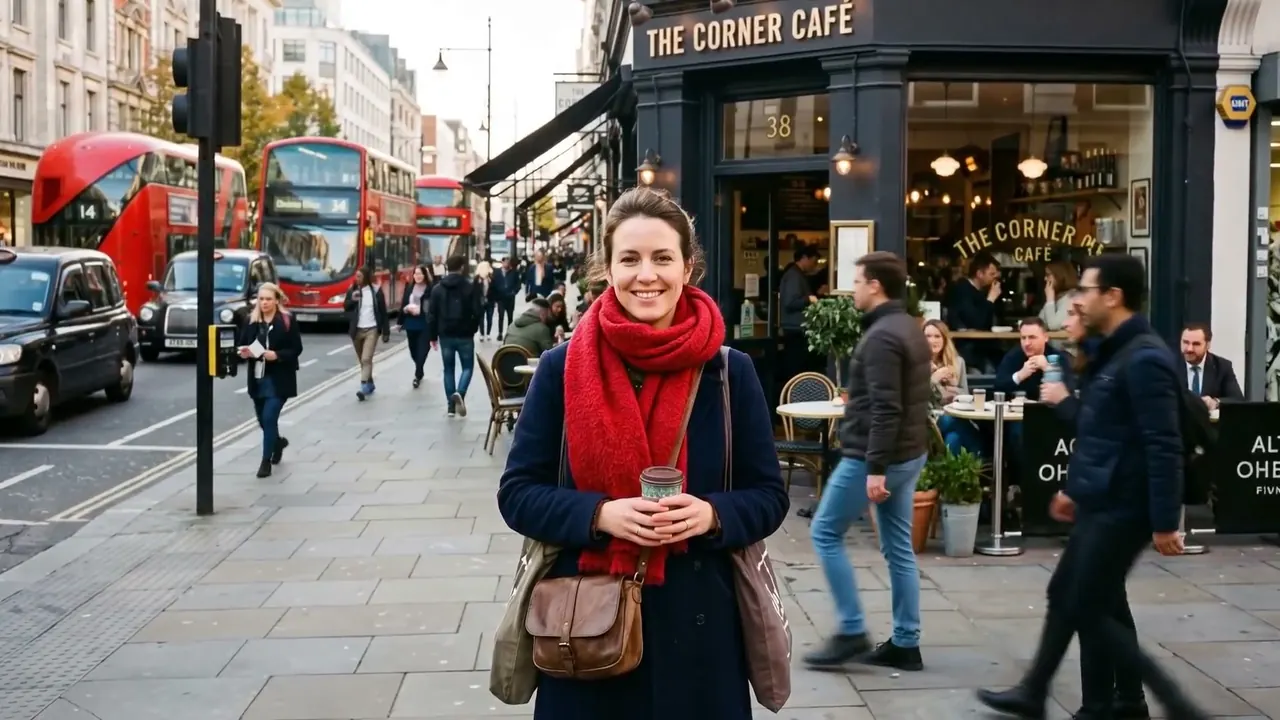
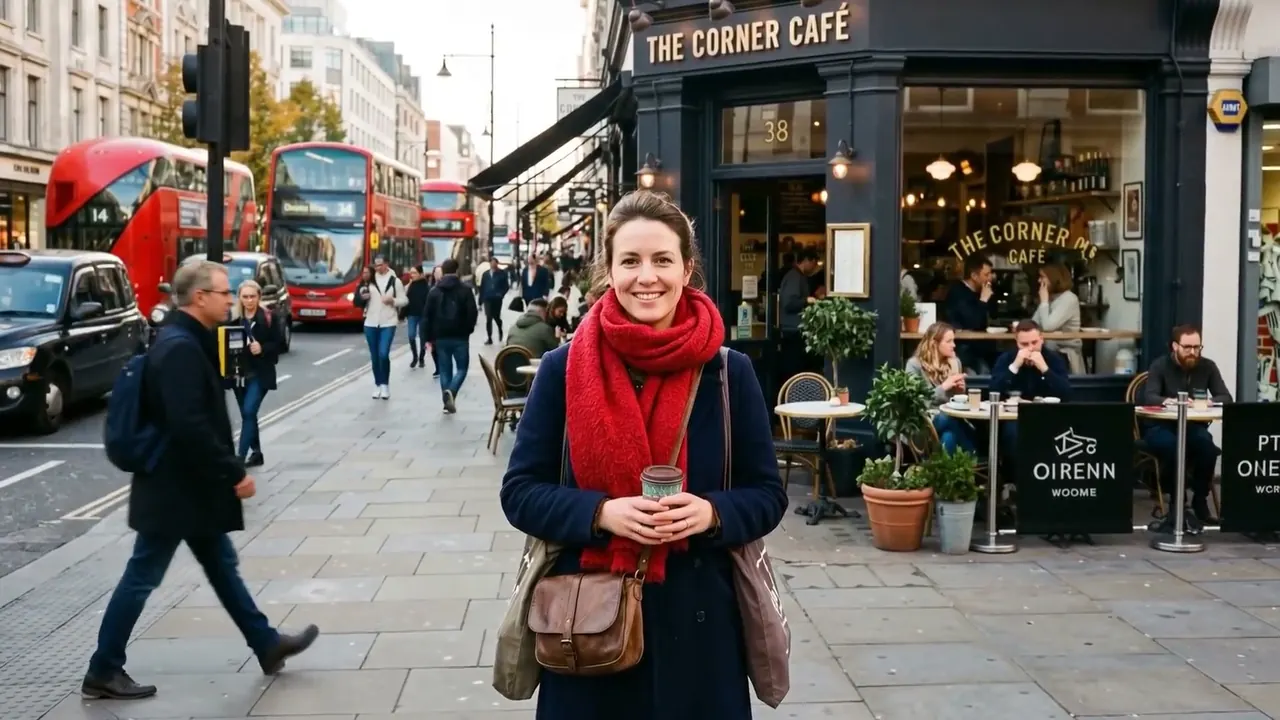
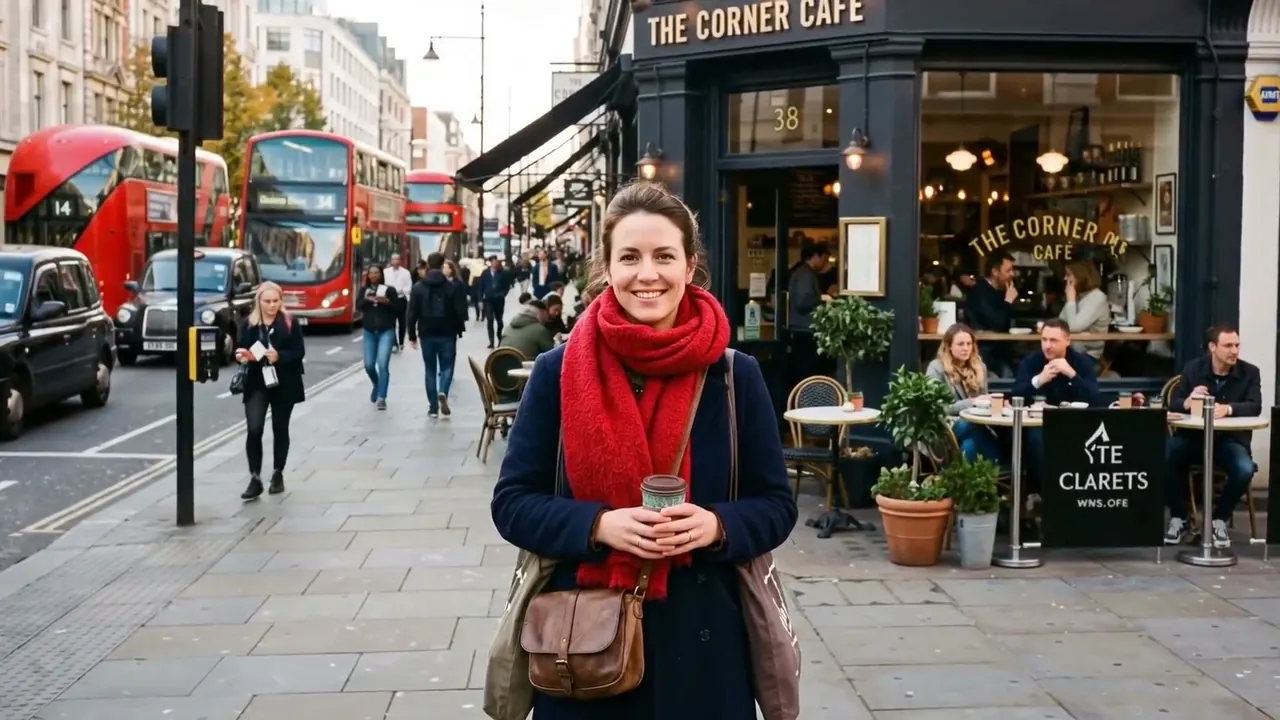
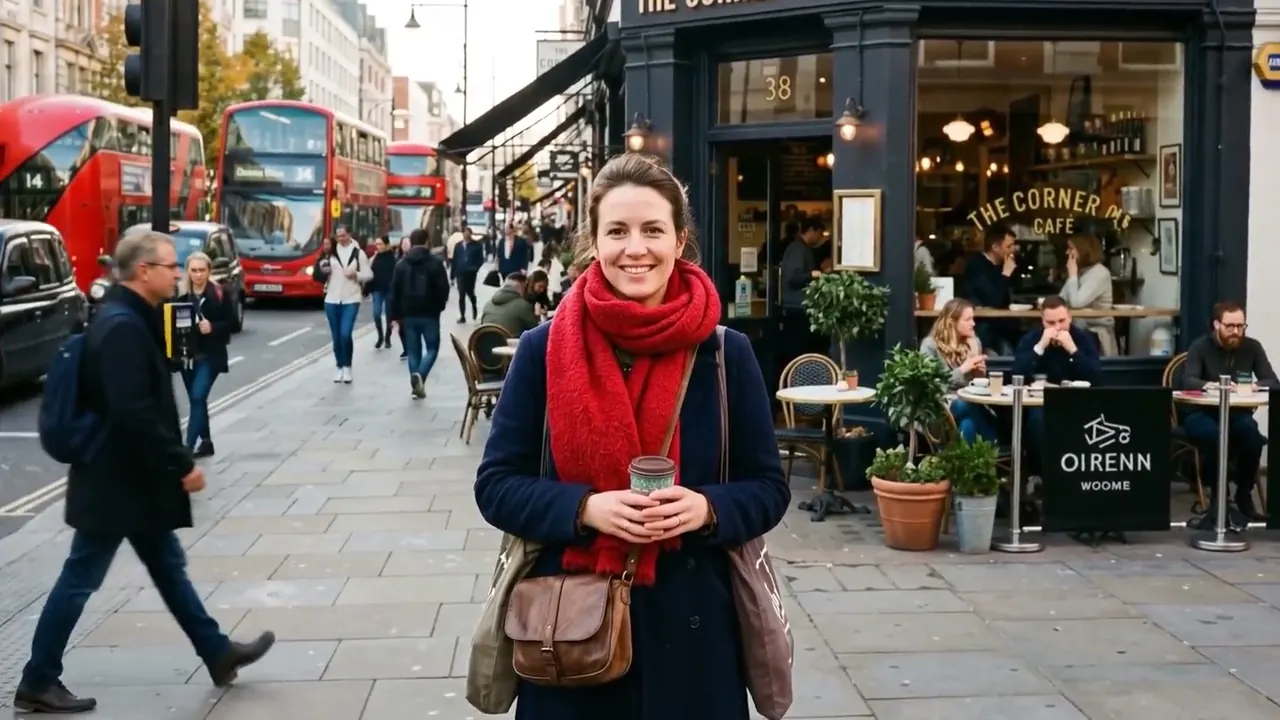
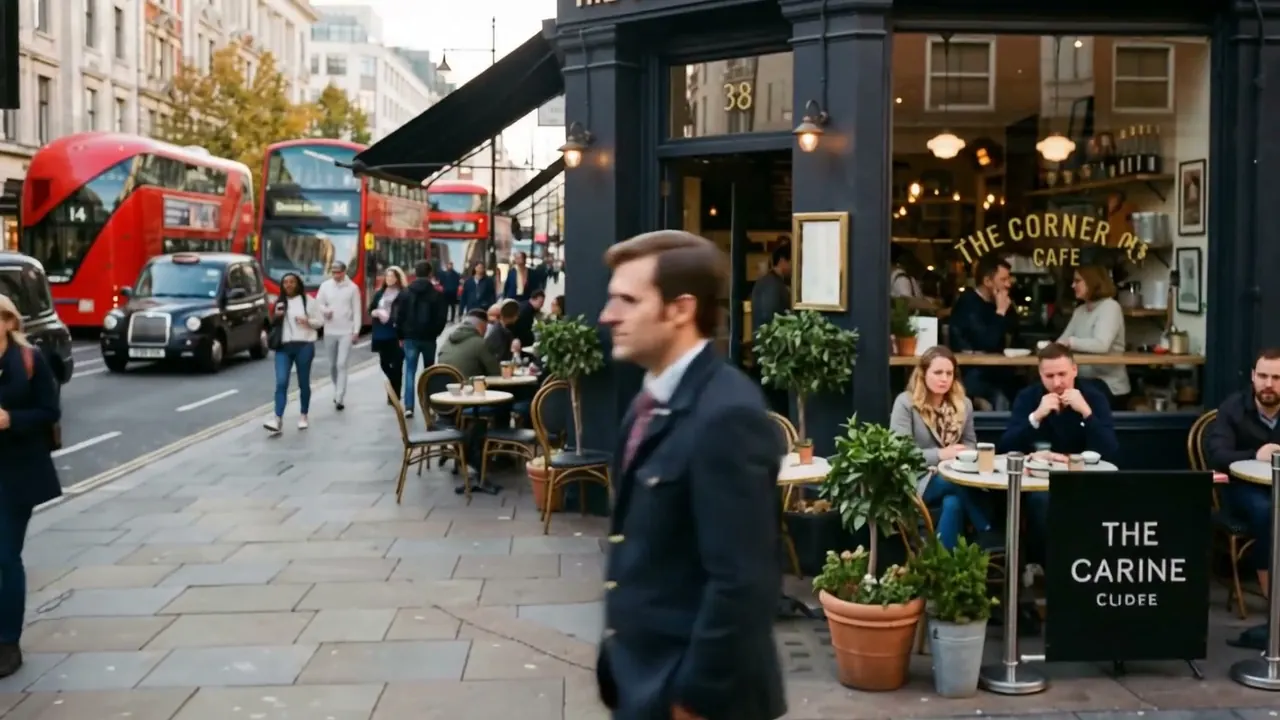
The camera floats smoothly while the operator walks with the subject.
Opens a video model with the prompt in it. The price is on the page before you sign in.
What it is for
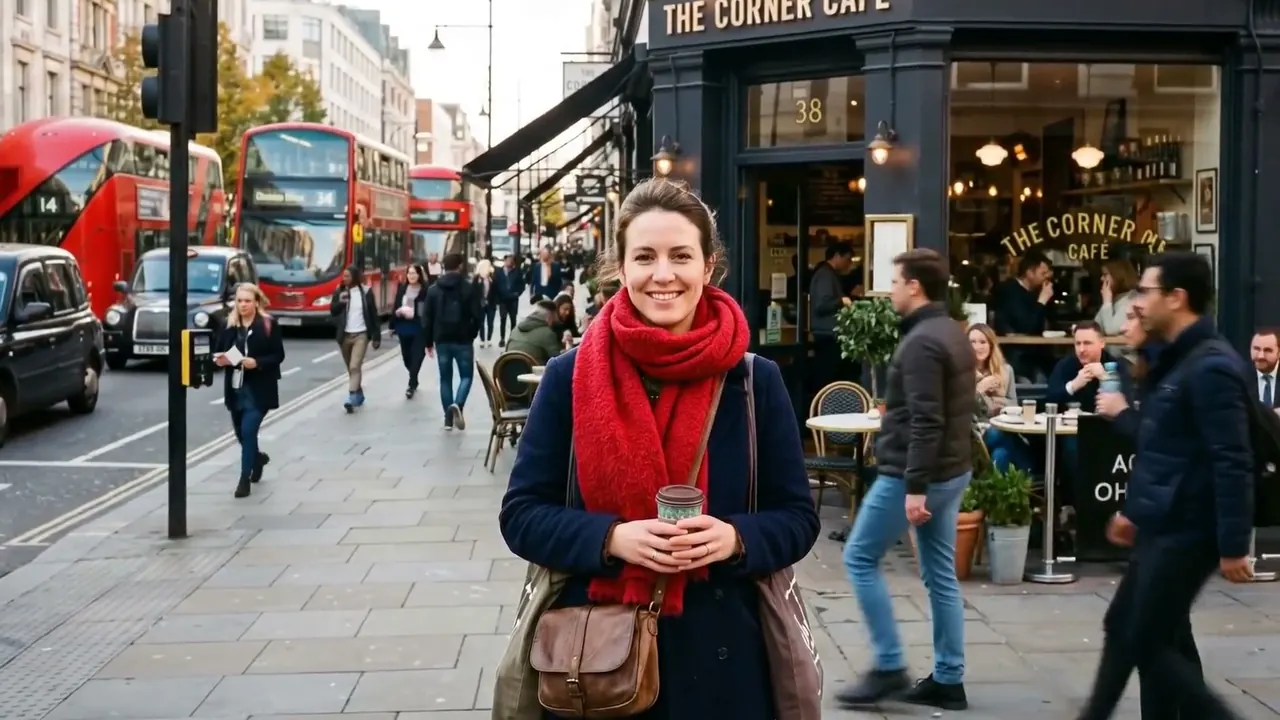
The camera walks with somebody and never bounces. The audience gets the freedom of handheld with none of the jolt, so a long walk through a building becomes watchable.
It has a feel of its own. The rig carries real weight on a sprung arm, so it lags slightly into turns and settles slightly after stops, and that inertia is what makes it read as a body rather than a machine.
How it works
A vest takes the weight, an articulated arm absorbs the vertical, and the camera sits on a gimbal that keeps it upright. The operator's steps disappear and their path stays.
A trace of sway survives on purpose. The arm cannot cancel everything, and the small residual float is the difference between a Steadicam shot and a drone shot.
It is built for length. The rig exists so a camera can follow somebody through doors, down stairs and around corners in one take, so the shot usually wants somewhere to go.
When to use it
Use it to follow a character through a space, for a long unbroken move, and whenever handheld would be too rough for the length of the take.
Skip it for a static frame. Wearing the rig to stand still gives you a worse locked-off shot.
It also wants a route. The rig earns its keep on a move through doors, down stairs or around corners, so give the shot a path with obstacles in it.
Told apart from its neighbours
A gimbal is motorised and holds the horizon electronically, so its float is flatter and more exact. A Steadicam is mechanical, so it keeps a small organic sway and a hint of lag into turns.
Listen for inertia. A frame that settles a moment after the operator stops is a Steadicam. A frame that stops when the operator does is a gimbal.
On film
Garrett Brown built the rig and operated it on Bound for Glory (1976), the first feature to use it. He also shot the corridors of The Shining (1980) with it, holding the camera low behind a child on a tricycle for long unbroken runs that no other rig of the time could have carried.
- The Shining (1980)
- Bound for Glory (1976)
The prompt
Replace the blanks, keep the rest. Then run it on a video model.
steadicam following <subject>, floating smooth travel at walking pace, small natural sway, no bounce
What goes wrong
The result is glass smooth and reads as a drone. Ask for a small natural sway and a slight settle after stops, since perfect smoothness is the wrong kind of steady.
The second failure is shake. Say no bounce and no jitter, and name walking pace, so the model does not deliver handheld with a different label on it.
A third problem is a move with nowhere to go. Name the destination, because a Steadicam shot that walks in a straight line across an empty floor shows none of what the rig does.
Leave out
shake, locked frame
Watch for
Keep a trace of sway. Perfect smoothness reads as a drone, not a walking operator.
Questions
Shoot it
Pay for the one run. No subscription, and the price is on the model page before you sign in.
Next to it in how the camera is carried