Wiggle
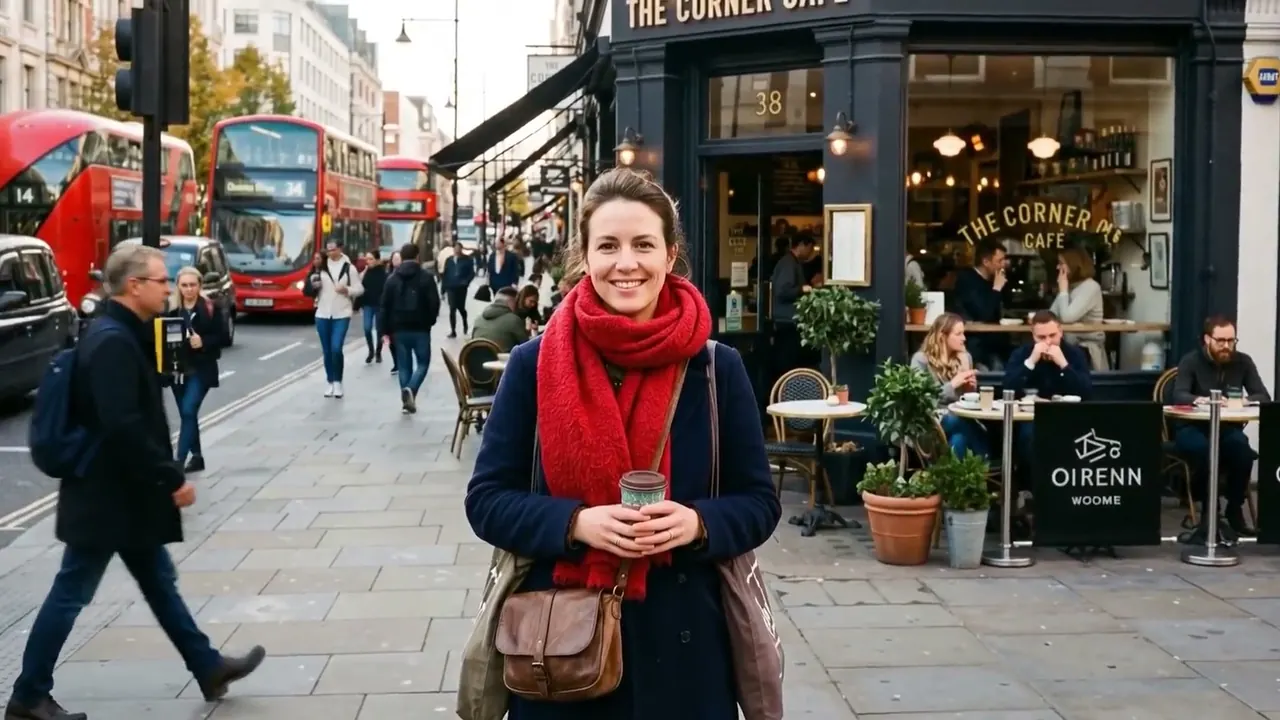
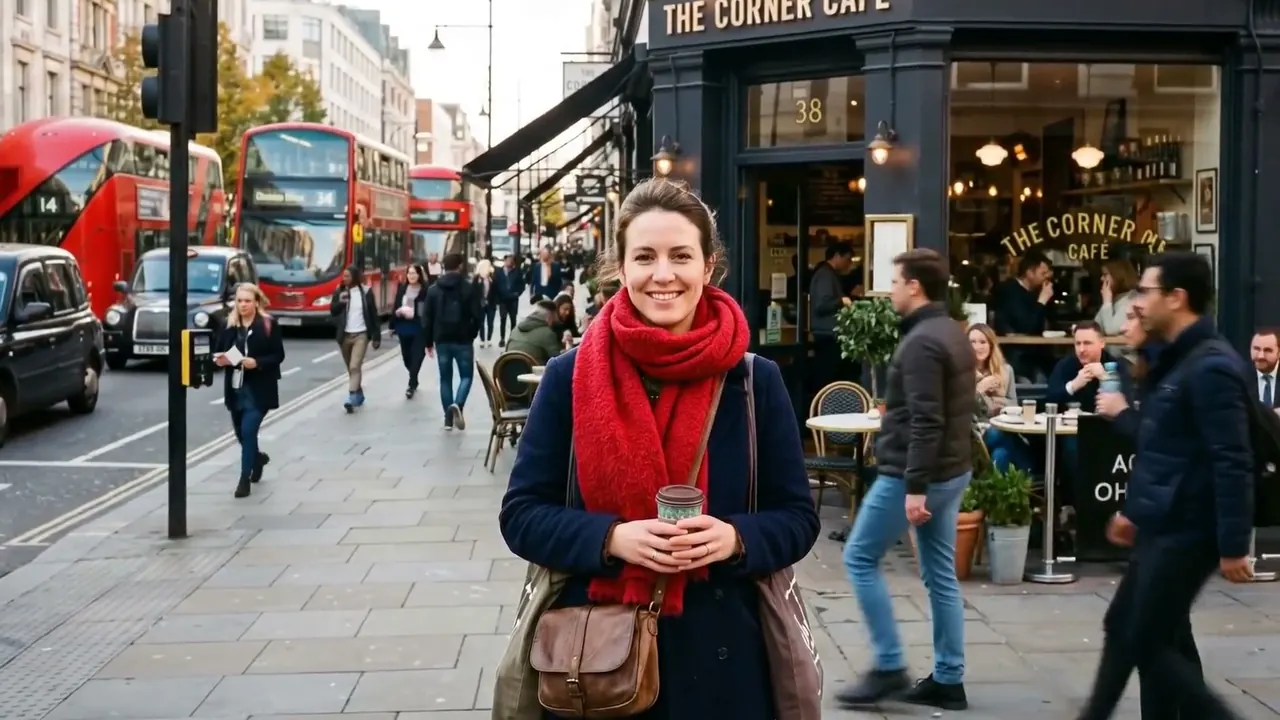
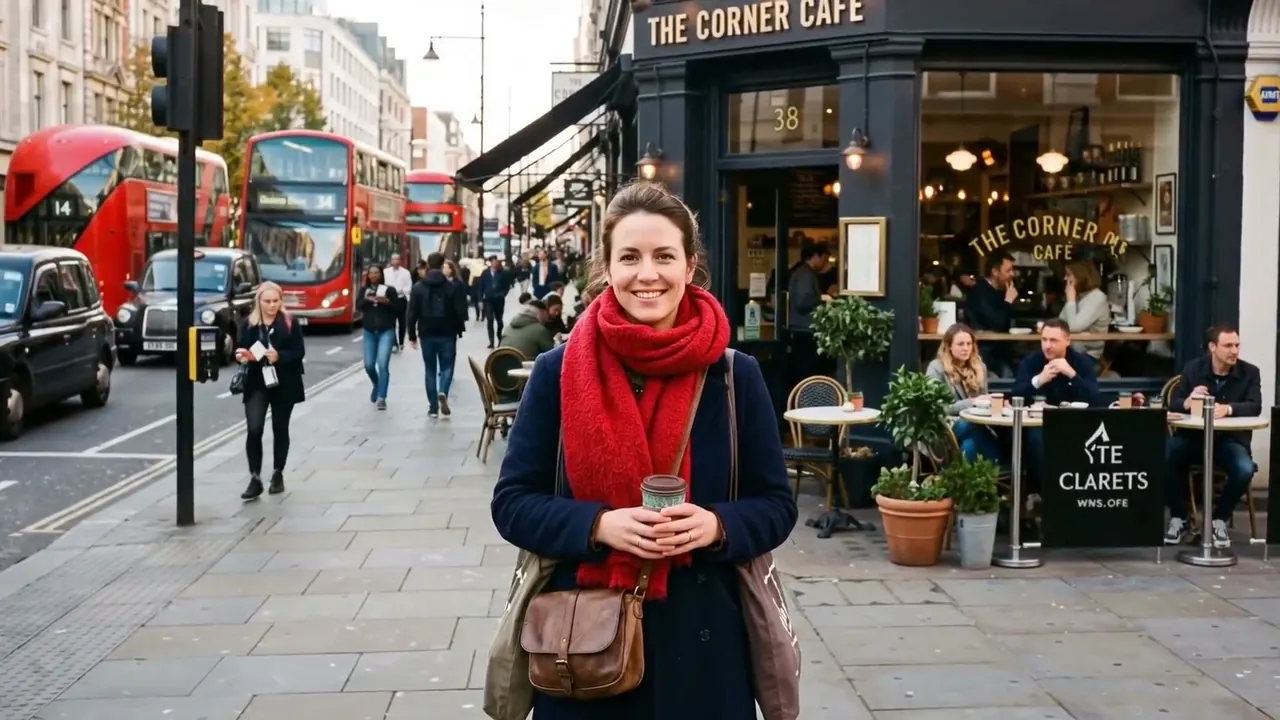
The frame jitters in small erratic steps.
Opens a video model with the prompt in it. The price is on the page before you sign in.
What it is for
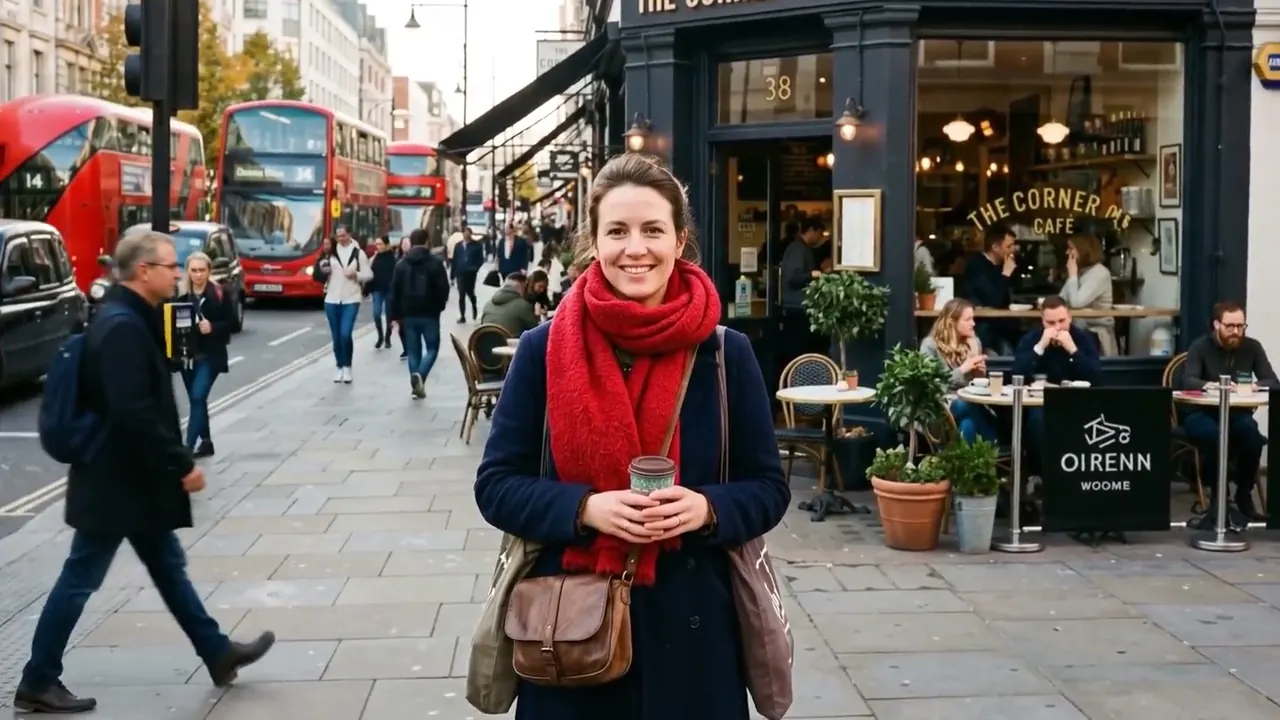
The frame jitters in small, irregular steps that never settle into a rhythm. It reads as nerves rather than as motion.
Because the amplitude is tiny, the audience feels it before they identify it. The shot looks almost normal and still refuses to sit still.
It is one of the few moves that works at a size the audience cannot measure. A pan has a direction and a shake has a force, and a wiggle has neither, so there is nothing to attribute it to.
How it works
The movement is rotation more than travel: small tilts and pans around the same point, with no consistent direction and no period.
The irregularity is the whole thing. Anything that repeats on a beat reads as vibration from a machine rather than as unease.
Keep the amplitude at a few pixels of apparent motion. Push it further and the shot becomes a shake effect, which is a different and much cheaper look.
Frame rate changes its character. Held on every frame it reads as electronic, and stepped on twos or threes it reads as film weave or as a bad transfer.
When to use it
Use it for anxiety, for a character losing their grip, for horror and for glitch and meme edits where the frame should feel wrong.
Avoid it on anything the audience has to read, and avoid it for long. A minute of wiggle is exhausting rather than unsettling.
It also works at very low amplitude under an otherwise normal shot. A frame that is almost still and never quite settles makes a scene feel wrong without the audience naming why.
It also works as a marker. Applying it to one character's shots and not to the others tells the audience whose head they are inside, without a line of dialogue doing it.
Told apart from its neighbours
Parallax comes from the camera actually changing position, so near objects slide against far ones and the shot gains depth. A wiggle rotates in place, so nothing moves past anything else.
Check the background. Separation between planes means real translation. A flat, whole-frame jitter means a wiggle.
The prompt
Replace the blanks, keep the rest. Then run it on a video model.
camera wiggles on <subject>, small erratic jitter, nervous unsettled frame, tight amplitude
What goes wrong
The amplitude arrives too large and the shot becomes an earthquake. Say tight amplitude, small erratic jitter, and give it a nervous rather than violent character.
The second failure is a smooth sine wave. Ask for erratic and unpredictable, or the motion falls into a rhythm and reads as a mechanical wobble.
A third problem is a wiggle applied to the subject rather than the camera. Say the whole frame moves together, so it reads as the camera and not as a warped person.
Leave out
smooth, large shake
Watch for
Keep the amplitude small. Big motion becomes a shake effect.
Questions
Shoot it
Pay for the one run. No subscription, and the price is on the model page before you sign in.
Next to it in how the camera is carried