Dolly Zoom In
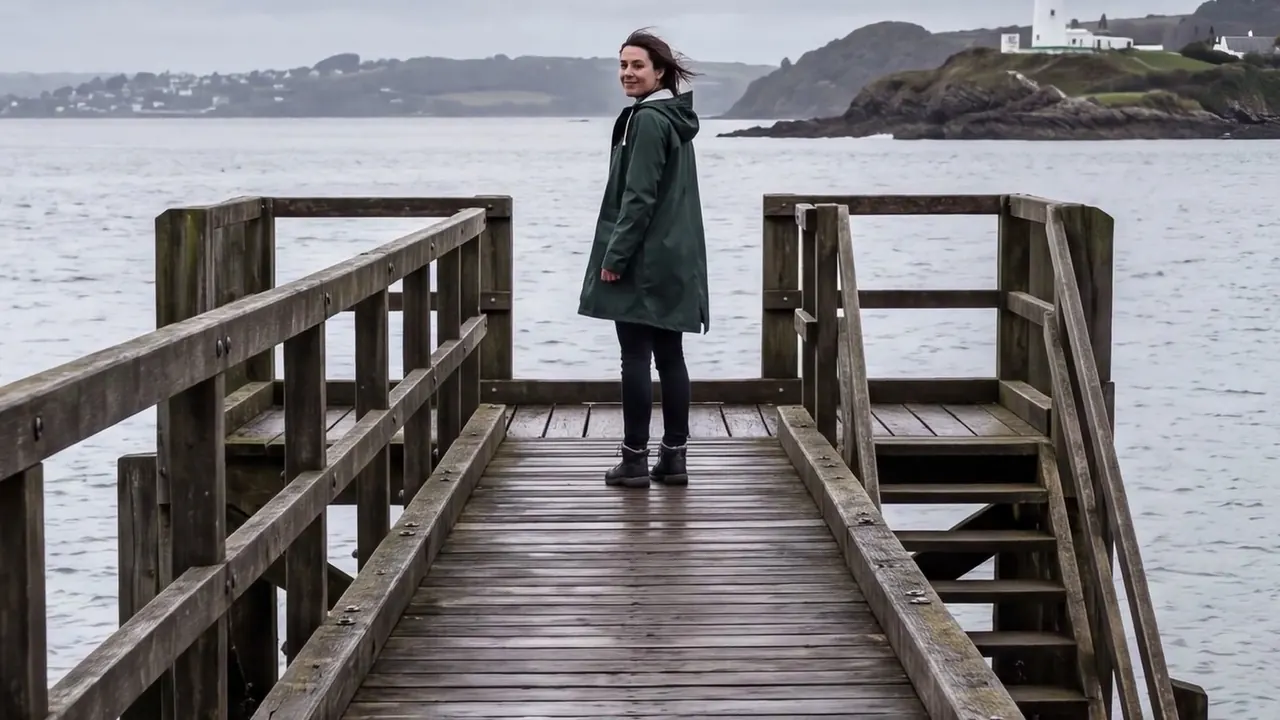
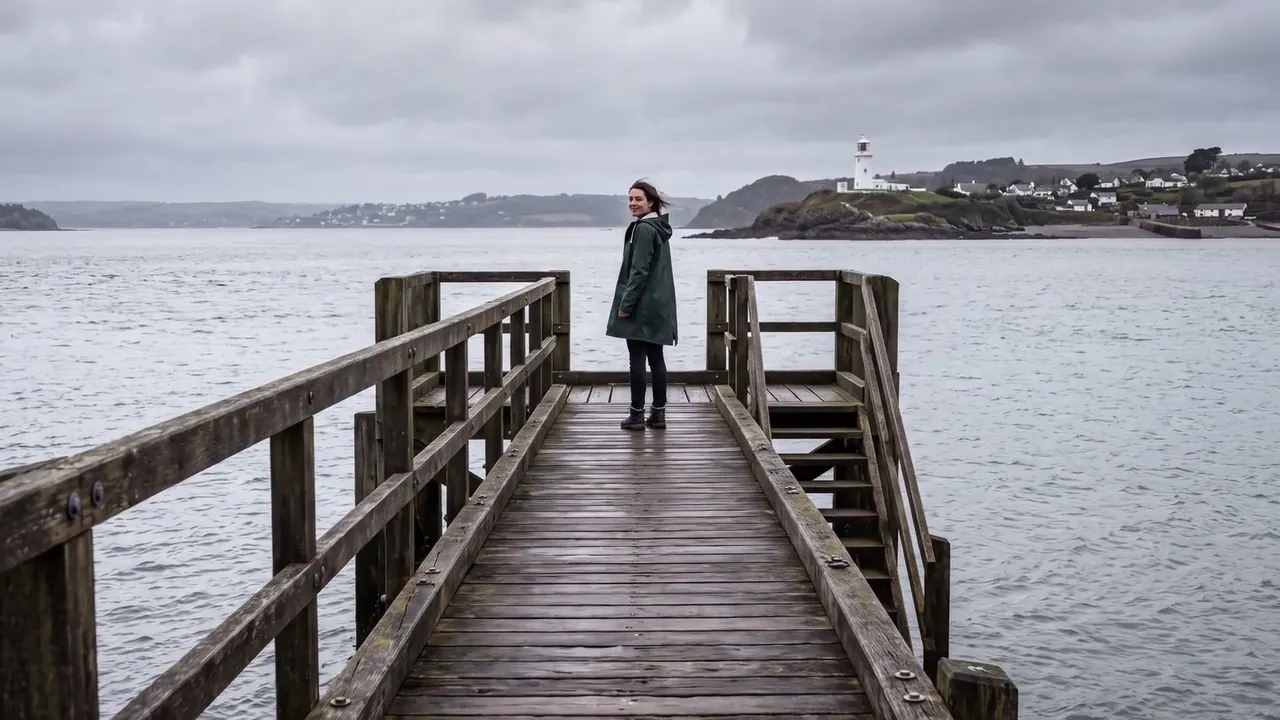
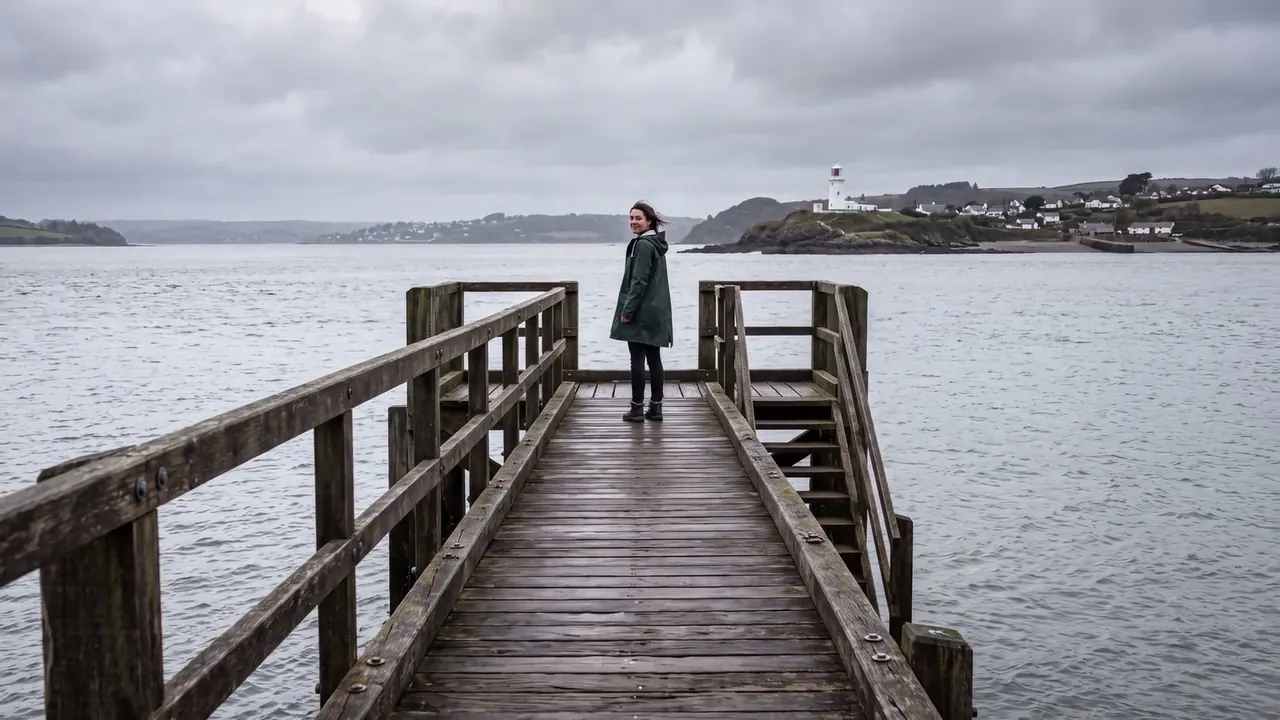
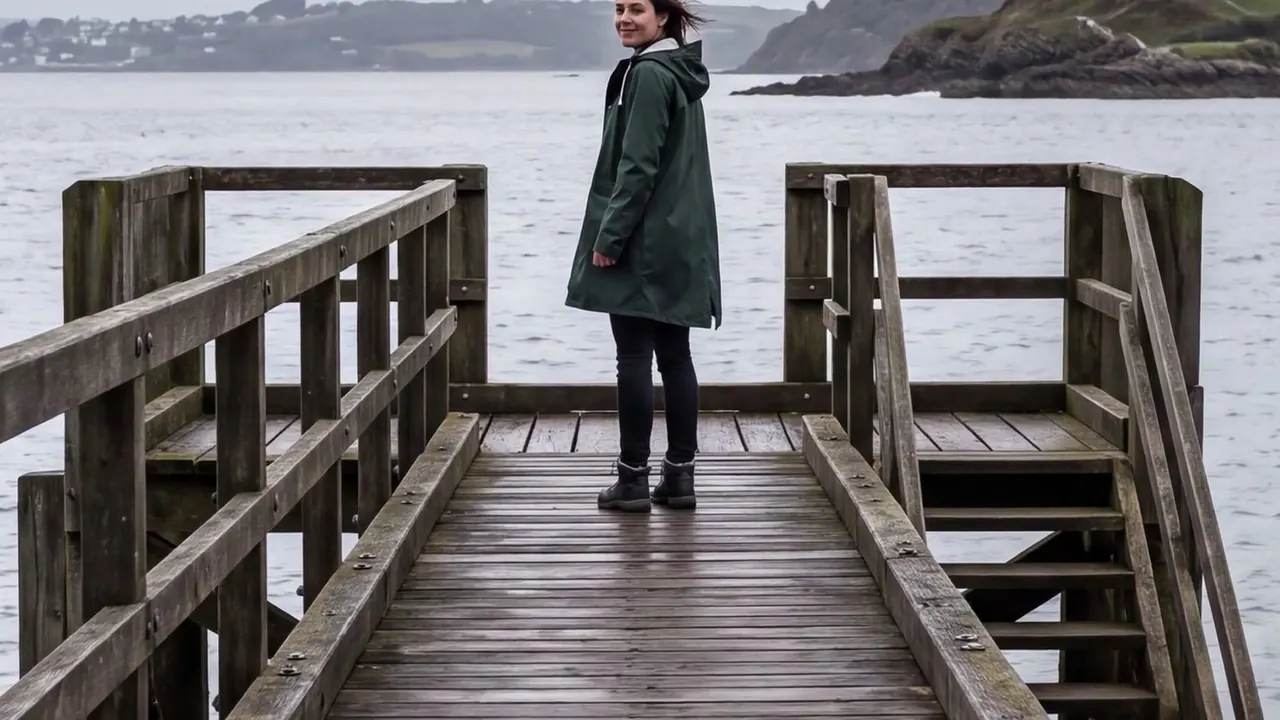
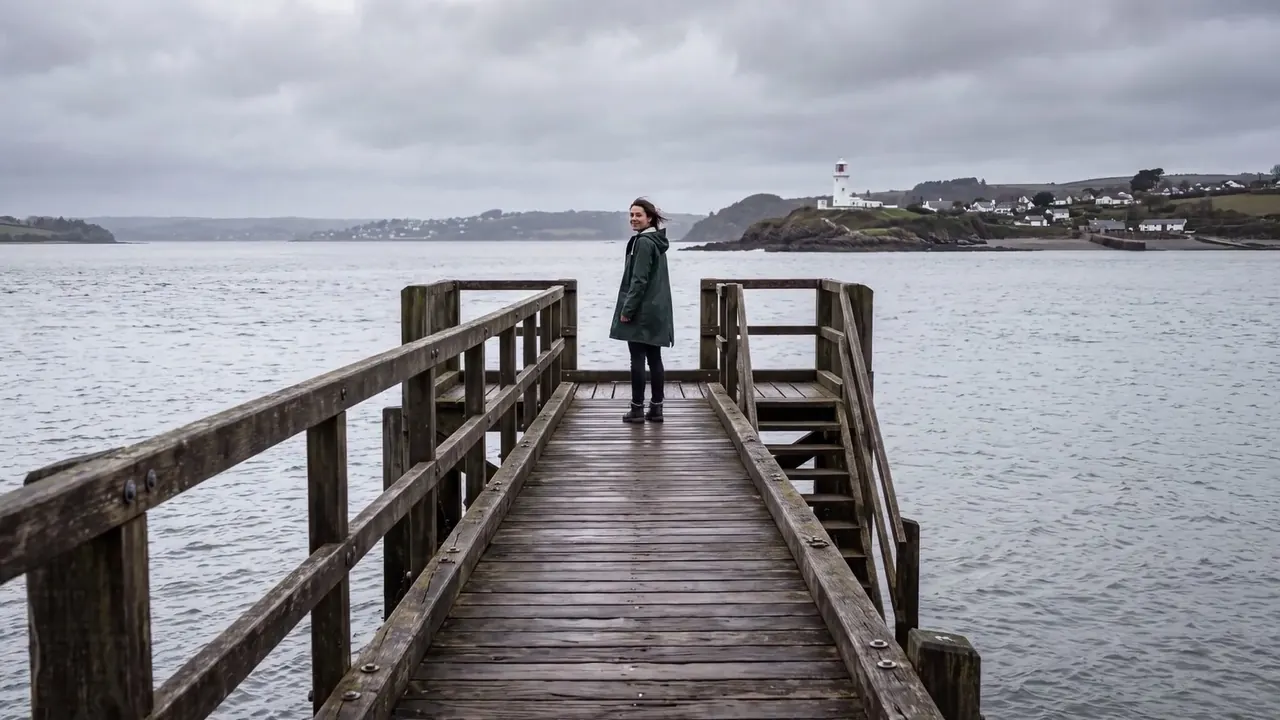
The camera moves in as the lens widens, so the background pulls away.
Opens a video model with the prompt in it. The price is on the page before you sign in.
What it is for
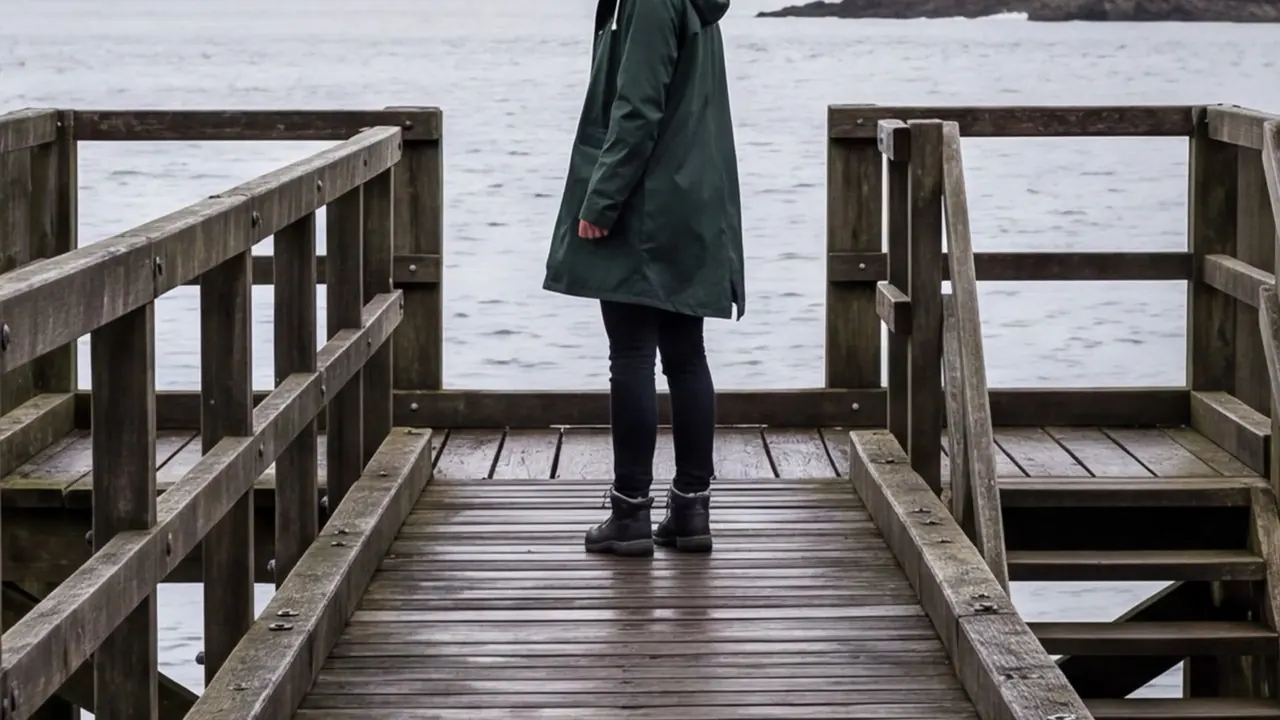
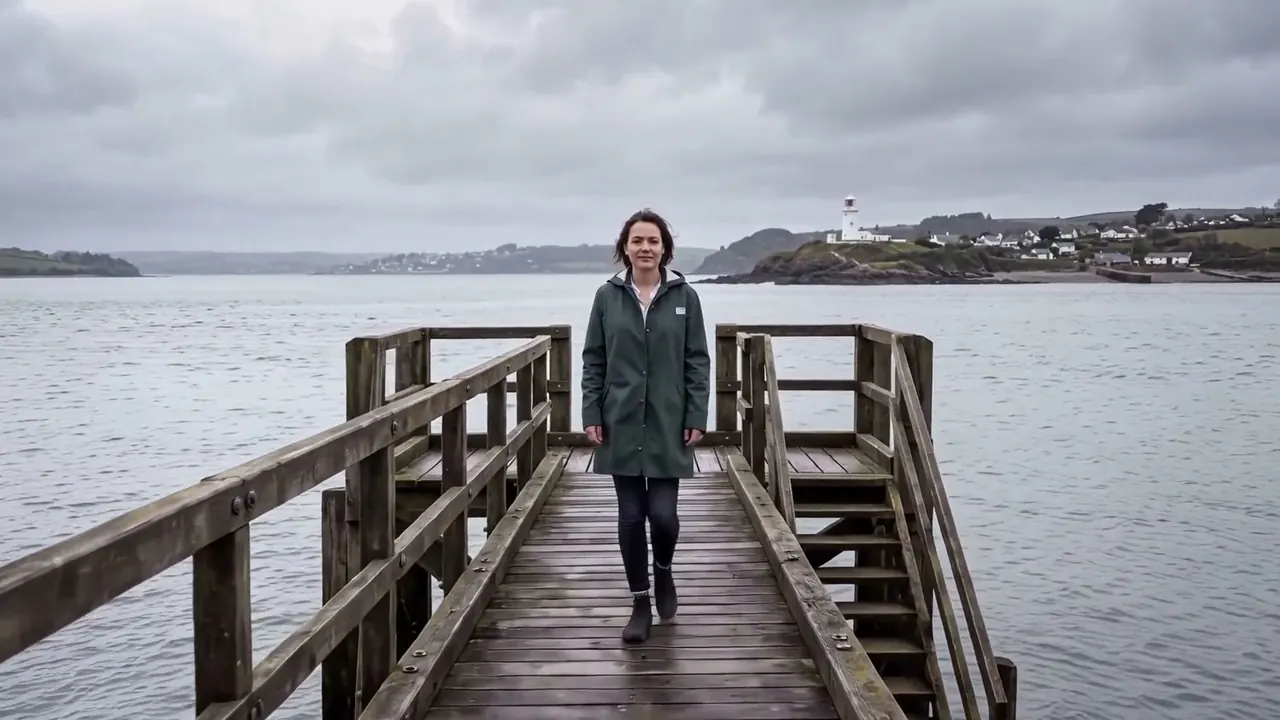
The camera pushes in and the lens widens against it. The subject stays the same size and the world behind them opens out and falls away.
It reads as a floor dropping. Space appears where there was none, which suits a character realising how exposed or how alone they are.
It makes a room betray a person. The walls move and the person does not, so the change belongs to the world rather than to them.
How it works
The camera travels forward while the focal length runs wide, at rates matched so the subject never changes size. As the lens widens, depth stretches, so the background recedes and takes in more of the room.
This is the direction that adds space. Wide lenses exaggerate distance, so the far wall moves away and the corners of the room arrive at the edges of frame.
The subject needs to stay near the centre. A wide lens close in will bend anything at the edge, and a face that distorts breaks the illusion that only the background is moving.
It needs a long zoom range to show much. A lens that travels from about 35mm to 24mm produces a visible change, and a shorter range gives a warp the audience will miss.
When to use it
Use it when somebody understands they are in a bigger situation than they thought, and for an interior that should suddenly feel too large.
Do not use it when the point is closing in. The other direction does that, and running this one by mistake says the opposite of what you meant.
Keep it to once in a piece. The move is loud, and a second one tells the audience it is a stylistic habit rather than a moment.
Told apart from its neighbours
A push in makes the subject bigger as the camera approaches. A dolly zoom in keeps the subject fixed and pushes the background away instead.
Its own opposite is the other thing to name. A dolly zoom out crushes the background toward the subject. This one opens it out. The camera direction alone will not tell you which you got, so describe the background.
The prompt
Replace the blanks, keep the rest. Then run it on a video model.
dolly zoom in on <subject>, camera moves forward while the lens widens, subject same size, background recedes and opens
What goes wrong
The subject changes size, which means the pair drifted apart. Say the subject holds exactly the same size for the whole move.
The second failure is an unreadable direction. Write that the background recedes and opens, since that behaviour is the only visible difference from the opposite version.
A third problem is a subject who moves. Say they hold still, since a step toward the camera changes their size in frame and cancels the effect.
A fourth problem is a background too far away to change. Put something at a readable distance behind the subject, such as a wall or a treeline, so the opening has an edge to show.
Leave out
plain dolly in, plain zoom
Watch for
Name the background behaviour. That is the only visible difference from its opposite.
Questions
Shoot it
Pay for the one run. No subscription, and the price is on the model page before you sign in.
Next to it in zooms