Rapid Zoom In
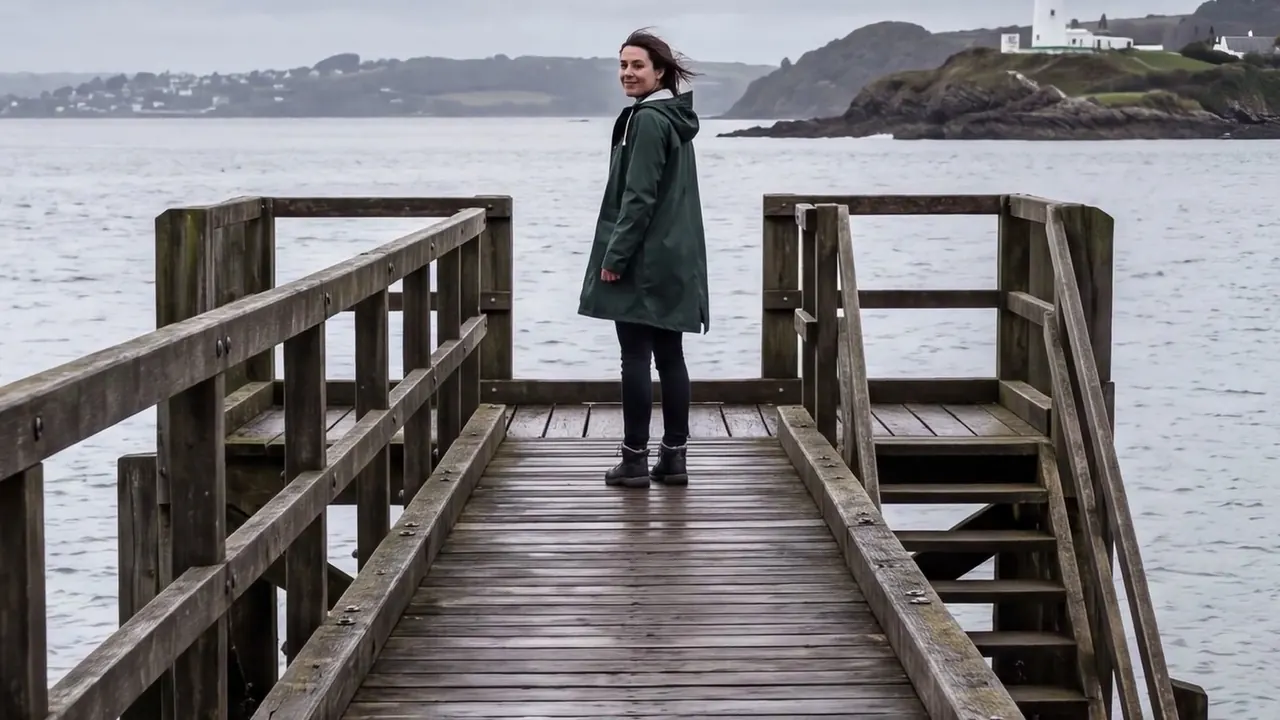
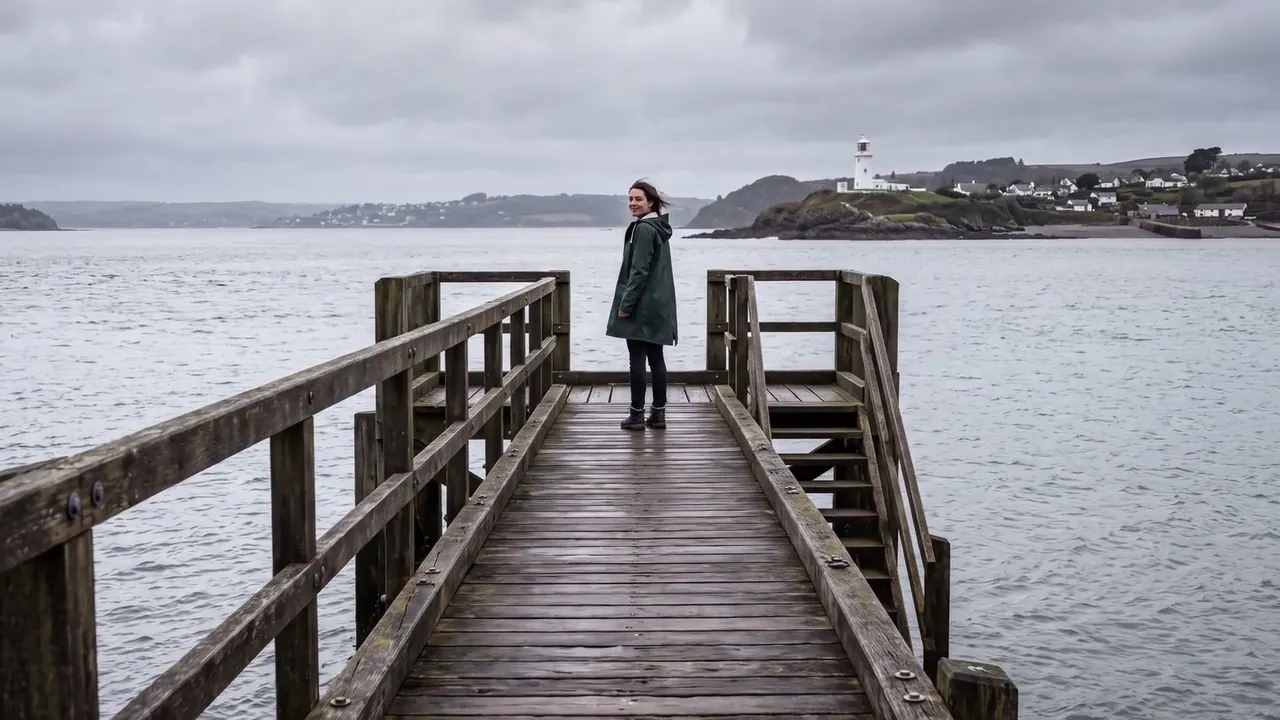
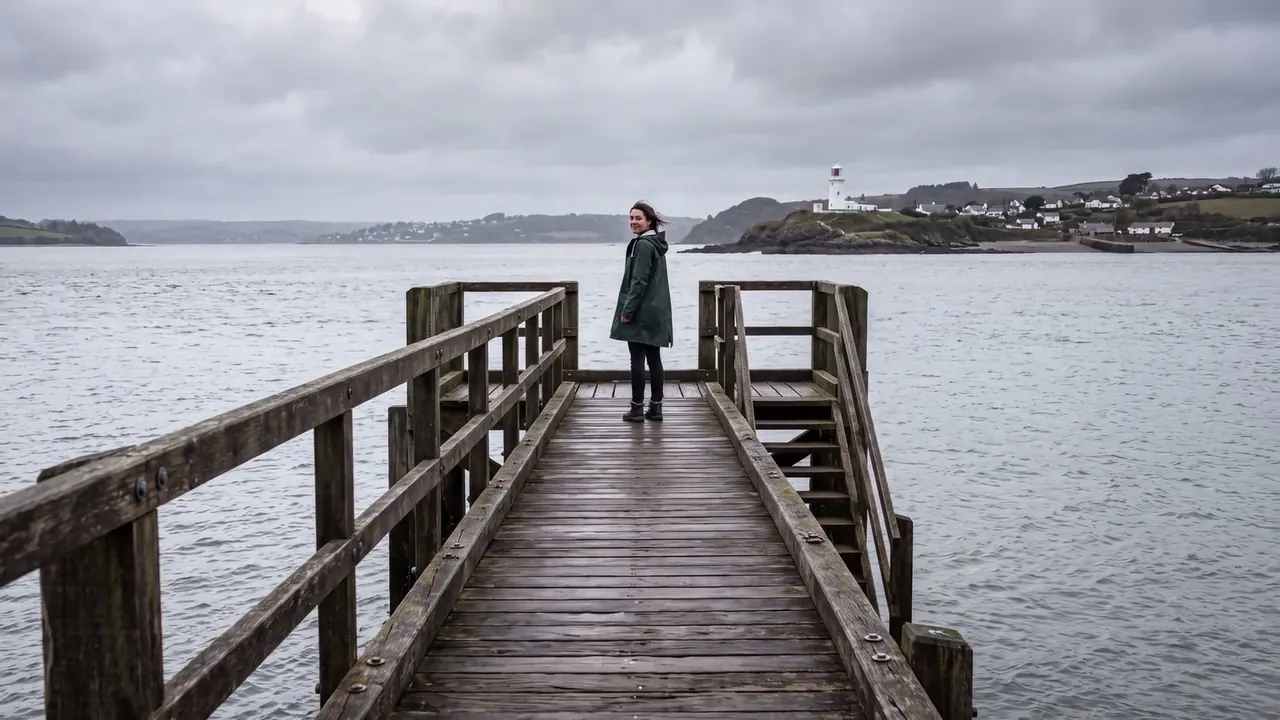
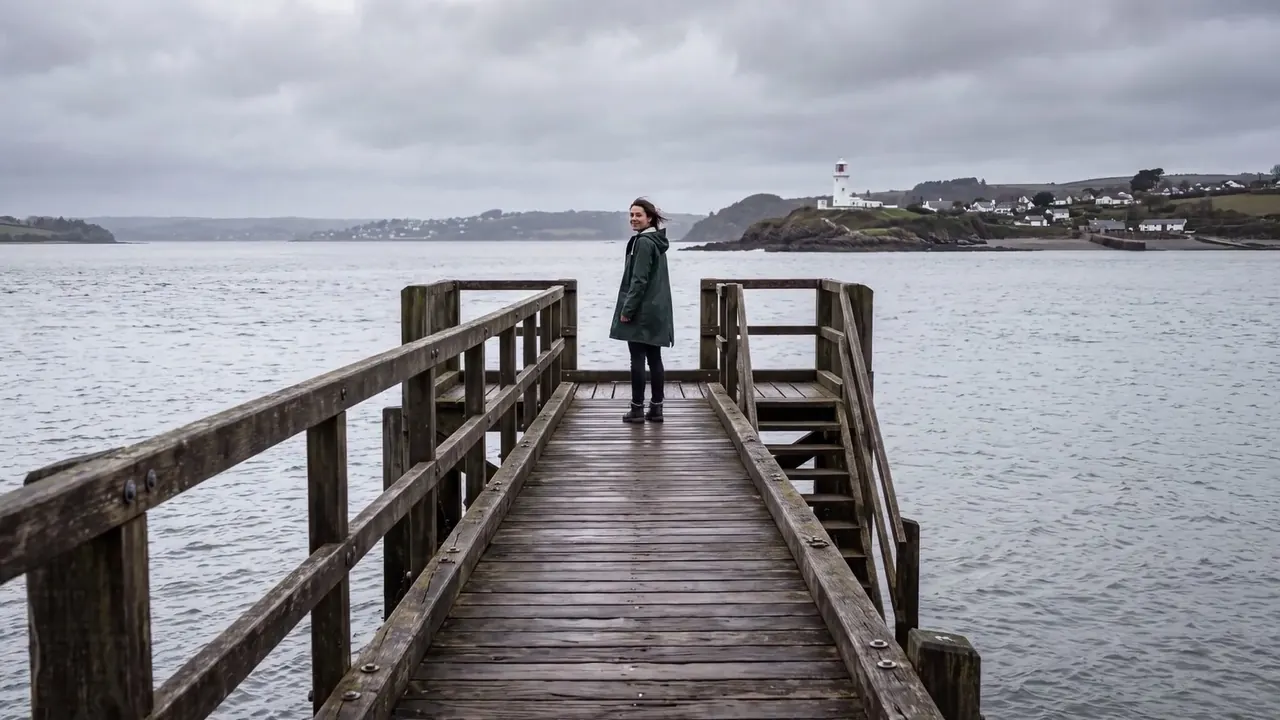
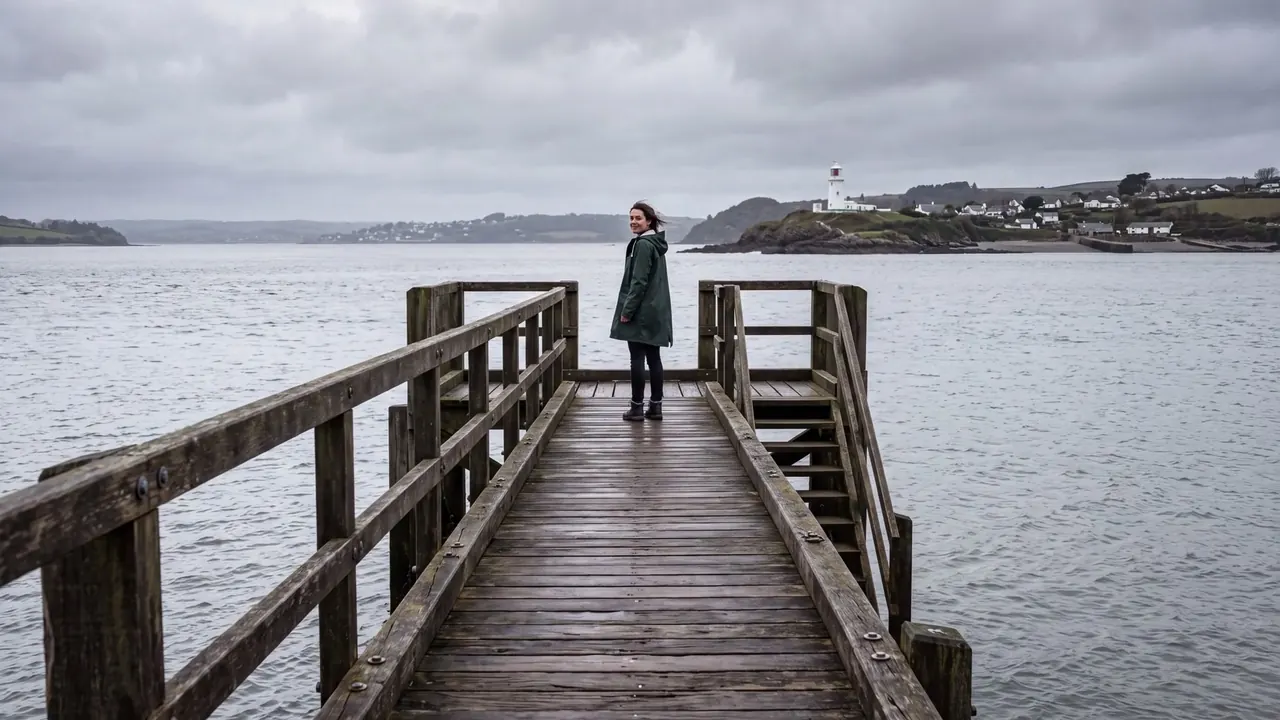
The lens tightens fast, but not as a single snap.
Opens a video model with the prompt in it. The price is on the page before you sign in.
What it is for
The lens closes fast enough to feel like a decision made in front of you. It is the sound of somebody spotting something.
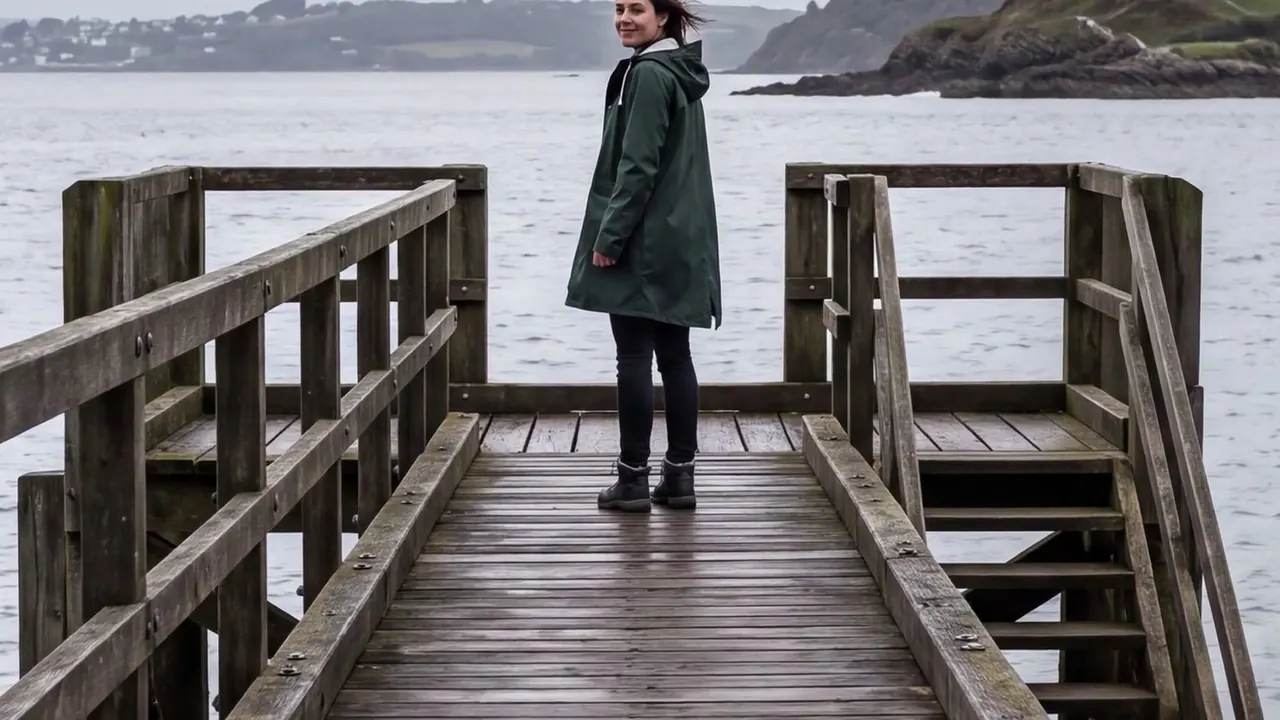
It sits in a useful gap. A slow zoom hides itself and a crash zoom shouts, so a rapid zoom moves with intent and still leaves the audience able to follow the frame.
It has a tone that the slower version does not. The speed is visible, so the camera is openly reacting, and the audience reads a point of view behind it.
How it works
The lens runs its travel in roughly a second, then settles. The settle is part of the move, because a rapid zoom that stops dead reads as a crash.
A small amount of ease at the end sells it as an operator rather than a machine. The shot usually holds on the tight frame afterwards, so the audience has somewhere to land.
A small ease at the end is what separates it from a snap. The lens decelerates over the last part of its travel and arrives rather than crashes.
The shot normally holds on the tight frame for at least a beat afterwards. Cutting immediately on arrival turns the move into a transition and wastes the size it just reached.
When to use it
Use it when a character notices something, when a scene turns, and in comedy and action where the camera is allowed to have opinions.
Avoid it in a scene playing for stillness. The speed announces the camera, and a quiet moment does not survive that.
It also works as a cut substitute. Two beats that would otherwise need a wide and a close can run in one take, with the zoom doing the work the edit would have done.
Told apart from its neighbours
A crash zoom in snaps under a second with a hard stop and usually some radial blur. A rapid zoom in takes about a second and settles. If the frame arrives with a thud, it is a crash.
The difference is duration and landing, so state both. Fast lens change over about a second, settling on the tight frame, is a rapid zoom every time.
The prompt
Replace the blanks, keep the rest. Then run it on a video model.
rapid zoom in to <subject>, fast lens change over about a second, settles on the tight frame
What goes wrong
Models collapse the middle speed and give you either a creep or a snap. Put the duration in words, since about a second is the whole definition.
The second failure is forward travel instead of a lens change. Say the camera body does not move.
A third problem is a zoom with no hold. Say the shot settles and stays on the tight frame, or the model runs the move and ends the clip on the same frame.
A fourth problem is a start frame that is already tight. Give the wide size as well as the close one, or there is not enough travel for the speed to register.
Leave out
dolly, slow zoom
Watch for
It is faster than a slow zoom and slower than a crash. Give the duration in words.
Questions
Shoot it
Pay for the one run. No subscription, and the price is on the model page before you sign in.
Next to it in zooms