Slow Zoom In
- gradual zoom
- creep zoom
- Creeping zoom
- Zoom progressif
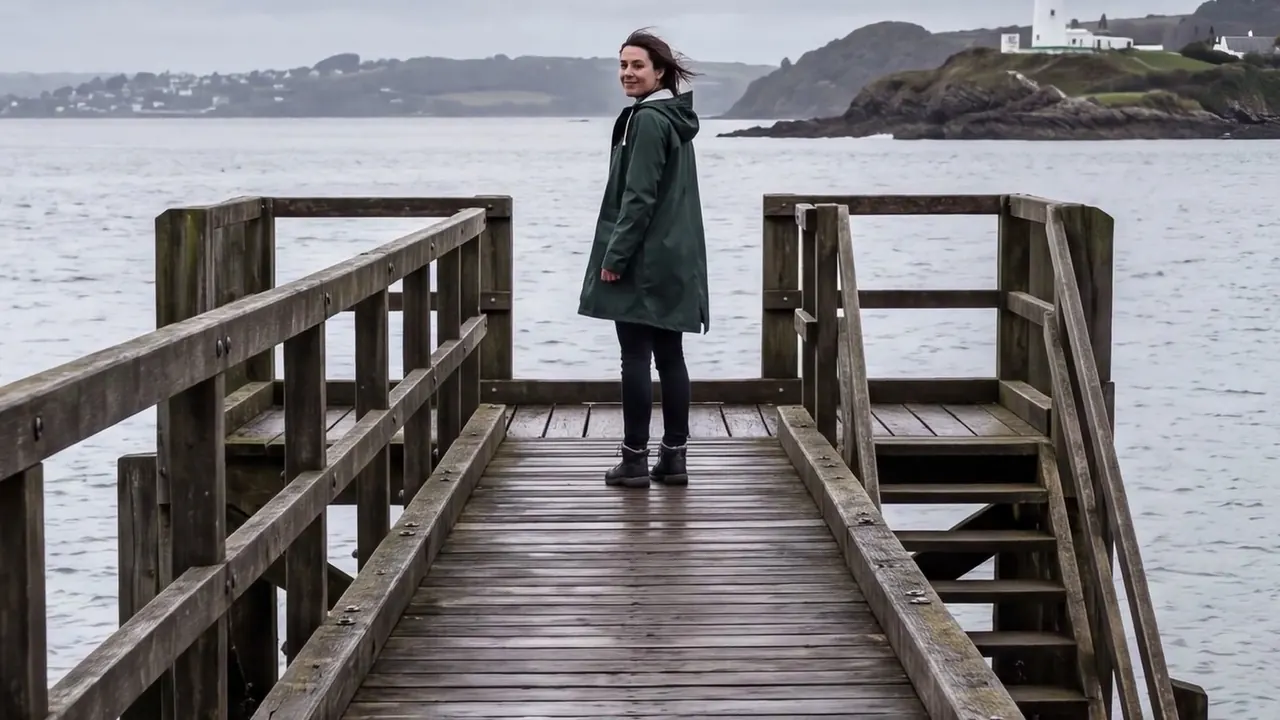
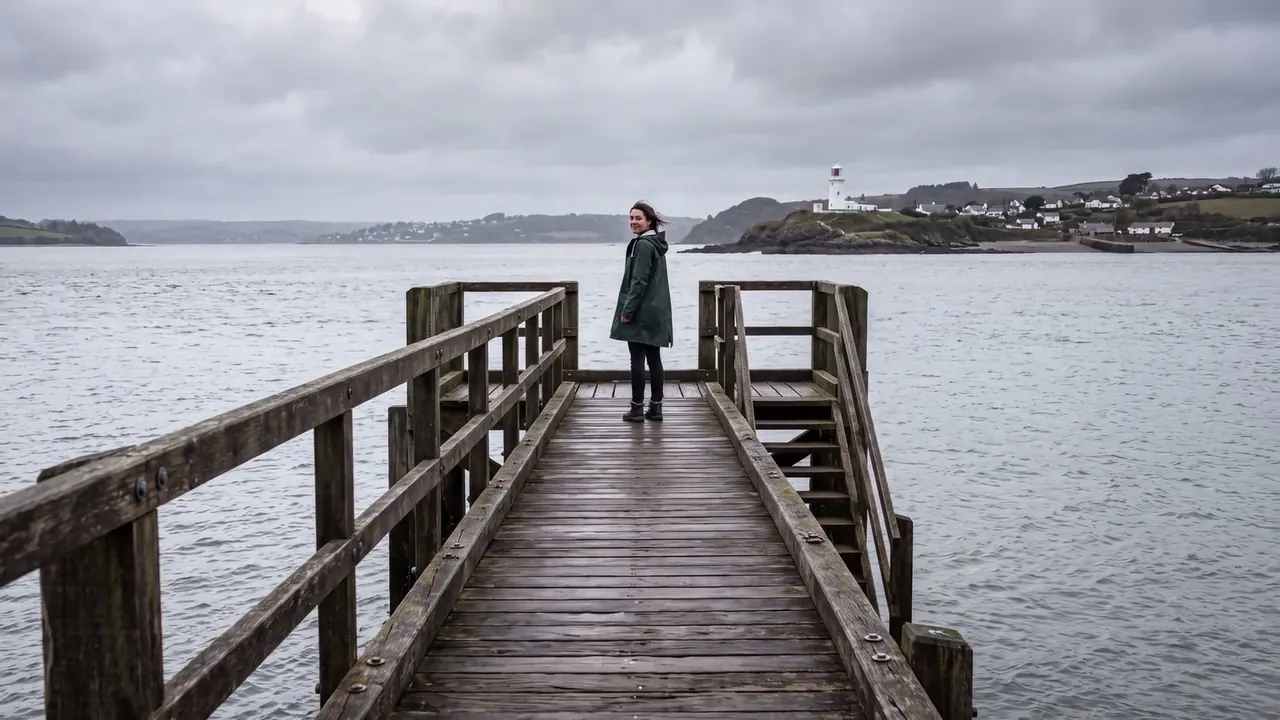
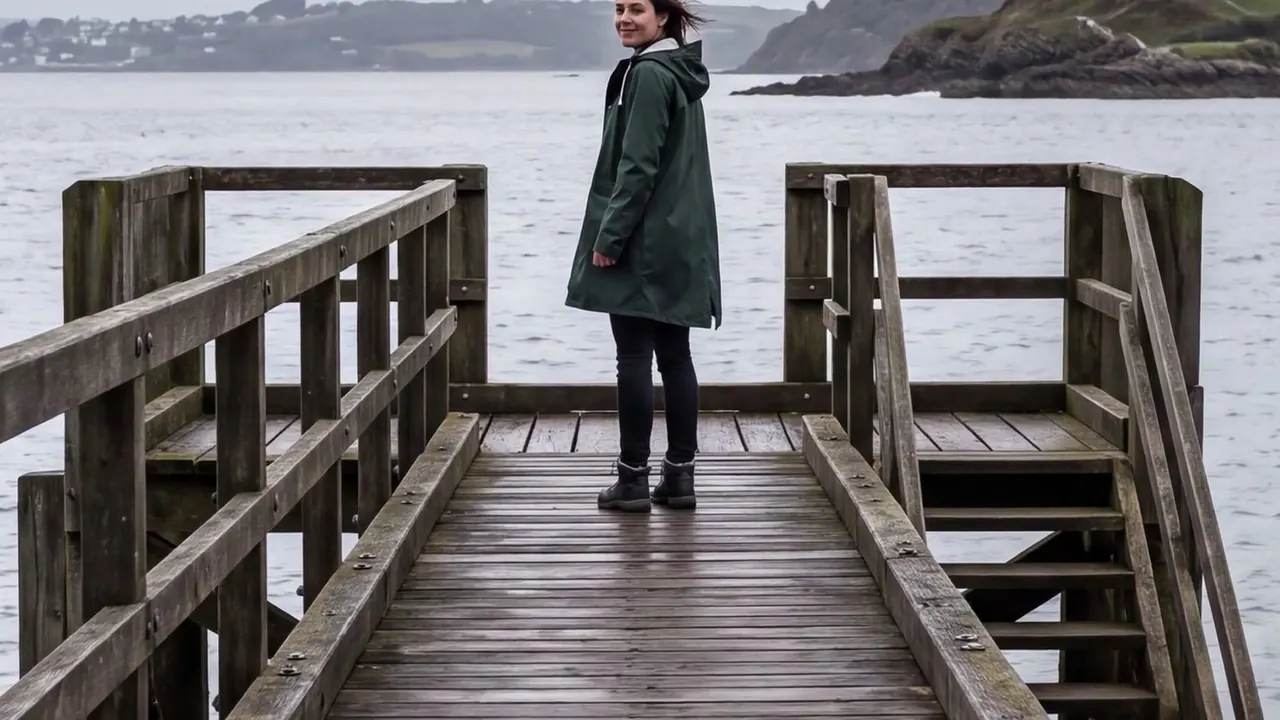
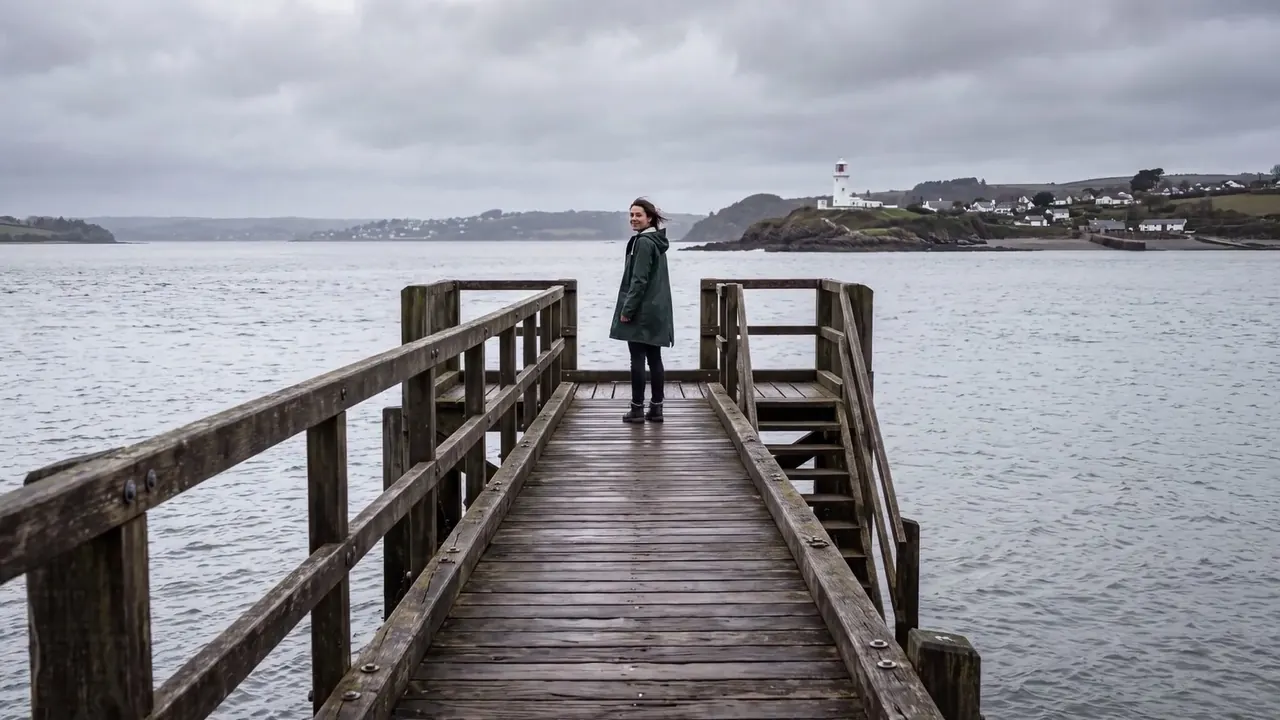
The lens tightens so slowly that the pressure builds before you notice.
Opens a video model with the prompt in it. The price is on the page before you sign in.
What it is for
The frame closes so slowly that the audience feels the pressure before they notice the cause. Attention narrows without anybody deciding to narrow it.
It works on scenes where nothing visible is happening. A person sitting still becomes harder to look away from as the room leaves the frame around them.
How it works
The lens travels a short distance over a long time, often a few degrees of angle across twenty or thirty seconds. The change per second has to sit under what the eye reports as motion.
The end frame matters more than the start. Choose where the zoom lands, then work backwards, because a creep that stops at a random size reads as an error.
It pairs badly with any other movement. A slow zoom over a handheld frame is invisible, since the jitter swamps it.
Sound does a lot of the work. A creeping zoom under a rising tone reads as dread, and the same zoom under room tone reads as attention. The move itself is neutral.
When to use it
Use it under dialogue that is calm on the surface, under surveillance, and under anything where the audience should get uneasy without being told to.
Do not use it on a short clip. Under about five seconds there is no room for the speed to stay under the threshold, and it becomes an ordinary zoom.
It also works as a container for a performance. Give an actor a long take and a creeping frame and the shot does the escalating, so nothing in the performance has to.
Told apart from its neighbours
A dolly in walks the camera forward, so the background falls away at the edges and the audience moves with it. A slow zoom in keeps the point of view fixed and squeezes the background flat against the subject.
The tell is the background. If the far wall grows at the same rate as the face, the lens did it. If the face grows faster than the wall, the camera moved.
On film
Francis Ford Coppola opens The Conversation (1974) on Union Square from a rooftop and holds a zoom in that takes most of the sequence to arrive. The shot puts the audience in the position of somebody watching a crowd for one person, which is the whole subject of the film.
- The Conversation (1974)
The prompt
Replace the blanks, keep the rest. Then run it on a video model.
very slow zoom in on <subject>, barely perceptible, frame tightening over the whole shot, pressure building
What goes wrong
Models default to a speed you can see, so the creep comes back as an ordinary zoom. Write barely perceptible, and add that the frame tightens across the whole shot rather than in the first second.
The second failure is a dolly. Say the camera body does not move, or the model walks it forward and the effect changes completely.
Leave out
dolly, fast zoom
Watch for
Say barely perceptible. Models default to a speed you can see.
Questions
Shoot it
Pay for the one run. No subscription, and the price is on the model page before you sign in.
Next to it in zooms