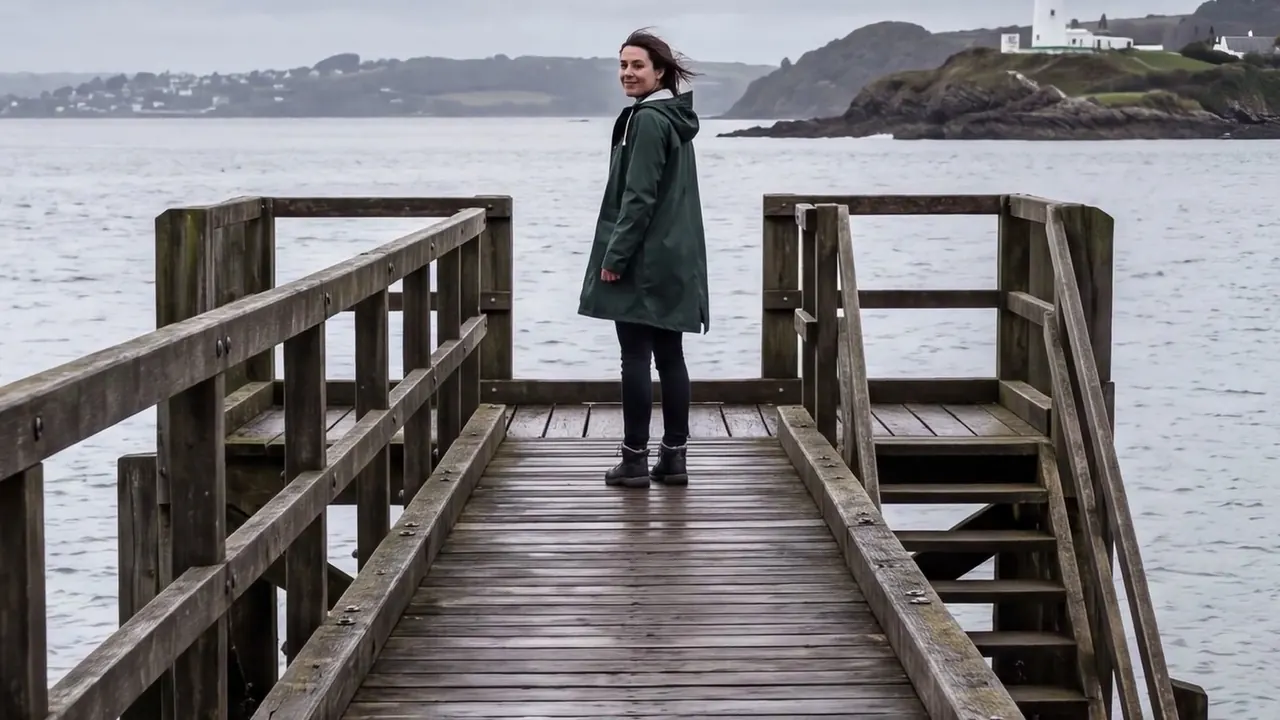
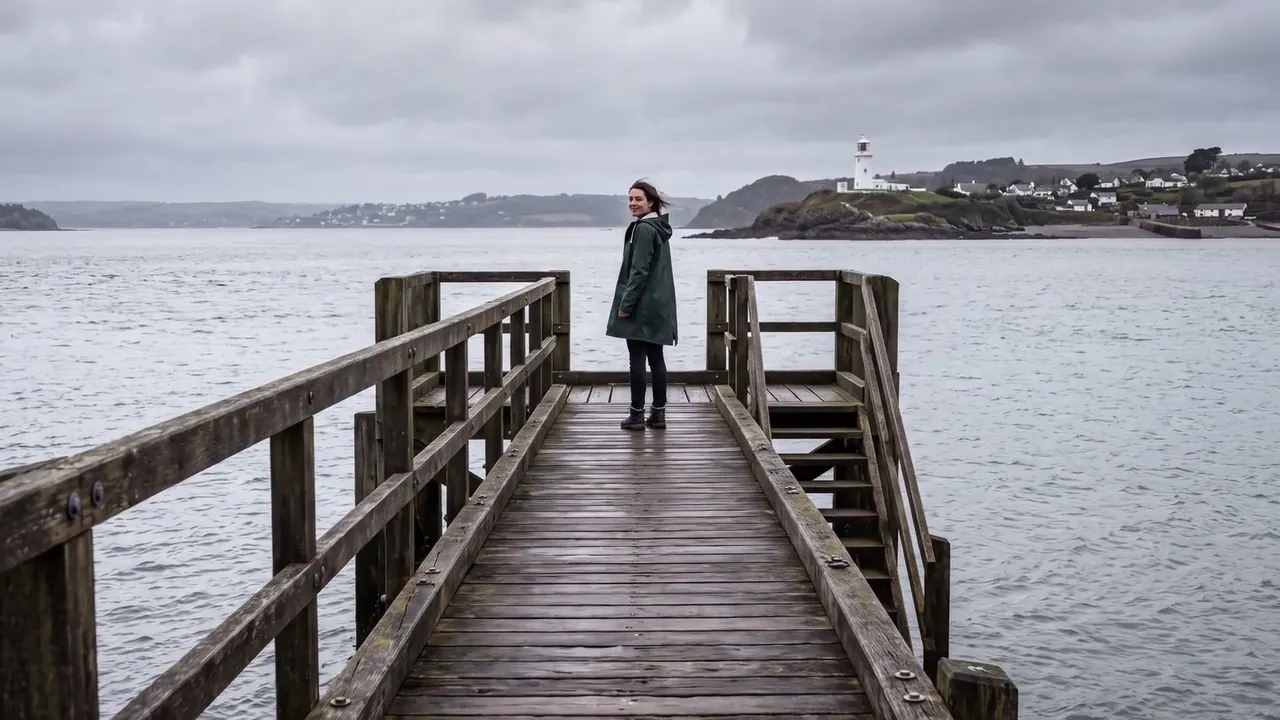
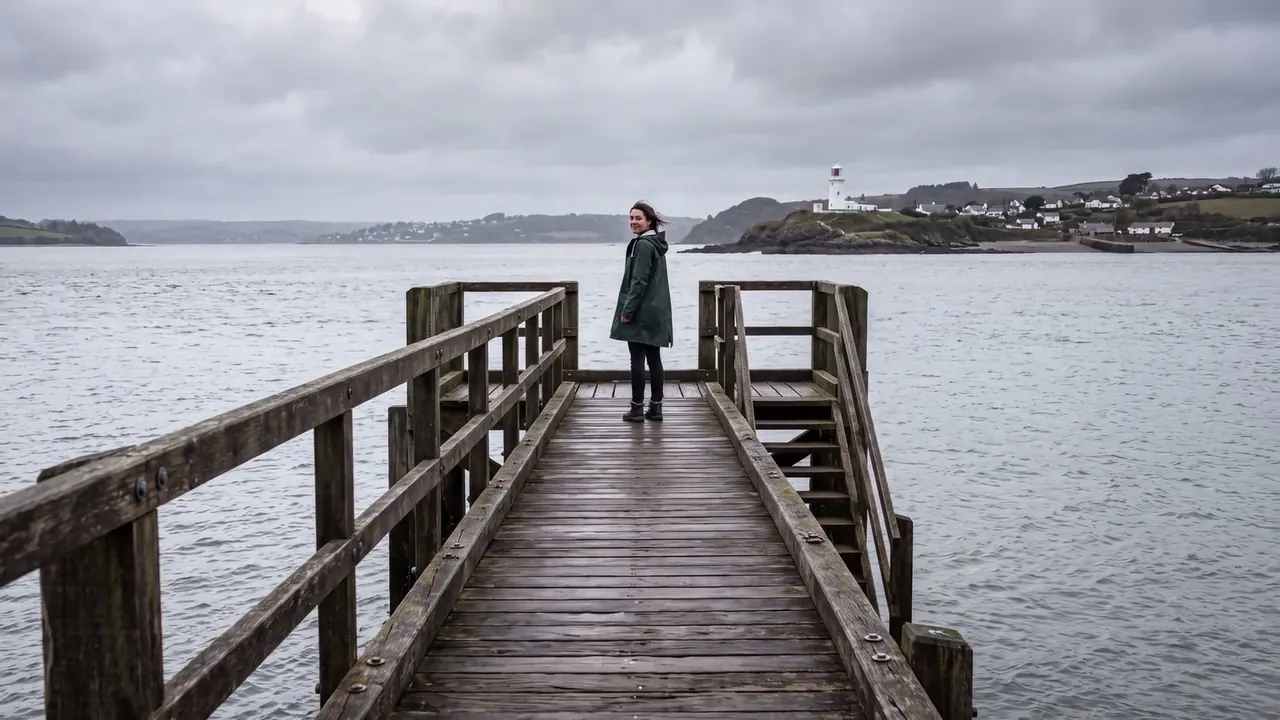
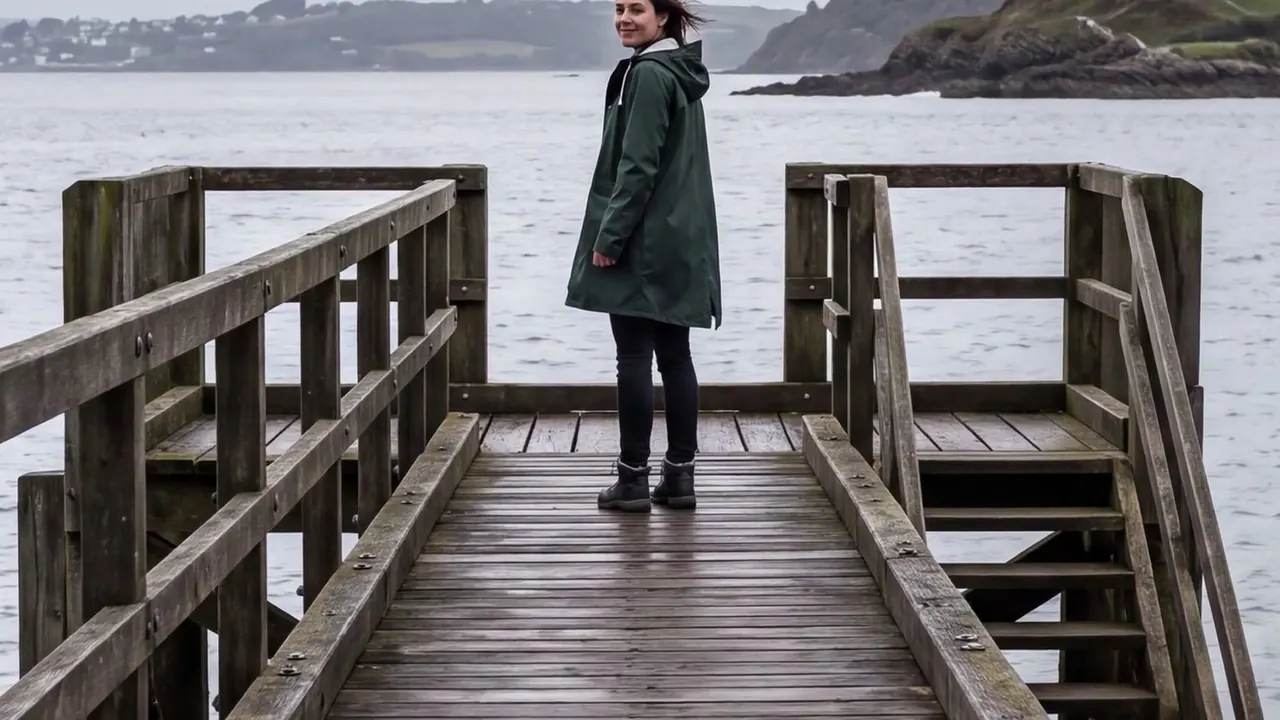
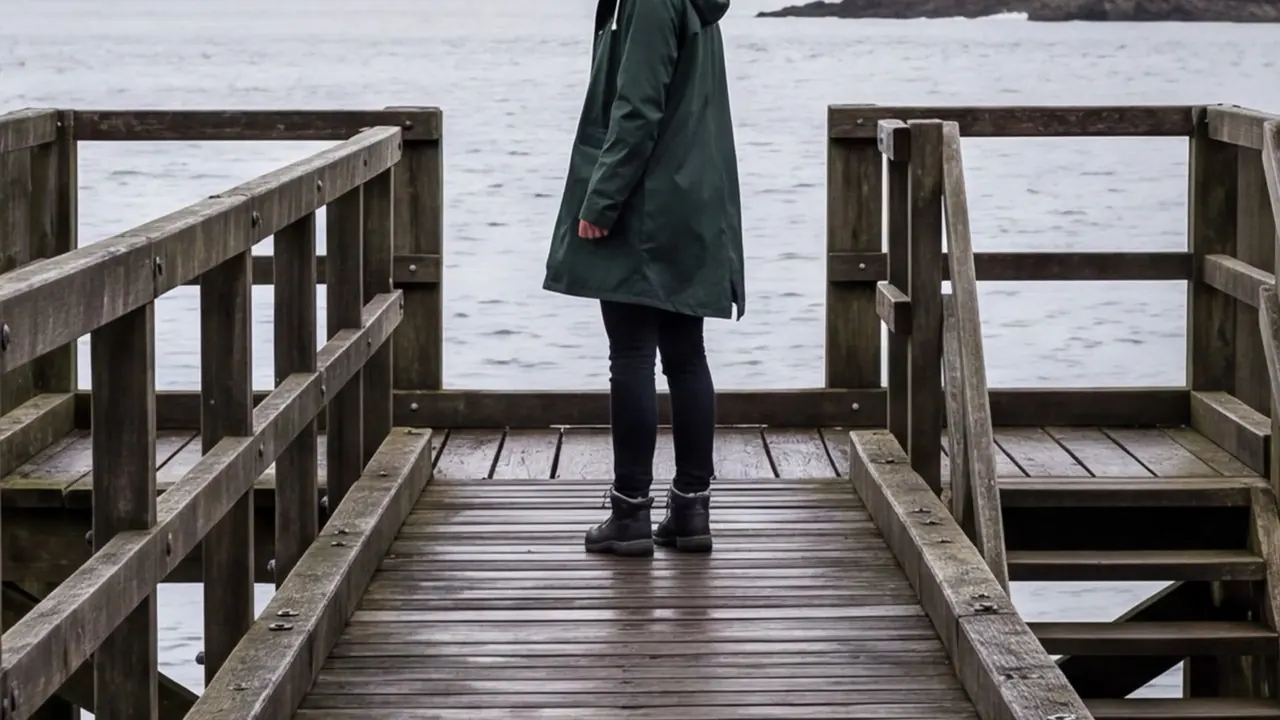
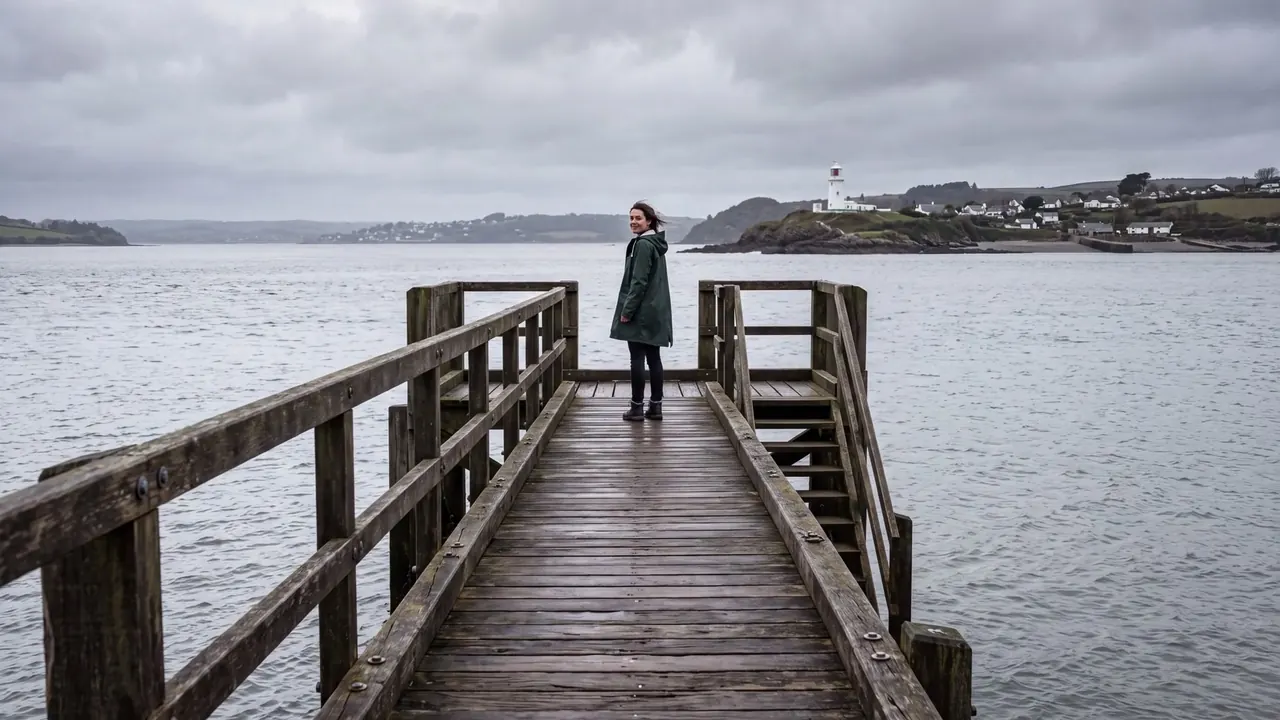
Rapid Zoom Out
The lens widens fast, but not as a single snap.
Opens a video model with the prompt in it. The price is on the page before you sign in.
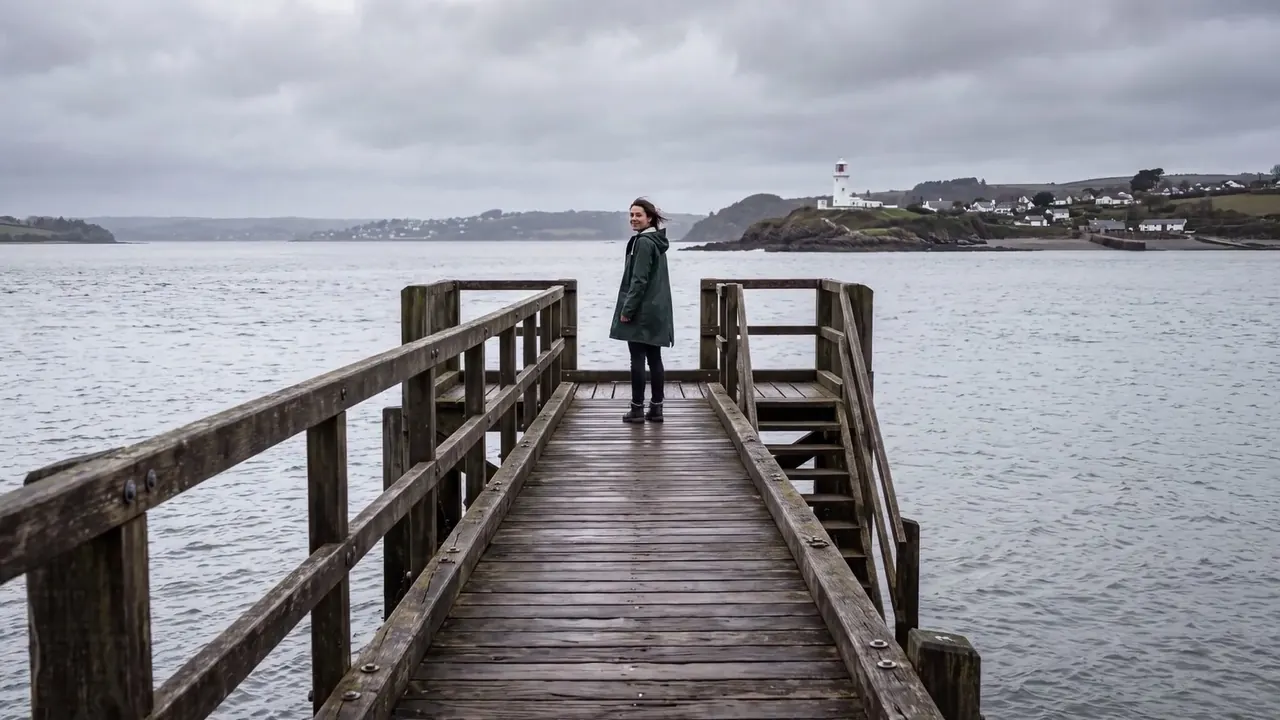
What it is for
The frame opens fast and the context lands in one move. The audience gets the wider picture before they have finished reading the tight one.
The speed itself carries tone. A quick widening is often funny, because it treats the reveal as a punchline rather than a discovery.
It gives a reveal without giving it weight. The audience gets the information and the tone stays light, which a slow widening cannot do.
How it works
The lens runs from long to wide in roughly a second and settles on the wide frame. The settle keeps it from reading as a snap.
The wide composition has to be worth arriving at. The move is short, so whatever the frame opens onto is doing the work.
A short ease at the end keeps it from reading as a crash. The lens slows over the last part of its travel and settles into the wide frame.
The wide frame then holds. A rapid zoom out that ends the instant it arrives gives the audience no time to read the thing it just revealed.
When to use it
Use it to deliver context quickly, to land a joke, and to get out of a tight shot without a cut.
Skip it when the reveal deserves time. Anything the audience should sit with wants a slow zoom out or a dolly.
It also works in series. Three rapid zooms out in a row, each revealing a wider situation, is a standard comic escalation and it reads as a deliberate structure rather than as repetition.
Told apart from its neighbours
A pull out moves the camera backwards through the space, so foreground objects sweep past the edges of frame. A rapid zoom out never leaves its spot, so nothing new enters from the sides with parallax.
If a doorway or a shoulder slides past the camera on the way back, it is a pull out. If the walls just arrive flat, the lens did it.
The prompt
Replace the blanks, keep the rest. Then run it on a video model.
rapid zoom out from <subject>, fast lens change over about a second, settles on the wide frame
What goes wrong
The middle speed goes missing and you get a creep or a snap. Say fast lens change over about a second, settling on the wide frame.
The second failure is backward travel. State that the camera body stays put, or the model pulls the camera back instead of widening the lens.
A third problem is a request for radial blur, which pushes the model toward a crash. Leave the blur out and let the duration carry the speed.
A fourth problem is a start frame that is already wide. The move has to begin tight enough that the opening is a change, so name the start size as well as the end.
Leave out
dolly back, slow zoom
Watch for
It is faster than a slow zoom and slower than a crash. Give the duration in words.
Questions
Shoot it
Pay for the one run. No subscription, and the price is on the model page before you sign in.
Next to it in zooms