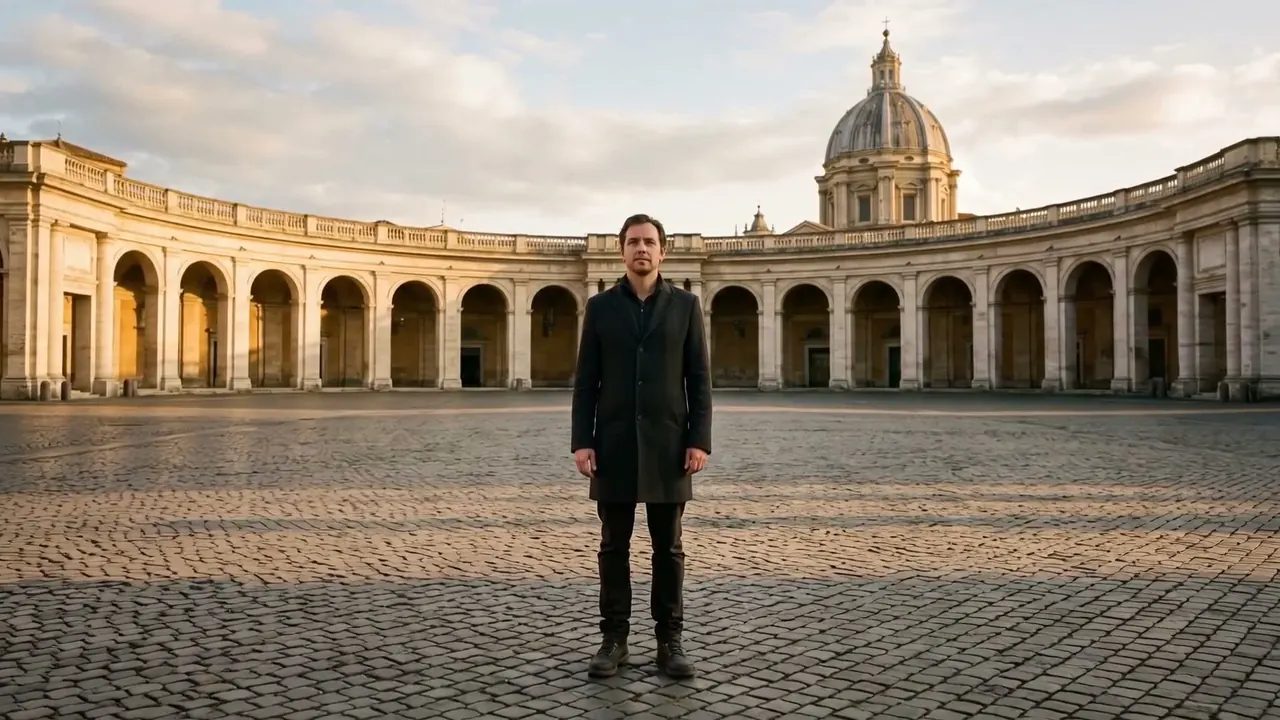
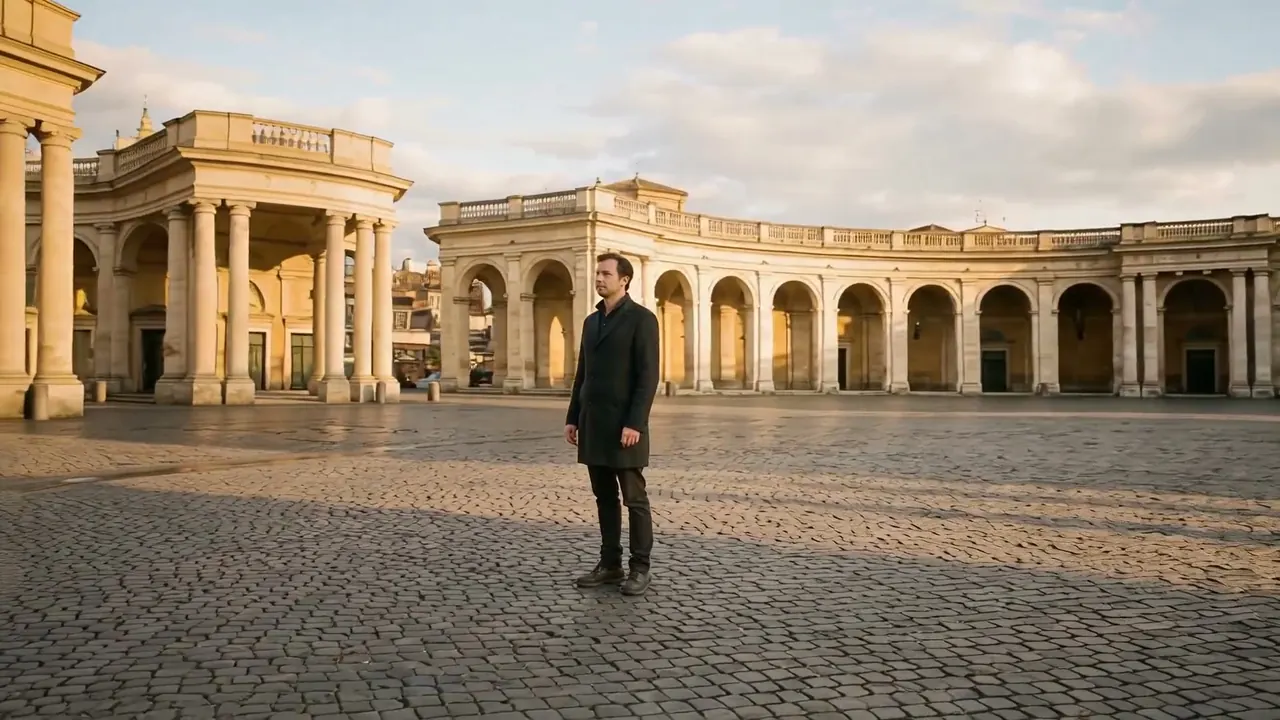
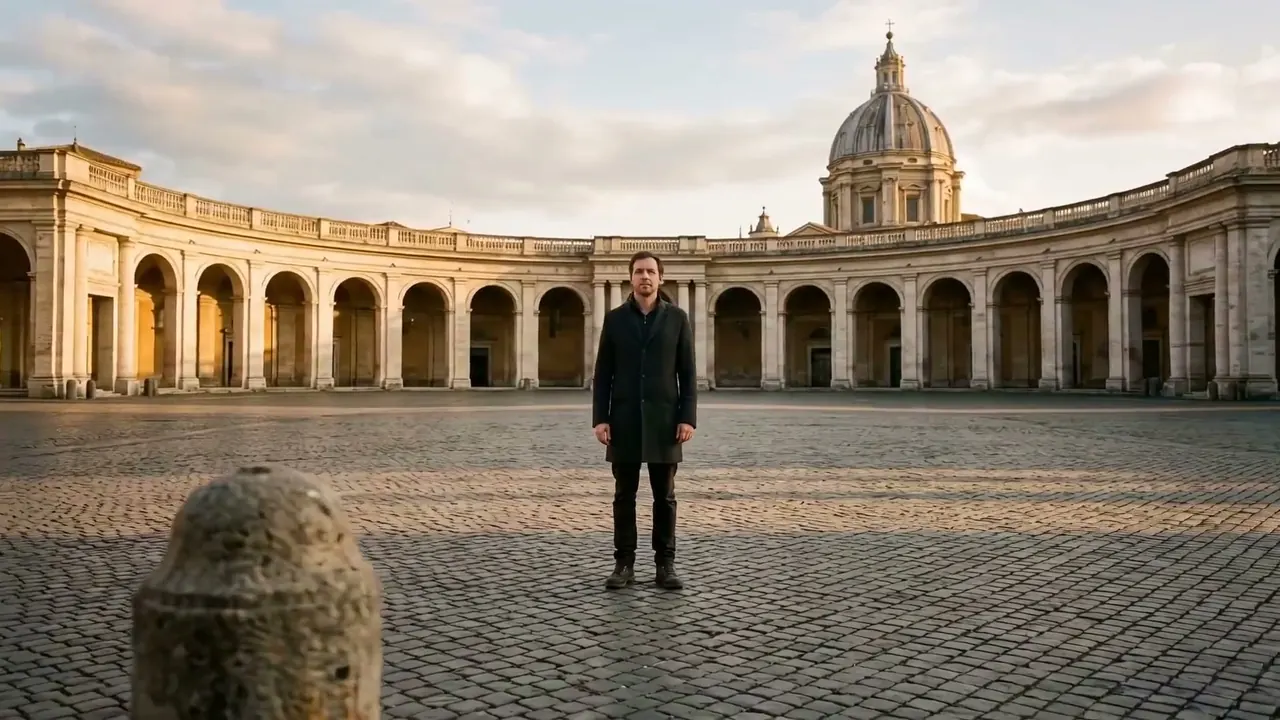
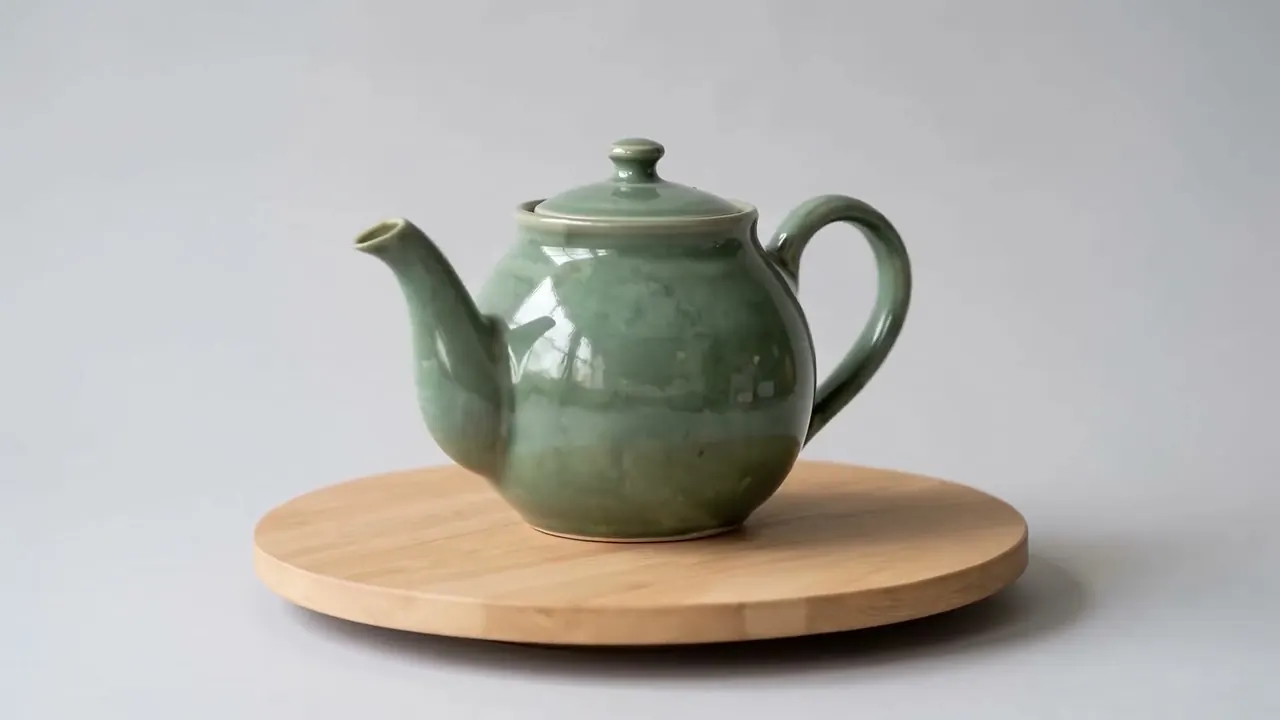
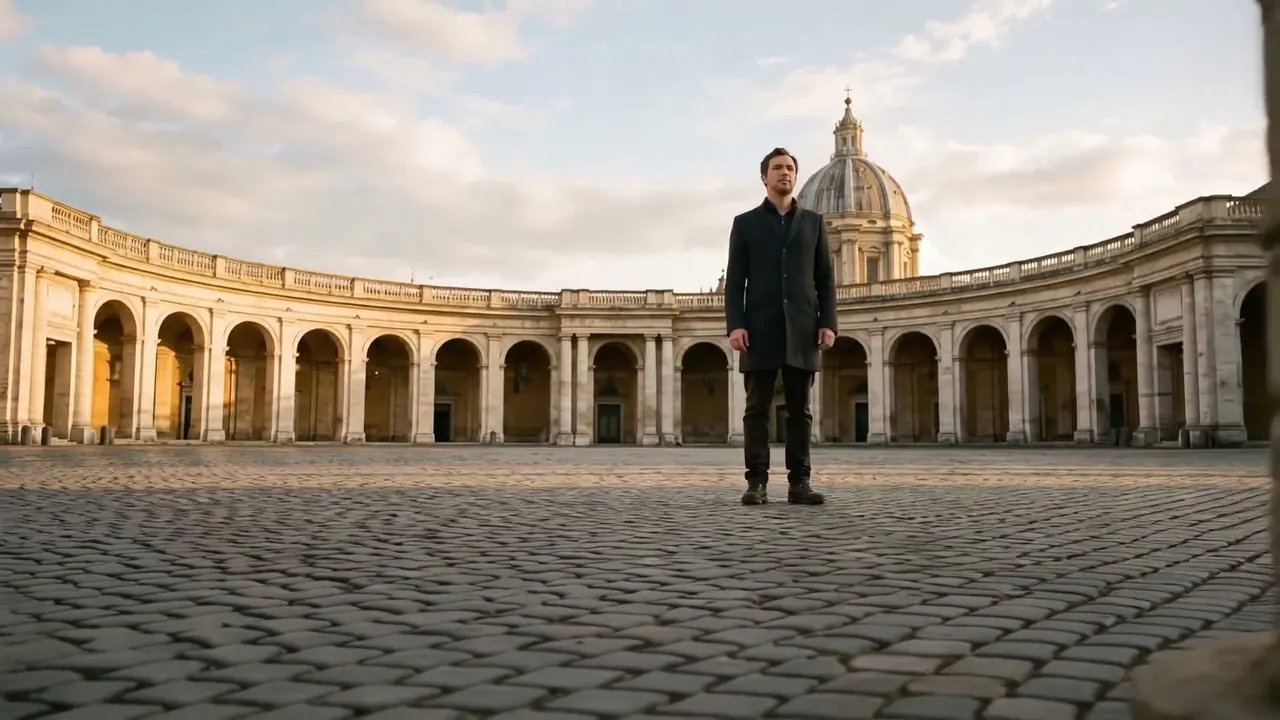
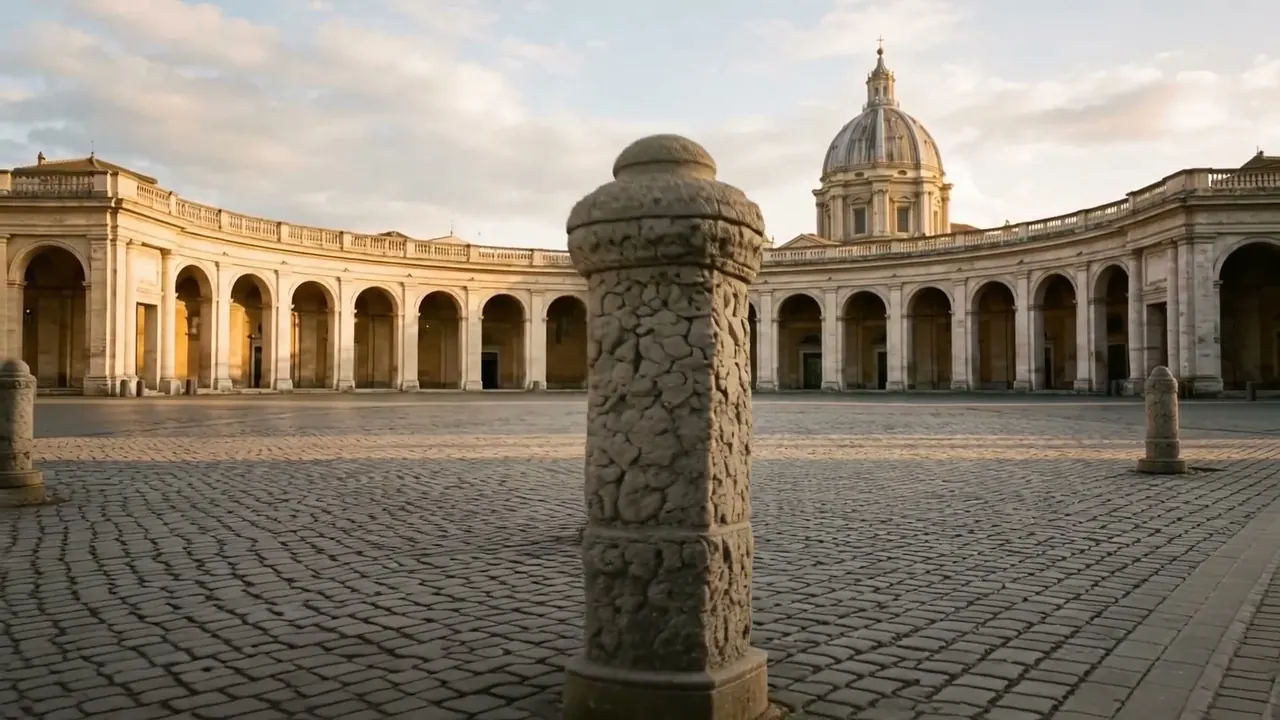
360-Degree Orbit
- circular tracking
- orbit shot
- Orbit 360
- 360-degree shot
The camera circles the subject through a complete turn.
Opens a video model with the prompt in it. The price is on the page before you sign in.
What it is for
A complete circle shows every side of the subject and returns to where it began. Because it closes, it reads as a held moment rather than as a journey from one place to another.
It also isolates. Going all the way round a person tells the audience that this is the thing, and the rest of the world is scenery moving behind it.
How it works
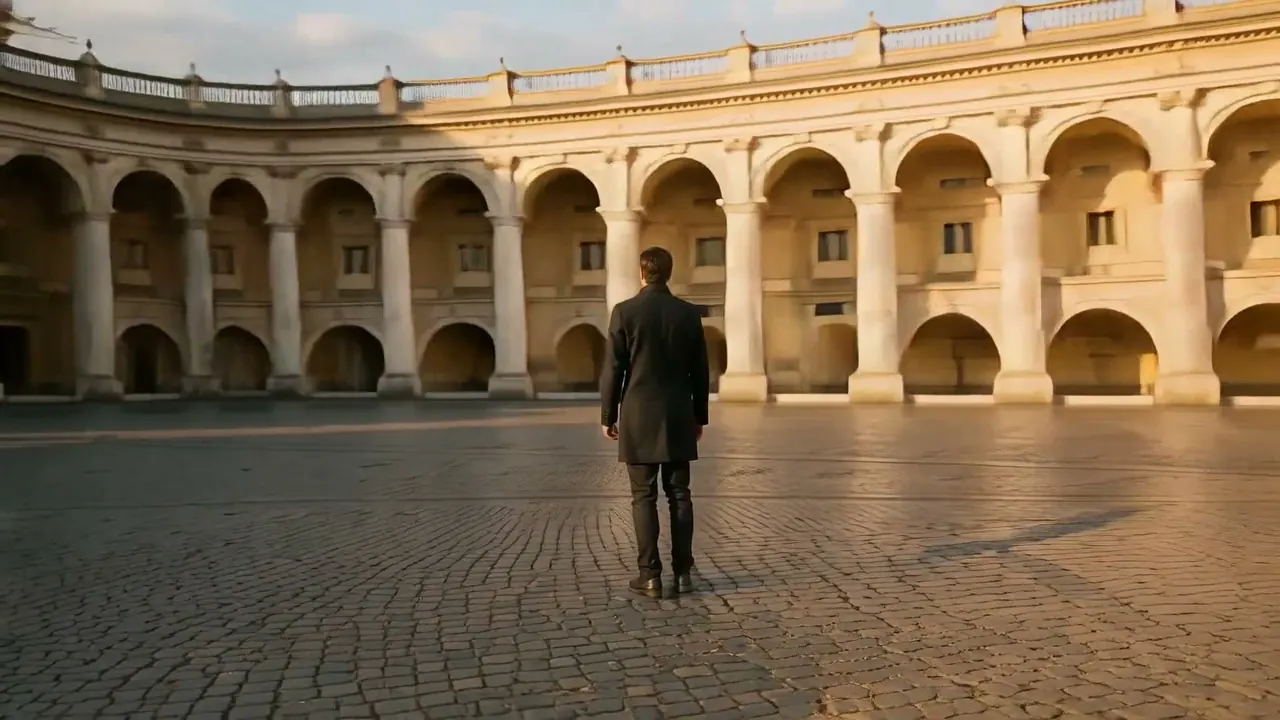
The camera travels a full circle at a constant radius with the subject at the centre. The subject stays the same size in frame, and the background passes completely once.
The move takes time. A full turn that is over in a second reads as a spin, so an orbit usually runs long enough for the audience to notice the background come back around.
A circular track is the traditional rig. The other approach places many still cameras on the circle and fires them in sequence, which freezes the moment and moves the viewpoint through it instead.
When to use it
Use it on a decision, a reunion, a transformation, and any beat that should feel suspended.
Skip it for anything ordinary. A full orbit is a large gesture, and used on a small moment it makes the moment look inflated.
Told apart from its neighbours
An arc is a part turn that ends somewhere new. A 360 degree orbit completes the circle, which is why it lands back on the frame it started on.
The check is the background. If it comes all the way round and repeats, you have an orbit. If it stops short, you have an arc, and the shot will read as unfinished if a full turn was what you wanted.
On film
Alfred Hitchcock circles Scottie and Judy in the hotel room in Vertigo (1958), and the background changes to a different place partway through the turn. The Matrix (1999) reached the same viewpoint with a ring of still cameras fired in sequence, which holds the action still while the viewpoint travels the circle.
- Vertigo (1958)
- The Matrix (1999)
The prompt
Replace the blanks, keep the rest. Then run it on a video model.
camera orbits <subject> a full 360 degrees, constant radius, subject centered, background sweeping past
What goes wrong
The model stops part way, because a partial turn is far more common in footage. Say a full 360 degrees and that the move returns to its starting angle.
The other failure is a subject that drifts or scales during the turn. Ask for a constant radius and say the subject stays centred and the same size throughout.
Leave out
part turn, straight track
Watch for
Say full turn. A part turn is an arc and reads as an unfinished move.
Questions
Shoot it
Pay for the one run. No subscription, and the price is on the model page before you sign in.
Next to it in circling the subject