Dolly Zoom
- vertigo effect
- zolly
- trombone shot
- Contra-zoom
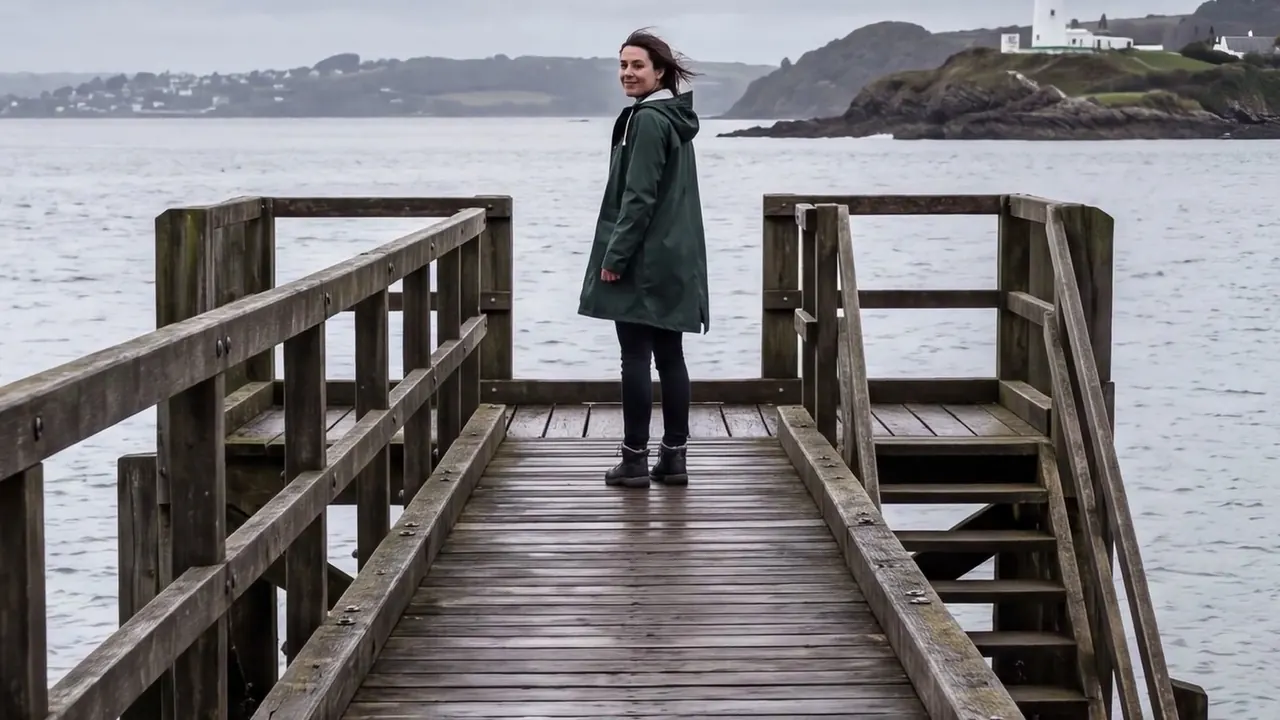
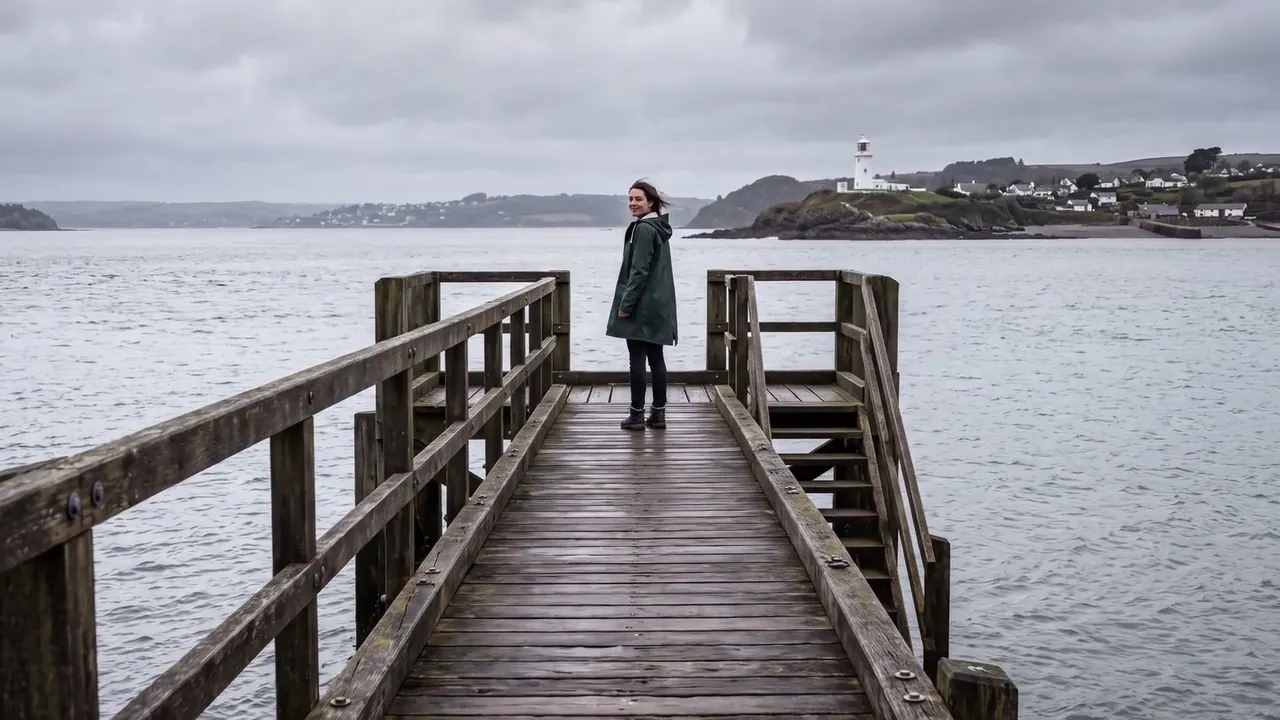
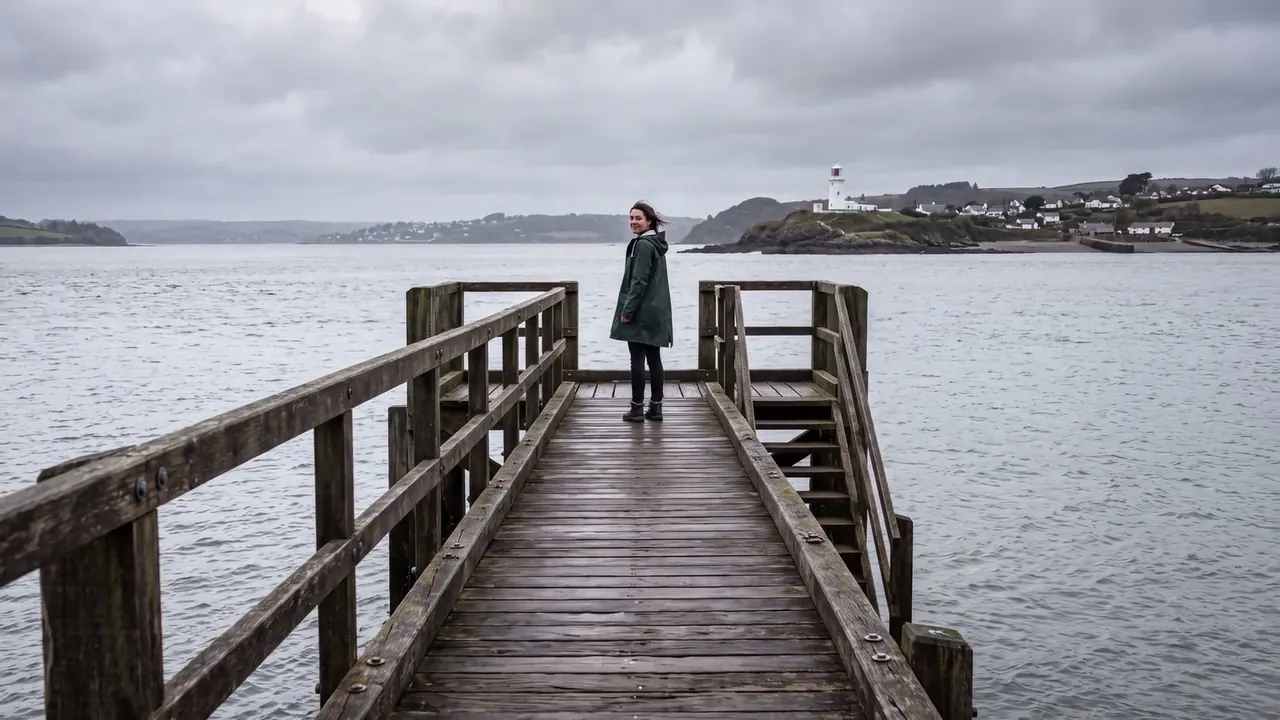
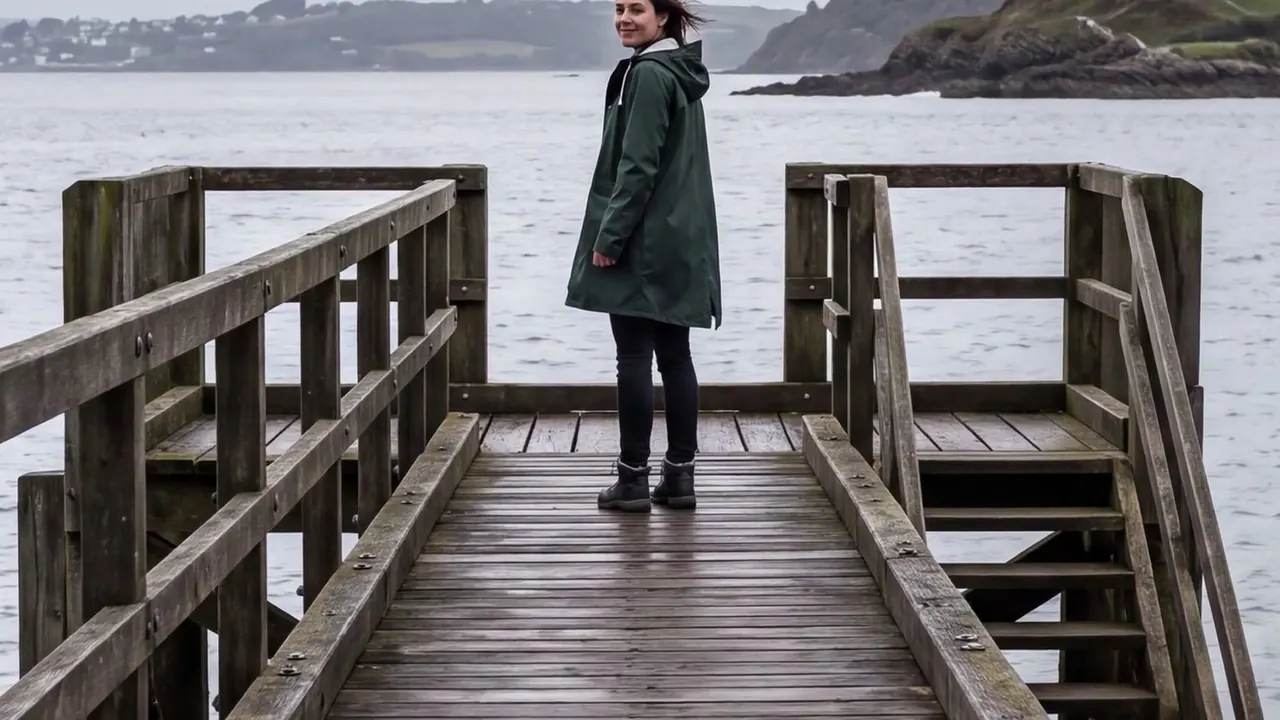
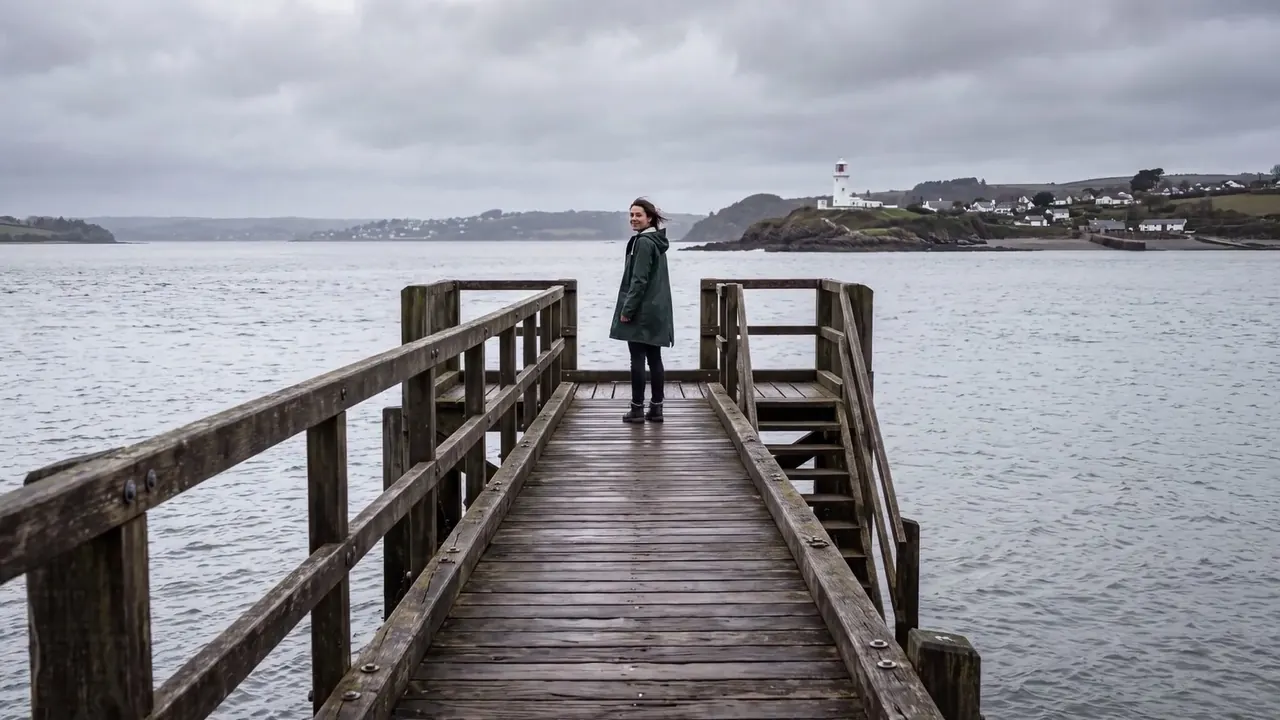
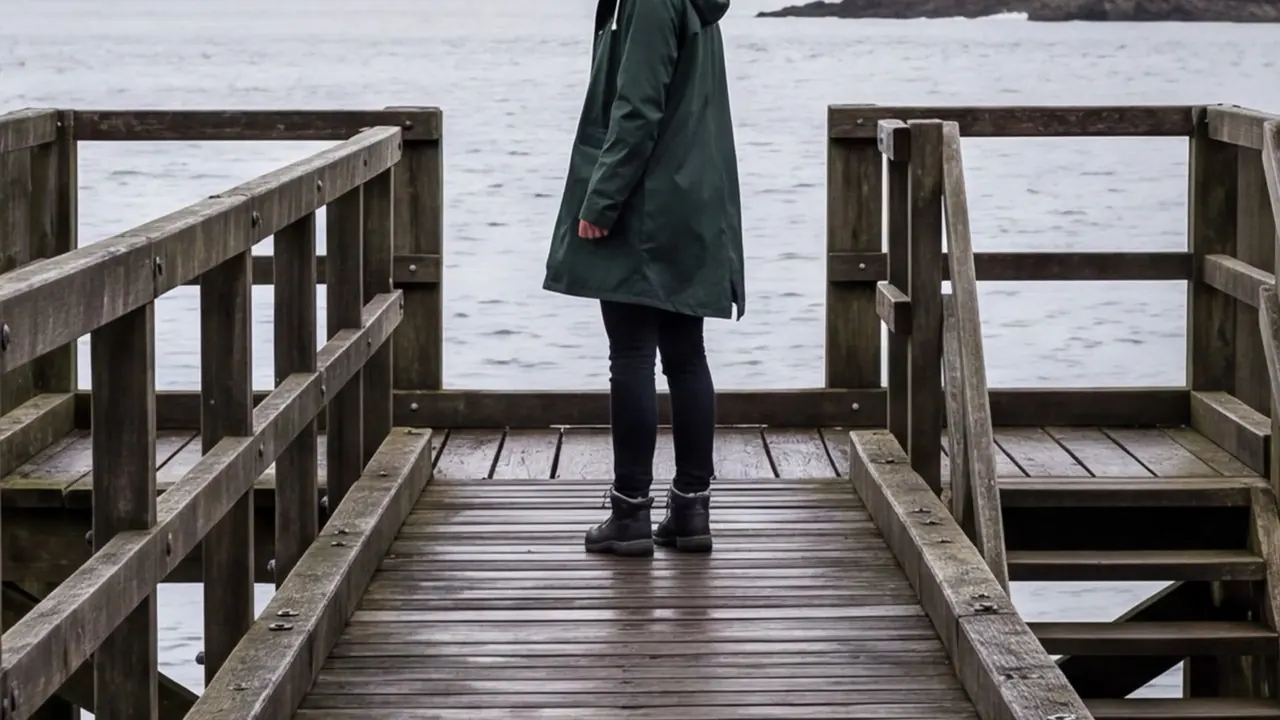
The camera travels one way while the lens zooms the other, so the background warps.
Opens a video model with the prompt in it. The price is on the page before you sign in.
What it is for
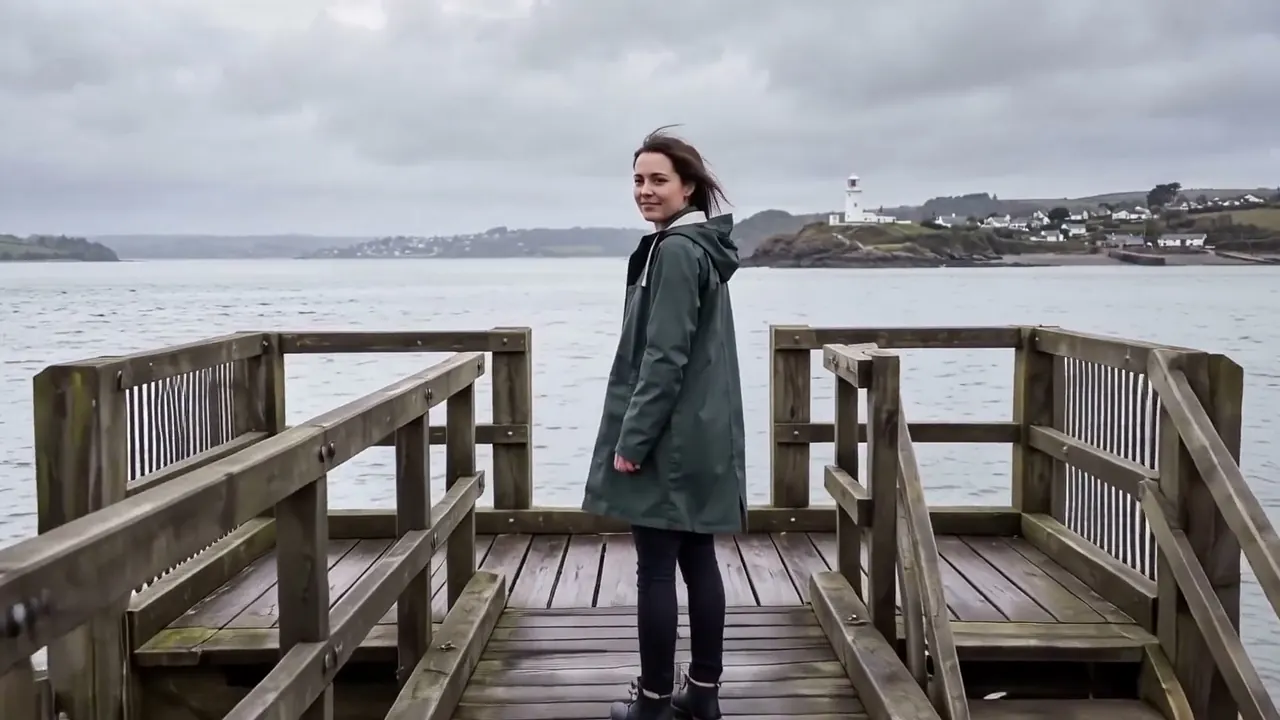
The camera travels one way while the lens goes the other. The subject holds its size and the world behind it stretches or crushes, which is an image the eye has no reference for.
It shows a change in understanding rather than a change in place. The character has not moved and the ground has shifted anyway.
How it works
Two moves run at matched rates in opposite directions. The camera tracks back while the lens zooms in, or the camera pushes in while the lens zooms wide. Whatever the pair, the subject stays the same size in frame for the whole move.
The background carries the whole effect, because only the perspective is changing. A long lens compresses depth and a wide lens stretches it, so as the focal length runs, the space behind the subject expands or collapses.
It needs a background with depth in it. A subject against a flat wall gives you nothing to warp, and the shot looks like a slightly unstable zoom.
When to use it
Use it on a realisation, on vertigo and on the moment a character's situation changes under them. Once per film is the usual dose.
Skip it in a scene meant to feel ordinary. The move is conspicuous and the audience will read it as a signal whether or not you wanted one.
It also needs a still subject. Anything that walks toward or away from the camera changes its own size in frame, which breaks the match the whole effect depends on.
Told apart from its neighbours
A dolly in moves the camera forward and the subject gets bigger. A dolly zoom moves the camera and cancels the size change with the lens, so the subject stays put while the background misbehaves.
The check is one line. If the subject changes size, it is not a dolly zoom.
On film
Irmin Roberts built the shot for Alfred Hitchcock on Vertigo (1958), which is why the effect still carries that name. Steven Spielberg uses it on Brody in Jaws (1975) at the moment he sees the attack, and Martin Scorsese runs a long slow version behind Henry and Jimmy in Goodfellas (1990) while the ground moves under their conversation.
- Vertigo (1958)
- Jaws (1975)
- Goodfellas (1990)
The prompt
Replace the blanks, keep the rest. Then run it on a video model.
dolly zoom on <subject>, subject holds the same size, background stretches and warps behind, vertigo effect
What goes wrong
The subject grows or shrinks, which means the two moves were not matched. State that the subject holds the same size in frame throughout, because that is what sells the warp.
The second failure is a shallow background. Name what is behind the subject and how far away it is, so there is depth for the effect to act on.
A third problem is a move that is over too quickly. The warp needs time to be seen, so ask for it to run across several seconds rather than as a snap.
Leave out
plain zoom, plain dolly
Watch for
The subject must stay the same size. That is what sells the warp.
Questions
Shoot it
Pay for the one run. No subscription, and the price is on the model page before you sign in.
Next to it in zooms