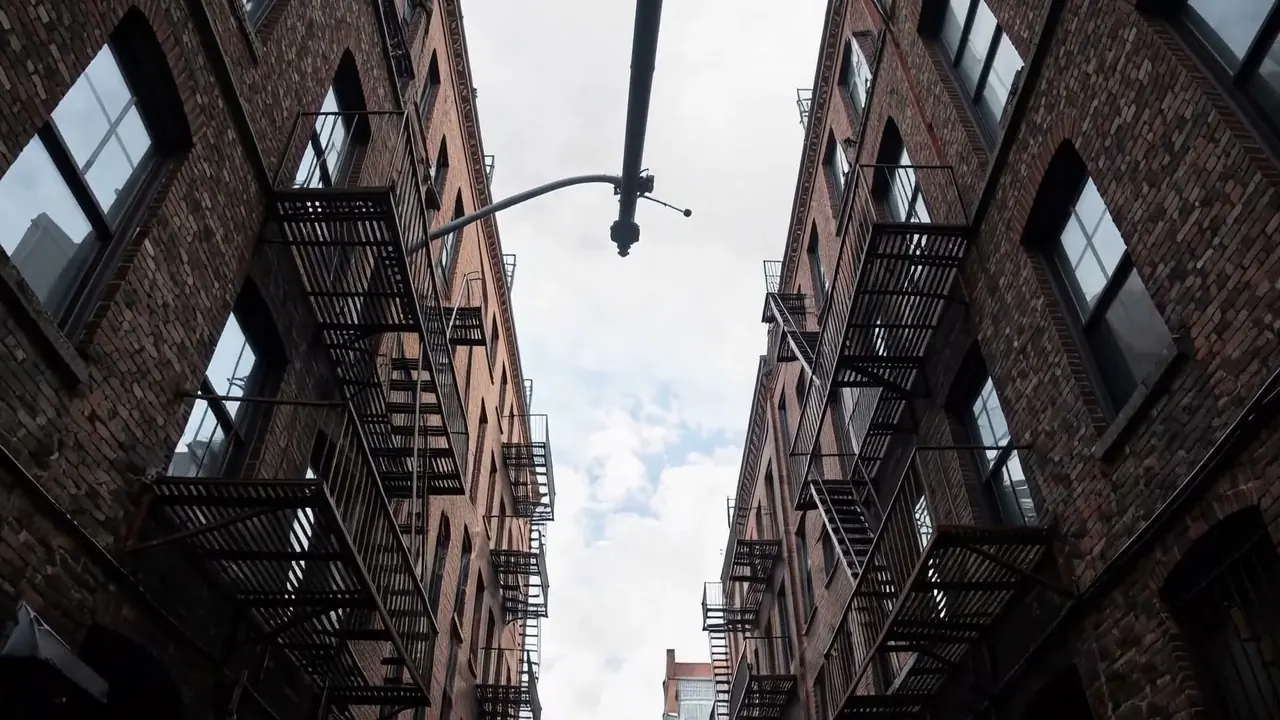
Crane Over The Head
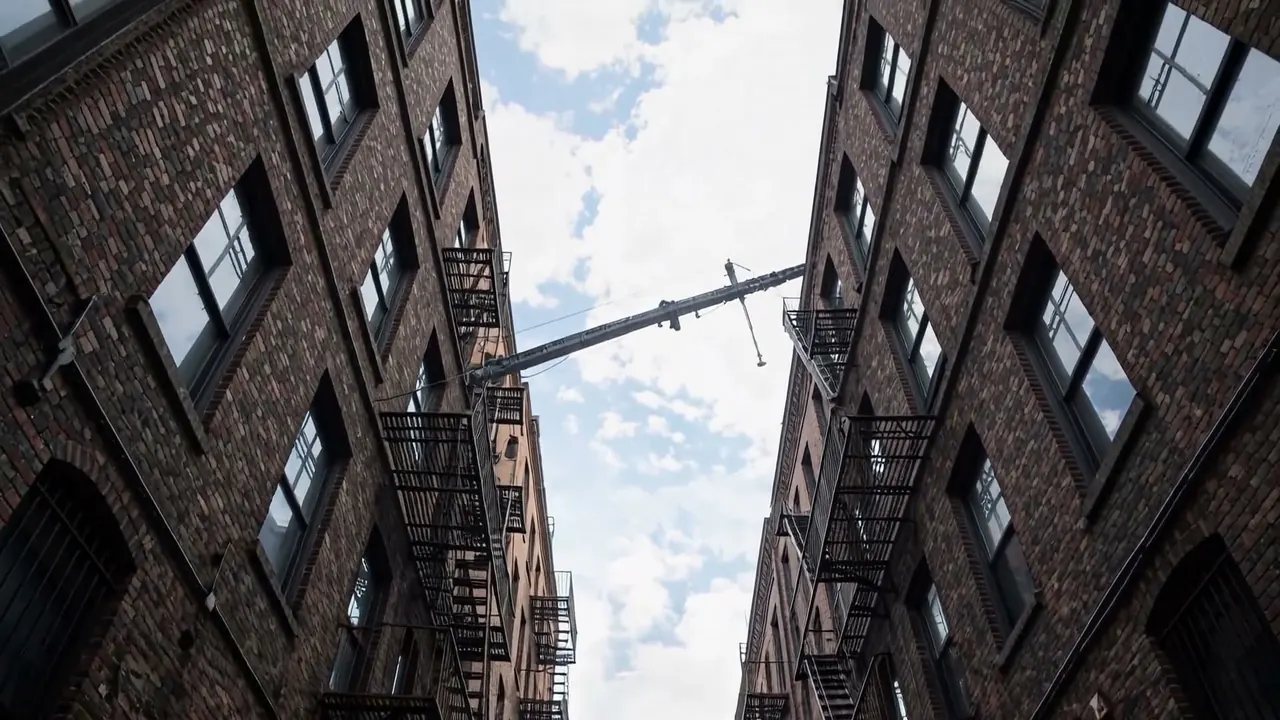
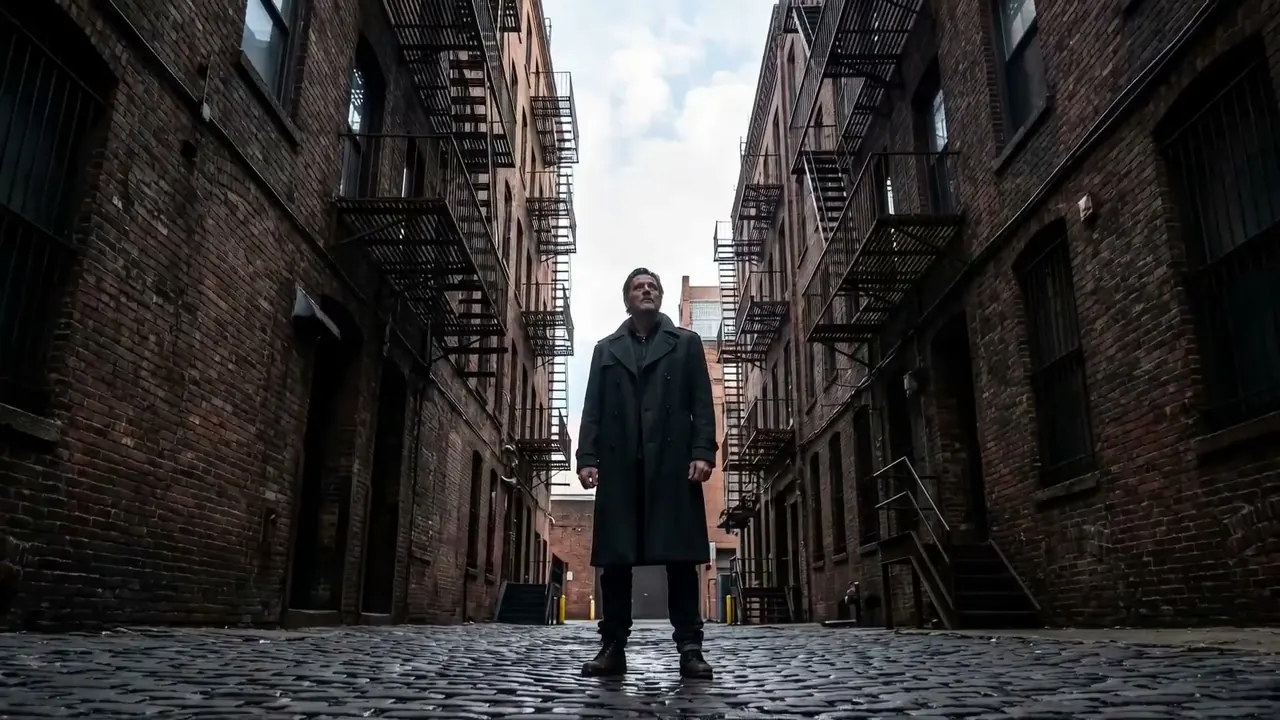
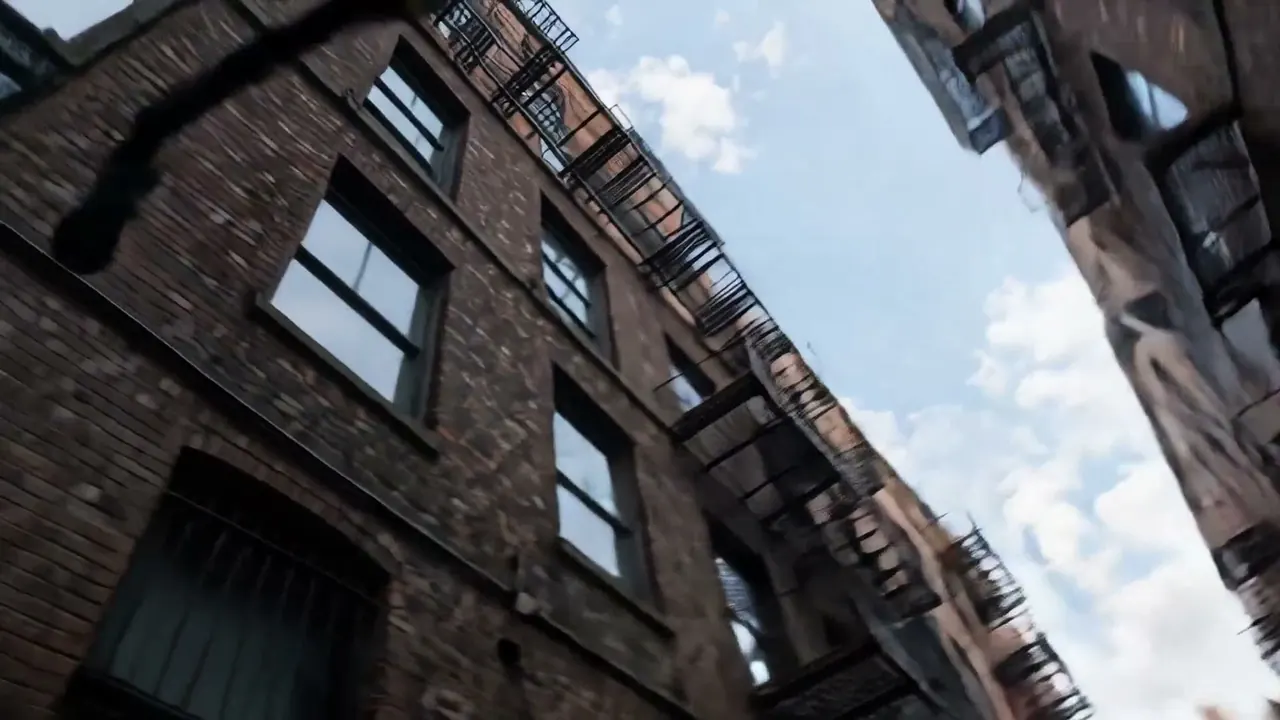
The camera rises over the subject and looks back down.
Opens a video model with the prompt in it. The price is on the page before you sign in.
What it is for
The camera rises past somebody and then looks back down at them, so the audience goes from being with a person to being above them in one move. The shift in position is a shift in sympathy.
It also hands over information. What the person can see is replaced by what the person cannot see, which is the usual reason to end a scene this way.
How it works
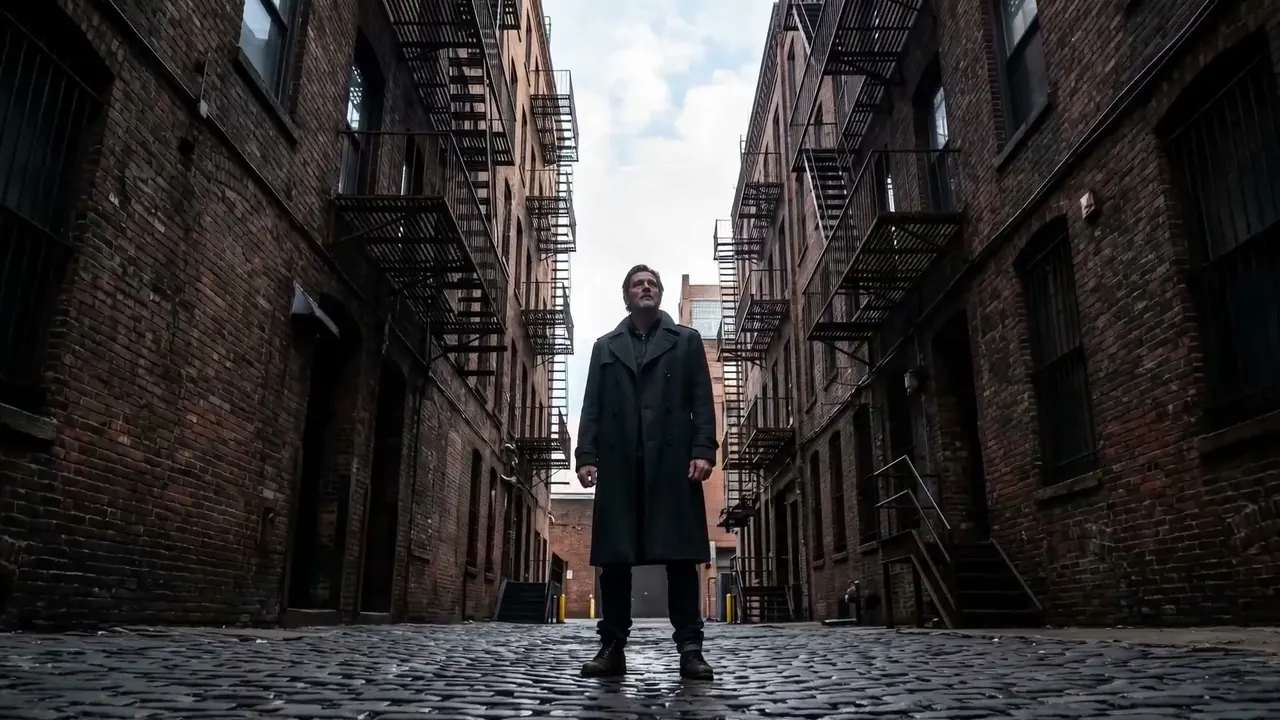
The camera starts at or below head height, climbs past the shoulders, and tilts down so the subject stays in frame from above. The rise and the tilt run together.
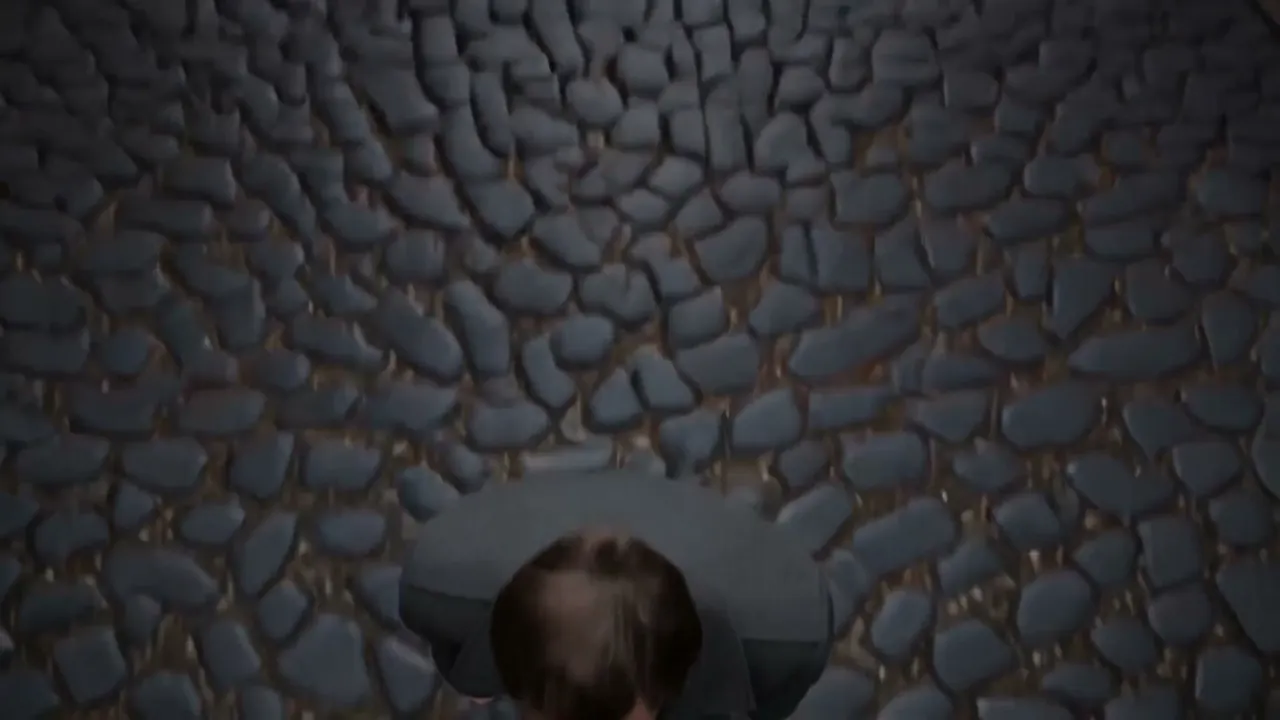
The finish is the definition. This move has to end looking down, and if the angle at the top is the same as the angle at the bottom, it is an ordinary rise.
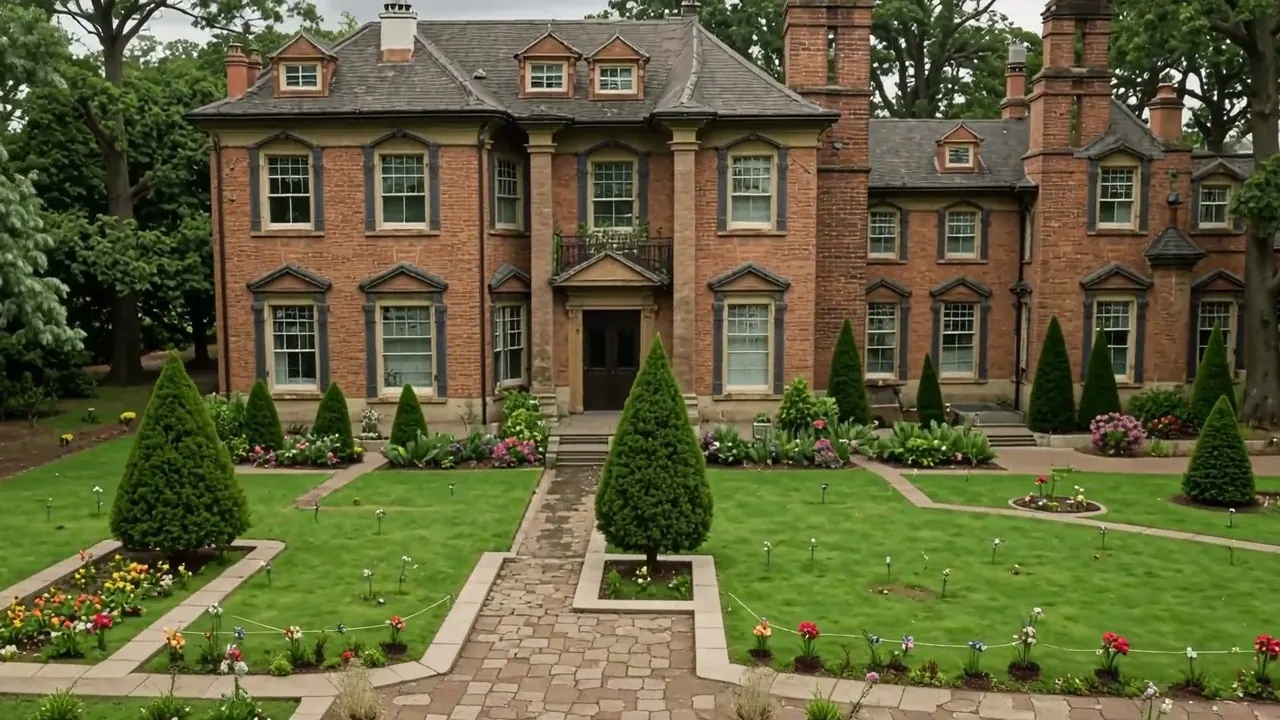
What surrounds the subject is what the top of the move is for. Say what appears around them once the camera is overhead.
When to use it
Use it to leave a character behind, to reveal what is around somebody who cannot see it, and at the end of a scene where the audience should step back from the person they were with.
Avoid it mid scene when the audience still needs to be with the character. The overhead position is detached by nature.
Told apart from its neighbours
An overhead top-down shot begins above and stays there. This move starts at head height and travels to that position while the audience watches, so the change is the content.
Watch the first frame. Starting overhead is a top-down shot. Arriving overhead is a crane over the head.
The prompt
Replace the blanks, keep the rest. Then run it on a video model.
crane rises over the head of <subject>, camera clears the shoulders and tilts down, top-down finish
What goes wrong
The camera rises and keeps a level angle, so the shot never looks down. Say it clears the shoulders and tilts down to a top-down finish.
The second failure is a top-down frame from the first moment, which skips the move entirely. Say the shot starts at head height.
Leave out
low angle, ground level
Watch for
It ends looking down. Say so, or the camera rises and keeps the same angle.
Questions
Shoot it
Pay for the one run. No subscription, and the price is on the model page before you sign in.
Next to it in up and down