Fixed Cam
- locked camera
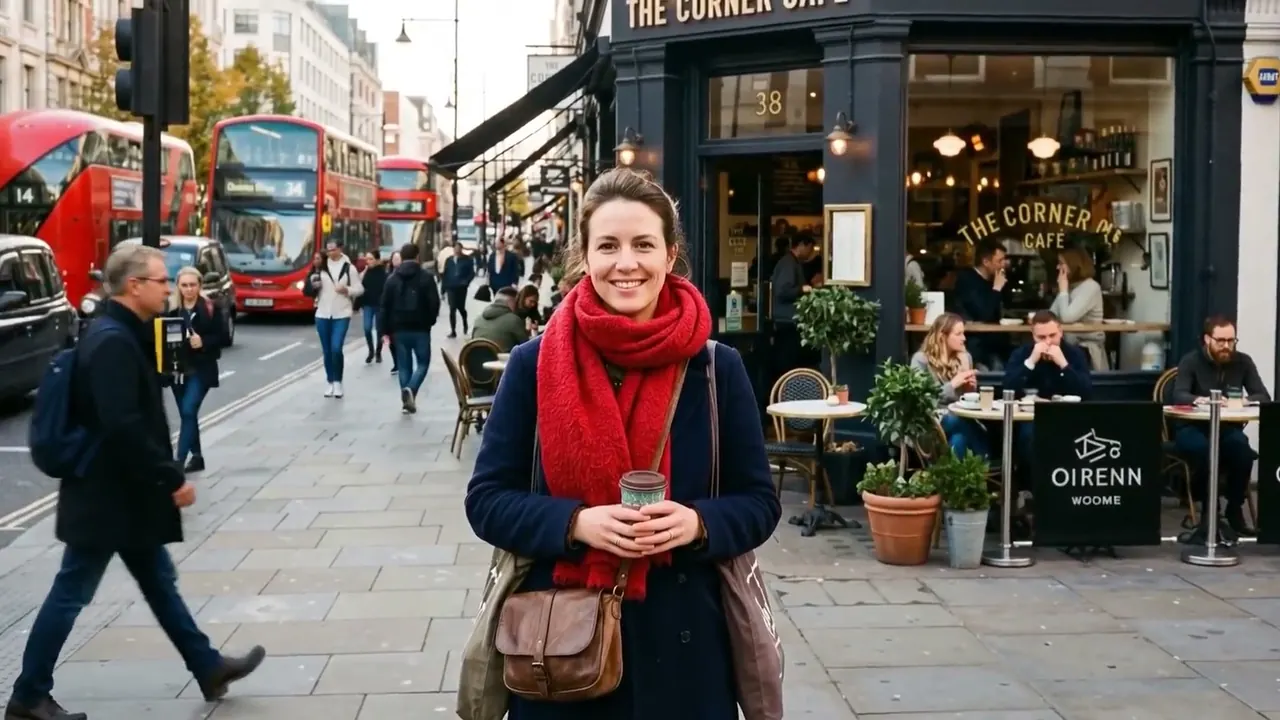
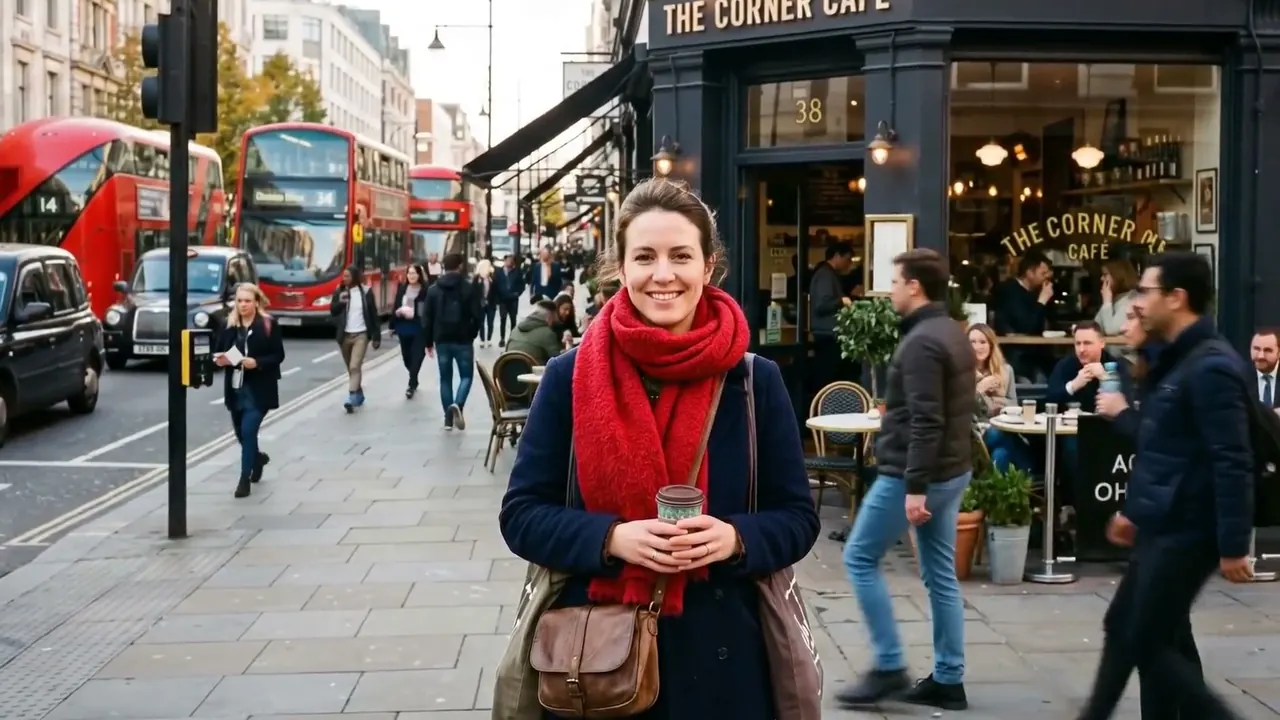
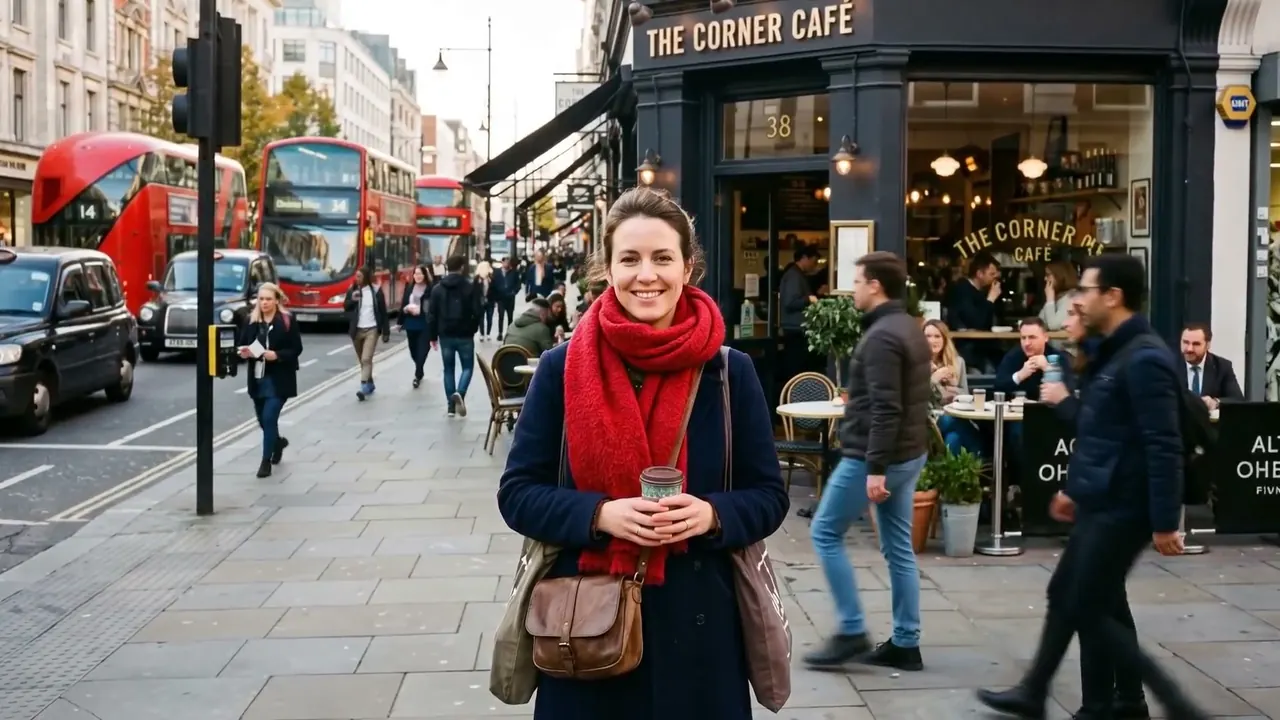
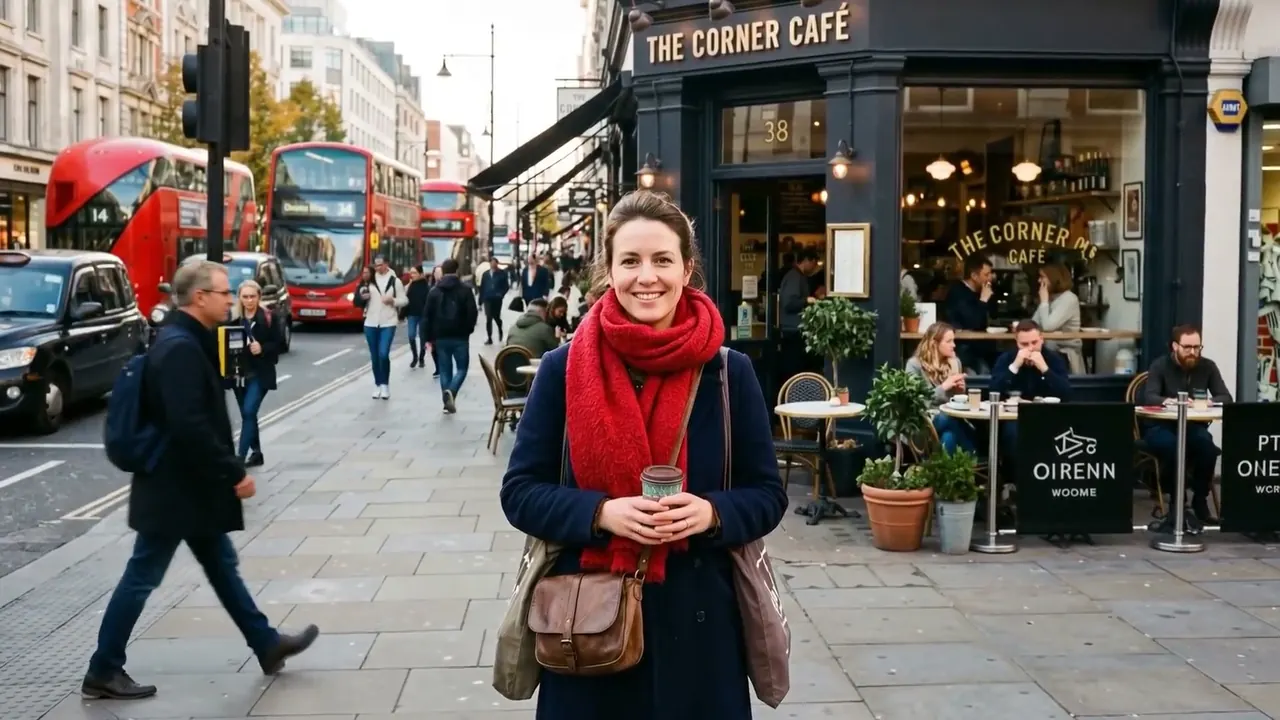
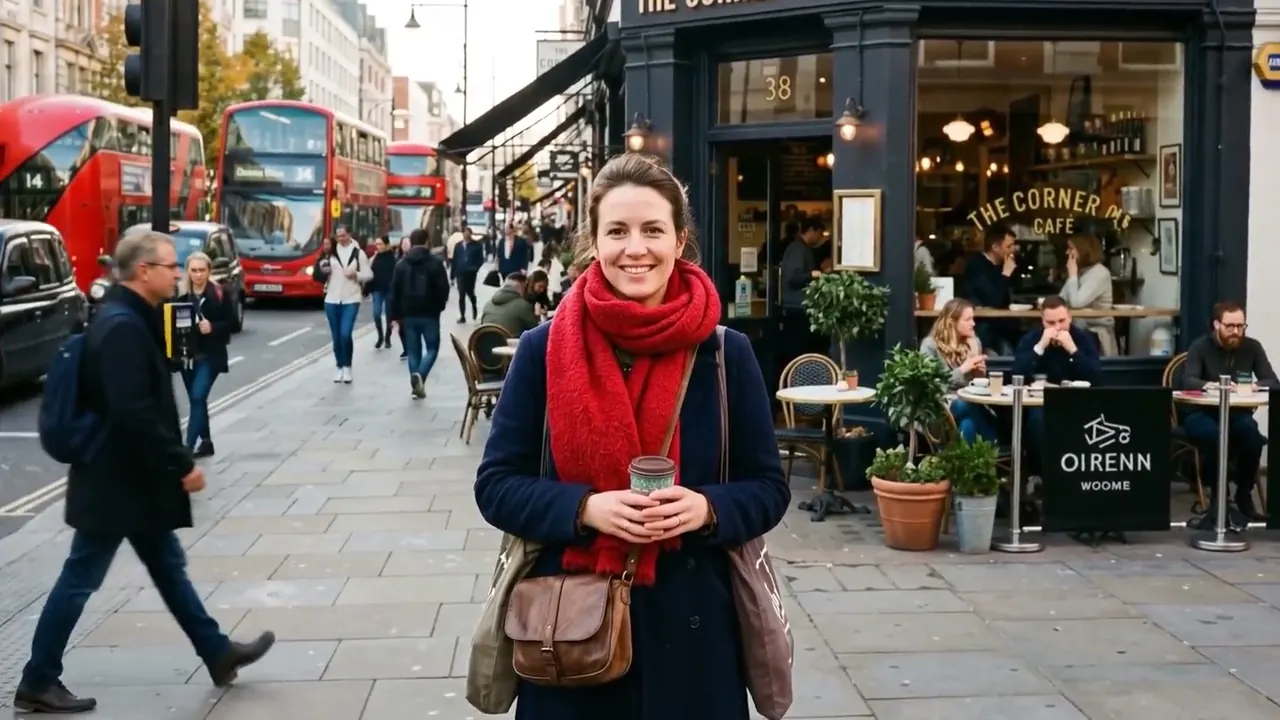
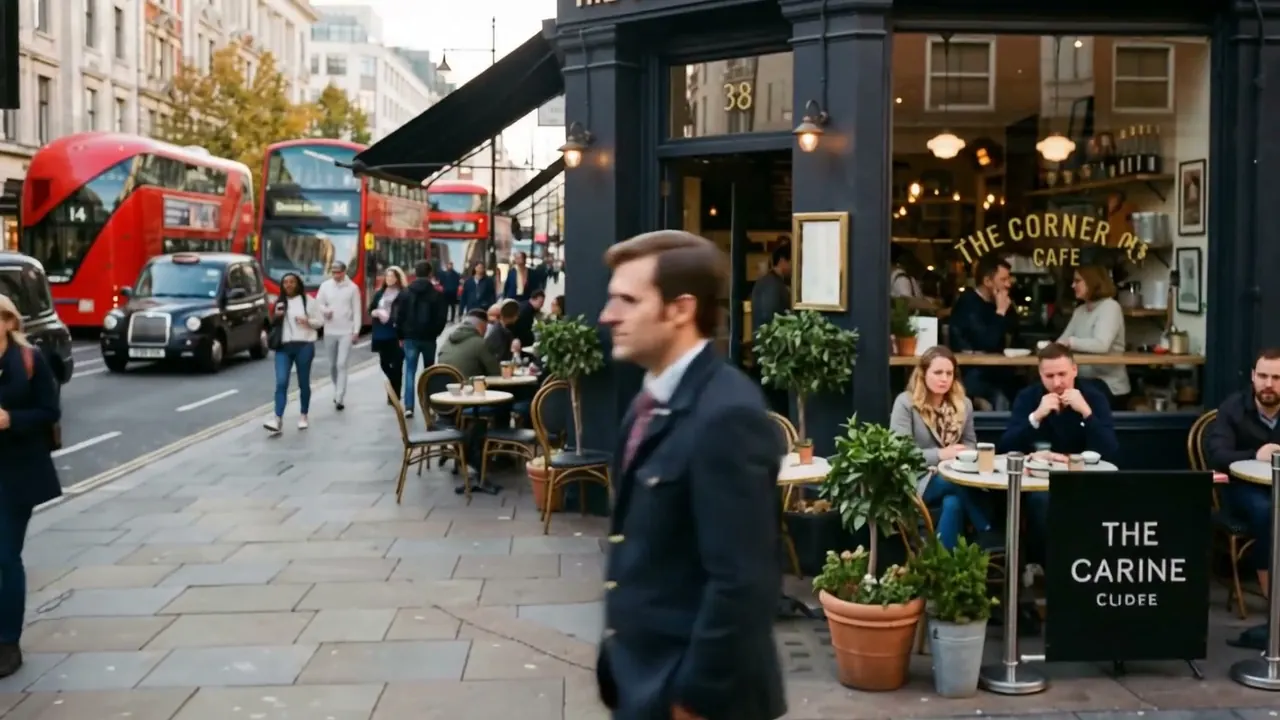
The camera does not move, and the subject works inside a locked frame.
Opens a video model with the prompt in it. The price is on the page before you sign in.
What it is for
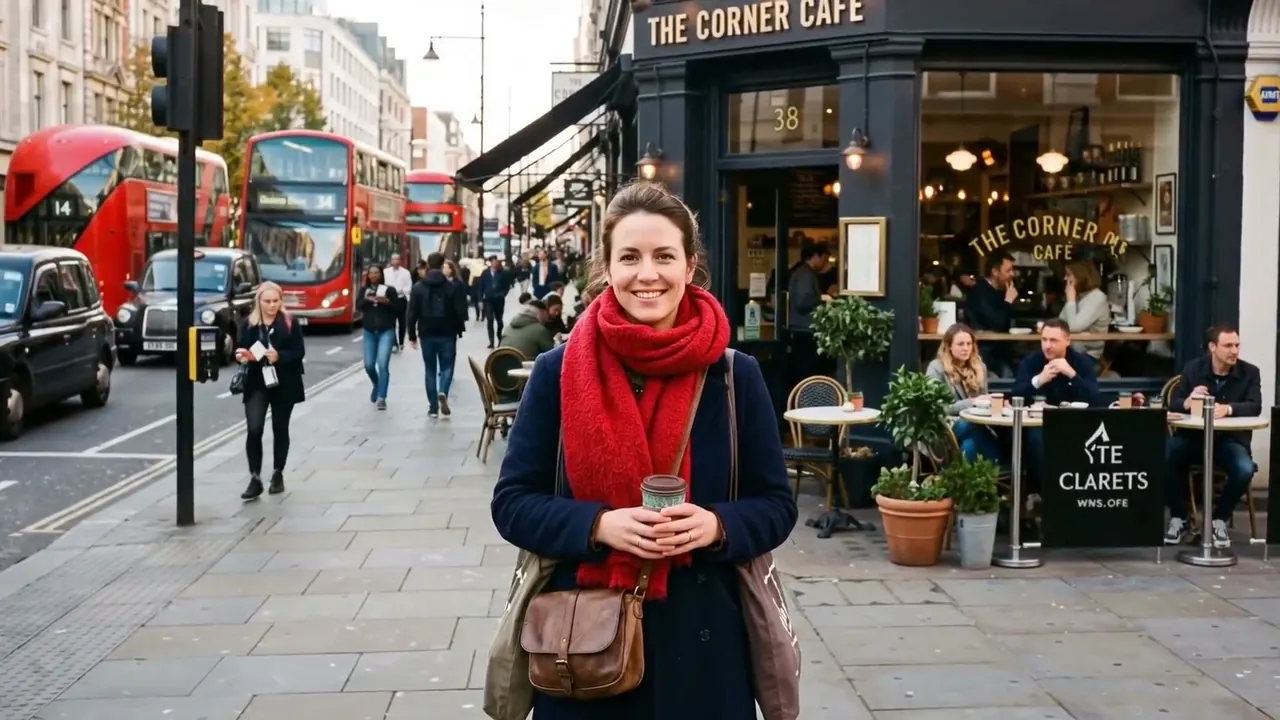
The camera does not move and the subject works inside its rectangle. The frame becomes a stage, and everything meaningful has to happen where it can be seen.
It puts the composition in charge. A person crossing from one side to the other is an event, because the camera gave them nothing.
It is the oldest frame there is. Early cinema had no other option, and the look still carries that flatness, which is useful whenever a scene should feel recorded rather than directed.
How it works
The camera is locked and the composition is designed for the whole action, not for one moment of it. Entrances and exits are planned against the edges of frame.
Depth does the work that movement would. Staging somebody near the lens and somebody at the back gives the shot a sense of change without the camera contributing any.
It suits a wider lens. A tight locked frame runs out of room the moment anybody moves, so the shot usually needs the space to hold them.
Camera height carries meaning here, since it never changes. Eye level reads as neutral, above eye level looks down on the space, and below it makes the room loom.
When to use it
Use it for staged comedy, for surveillance, for interviews and for anything with a theatrical feel where the audience should watch a whole space at once.
Skip it when the action travels. A fixed camera cannot follow, so a subject who walks away is simply gone.
It also builds a scene out of repetition. Returning to the same fixed frame across a film turns the composition itself into something the audience recognises.
Told apart from its neighbours
A tableau is a way of staging: frontal, composed, often symmetrical, arranged like a painting. A fixed cam is only a statement about the camera.
Every tableau is shot on a fixed camera. Plenty of fixed camera shots are ordinary rooms with nothing painterly about them.
Static locked-off describes the same camera behaviour from the camera's side. Fixed cam is usually said of the staging that results, where a subject has to work inside the rectangle they are given.
The prompt
Replace the blanks, keep the rest. Then run it on a video model.
locked camera on <subject>, frame does not move at all, subject moves within a fixed composition
What goes wrong
Drift arrives uninvited, since models treat slow movement as the default for video. Ban it by name, and repeat it if the first pass still breathes.
The second failure is a subject who leaves the frame and takes the scene with them. Say the subject moves within the fixed composition and stays inside it.
A third problem is a frame that is too tight. Ask for a wider composition than feels necessary, because a locked camera has no way to make room later.
Leave out
drift, handheld, breathing
Watch for
Models add drift by default. Ban it in words, twice if needed.
Questions
Shoot it
Pay for the one run. No subscription, and the price is on the model page before you sign in.
Next to it in how the camera is carried