Wandering
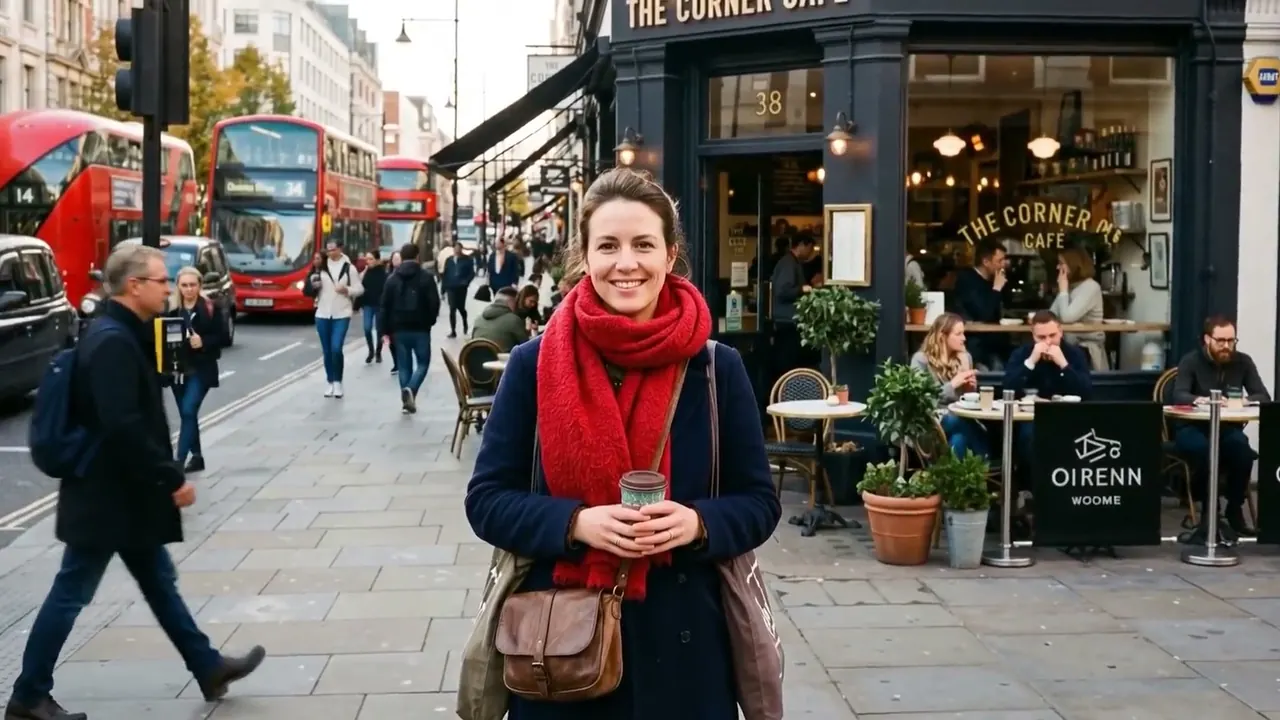
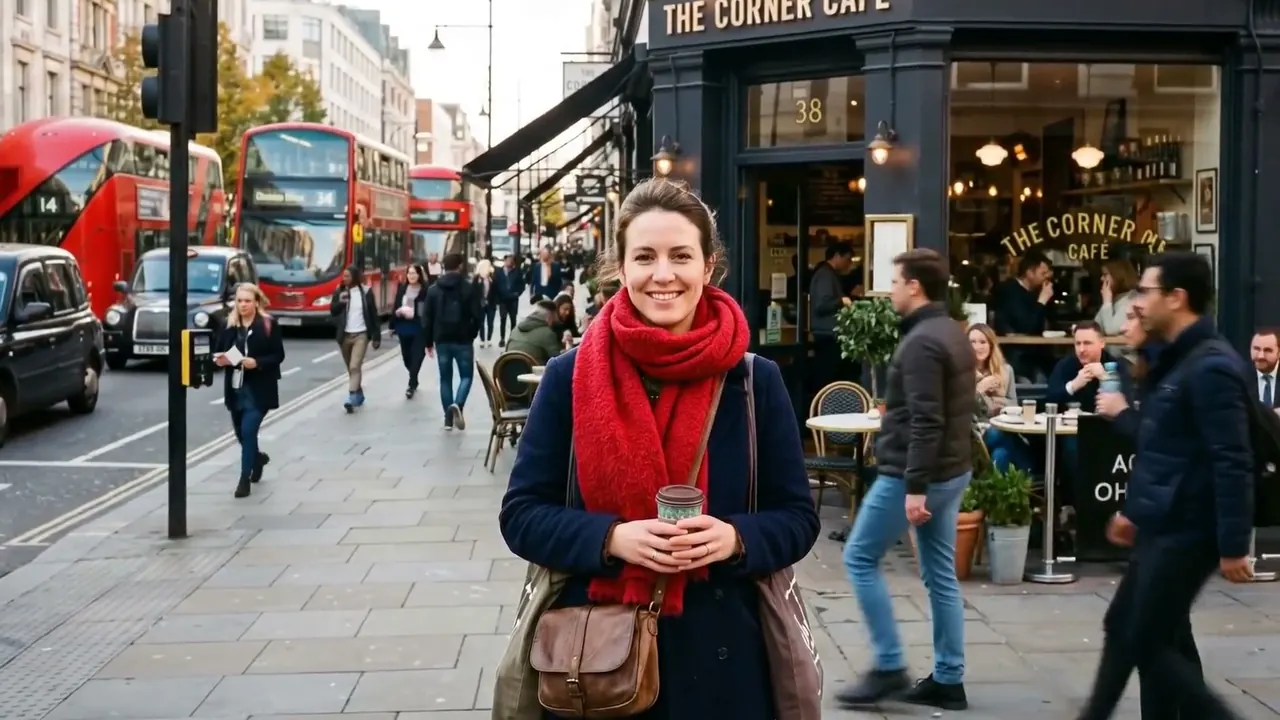
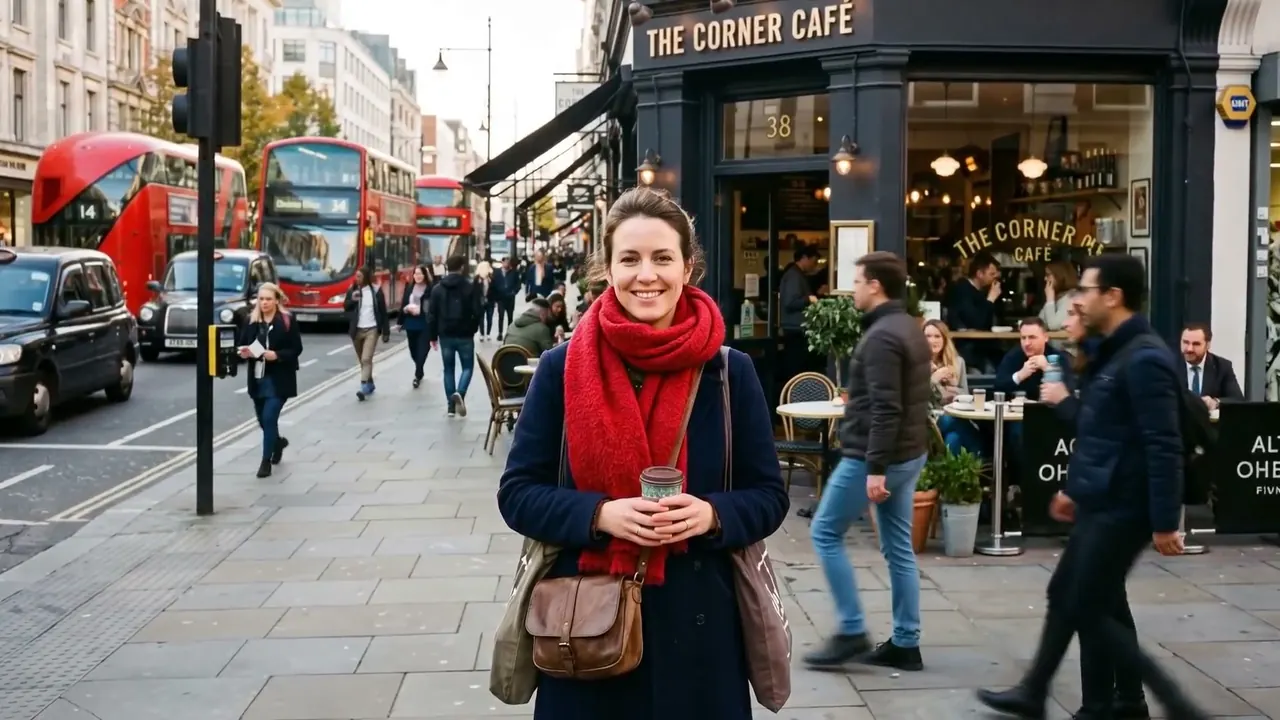
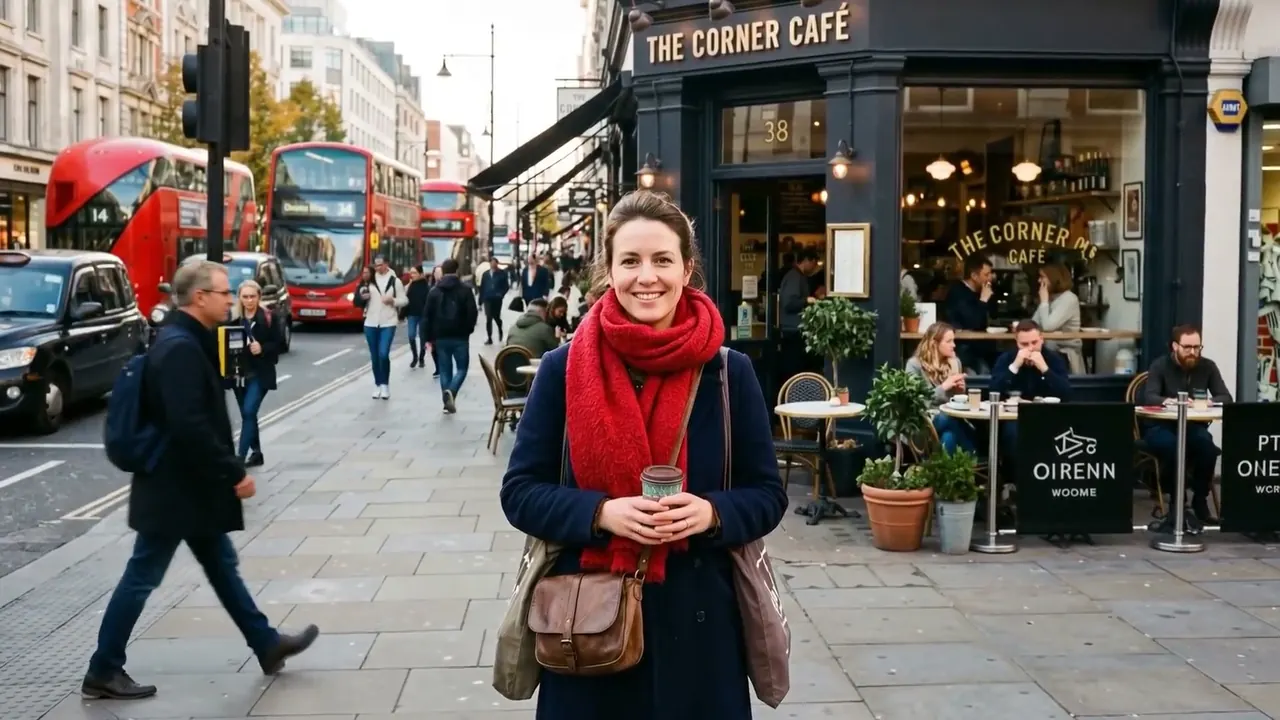
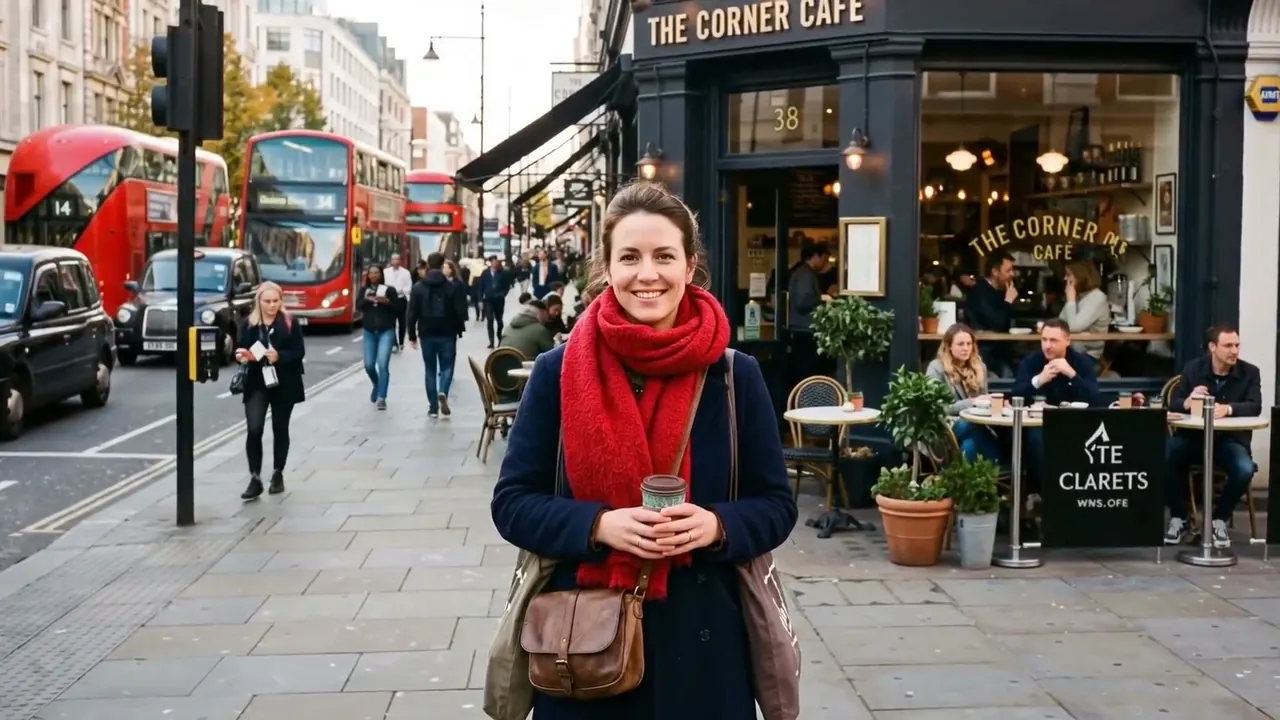
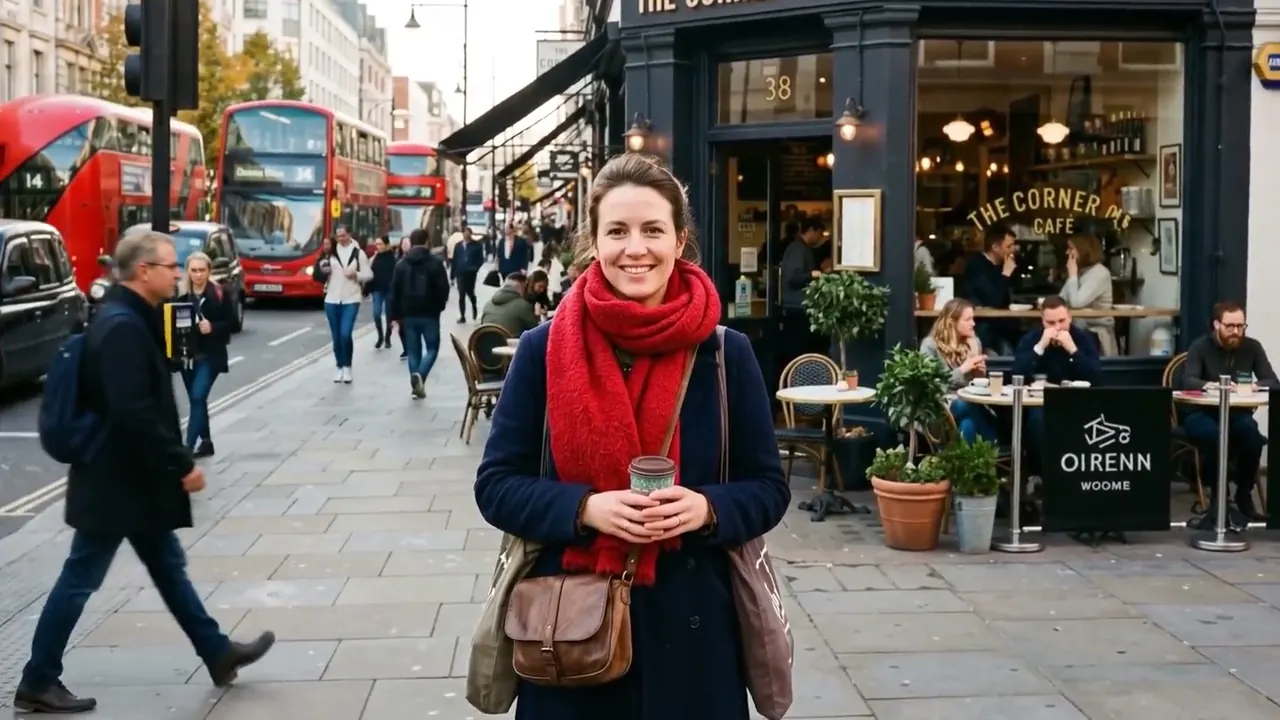
The camera drifts with no fixed target, as if looking around.
Opens a video model with the prompt in it. The price is on the page before you sign in.
What it is for
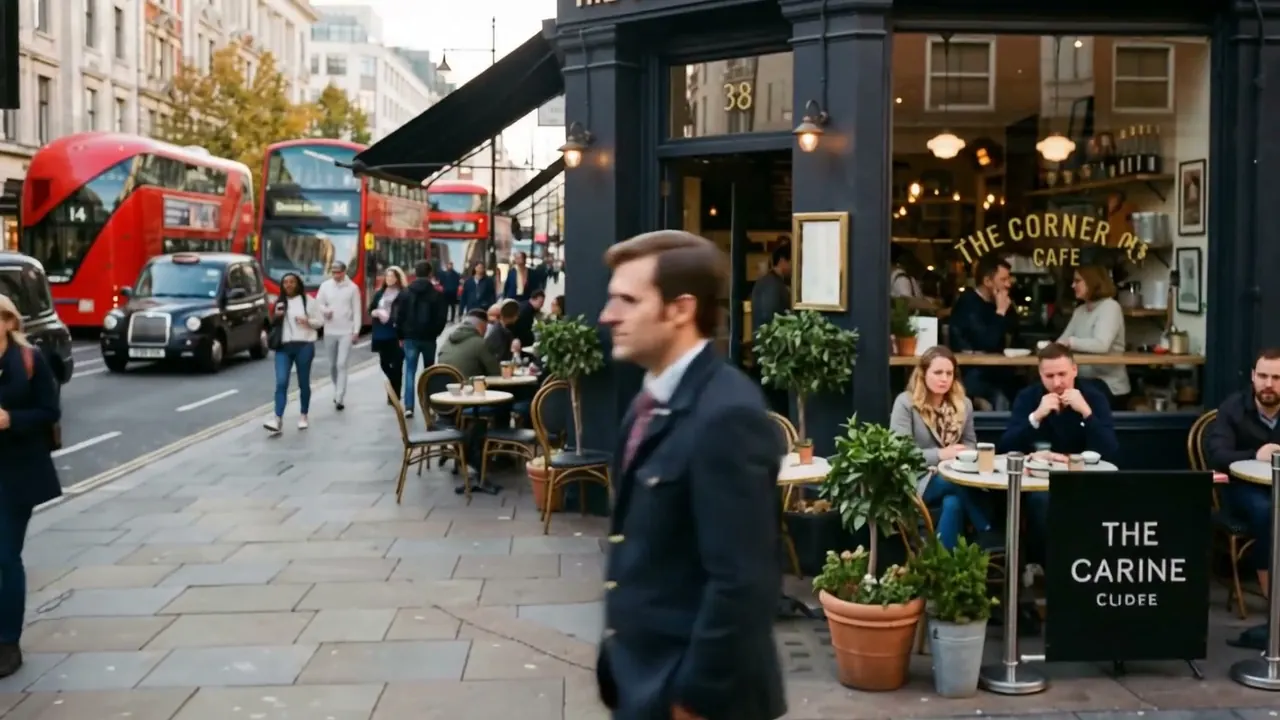
The camera drifts with no target, the way a person looks around a room without deciding what to look at. Nothing is centred and nothing is held.
It puts the audience in the position of searching. The frame keeps suggesting subjects and then leaving them, which is a different experience from being shown something.
It removes the promise a moving camera usually makes. Most movement says something is coming, and a wandering camera says nobody is in charge of this shot.
How it works
The motion is slow and unresolved. The camera moves toward something, loses interest, and moves on before arriving, so no composition ever settles.
Loose framing is required rather than optional. Subjects sit off centre, get cut by the edge, and pass out of frame without the camera chasing them.
It can ride any rig. Handheld makes it feel like a person, and a slow gimbal makes it feel like a ghost, so pick the carrier separately from the behaviour.
Focus can wander with the frame. A lens that hunts, finds something briefly and drifts off it again doubles the effect, and it is worth asking for by name.
When to use it
Use it to establish a place by feel rather than by layout, for dreams and memory, and for a scene where nobody knows what they are looking for.
Skip it when something specific has to be seen. A wandering camera will find the wall beside the important thing.
It also needs time. A wandering camera has to fail to settle at least twice before the behaviour reads, so the shot usually wants five seconds or more.
Told apart from its neighbours
Handheld describes what is holding the camera. Wandering describes where it is pointing. A wandering shot can be perfectly smooth if it rides a gimbal.
Ask which claim you are making. Body in the frame is handheld. No fixed target is wandering. A shot can be both, and each has to be said.
The prompt
Replace the blanks, keep the rest. Then run it on a video model.
camera wanders through the space around <subject>, no fixed target, searching drift, loose framing
What goes wrong
Ask for a centred subject and the wander disappears, because the model resolves the composition and holds it. Say the framing stays loose and the subject is not centred.
The second failure is a plain pan. Add that the camera has no fixed target and changes direction before it arrives anywhere.
A third problem is a camera that wanders and then lands. Say it never settles, because a model will resolve the shot into a composition if it is given the chance.
A fourth problem is motion that is too fast. A wander is slow by nature, so give it a drifting pace or the shot turns into a search.
Leave out
locked framing, tracking
Watch for
Loose framing is the point. Ask for a centred subject and the wander disappears.
Questions
Shoot it
Pay for the one run. No subscription, and the price is on the model page before you sign in.
Next to it in how the camera is carried