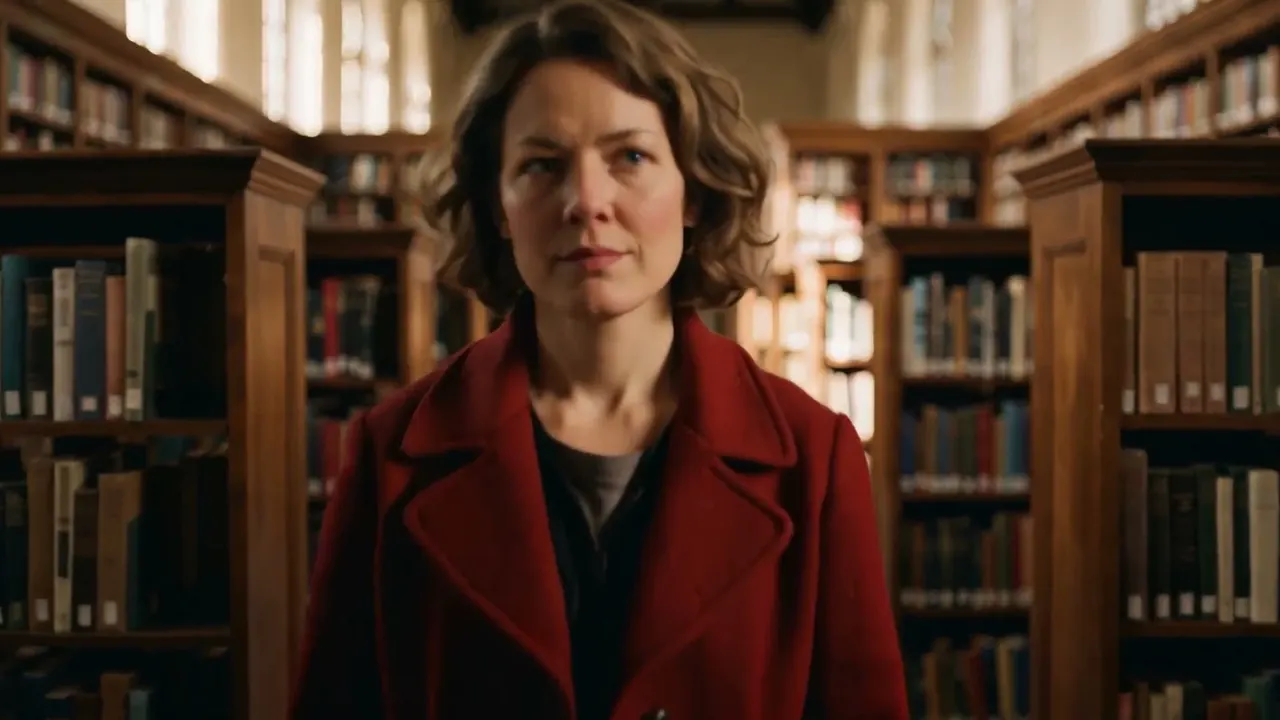
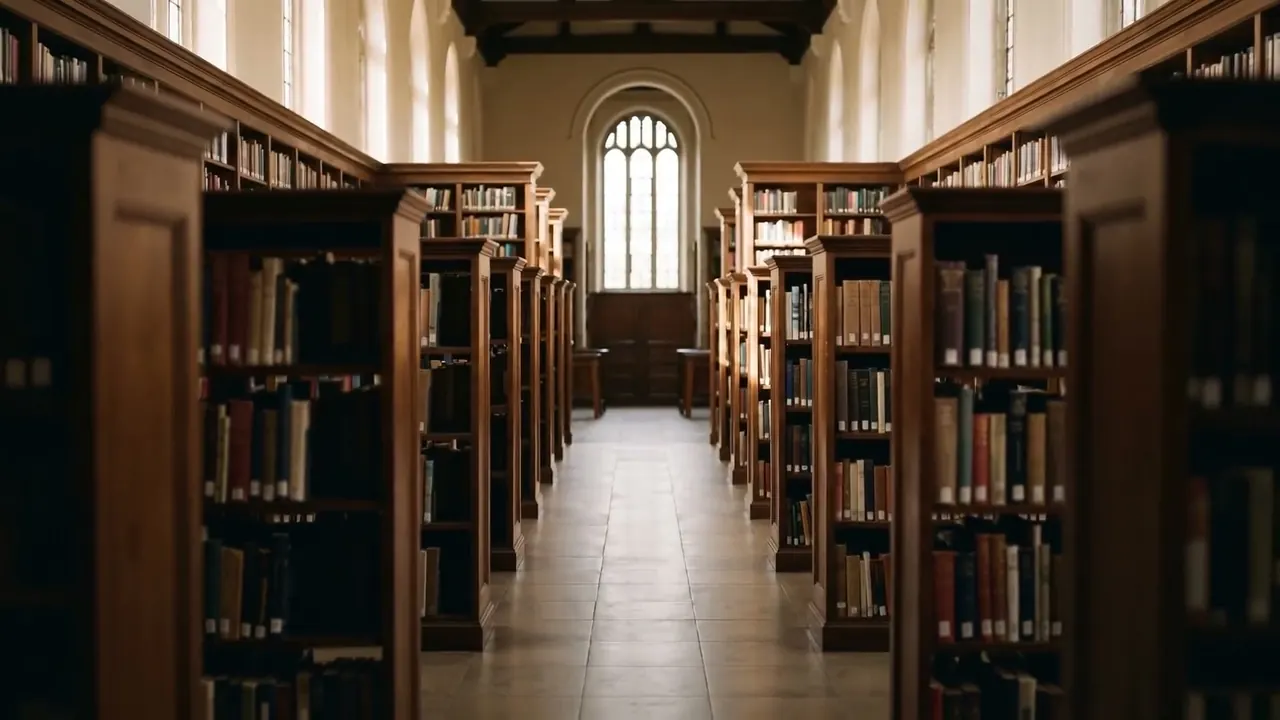
Dolly Out
- truck out
- pull back
- Dolly shot
- dolly in
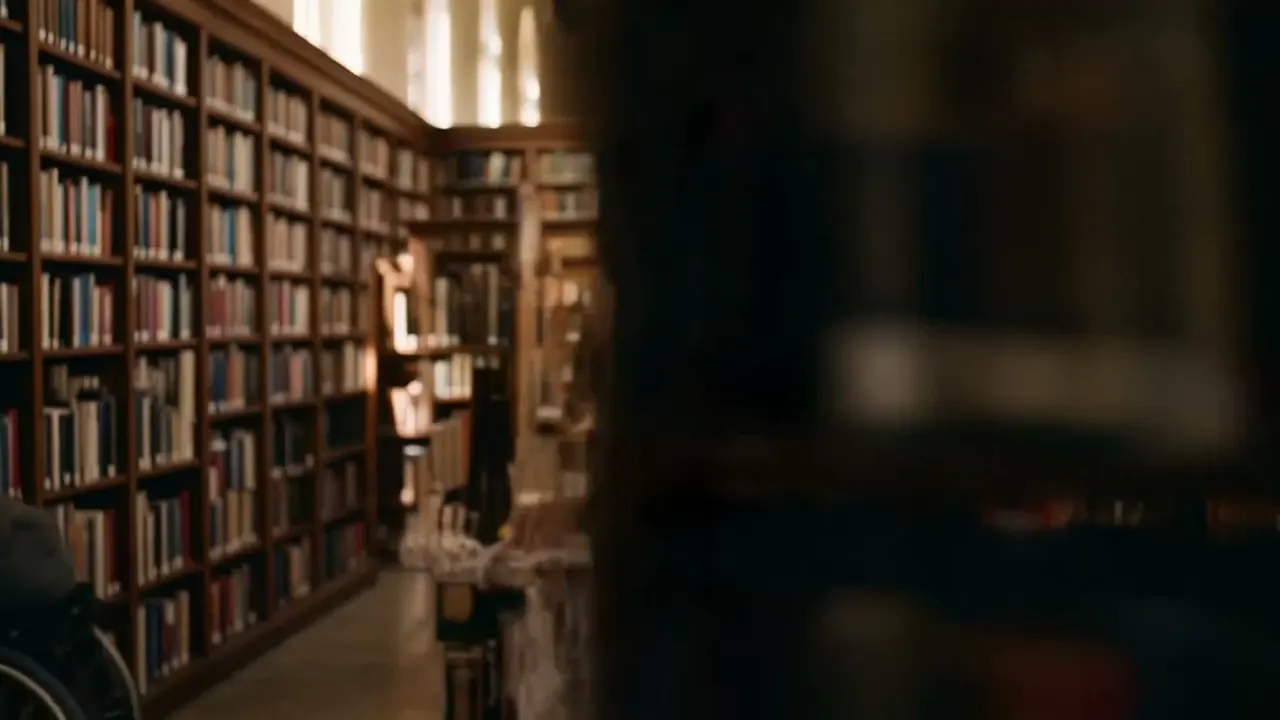
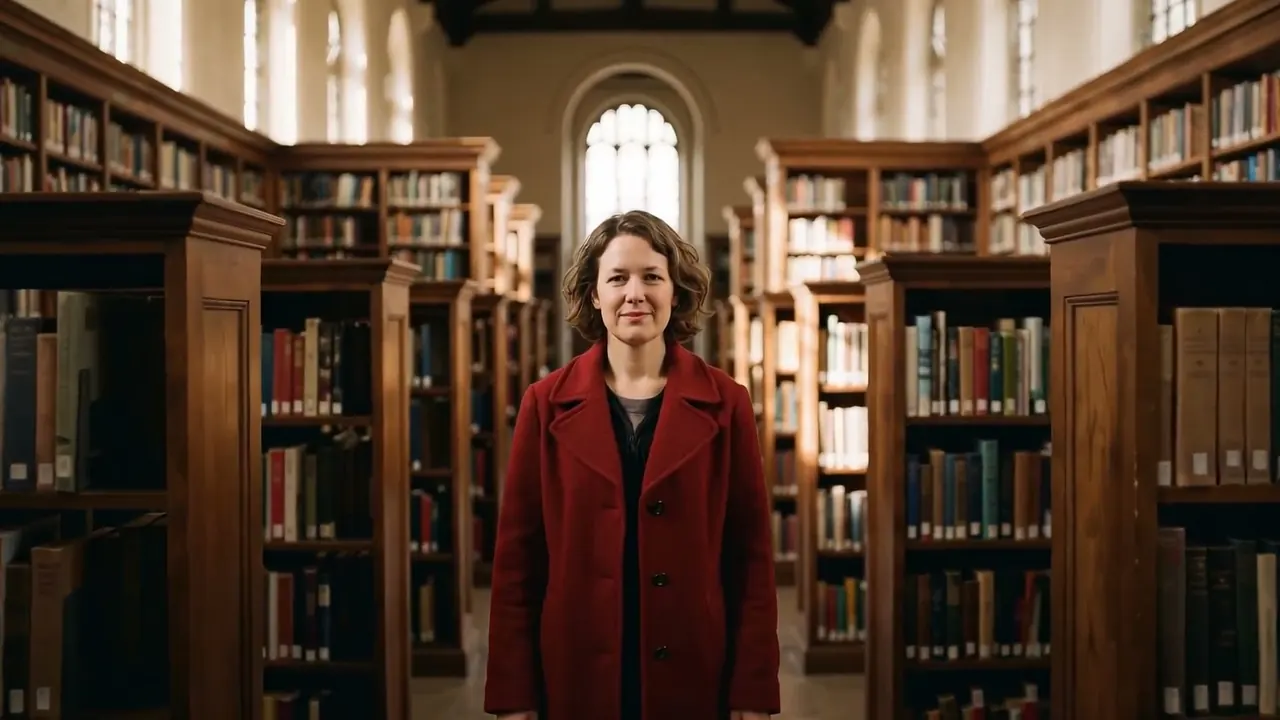
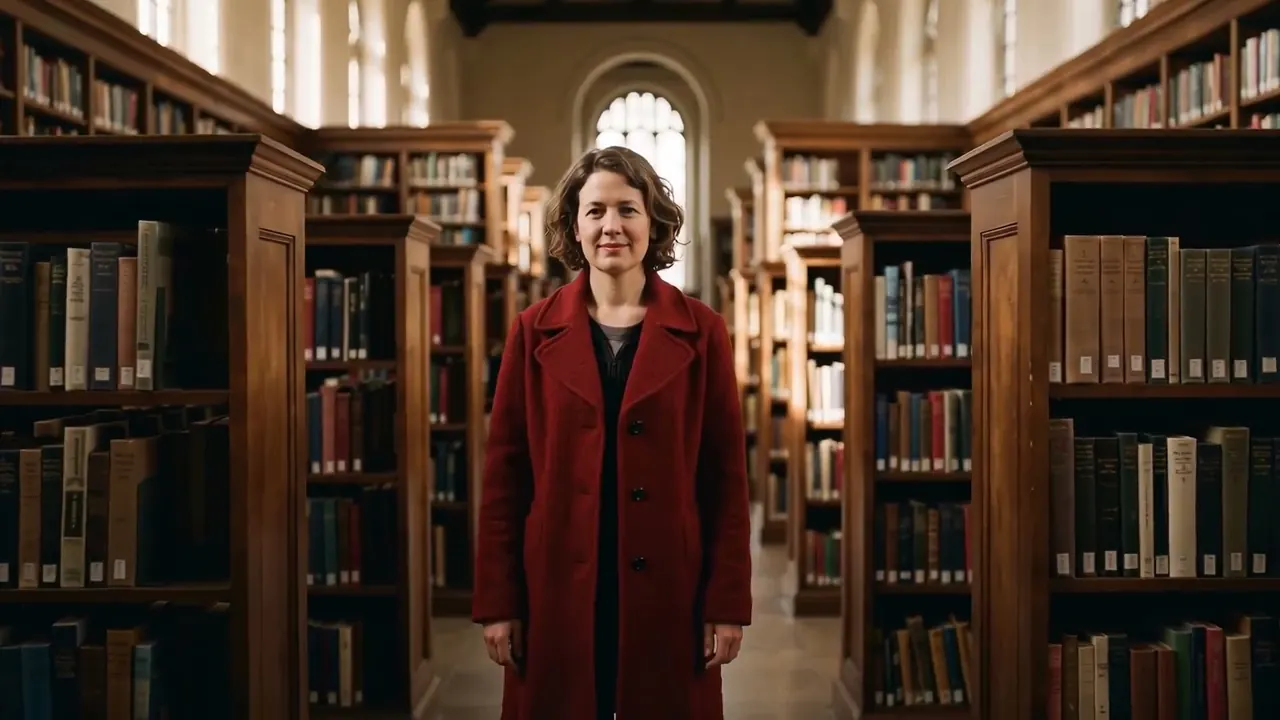
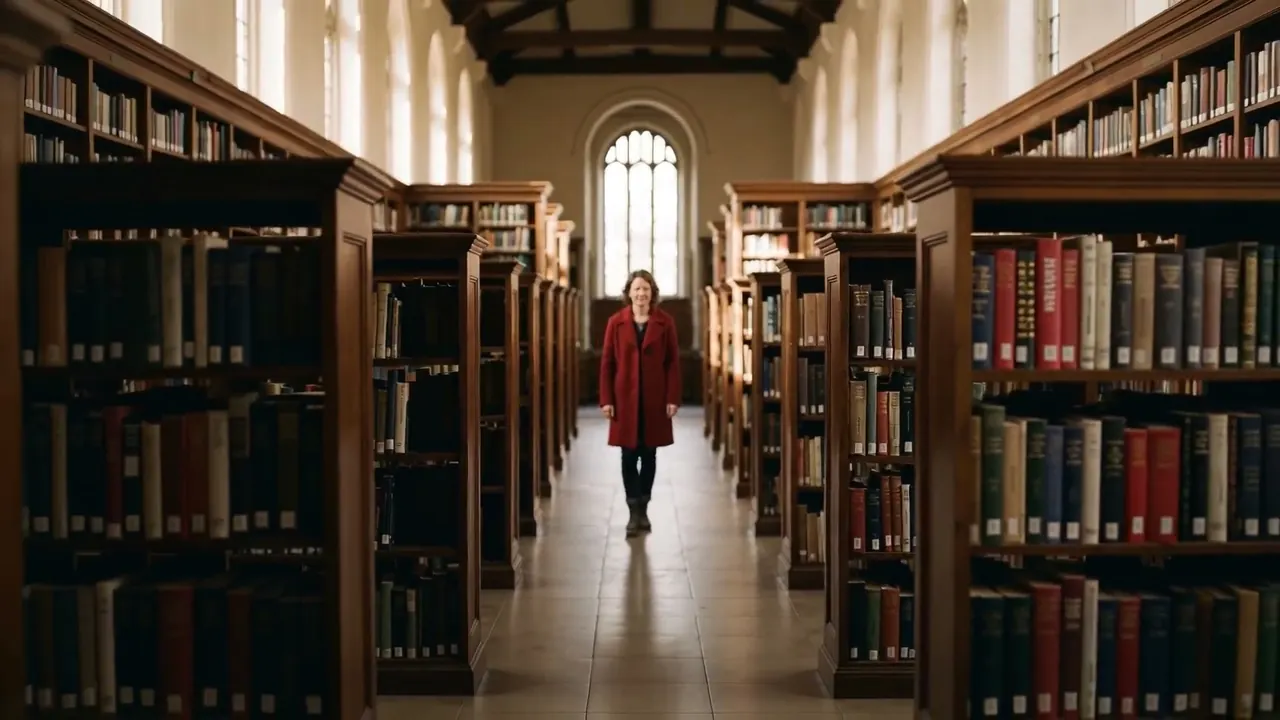
The camera retreats from the subject, and the setting comes in around it.
Opens a video model with the prompt in it. The price is on the page before you sign in.
What it is for
The camera walks backward and the room assembles itself around the subject. Furniture, walls and people enter at the edges, and a face that filled the frame becomes one thing among many.
That shift in proportion is the meaning. A dolly out can isolate somebody by showing how much space is around them, or expose them by showing who else is in it.
How it works
The camera body travels backward along the lens axis at a steady rate, with the focal length unchanged. Perspective holds, so the near planes pull away faster than the far ones.
What enters the frame first matters most. The audience reads the edges as the move opens, so stage the reveal in the order you want it read.
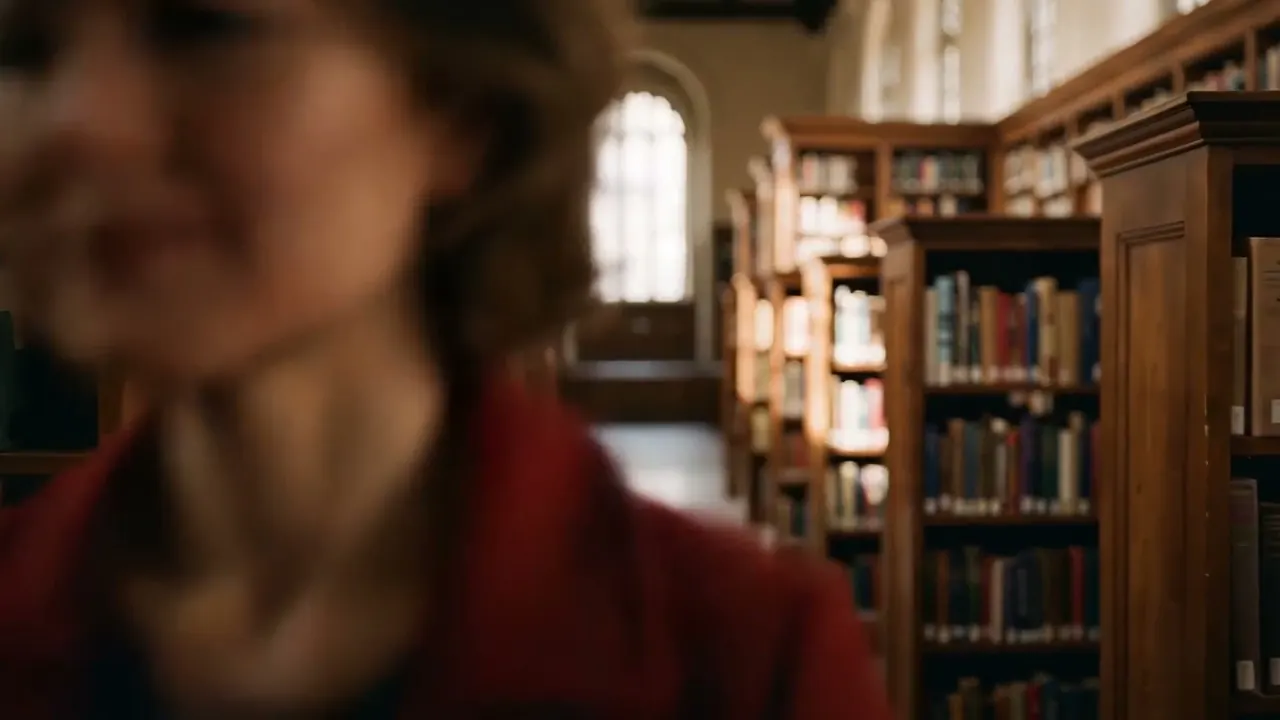
Track the focus. As the distance grows the subject drifts toward the back of the depth of field, and a soft face at the end of a long retreat undoes the shot.
When to use it
Use it at the end of a scene, on a reveal that reframes the moment, and to move from one person to the situation they are standing in.
Skip it when the wide frame is empty. A retreat has to arrive somewhere, and an empty finish wastes the whole move.
Told apart from its neighbours
A slow zoom out shrinks the picture from a fixed position. The background scales down with the subject and no new geometry appears, so the shot reveals area rather than space.
A dolly out travels, so the walls swing open past the edges of frame and the foreground pulls away faster than the background. Watch one near object. If it races off the edge, the camera moved.
On film
Stanley Kubrick opens A Clockwork Orange (1971) on Alex staring into the lens and then travels the camera steadily backward through the Korova Milk Bar. The room arrives a table at a time, and by the end of the move the audience knows exactly what kind of place he is sitting in.
- A Clockwork Orange (1971)
The prompt
Replace the blanks, keep the rest. Then run it on a video model.
slow dolly out from <subject>, camera travels backward, setting enters the frame at the edges
What goes wrong
The model returns a zoom out, which shrinks everything at once and adds nothing at the edges. Ask for the setting to enter the frame at the sides as the camera travels backward.
The second failure is a move with no destination, which drifts and then stops. Name what the wide frame contains, and name the first thing that comes into view.
Leave out
zoom out, crash zoom
Watch for
Name what enters the frame. A dolly out with nothing to reveal is a wasted move.
Questions
Shoot it
Pay for the one run. No subscription, and the price is on the model page before you sign in.
Next to it in push and pull