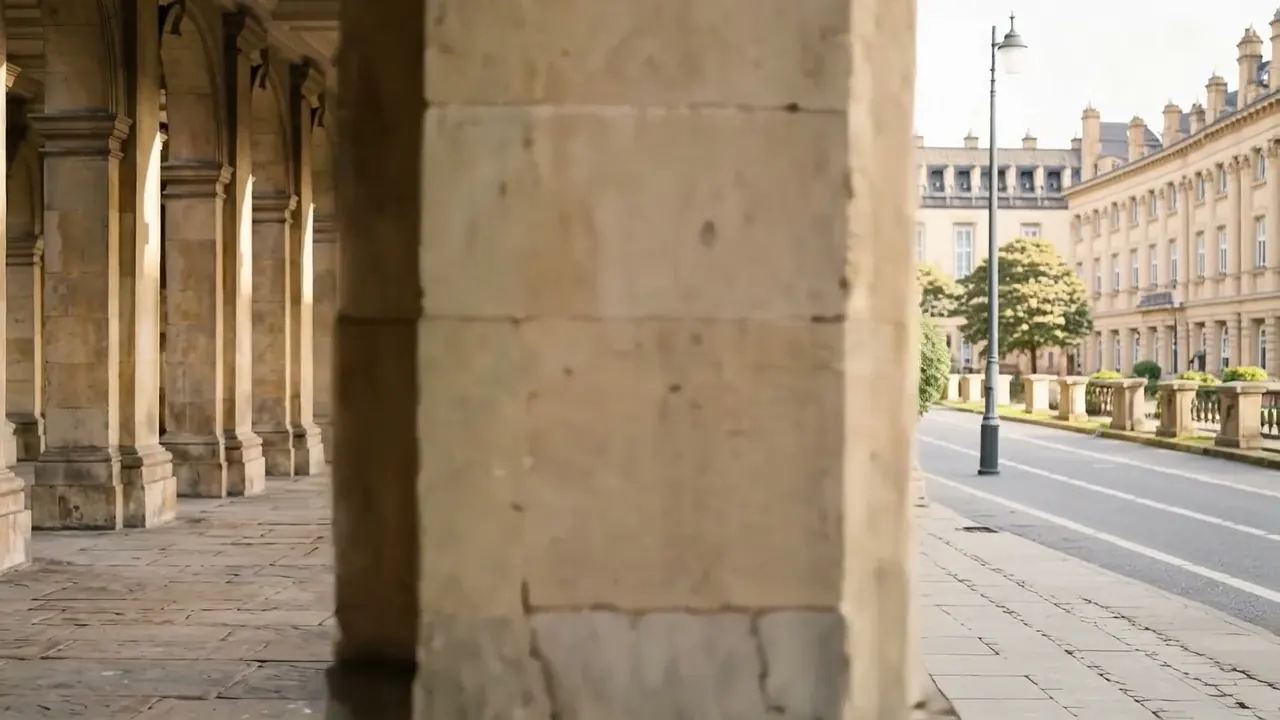
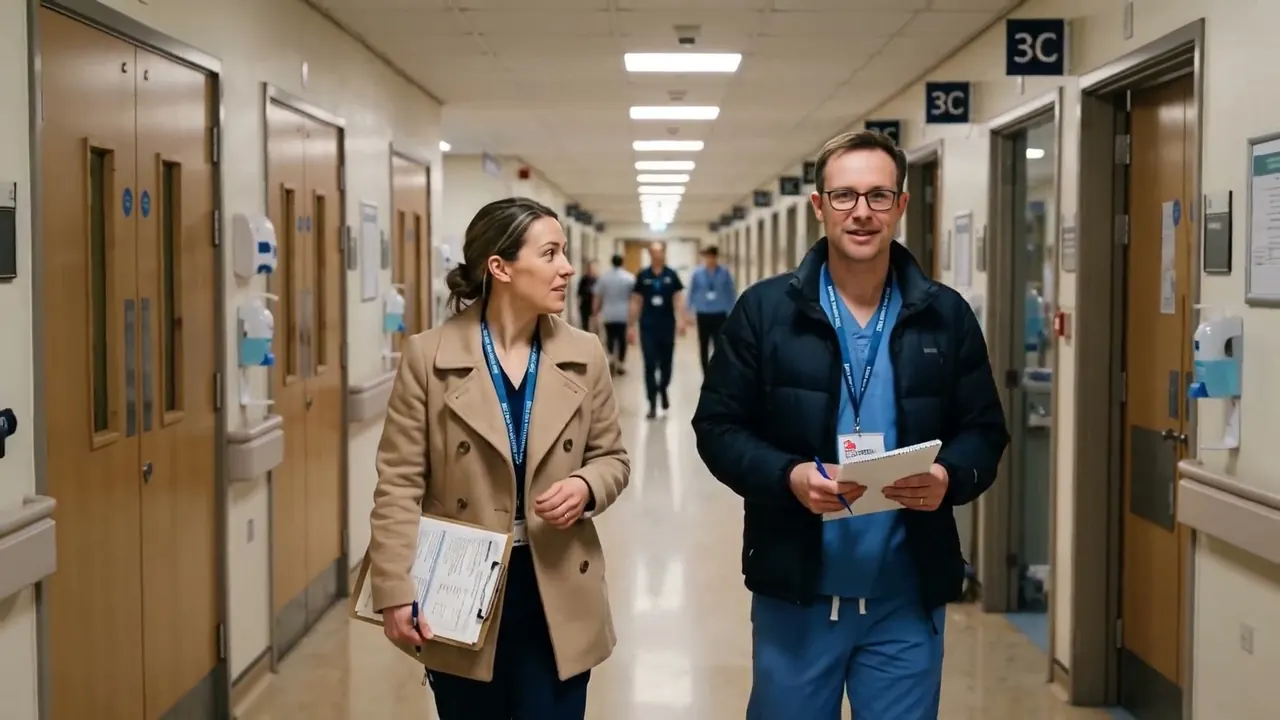
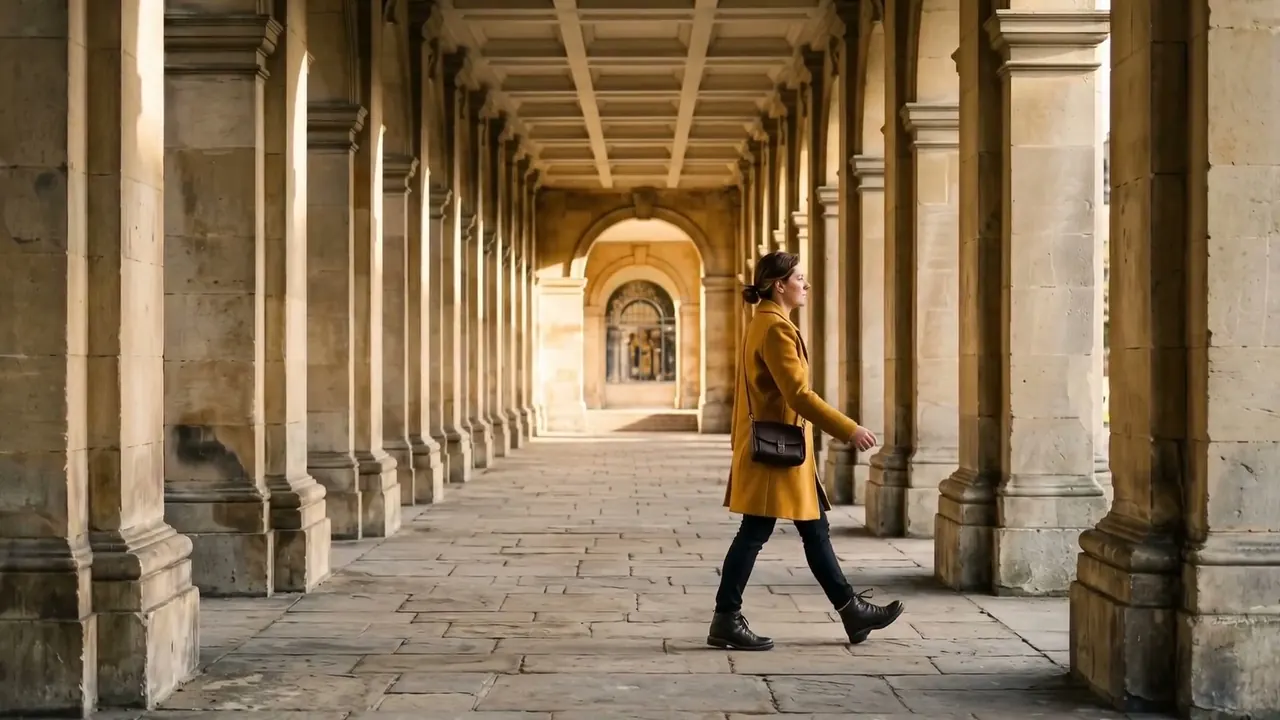
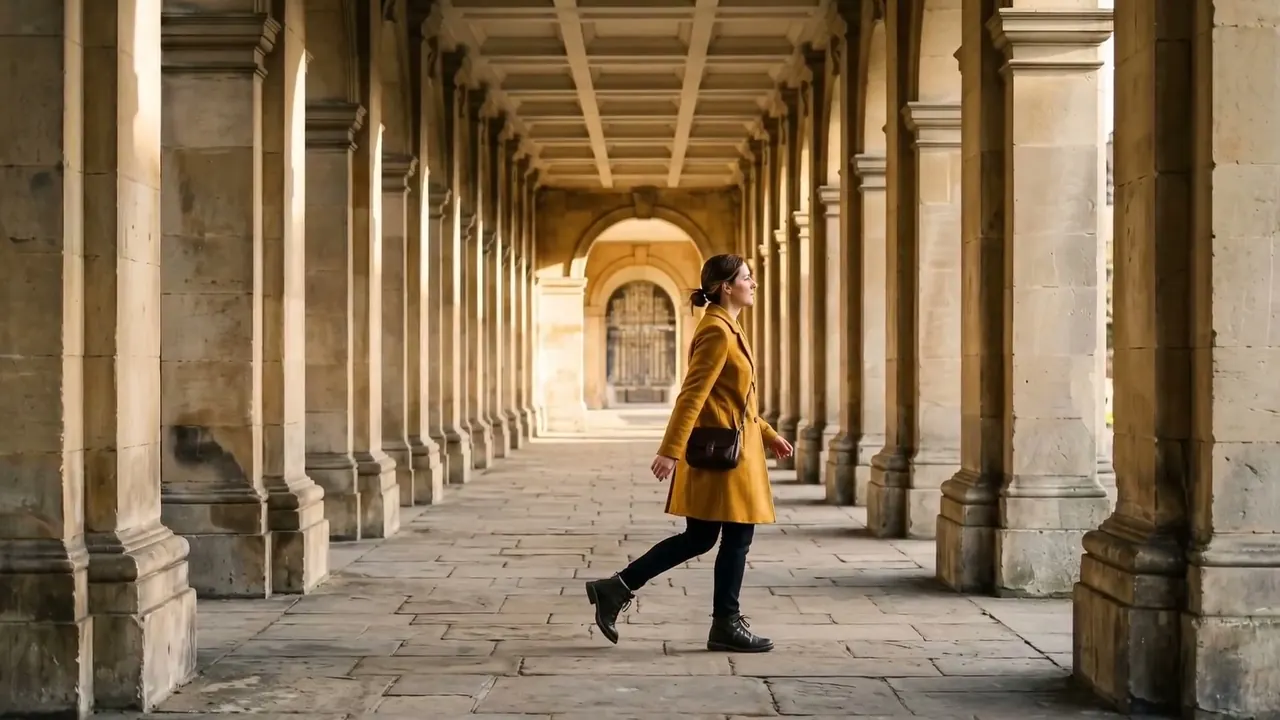
Follow Shot
- lead shot
- side-follow
- chase shot
- walk-and-talk
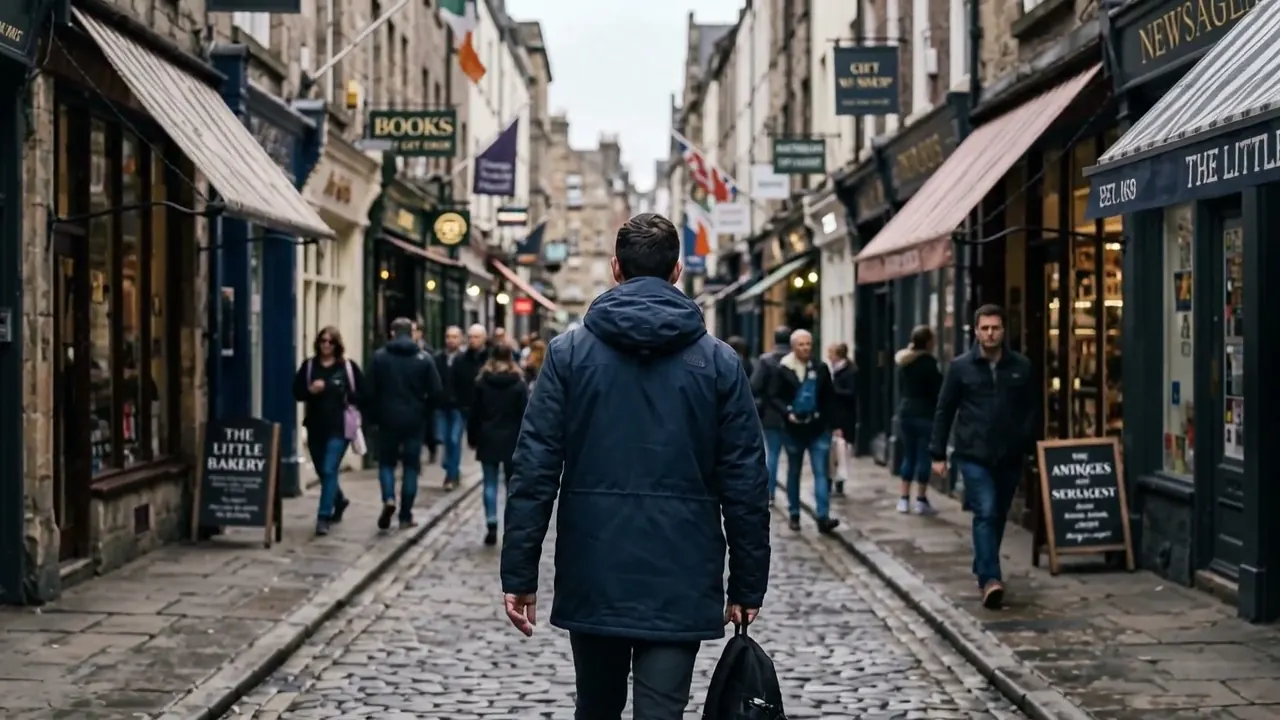
The camera travels behind the subject and holds a constant distance.
Opens a video model with the prompt in it. The price is on the page before you sign in.
What it is for
The camera sits behind somebody and stays there. The audience sees what the subject is walking into at the same moment the subject does, which makes the shot feel like company and like pursuit at once.
Because the face is hidden, the body carries everything. Pace, hesitation and the set of the shoulders become the performance.
How it works
The camera holds a fixed distance behind the subject and matches their speed exactly. Steadicam and gimbals are the usual tools, because the operator has to walk the same ground.
Height matters more than it looks. Behind the head reads as neutral. Down at shoulder level reads as following. Low behind the legs reads as stalking.
The corridor is the co-star. Something has to arrive from the front for the shot to pay off: a turn, a door, a person coming the other way.
When to use it
Use it for arrival into somewhere unfamiliar, for tension where the audience cannot see a face, and for a long walk that is about the walking.
Skip it for dialogue. Nobody can see who is talking, and a conversation from behind two heads plays flat.
Told apart from its neighbours
A tracking shot usually runs alongside, and the subject reads in profile against a background that crosses the frame.
A follow shot stays behind and holds its distance, so the background opens ahead rather than sliding sideways. If the shot shows the back of a head, it is a follow.
On film
Gus Van Sant follows students through school corridors in Elephant (2003) in long Steadicam takes held behind their heads, and the same corridors return from different people's backs. The film builds dread out of a camera that will not overtake anybody.
- Elephant (2003)
The prompt
Replace the blanks, keep the rest. Then run it on a video model.
camera follows behind <subject>, constant distance, matched walking pace, subject held in the centre
What goes wrong
The camera closes in and ends up on the subject's back, because nothing in the prompt fixed the gap. Say the distance stays constant through the whole shot.
The other failure is a subject who walks away into the distance. That is a static camera, so state that the camera moves at the same pace and holds the subject centred.
Leave out
overtake, static
Watch for
Say the distance stays constant, or the camera closes in and rear-ends the subject.
Questions
Shoot it
Pay for the one run. No subscription, and the price is on the model page before you sign in.
Next to it in travel with the subject