Jib Up
- short crane up
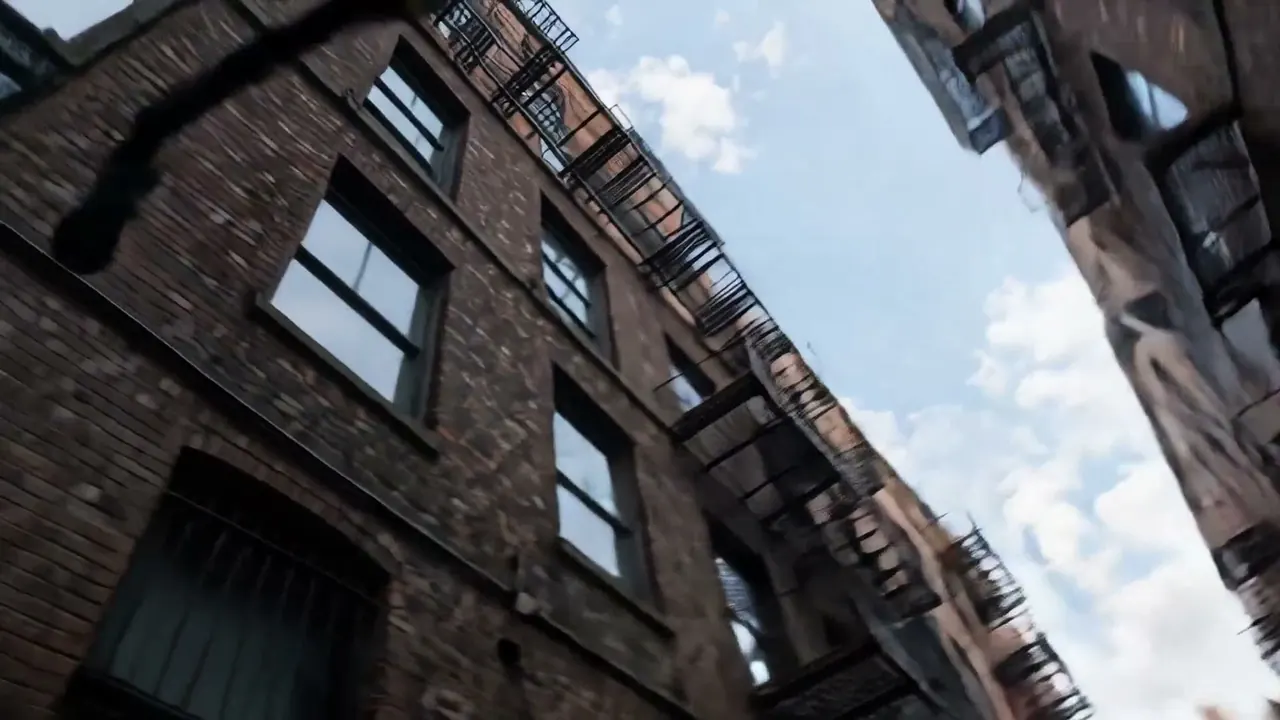
The arm lifts the camera, and the angle rises with it.
Opens a video model with the prompt in it. The price is on the page before you sign in.
What it is for
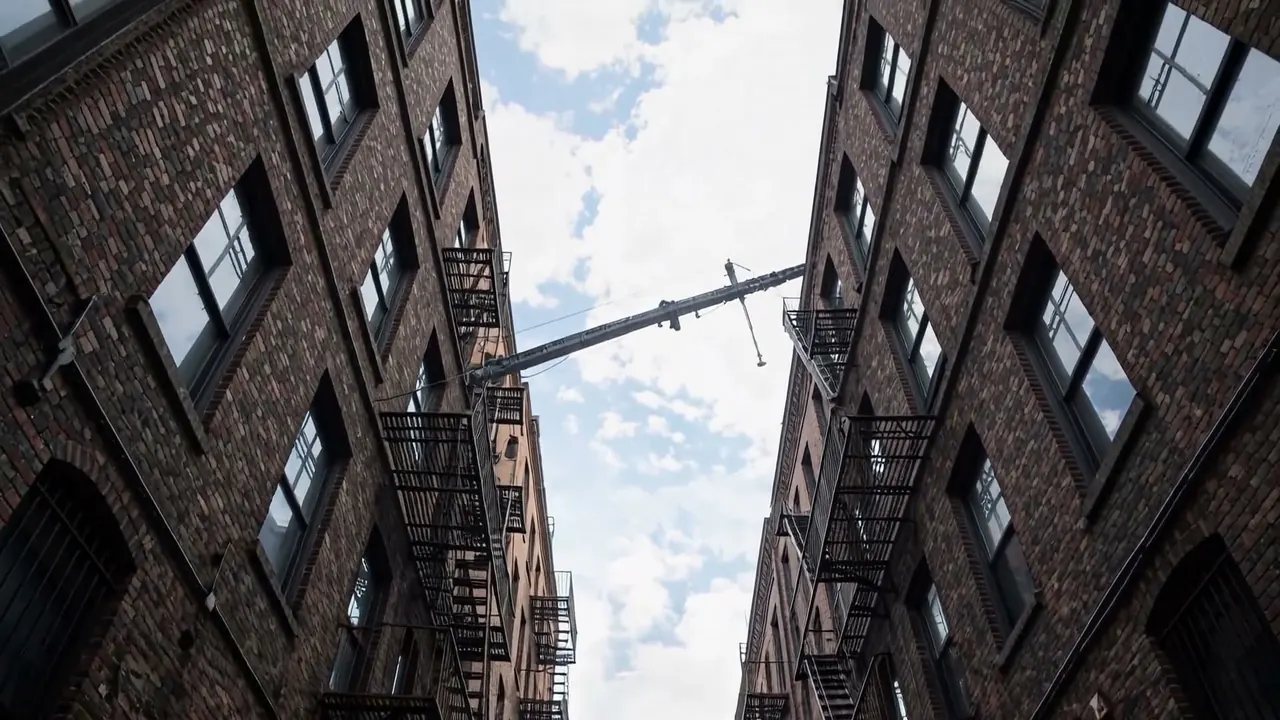
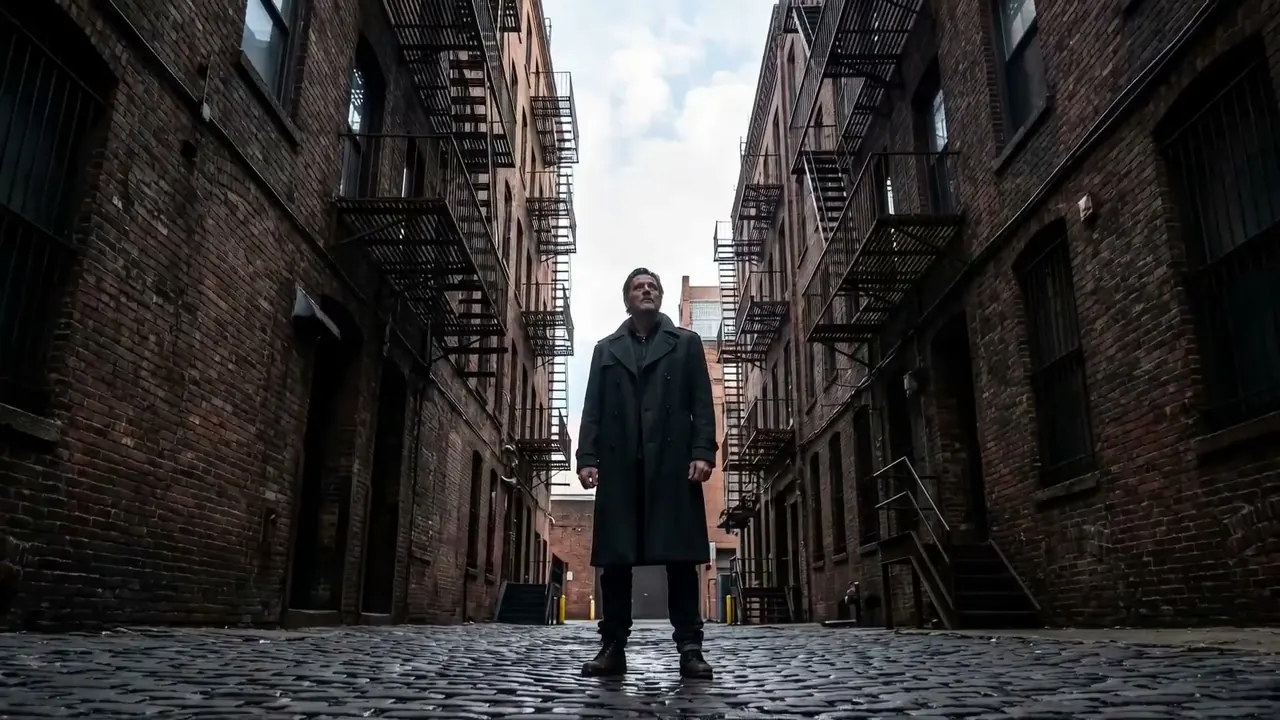
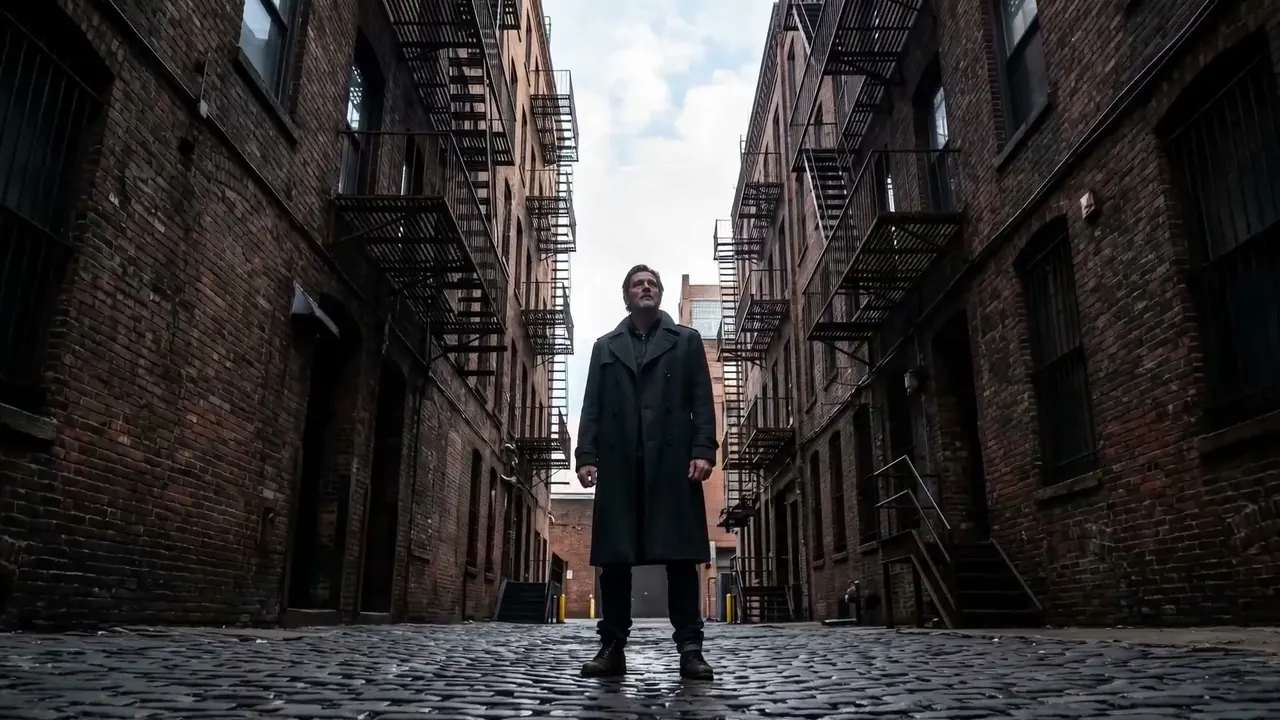
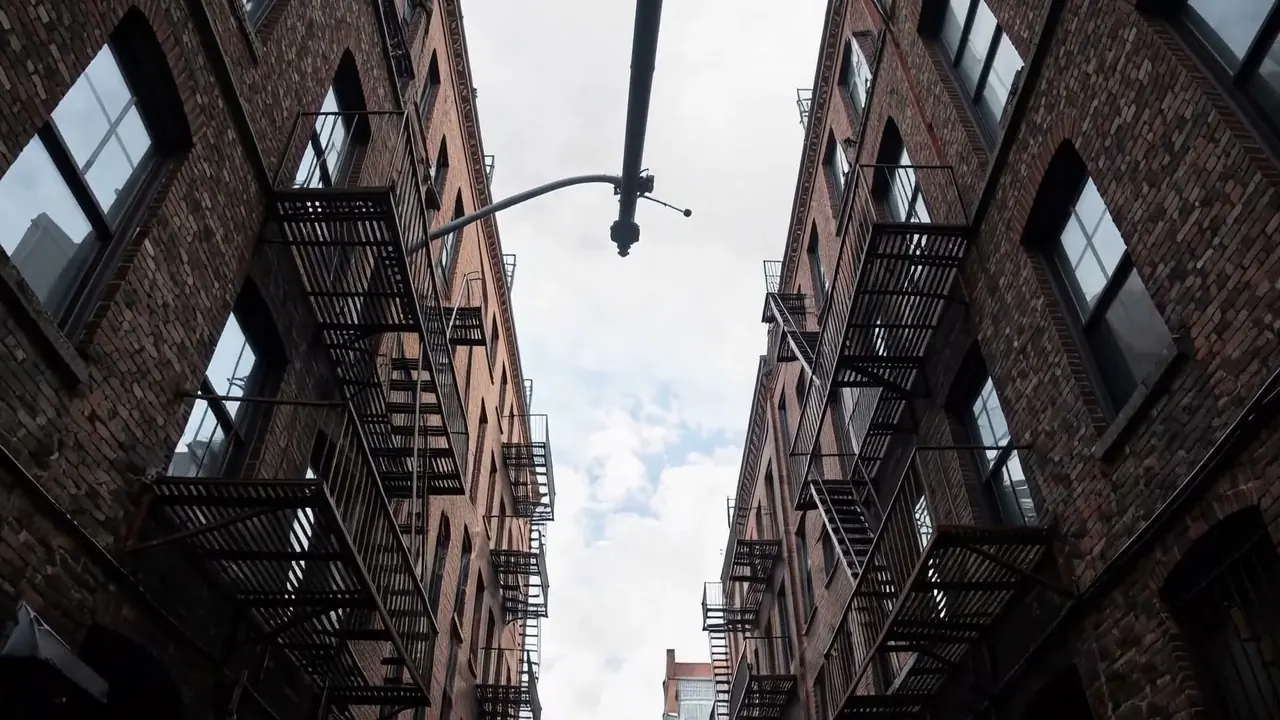
The arm lifts and the angle rises with it, so the frame gains height quickly and finishes looking down a little. It is the compact version of opening a scene out.
Used at the end of a take it lets a shot leave without cutting, and the short arm means it can do that inside a room.
How it works
The arm raises the camera through a modest height, usually a couple of metres rather than the ten or twenty a crane covers. The angle tips down as it goes so the subject stays framed.
The finishing height is the instruction that matters. Above head height, at ceiling height, just over the crowd. A named landing stops the move guessing.
It is often combined with a small swing, because the arm naturally travels sideways as it rises. That curve is part of the character of the move.
When to use it
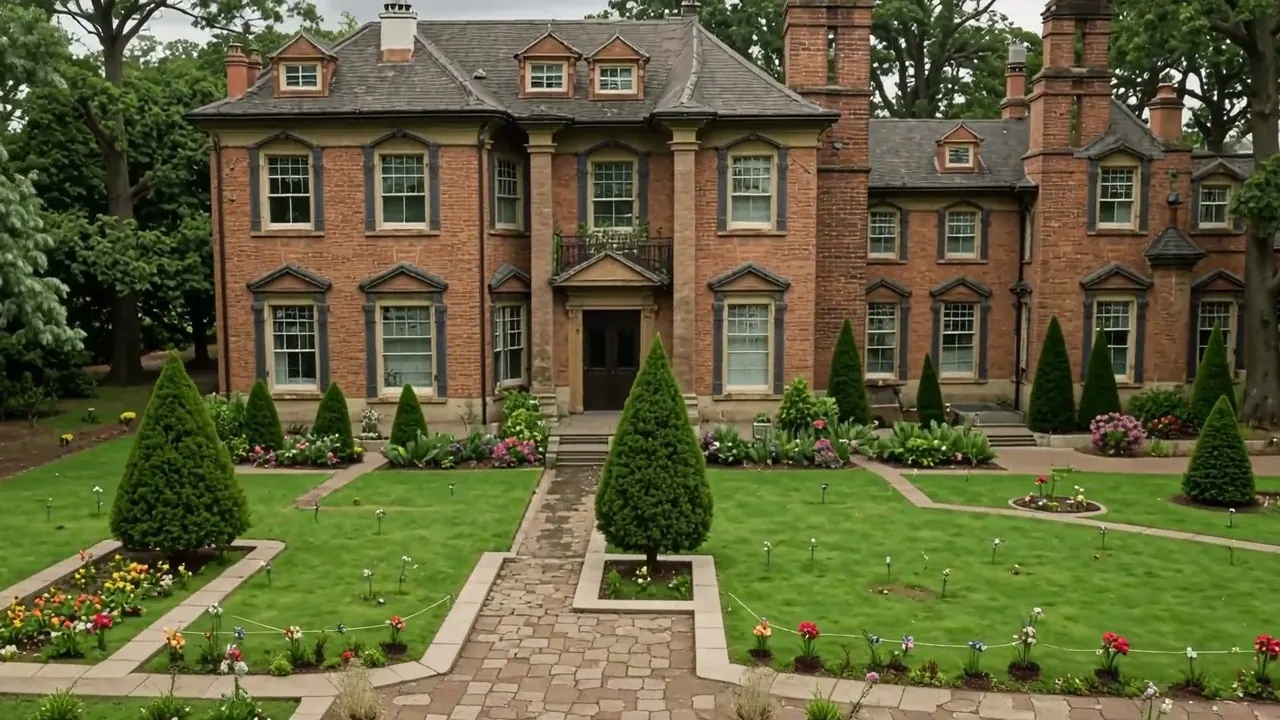
Use it to lift out of a scene in a confined space, to show a little more of a room, and to finish a shot on a slightly high angle.
Do not reach for it when the reveal is large. A jib runs out of arm, and a big scale change needs a crane or a drone.
Told apart from its neighbours
Crane Up covers real height and is usually a large gesture. Jib Up is a short lift, measured in a few metres, that stays inside the room.
The scale settles it. If the finish looks down on a whole location, that is a crane. If it looks down on a table or a small group, that is a jib.
The prompt
Replace the blanks, keep the rest. Then run it on a video model.
jib up from <subject>, camera lifts on the arm, angle rises above the scene, wider finish
What goes wrong
The model delivers a huge rise, because crane footage dominates what it has seen. Say the lift is short and name the finishing height in plain terms.
The other failure is a rise with no angle change. Ask for the angle to tip down as the arm lifts, so the subject stays in the frame.
Leave out
descend, zoom
Watch for
Give the finishing height. The move needs a landing frame.
Questions
Shoot it
Pay for the one run. No subscription, and the price is on the model page before you sign in.
Next to it in up and down