Road Rush
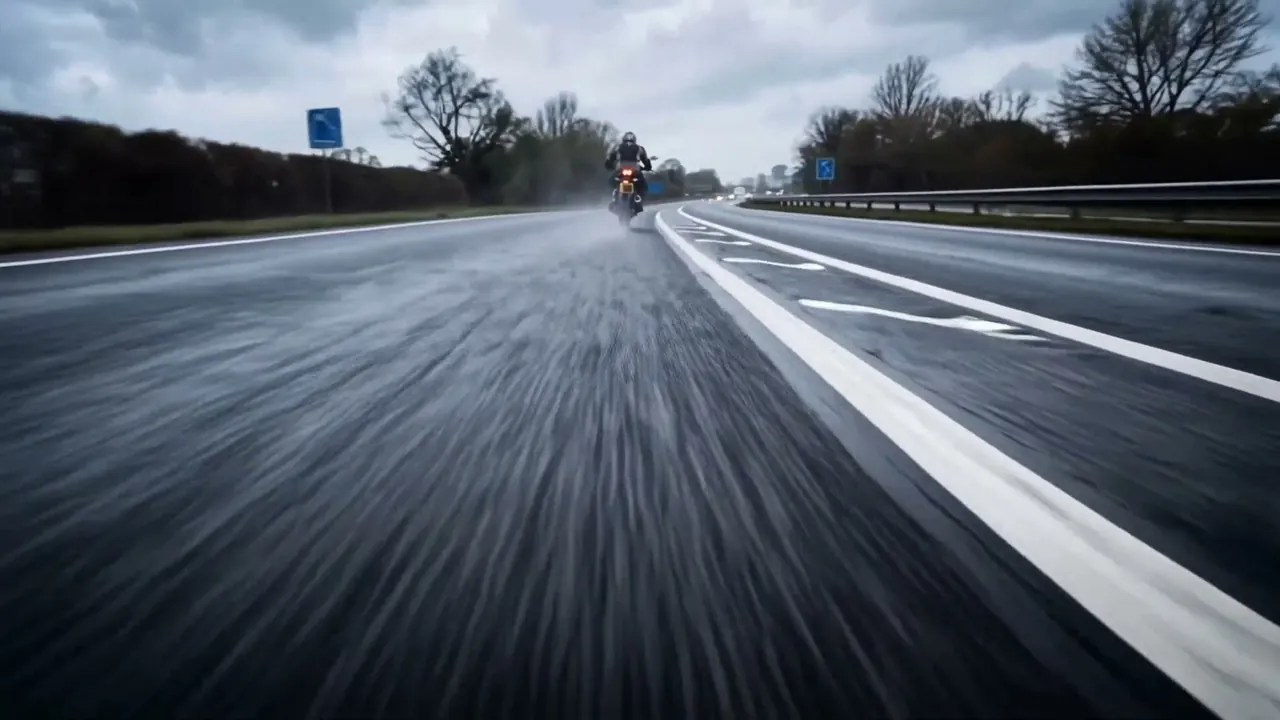
A low camera skims the road surface at speed.
Opens a video model with the prompt in it. The price is on the page before you sign in.
What it is for
A camera a few inches off the tarmac turns ordinary speed into something alarming. The surface is close enough to read as texture and moving fast enough to be a blur, and the eye reports danger.
It is the cheapest way to make a vehicle look fast without changing anything about the vehicle. Drop the camera and the same speed doubles.
How it works
The camera hangs low on the front or the rear of a vehicle, aimed at the ground or along it. The closer it sits to the surface, the faster the road appears to travel.
Height is everything, and the effect falls off quickly. A camera at knee height gives you a normal driving shot. The same camera at ankle height gives you a rush.
Detail in the road is what registers the speed. Painted lines, gravel, wet patches and kerbs all streak. A featureless surface at any height reads as a grey blur with no motion in it.
When to use it
Use it as a cutaway inside a chase, at the start of a journey, and for any beat where a vehicle should read as out of control.
Avoid it for a whole sequence. The frame holds no people and no geography, so it has nothing to sustain.
Told apart from its neighbours
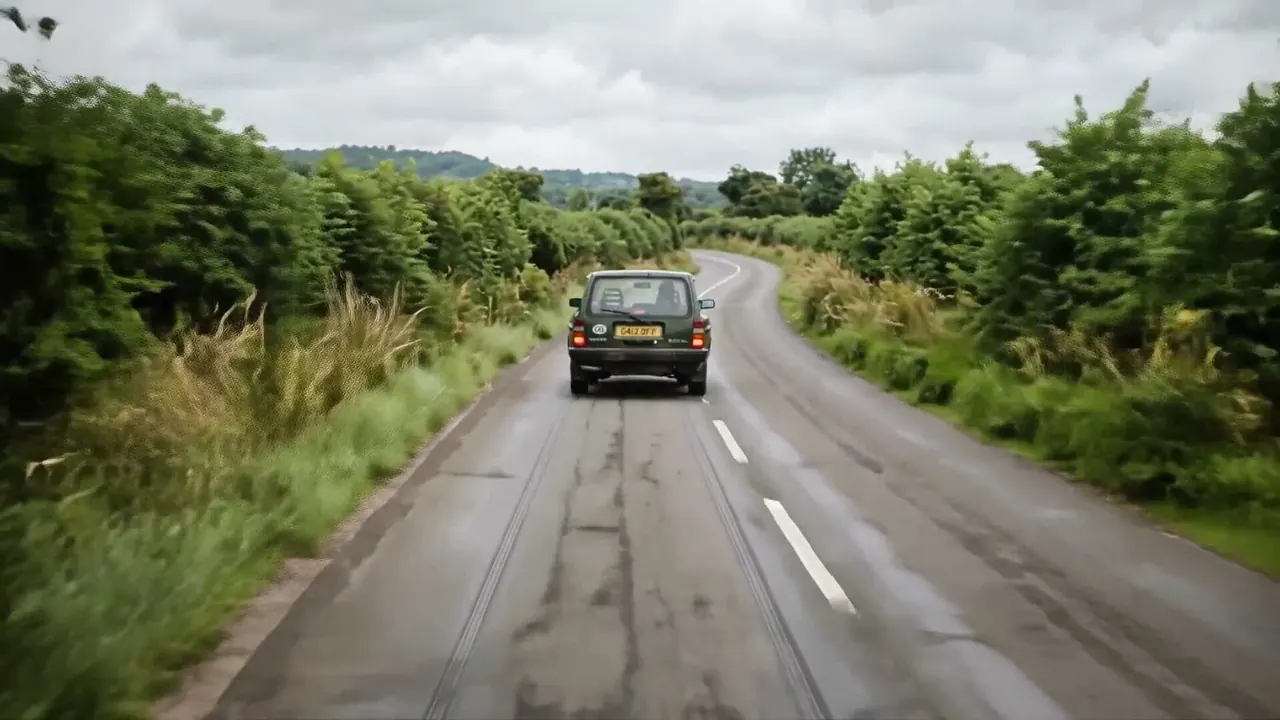
Car Chasing looks at a vehicle from behind and the vehicle is the subject. Road Rush looks at the ground and there is often no vehicle in shot at all.
The test is what fills the frame. A car is a chase shot. Tarmac is a road rush.
On film
William Friedkin hung a camera on the bumper of the car for the chase under the elevated railway in The French Connection (1971), and the low ground-level plates are the reason the sequence feels faster than the speeds actually driven.
- The French Connection (1971)
The prompt
Replace the blanks, keep the rest. Then run it on a video model.
camera low to the road racing beneath <subject>, surface streaking past inches from the lens, extreme speed
What goes wrong
The model raises the camera to a comfortable height and the speed disappears. Say the lens is inches from the road surface and the ground is the subject.
The other failure is smooth empty asphalt with nothing to measure against. Name the markings, the gravel or the kerb so the surface has something in it to streak.
Leave out
high angle, slow
Watch for
Keep the camera low. Height kills the sense of speed faster than anything else.
Questions
Shoot it
Pay for the one run. No subscription, and the price is on the model page before you sign in.