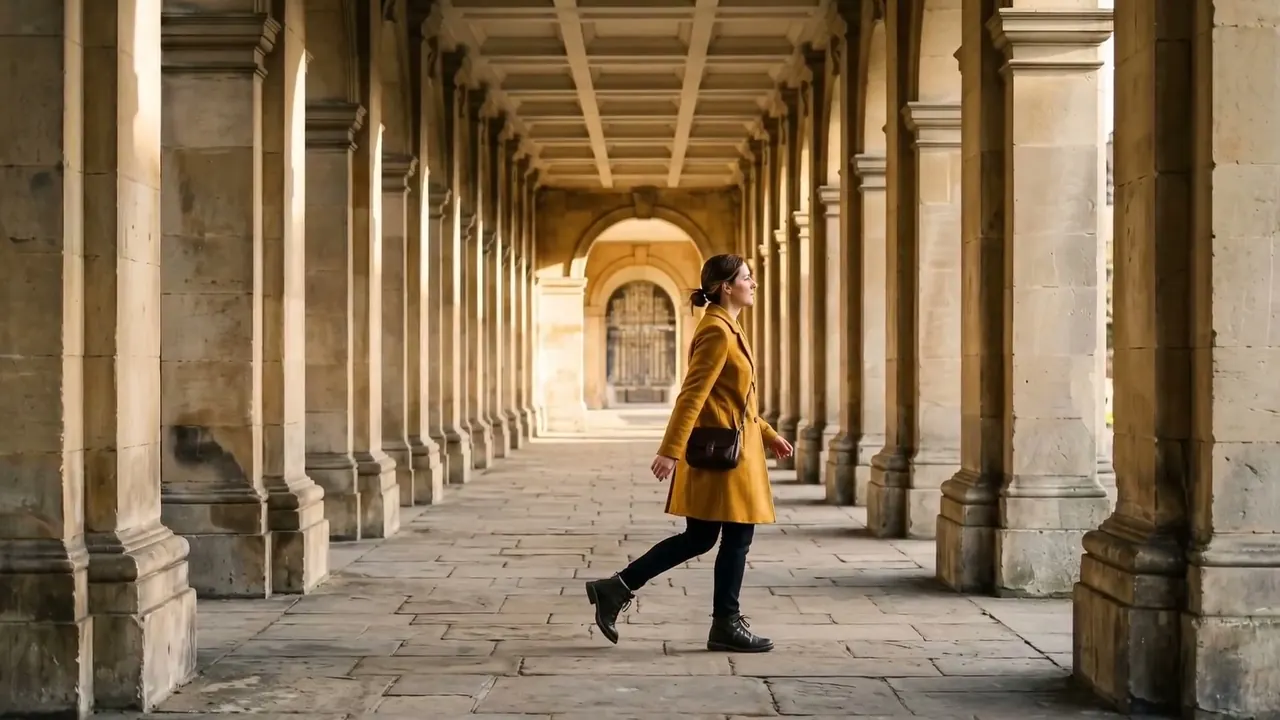
Choreo
The camera moves in step with the performers, as one more dancer.
Opens a video model with the prompt in it. The price is on the page before you sign in.
What it is for
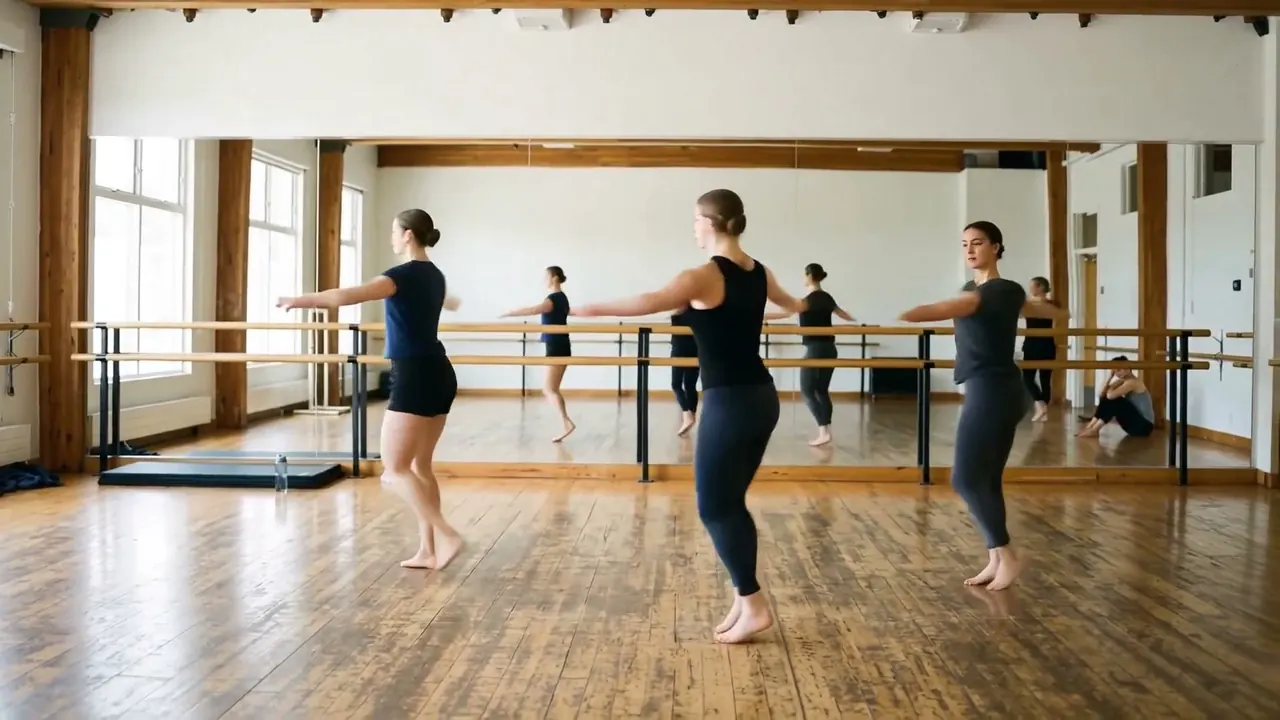
The camera joins the dance. It moves on the same count as the performers, so the move is part of the choreography rather than a record of it.
That changes what the audience watches. A camera that holds still makes the dance a performance on a stage. A camera that moves with it makes the dance the whole world.
How it works
The move is timed to the music, and the operator rehearses with the performers until the camera has its own part. Steadicam, gimbal and crane are the usual tools, because the path has to weave rather than travel straight.
It is normally a long take. The value is in watching bodies and camera hold a shared rhythm, and a cut resets that.
Tell the model the rhythm. A tempo, a count, or the phrase in step with the dancers gives the move something to lock to, which is exactly what it lacks by default.
When to use it
Use it for dance, for fight choreography, and for any sequence where the movement is composed rather than incidental.
Skip it when the performers should look real rather than staged. A camera in step announces that the whole thing is arranged.
Told apart from its neighbours
A Steadicam shot is a way of carrying the camera, and it can follow anything at any pace, including badly.
Choreo is a timing relationship. The camera is on the count. If the move would look wrong without the music, it is choreo.
On film
Damien Chazelle opens La La Land (2016) with a musical number staged on a freeway interchange, cut to play as one take, with the camera weaving between dancers on the beat. The camera has a part in the routine and enters and leaves on the music.
- La La Land (2016)
The prompt
Replace the blanks, keep the rest. Then run it on a video model.
camera moves in step with <subject>, matched rhythm, weaves with the performers, continuous take
What goes wrong
The camera drifts on its own timing, and the dance and the move never meet. Name the tempo or the beat and say the camera moves in step with the performers.
The second failure is a set of cuts between dance moves, which is coverage. Ask for one continuous take, and say the camera weaves among the performers rather than watching from outside.
Leave out
static, cuts
Watch for
Name the rhythm. Without it the camera drifts on its own timing and the match is lost.
Questions
Shoot it
Pay for the one run. No subscription, and the price is on the model page before you sign in.
Next to it in travel with the subject