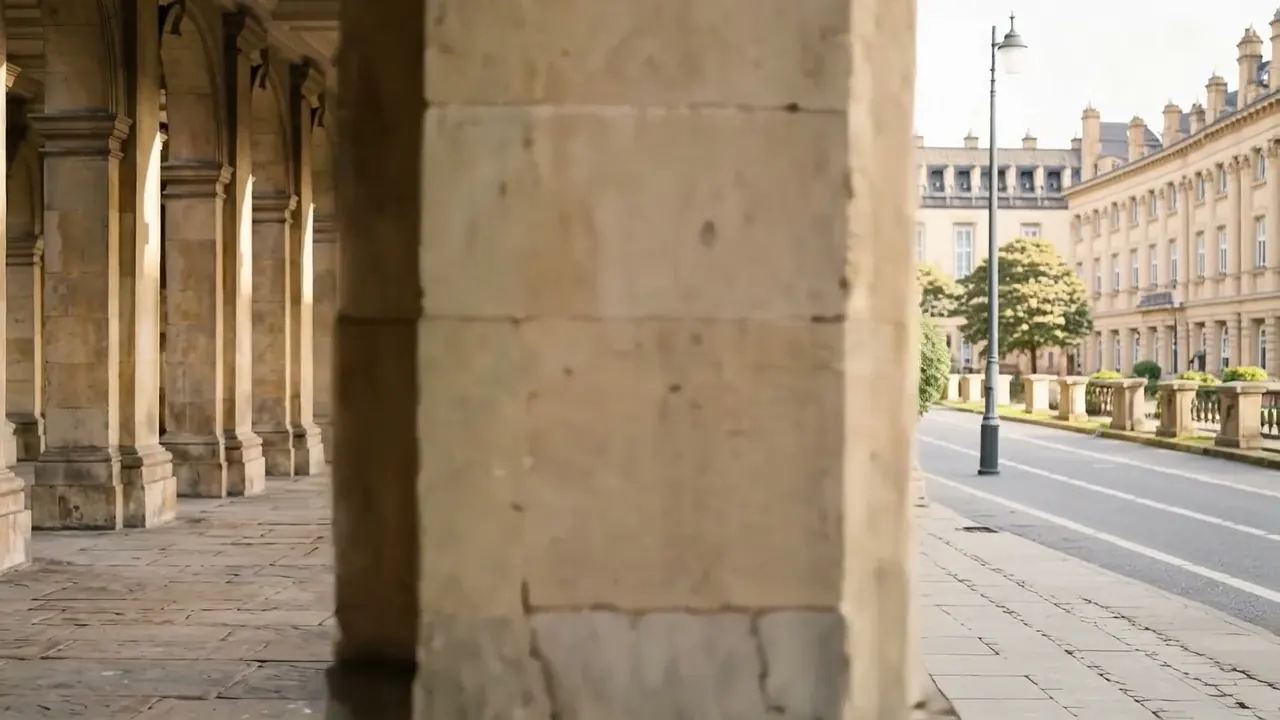
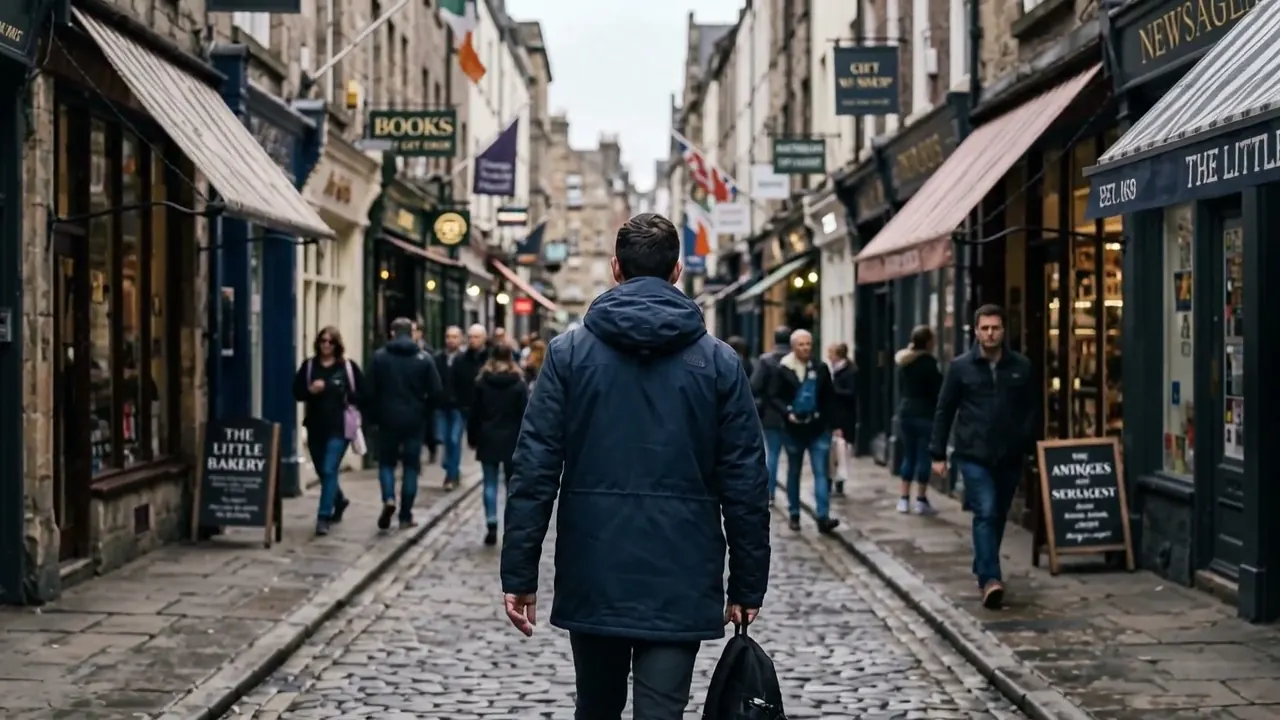
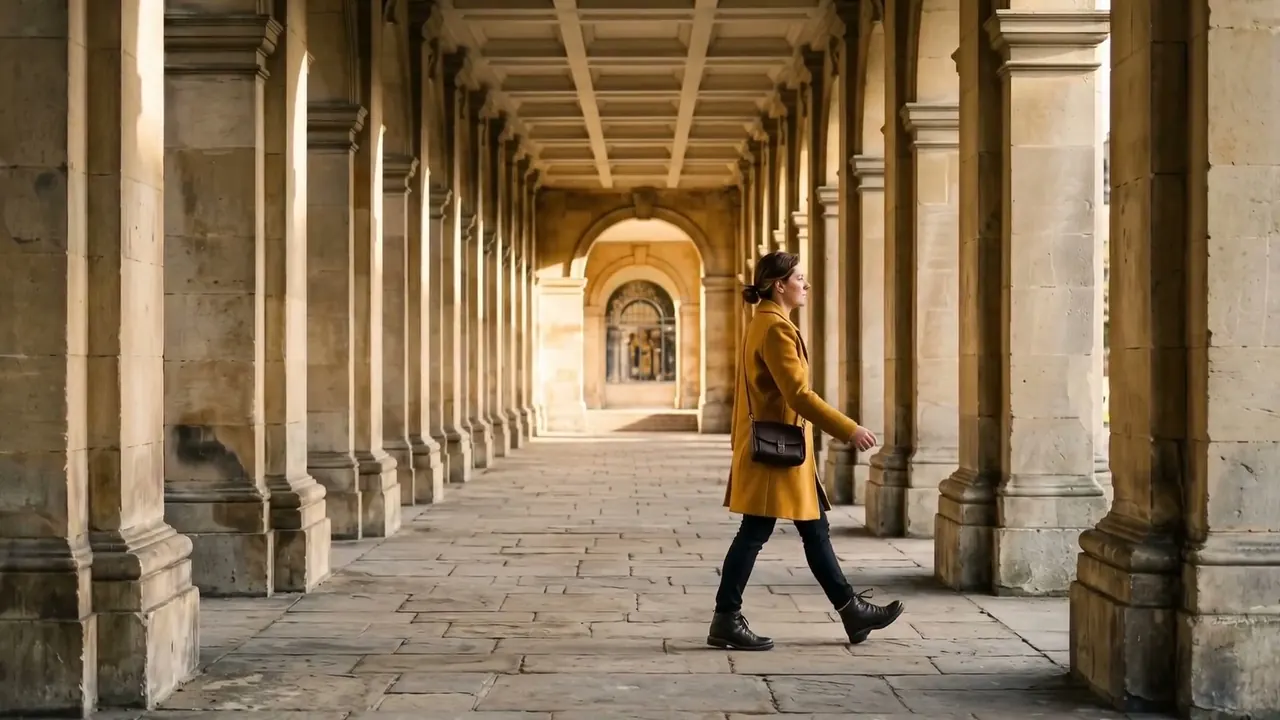
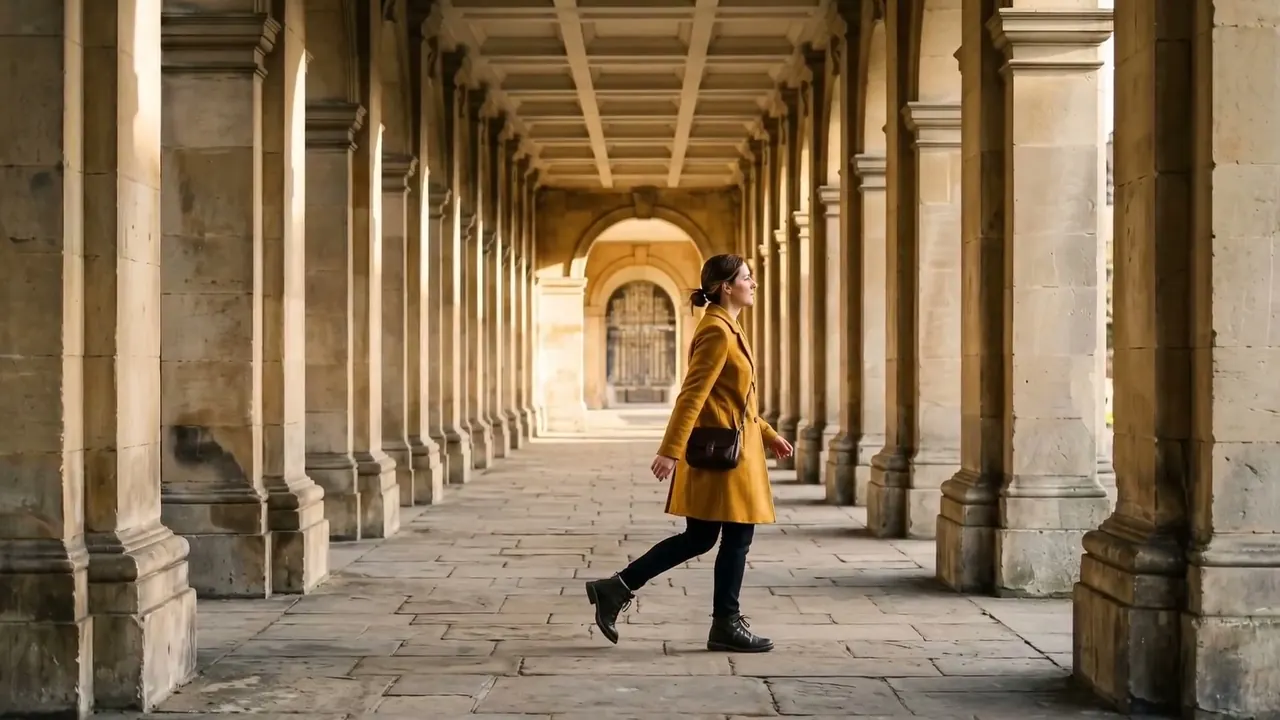
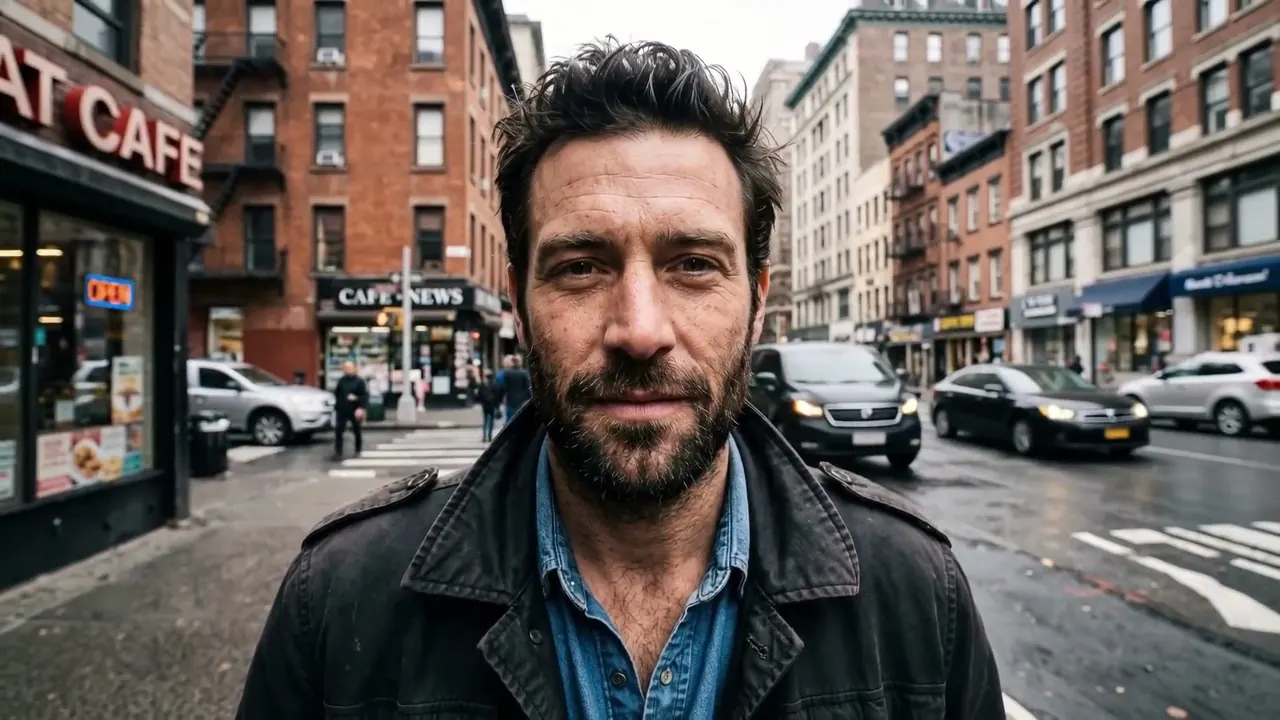
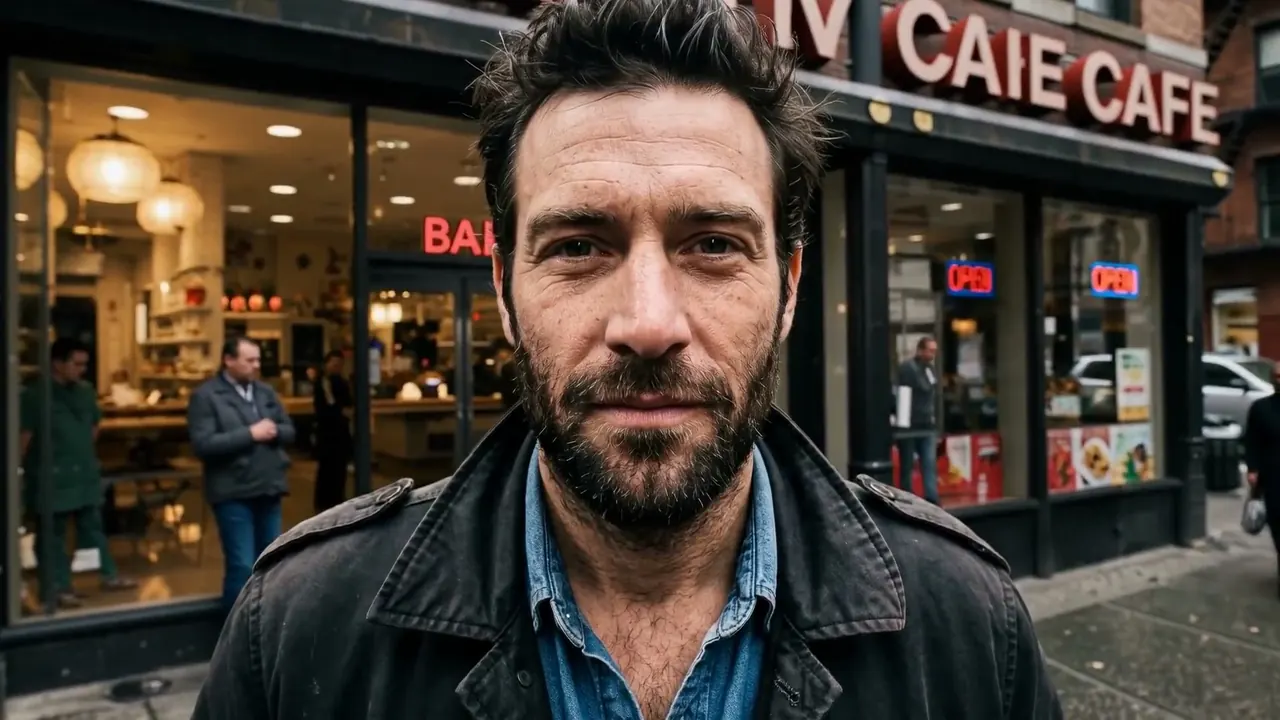
Walk and Talk
- follow shot
- lead shot
- side-follow
- chase shot
The camera retreats ahead of walking subjects who talk as they go.
Opens a video model with the prompt in it. The price is on the page before you sign in.
What it is for
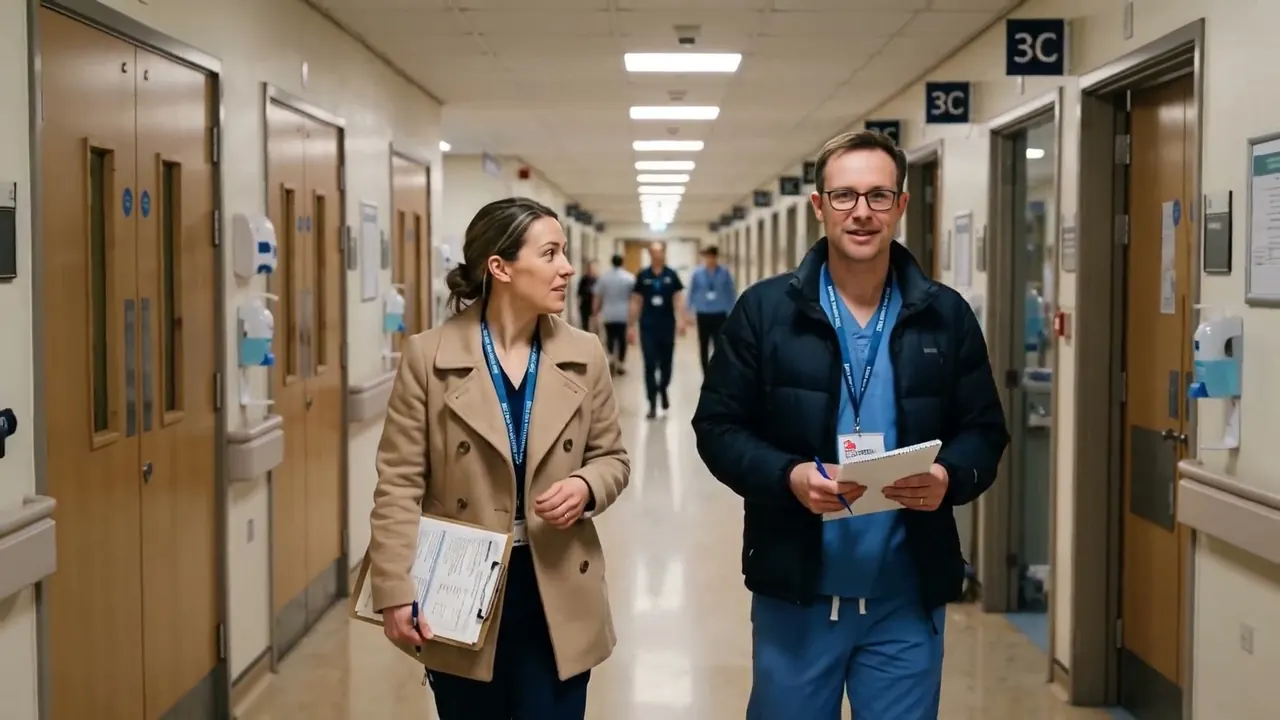
Two people walk and talk, and the camera retreats ahead of them holding both faces. The scene gets movement and dialogue at once, so exposition arrives while something appears to be happening.
It also gives a place a shape. The corridors, doors and people the pair pass build a geography that a static two-shot never shows.
How it works
The camera travels backward at the walking pace of the subjects, framed so both faces stay readable. On a set that is a dolly pulled by grips or an operator walking backward on a Steadicam with a spotter behind them.
The pace has to be exact in both directions. If the camera is slow the pair walks into the lens, and if it is fast they fall away and the shot loses the faces.
Run it as one take where possible. The value of the form is continuity, and a cut in the middle turns it back into ordinary coverage.
When to use it
Use it for exposition that would be dull standing still, for a workplace where everybody is busy, and to move a scene from one room to another without a cut.
Skip it when the conversation needs stillness. A person deciding something difficult should probably stop walking.
Told apart from its neighbours
A tracking shot runs alongside and shows the subjects in profile. A walk and talk leads them, so the camera is ahead and both faces are in frame.
The test is where the camera is. Ahead and retreating is a walk and talk. Beside and parallel is a tracking shot.
On film
The television series The West Wing (1999) made the form its house style, running long retreating takes through the corridors of the White House while characters traded dialogue. The device is often credited to director Thomas Schlamme, and it is now the standard way a busy workplace is shot.
- The West Wing (1999)
The prompt
Replace the blanks, keep the rest. Then run it on a video model.
camera moves backward ahead of <subject> walking and talking, matched pace, faces held in frame, continuous take
What goes wrong
The camera ends up behind the pair, because backward is a harder request than forward. Say the camera leads and moves backward ahead of the subjects.
The second failure is a pace mismatch that walks the subjects into the lens or loses them off the back of the frame. Say matched pace and say both faces stay in frame the whole time.
Leave out
static, cuts
Watch for
Say the camera leads and moves backward. Otherwise it follows from behind.
Questions
Shoot it
Pay for the one run. No subscription, and the price is on the model page before you sign in.
Next to it in travel with the subject