Crash Zoom Out
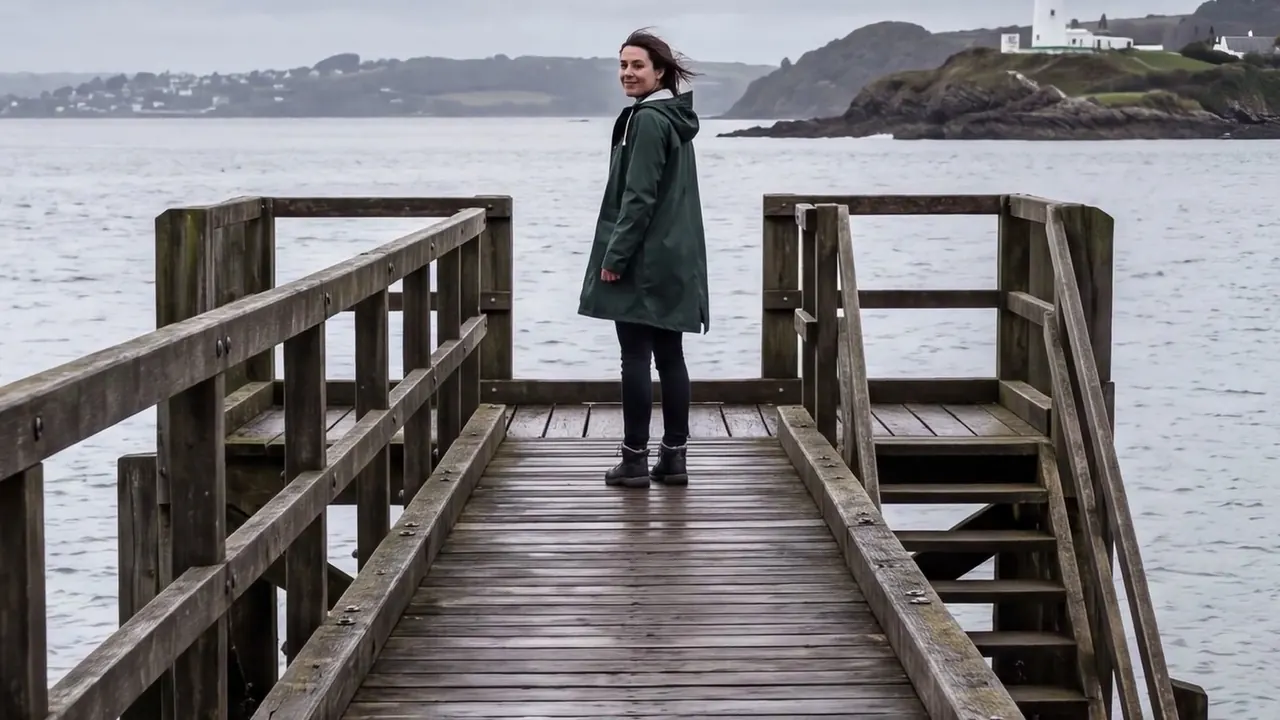
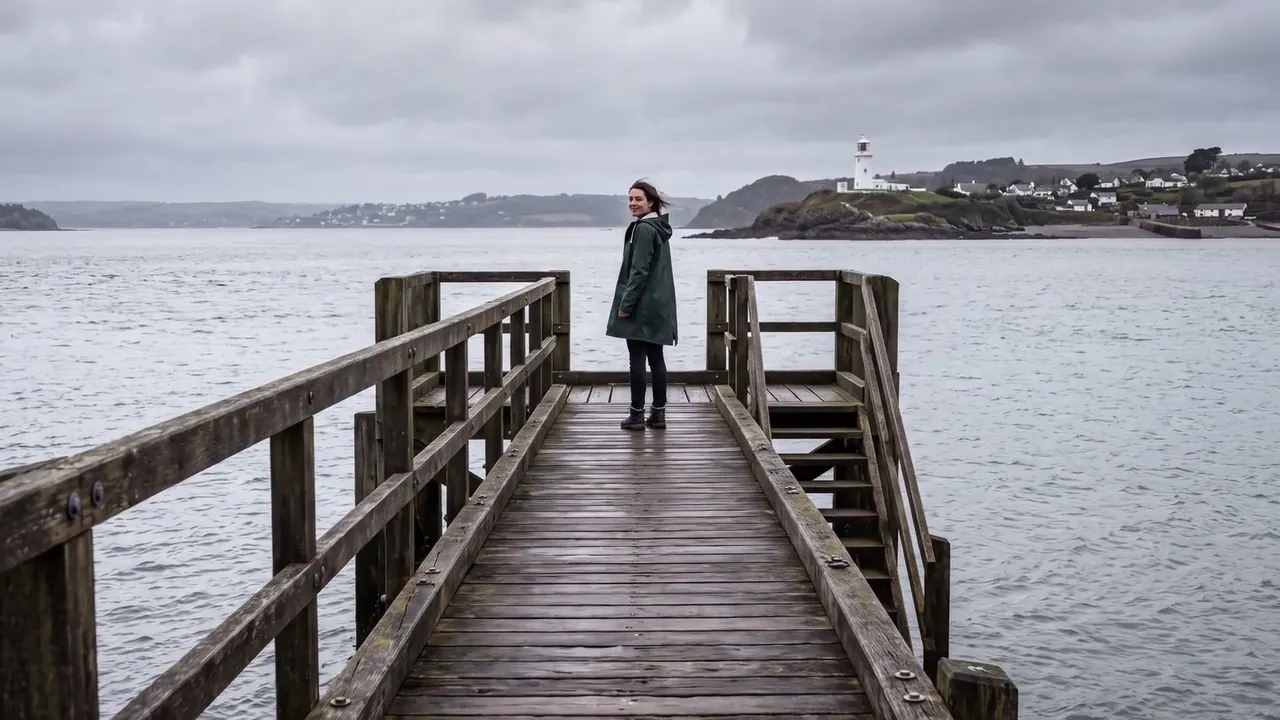
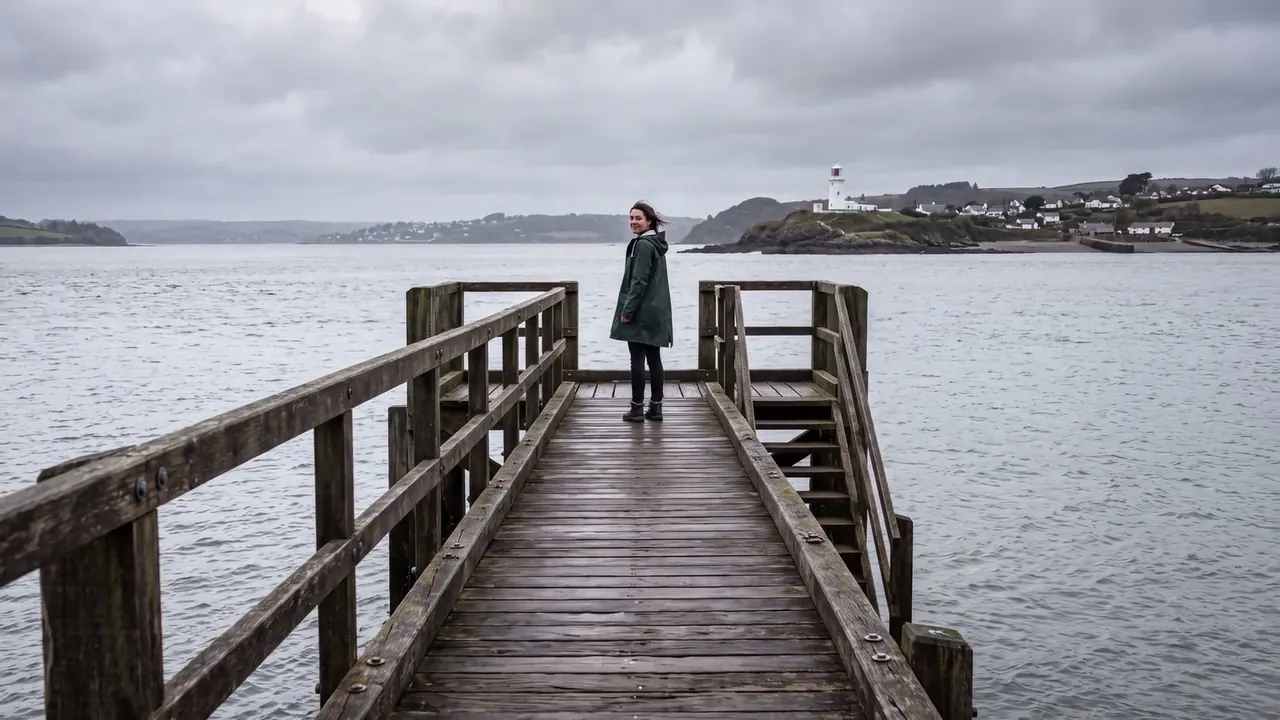
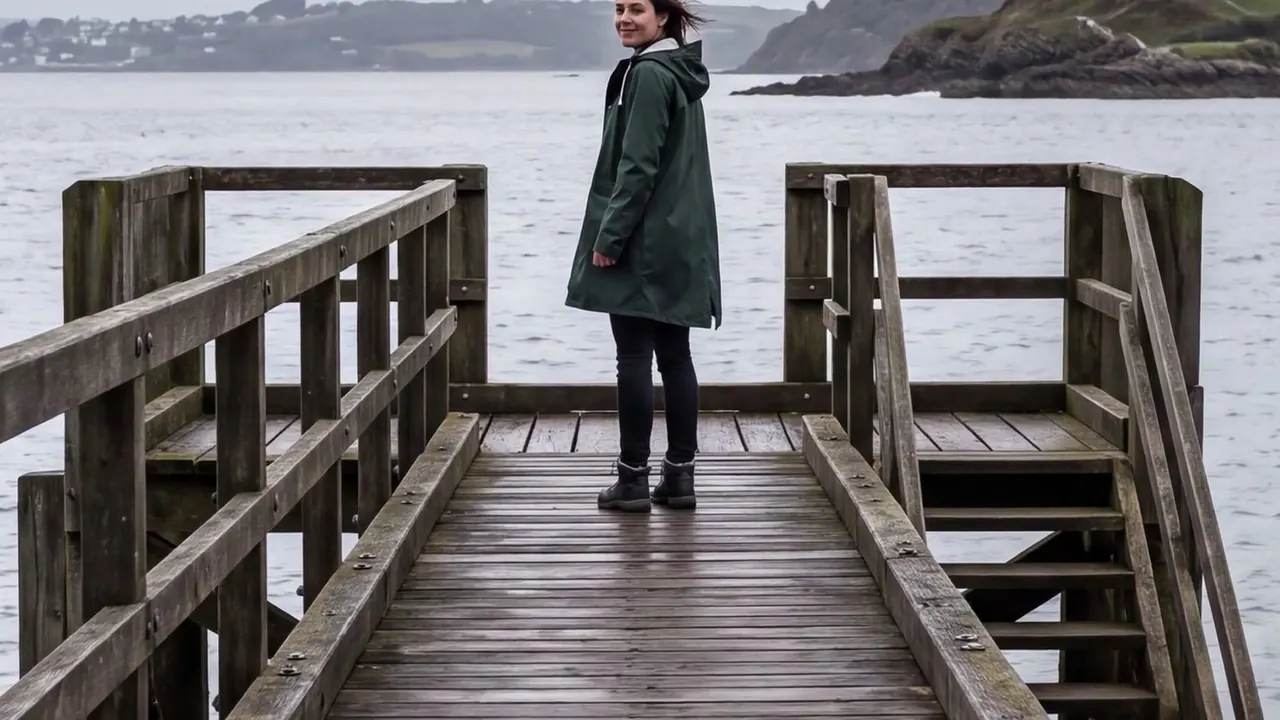
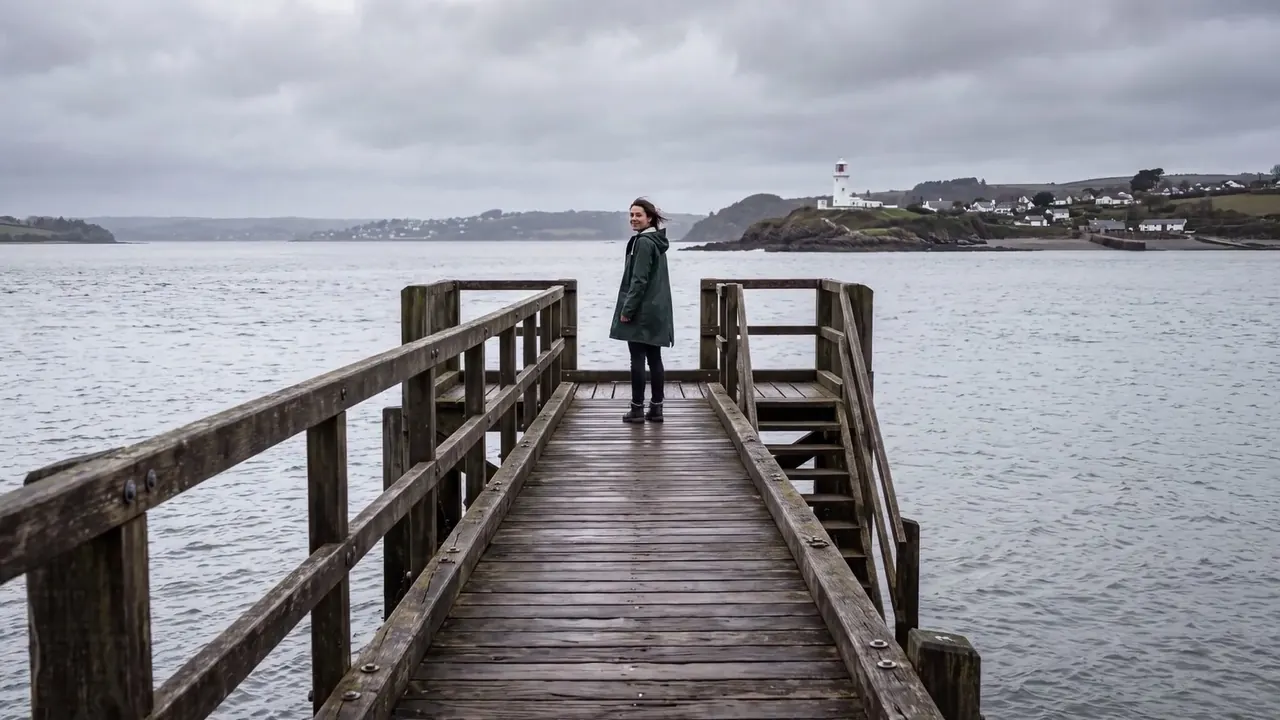
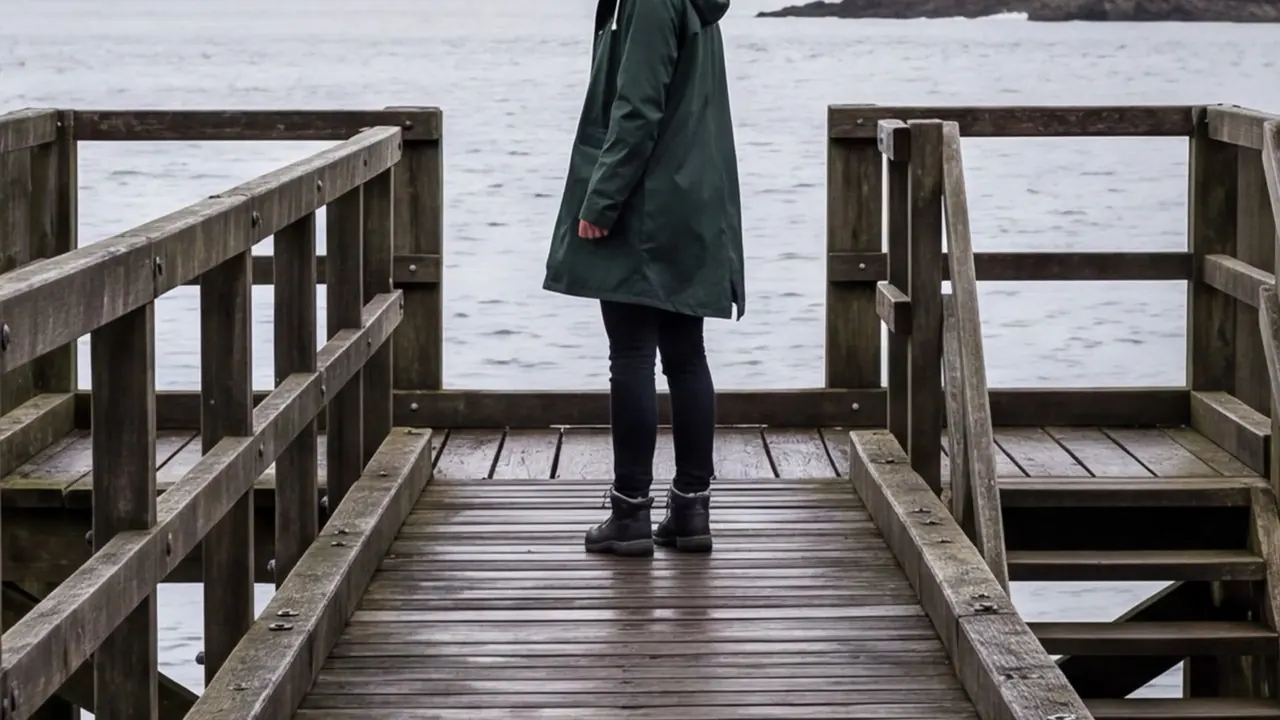
The focal length snaps out, and the frame opens in an instant.
Opens a video model with the prompt in it. The price is on the page before you sign in.
What it is for
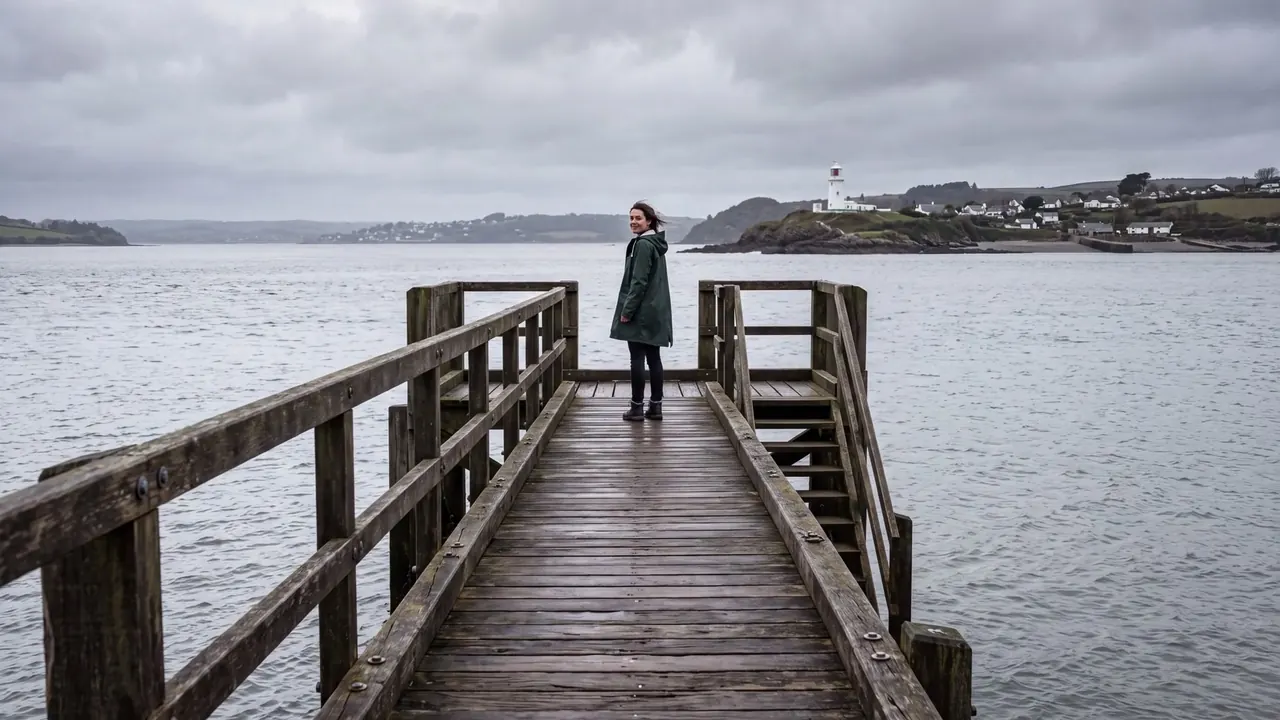
The frame blows open in an instant and the wider picture lands all at once. Whatever the tight shot was hiding is suddenly the subject.
It is a reveal with no build. That makes it useful for comedy, where the gap between what the audience expected and what is actually there is the joke.
How it works
The lens runs to wide in under a second and stops dead. Radial blur streaks outward through the move, and the wide frame holds afterwards.
Everything depends on the end frame. The audience has almost no time to read it, so it needs one clear idea rather than a busy composition.
The wide frame has to hold afterwards. The snap takes a fraction of a second, so everything the audience gets comes from the seconds that follow it.
Radial streaks run outward from the centre through the move. That direction is the only visual cue distinguishing it from a crash zoom in at a glance.
When to use it
Use it to reveal scale, to show that a character is not alone, and to land a joke on the thing they could not see.
Avoid it when the reveal is sad or slow. The speed turns any reveal into a punchline whether you meant it or not.
It also works as the second half of a pair. A crash zoom in on a face followed by a crash zoom out to the room is a complete joke with no cut in it.
Told apart from its neighbours
A pull out travels the camera backwards, so the audience feels themselves retreat and objects sweep past the near corners. A crash zoom out stays put and the room arrives flat in one hit.
Check the edges of frame. New objects entering with parallax mean the camera moved. A flat widening with radial streaks means the lens did.
On film
Edgar Wright cuts Hot Fuzz (2007) around snap zooms in both directions, using the speed as punctuation the way another film would use a cut. The move is the joke as often as the content of the frame is.
- Hot Fuzz (2007)
The prompt
Replace the blanks, keep the rest. Then run it on a video model.
snap zoom out from <subject>, under one second, radial blur through the pull, hard stop on the wide frame
What goes wrong
Models give you backward travel. Say snap zoom out, under one second, camera body stays put.
The second failure is a reveal of nothing. Name what the wide frame shows, because the shot is the reveal rather than the speed.
A third problem is a busy end frame. The audience has almost no time to read it, so a wide full of detail delivers nothing. Ask for one clear idea in the wide.
Leave out
dolly back, slow pull
Watch for
Say what the wide frame reveals. The shot is the reveal, not the speed.
Questions
Shoot it
Pay for the one run. No subscription, and the price is on the model page before you sign in.
Next to it in zooms