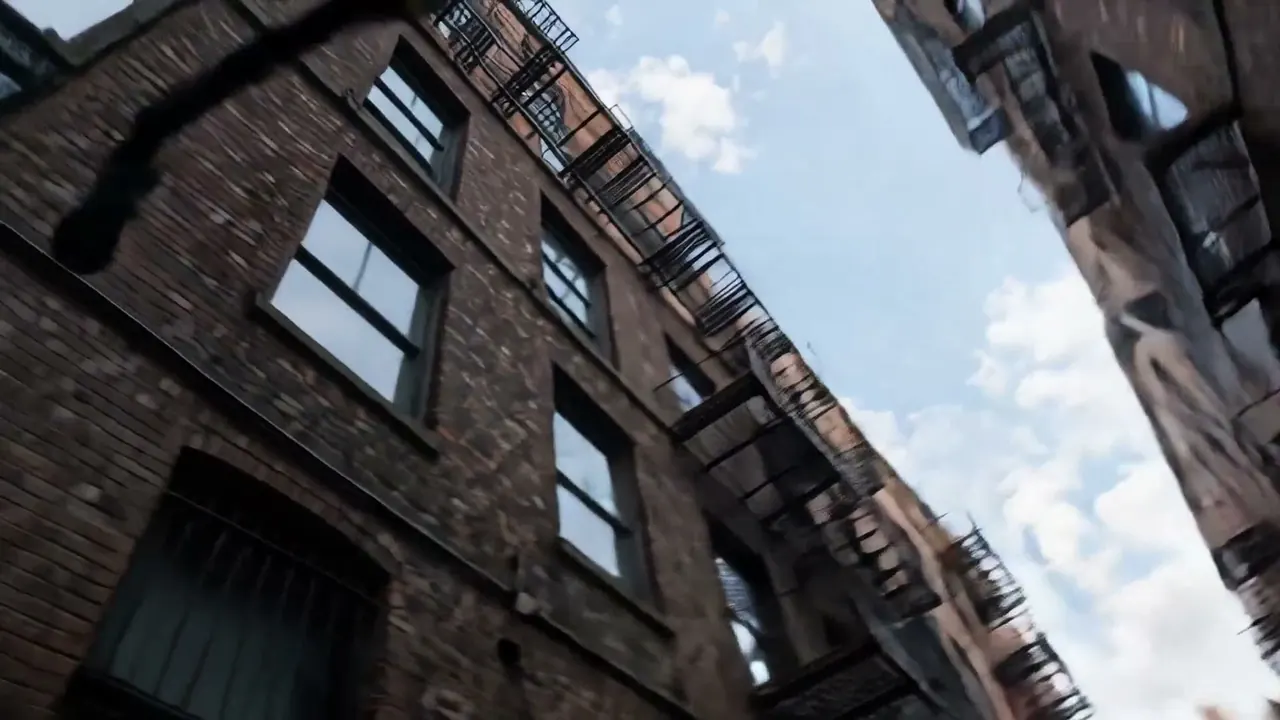
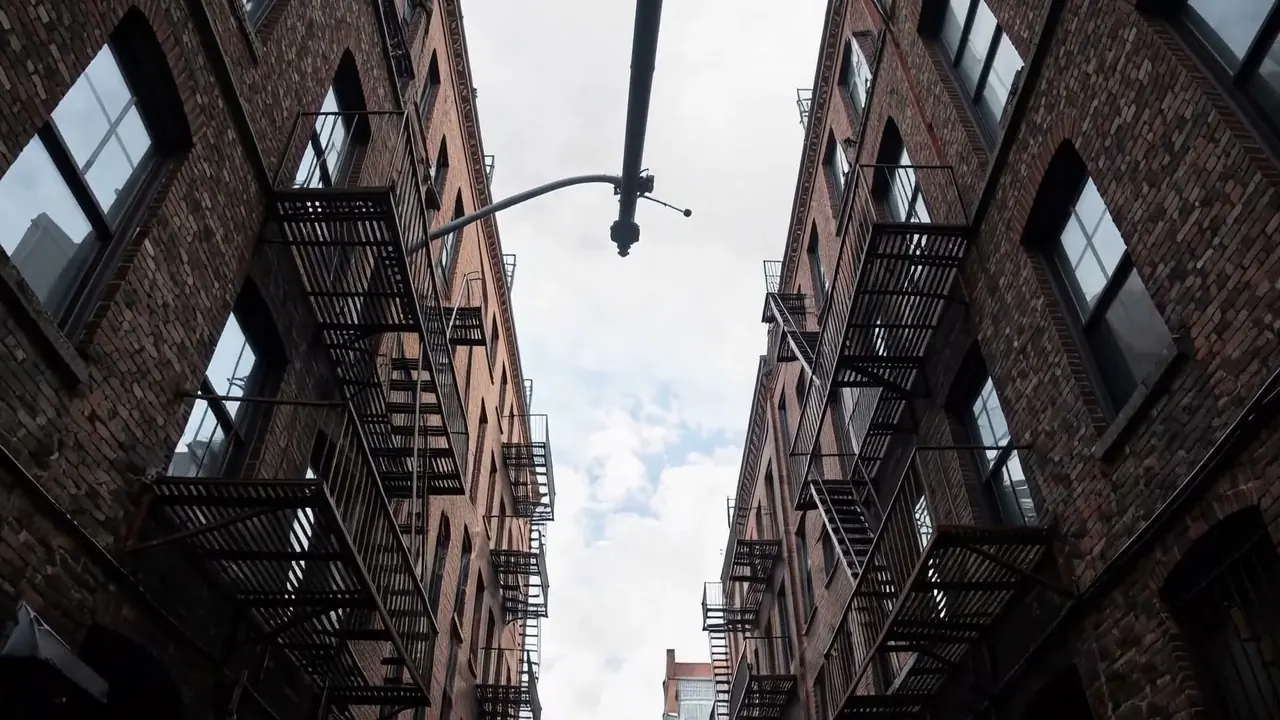
Jib Down
- short crane down
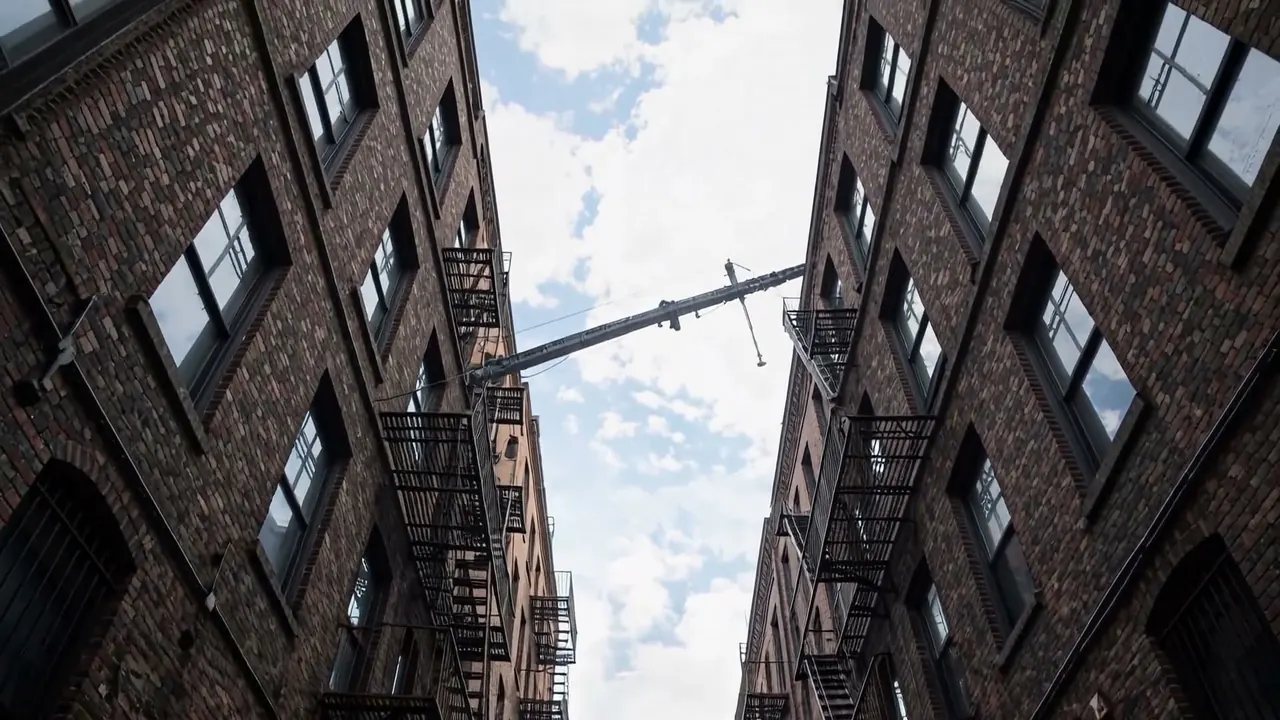
The arm lowers the camera, and the angle drops with it.
Opens a video model with the prompt in it. The price is on the page before you sign in.
What it is for
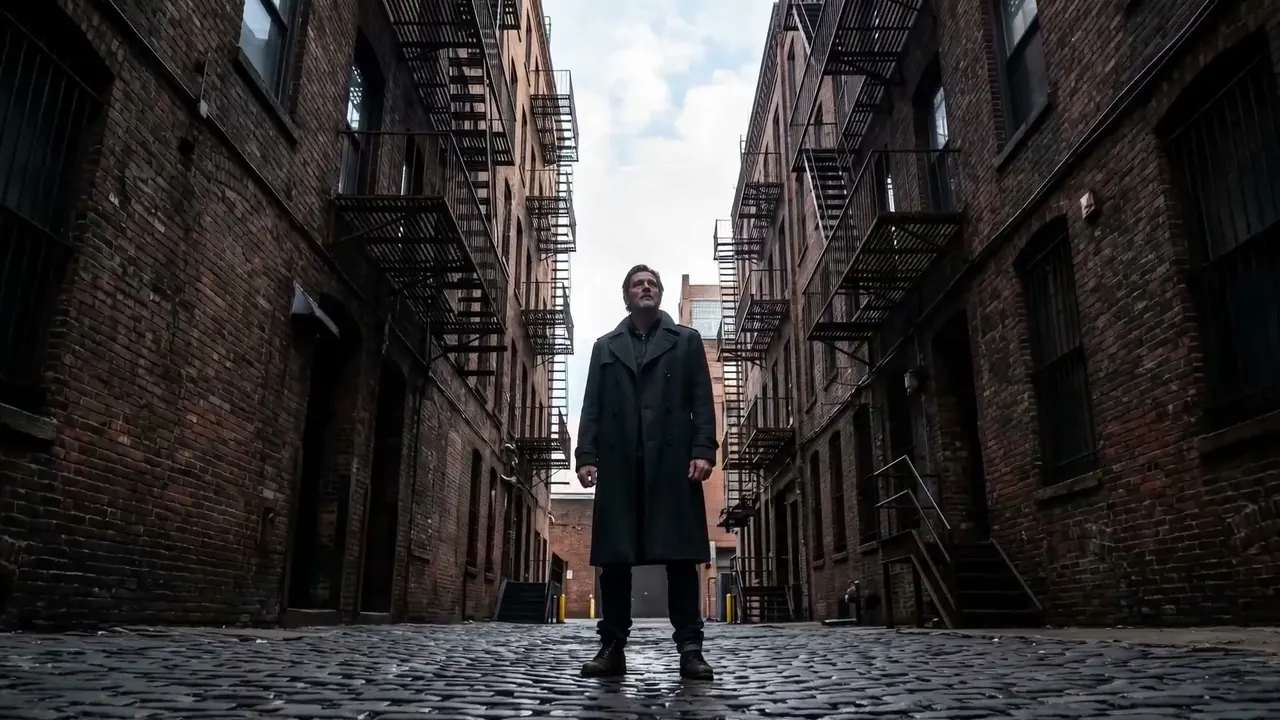
The arm lowers and the angle drops with it, so a shot can come from above a scene down into it without the reach of a crane.
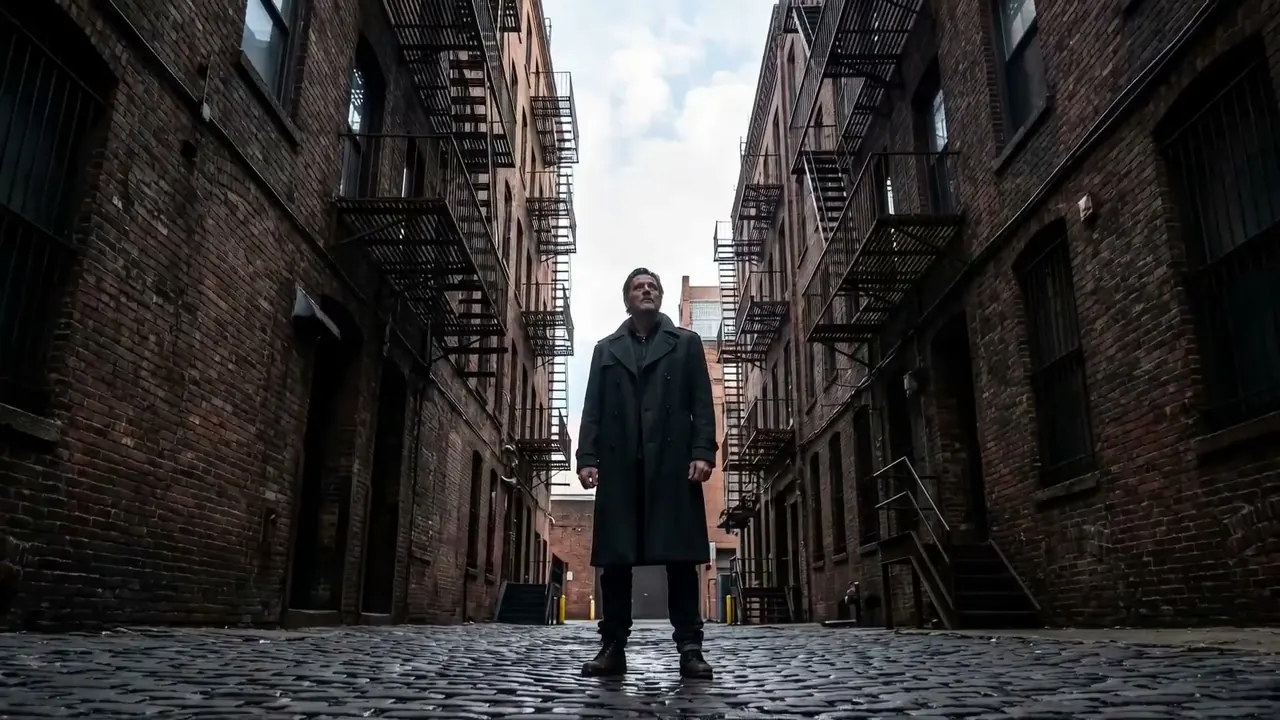
Starting slightly high and landing at eye level is a way of joining the audience to a character. The move puts them in the room.
How it works
The arm lowers the camera through a short distance, with the angle tipping up as it descends so the framing holds. The end is usually at or near eye level.
Name the landing. Eye level with the subject, at the height of the table, just above the floor. The finish is the part that has to be right.
Like its opposite, it often carries a sideways swing, because a short arm travels through an arc. That curve is normal and worth asking for.
When to use it
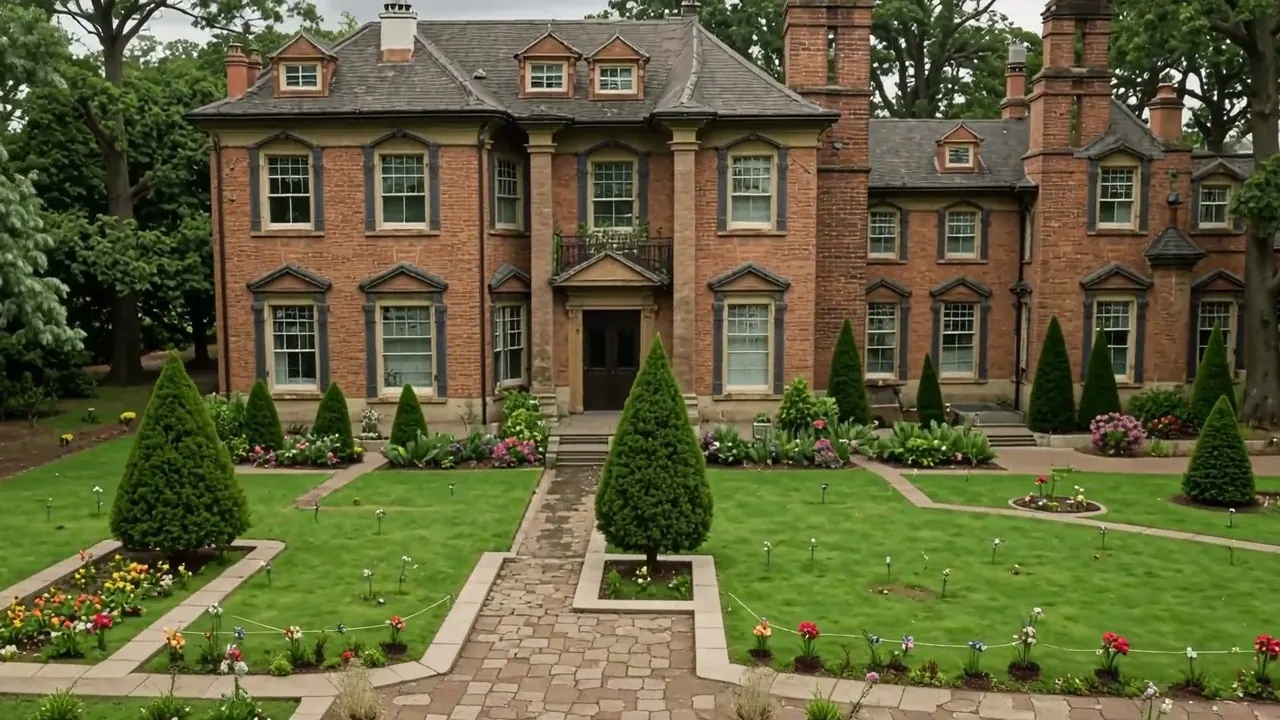
Use it to come into a scene from just above it, to settle onto a person at the start of a take, and to close the distance without a dolly.
Avoid it for a long descent. A jib runs out of arm quickly, and a drop through a building is a crane move.
Told apart from its neighbours
Crane Down travels through real height and often passes several storeys. Jib Down covers a couple of metres and finishes inside the same space it started in.
The check is how much the world changes. A whole new view of a location is a crane. A change from slightly above to eye level is a jib.
The prompt
Replace the blanks, keep the rest. Then run it on a video model.
jib down to <subject>, camera lowers on the arm, angle drops toward eye level, tighter finish
What goes wrong
The model gives a long dramatic descent from the sky. Say the move is short, name the starting height as modest, and name the landing frame.
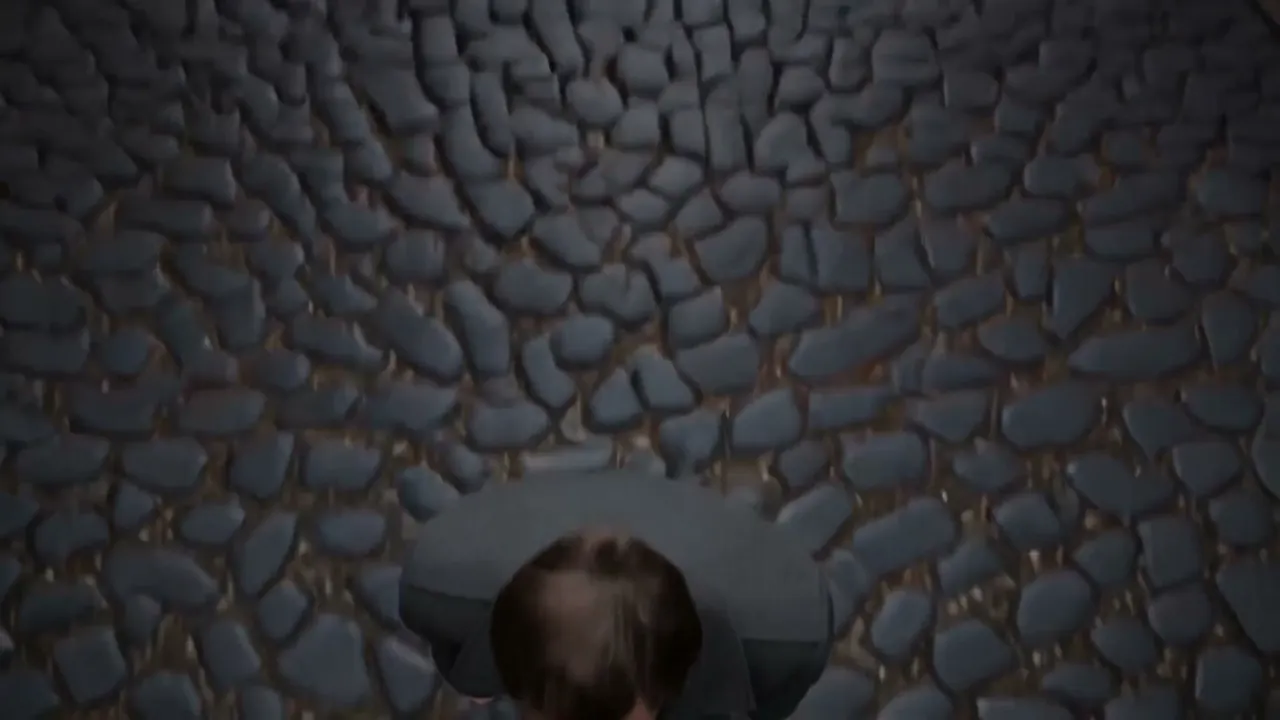
The other failure is a drop with the angle unchanged, so the camera ends up looking at the floor. Ask for the angle to tip up as the arm lowers.
Leave out
rise, zoom
Watch for
Give the finishing height. The move needs a landing frame.
Questions
Shoot it
Pay for the one run. No subscription, and the price is on the model page before you sign in.
Next to it in up and down