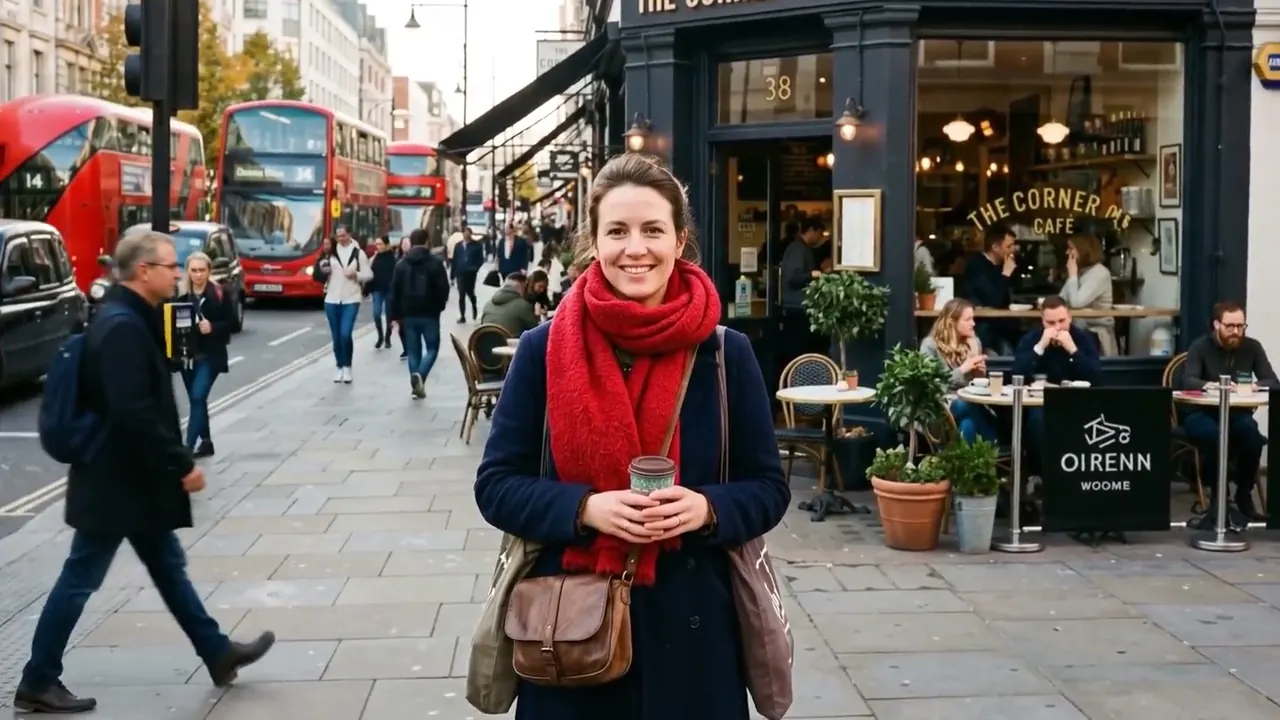
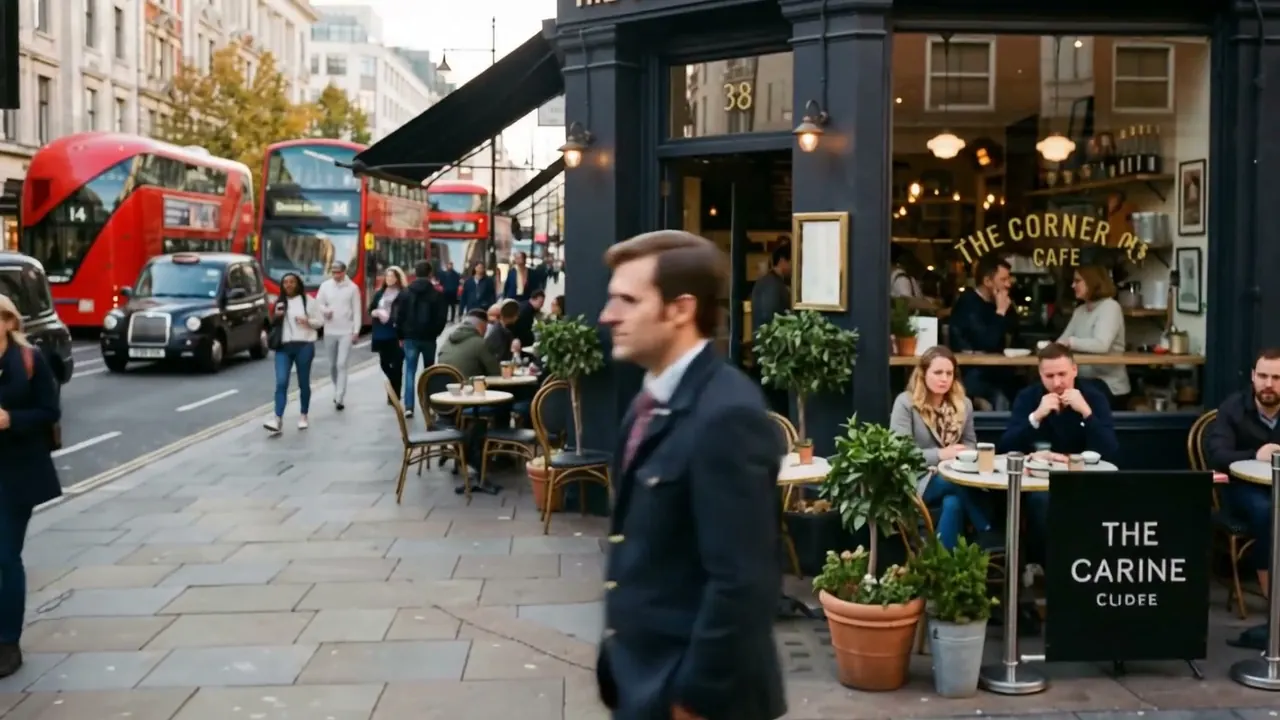
Handheld
- shaky cam
- The Children of Men car ambush
An operator holds the camera, so the frame breathes and corrects.
Opens a video model with the prompt in it. The price is on the page before you sign in.
What it is for
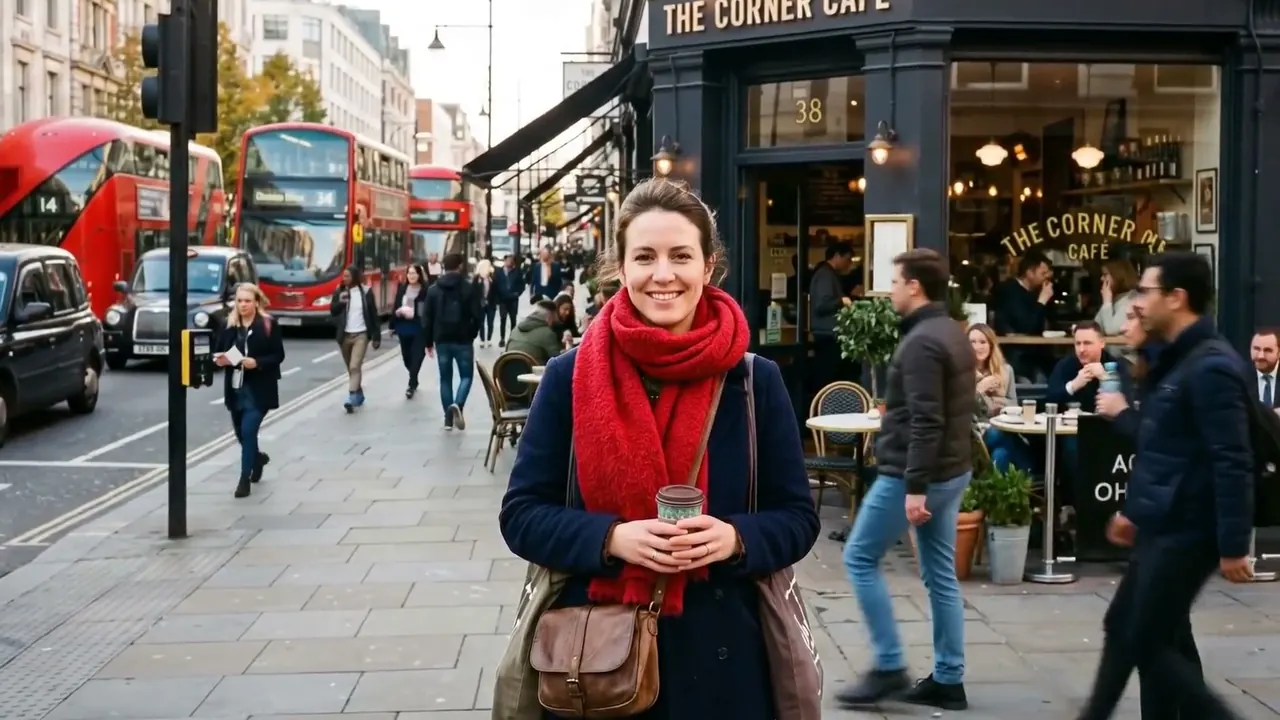
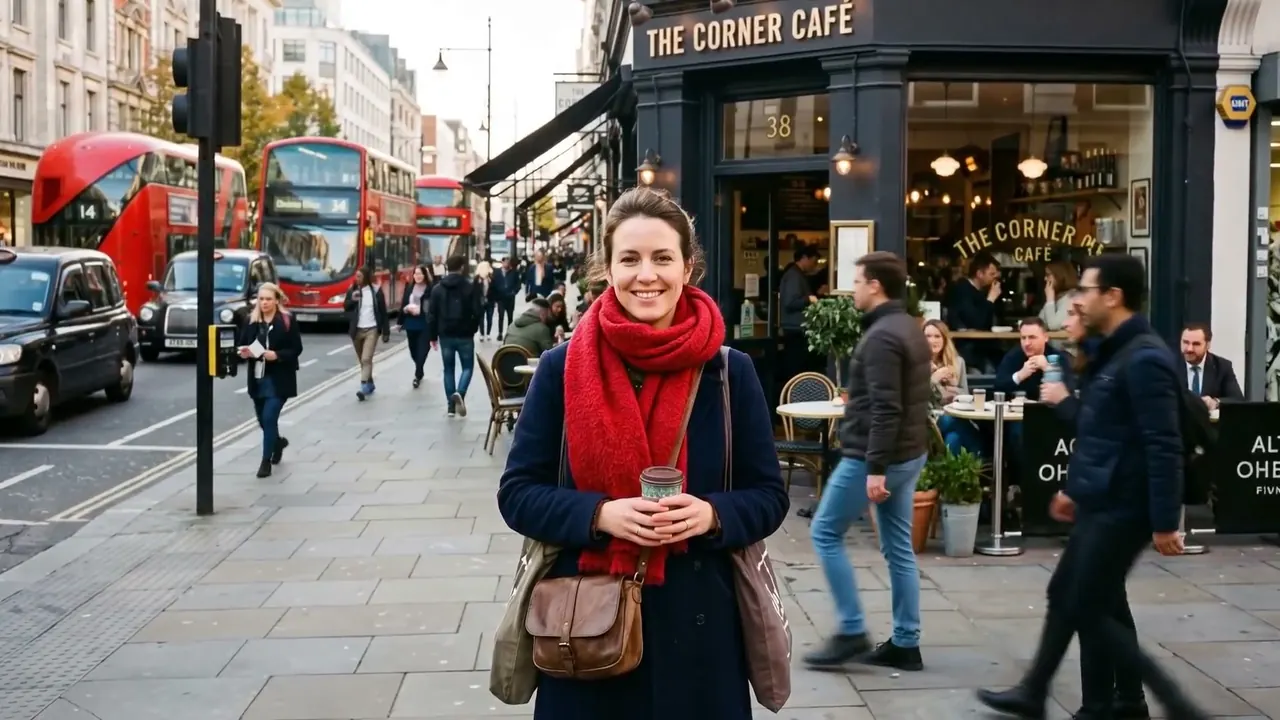
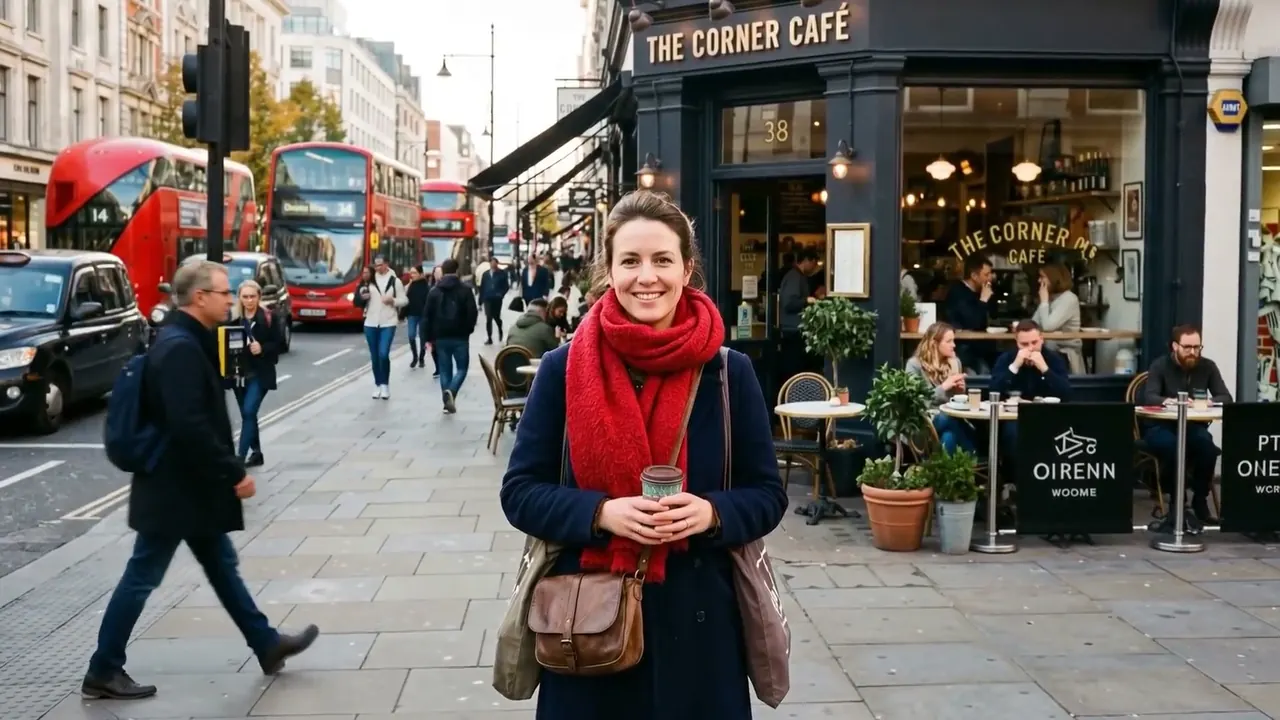
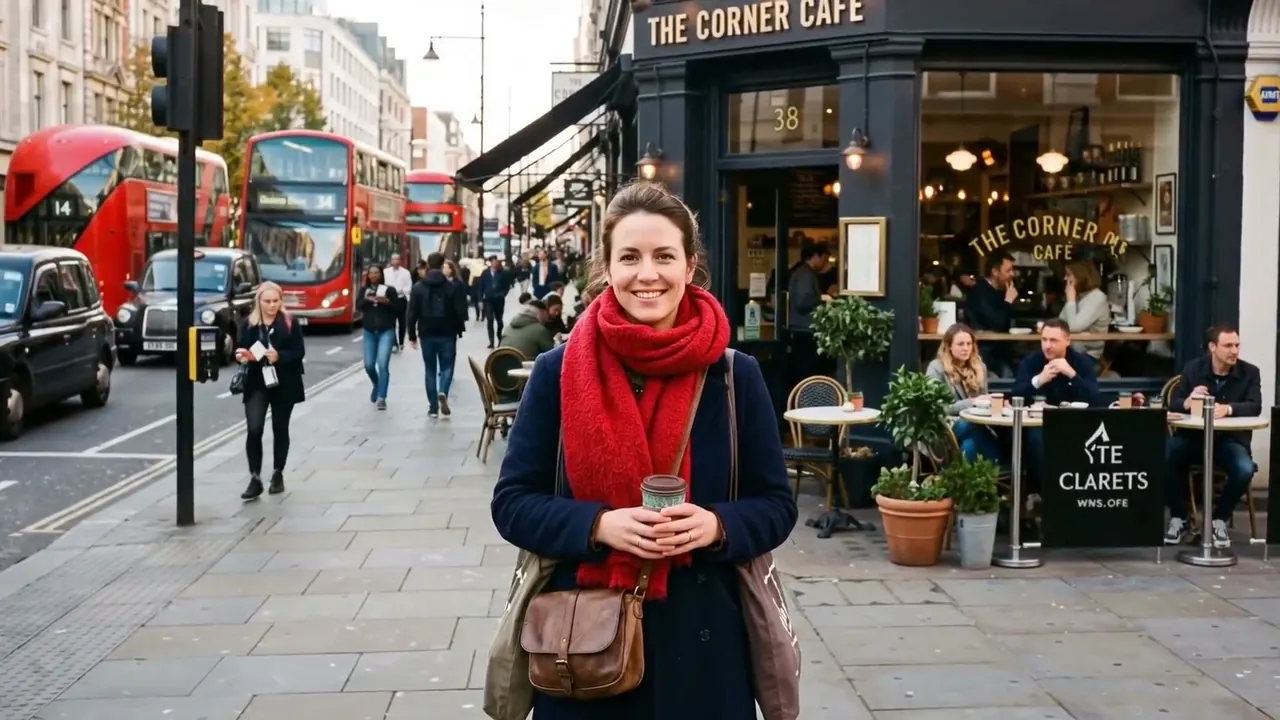
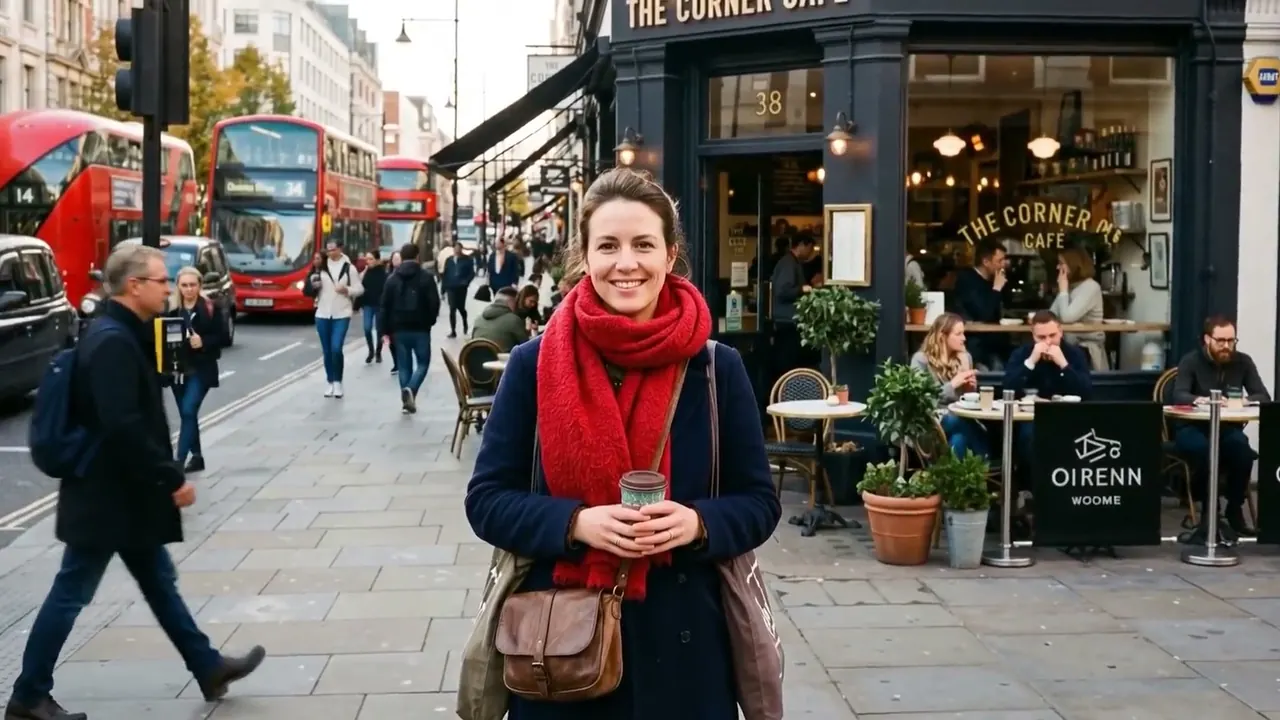
A person is holding the camera and the frame admits it. It breathes, it lags a fraction behind the action, and it corrects when the subject moves.
The audience reads that as a witness. Somebody is in the room with a camera, which is why the look carries documentary and why fiction borrows it whenever a scene should feel unstaged.
How it works
The motion is small and constant. A slight vertical float from breathing, a drift the operator keeps pulling back, and a reframe that arrives just after the subject has already moved.
The late reframe is the part that sells it. A rig that anticipates a movement looks planned. One that chases it looks human.
Weight changes the character. A heavy camera on a shoulder gives slow, broad drift. A light body in two hands gives quicker, smaller corrections.
When to use it
Use it for urgency, for documentary, for conflict, and for any scene that should feel observed rather than staged.
Avoid it when the frame has to be read: text, product detail, anything precise. Also avoid it for calm, since the motion adds tension whether or not the scene wants it.
It also has a tolerance. Two or three minutes of handheld is immersive and ten is tiring, so a long sequence usually alternates it with steadier coverage.
Told apart from its neighbours
Steadicam removes the operator's steps. The camera floats at walking pace with no vertical bounce, and the frame does not correct because it was never thrown off.
The check is the vertical. A bounce in time with footsteps means handheld. A level float over the same walk means a Steadicam or a gimbal.
On film
Emmanuel Lubezki shoots the car ambush in Children of Men (2006) as one long handheld take that stays inside the vehicle while the scene collapses around it. Gillo Pontecorvo built The Battle of Algiers (1966) on the same principle much earlier, shooting crowds in a way that reads as newsreel rather than as staging.
- Children of Men (2006)
- The Battle of Algiers (1966)
The prompt
Replace the blanks, keep the rest. Then run it on a video model.
handheld camera on <subject>, small constant corrections, weight in the frame, human breathing motion
What goes wrong
Models deliver a shake effect: large, regular, and obviously applied. Ask for small constant corrections and human breathing motion, and say the amplitude is small.
The second failure is perfect smoothness with a handheld label. Name the lag, the drift and the reframe, because those behaviours are what handheld means.
A third problem is motion with no cause. Say who is holding the camera and what they are doing, such as walking behind the subject, since the behaviour follows from that.
Leave out
locked frame, gimbal smoothness
Watch for
Ask for small motion. Big motion reads as a shake effect, not a human operator.
Questions
Shoot it
Pay for the one run. No subscription, and the price is on the model page before you sign in.
Next to it in how the camera is carried