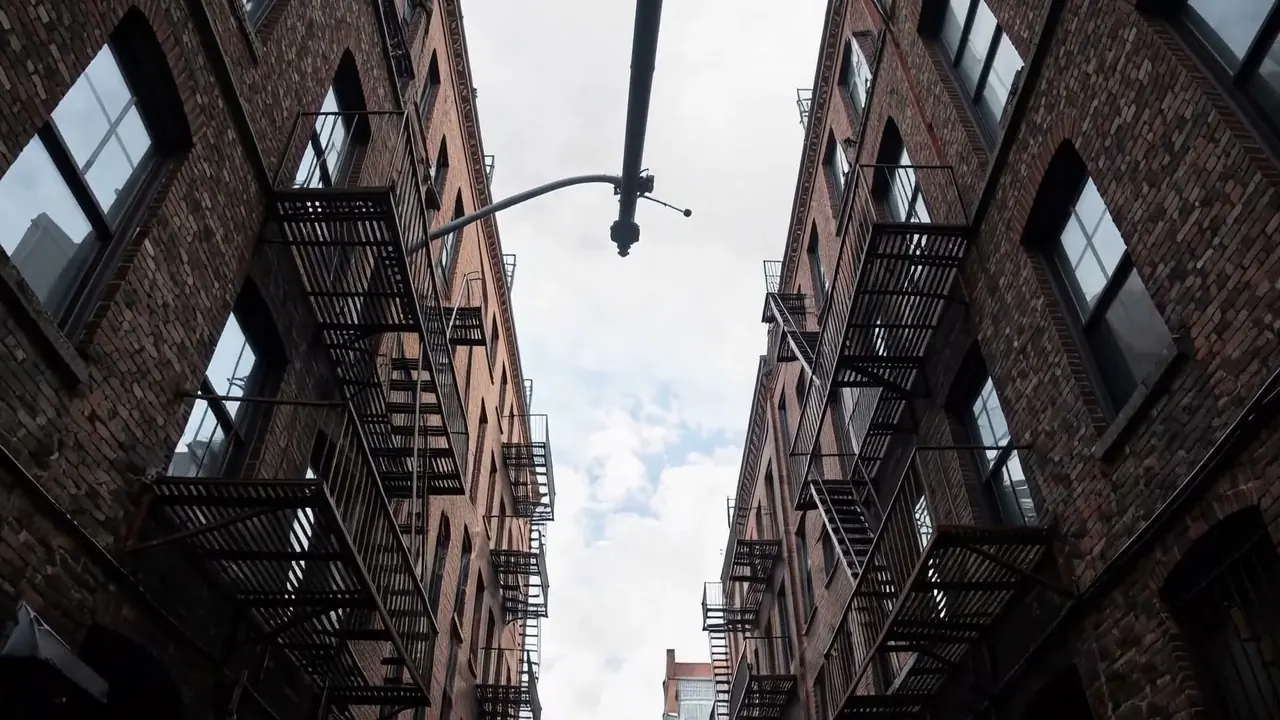
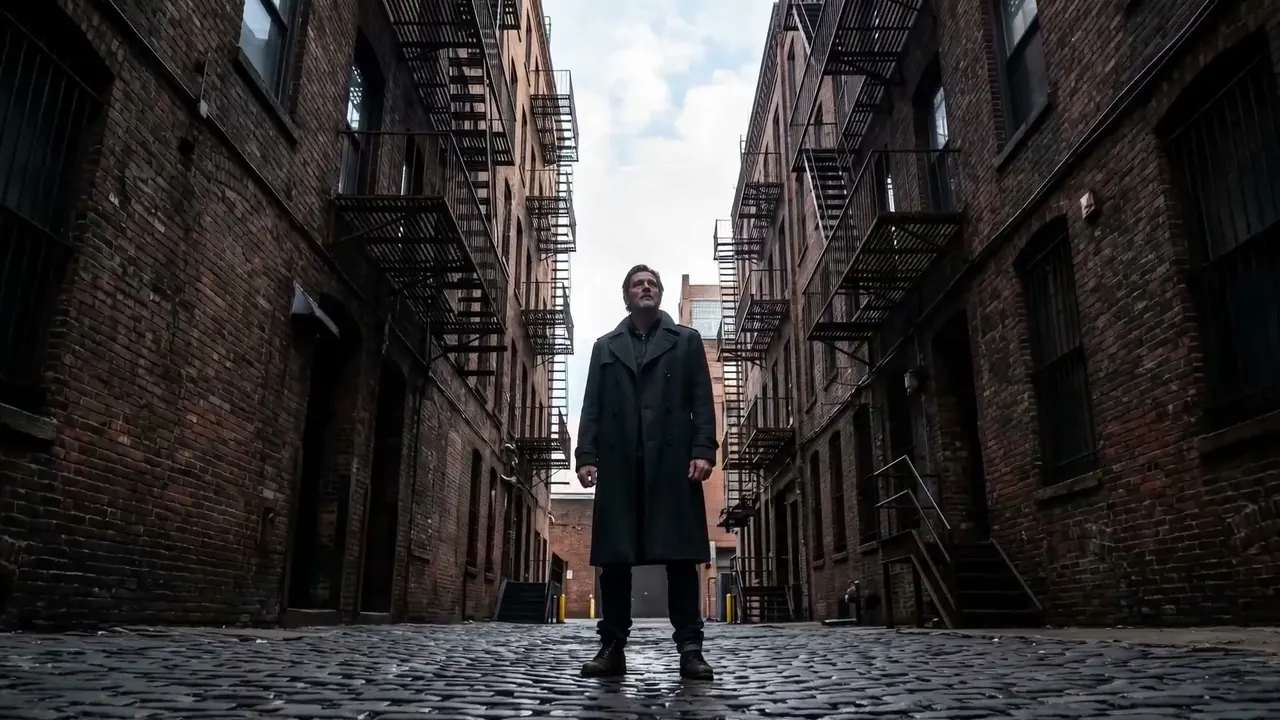
Crane Up
- jib up
- boom up reveal
- Rise and reveal
- Grue ascendante
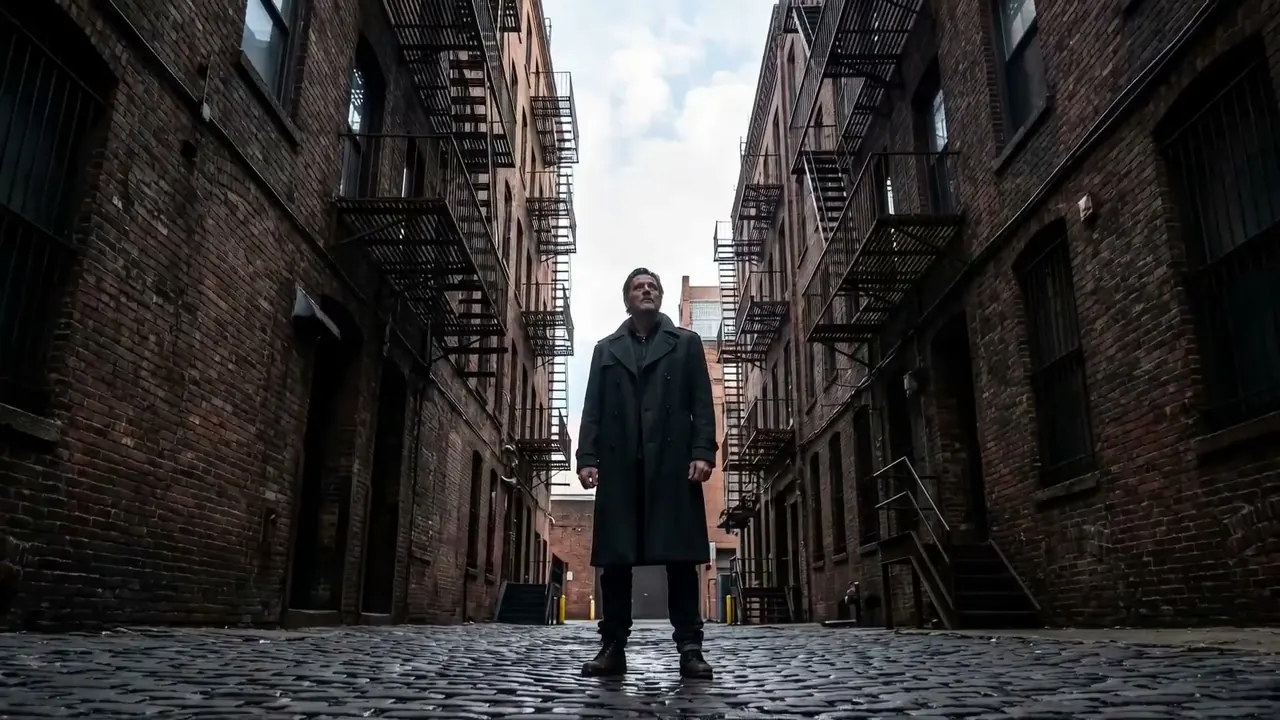
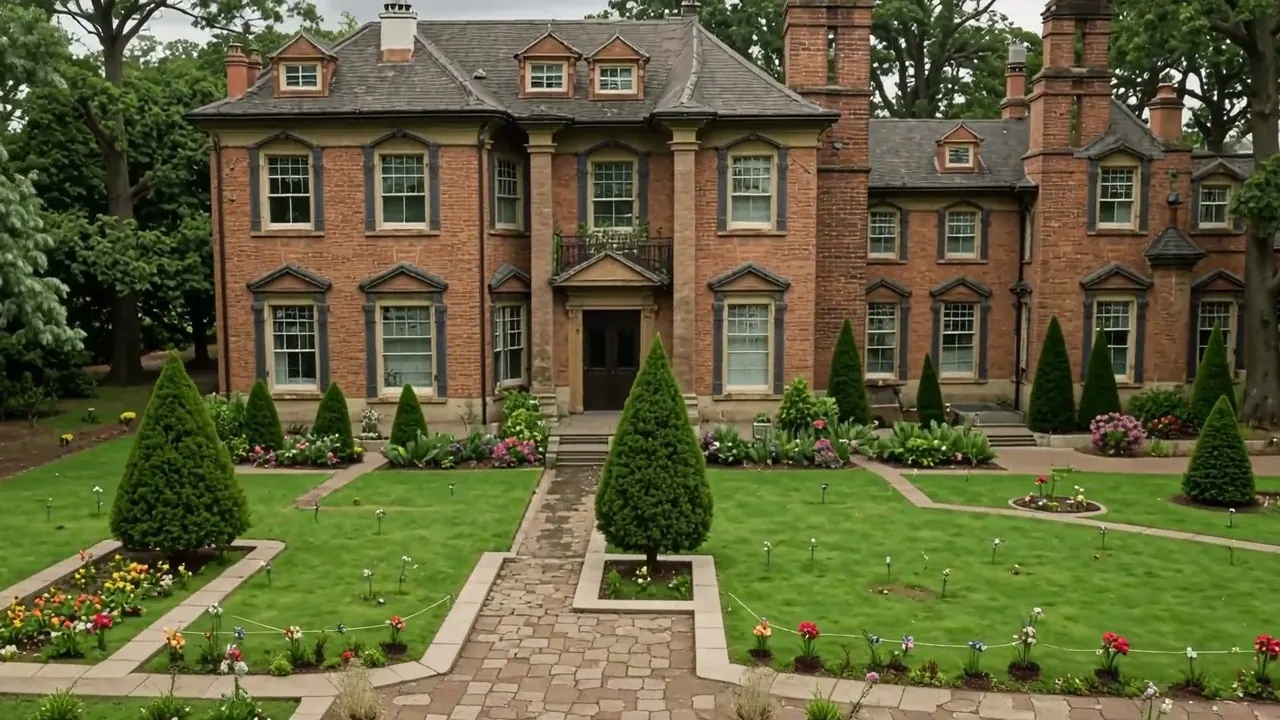
The camera climbs on a crane and opens the view.
Opens a video model with the prompt in it. The price is on the page before you sign in.
What it is for
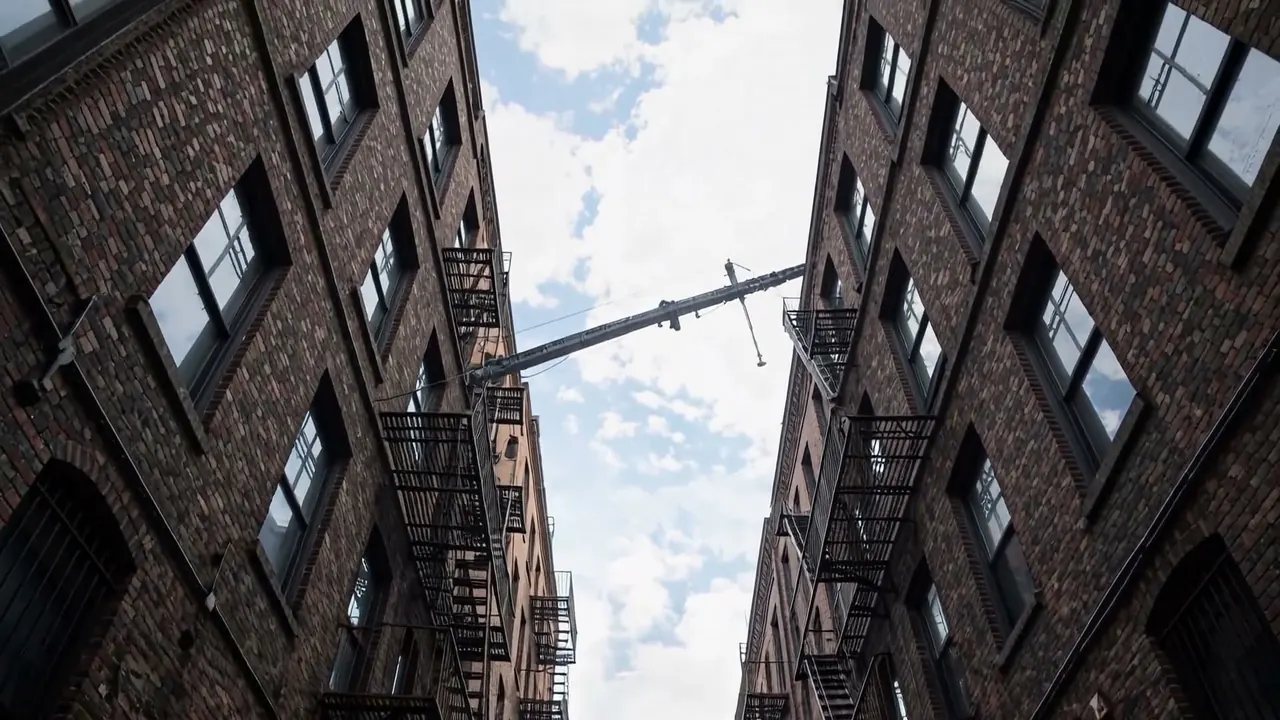
The camera climbs, and as it climbs the frame takes in more than it did. What looked like one person becomes one person among many, and the scale of the thing they are inside becomes the point.
It is also an exit. Rising away from a subject ends a scene by leaving it, which is why so many films finish on one.
How it works
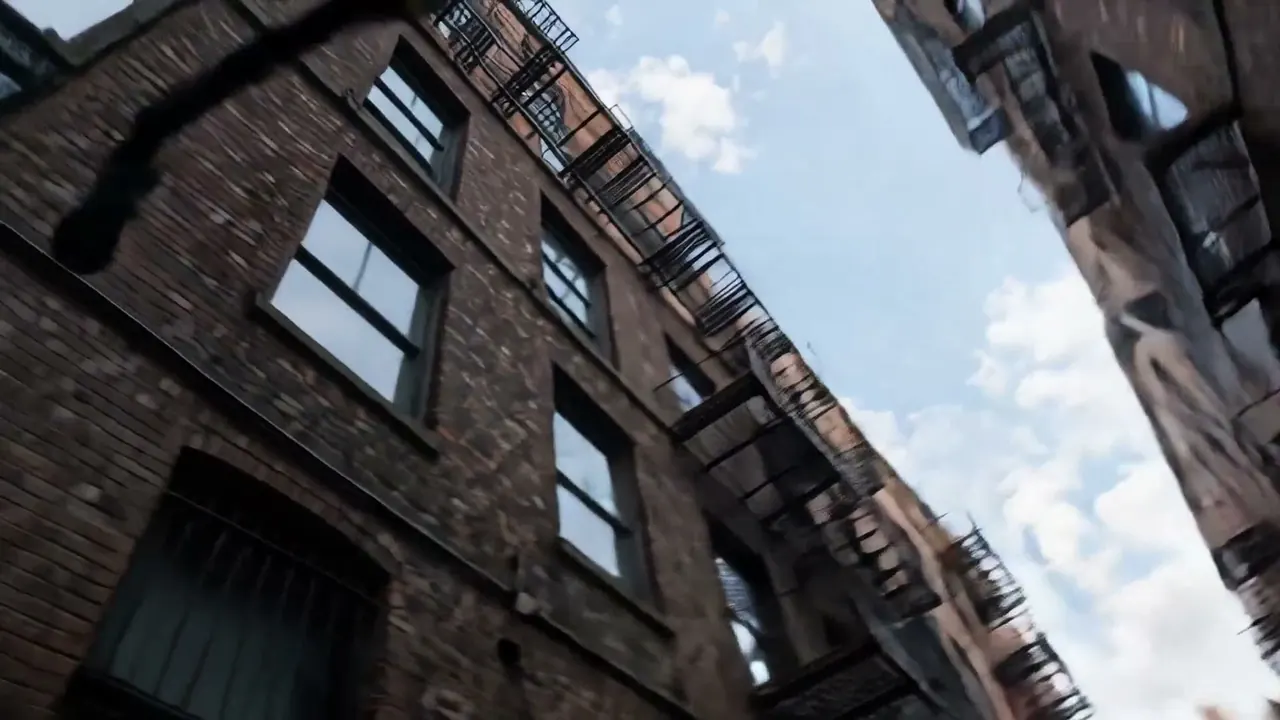
The camera is carried up on an arm while the shot runs. Height changes, and because height changes, the angle onto everything changes with it.
Most crane ups tilt down as they rise, so the subject stays in frame while the camera goes over them. The two moves run together and the combination is what opens the view.
The end frame is the reveal. Whatever the rise uncovers should be composed and held, or the move is a climb to nothing.
When to use it
Use it to reveal scale, to end a scene, and to turn a private moment into a public one by showing what surrounds it.
Skip it when the surroundings are empty. Rising over a bare field reveals more bare field and the gesture is wasted.
Told apart from its neighbours
Tilt Up pivots the lens from a fixed height, so the perspective on everything stays as it was. Crane Up lifts the camera, so near objects fall away and the whole geometry of the frame changes.
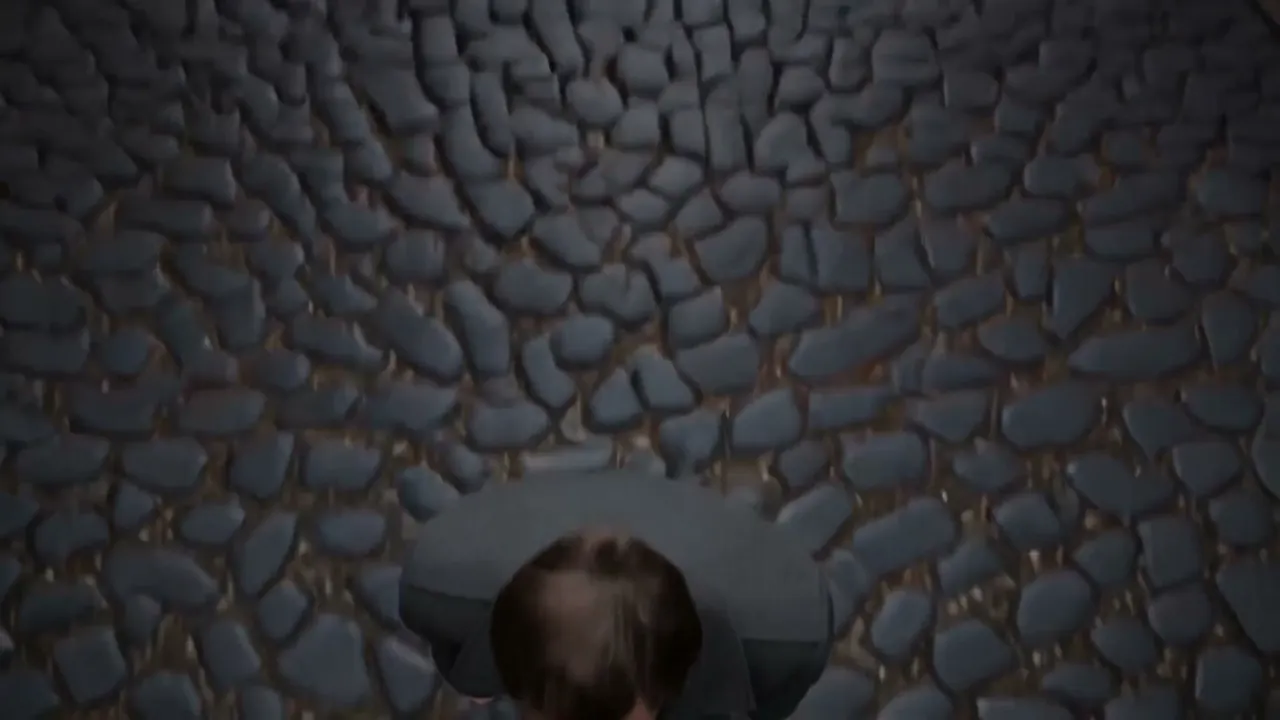
Watch the ground near the camera. In a tilt up it simply leaves the bottom of frame. In a crane up it shrinks as the camera climbs away from it.
On film
Victor Fleming cranes up from Scarlett at the railway depot in Gone with the Wind (1939), and the rise turns one woman looking for one man into a field of wounded soldiers. Robert Altman opens The Player (1992) with a long crane and dolly take that introduces a studio lot and half a dozen conversations without a cut.
- Gone with the Wind (1939)
- The Player (1992)
The prompt
Replace the blanks, keep the rest. Then run it on a video model.
crane up from <subject>, camera climbs, scene opens out below, wider frame at the top of the move
What goes wrong
The model tilts instead of climbing, which keeps the camera at the same height and reveals nothing new. Say the camera rises through the scene and ban tilt and zoom out.
The second failure is a rise with no destination. Name the frame at the top of the move and what it takes in, so the climb arrives somewhere.
Leave out
descend, zoom out
Watch for
A crane up changes the angle as it rises. A zoom out does not.
Questions
Shoot it
Pay for the one run. No subscription, and the price is on the model page before you sign in.
Next to it in up and down