Car Chasing
The camera pursues a moving vehicle and holds it in frame.
Opens a video model with the prompt in it. The price is on the page before you sign in.
What it is for
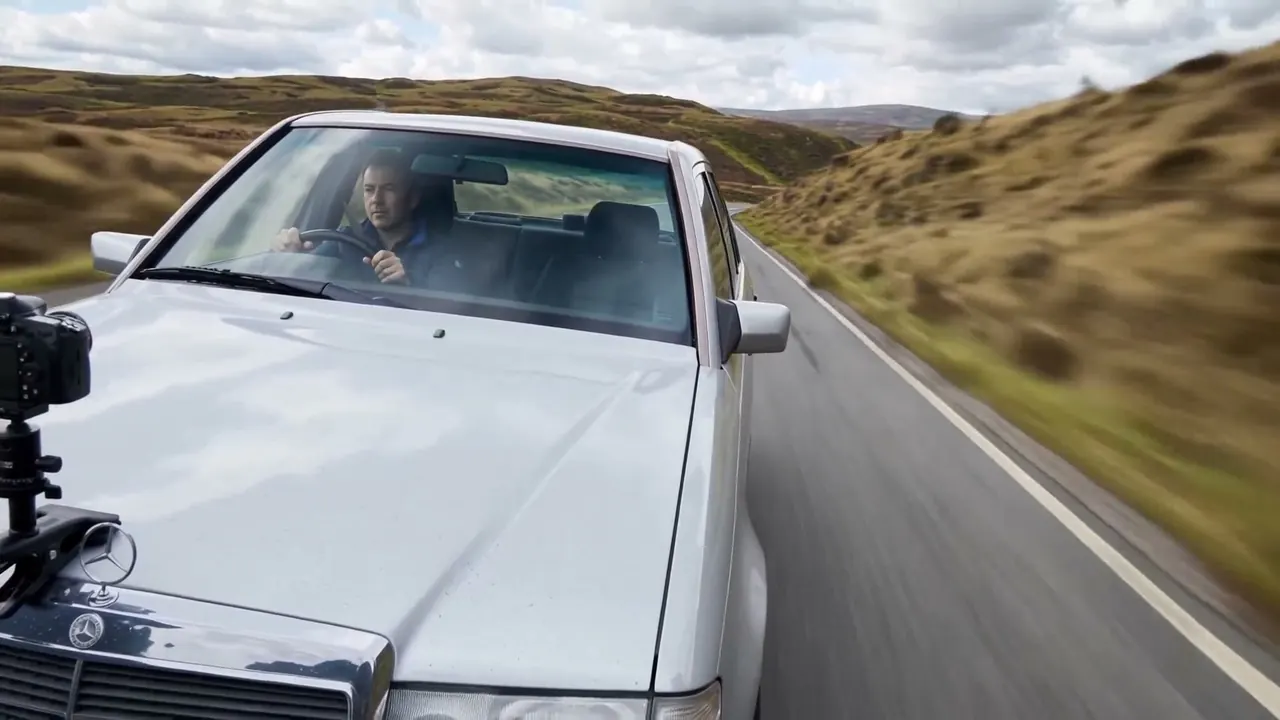
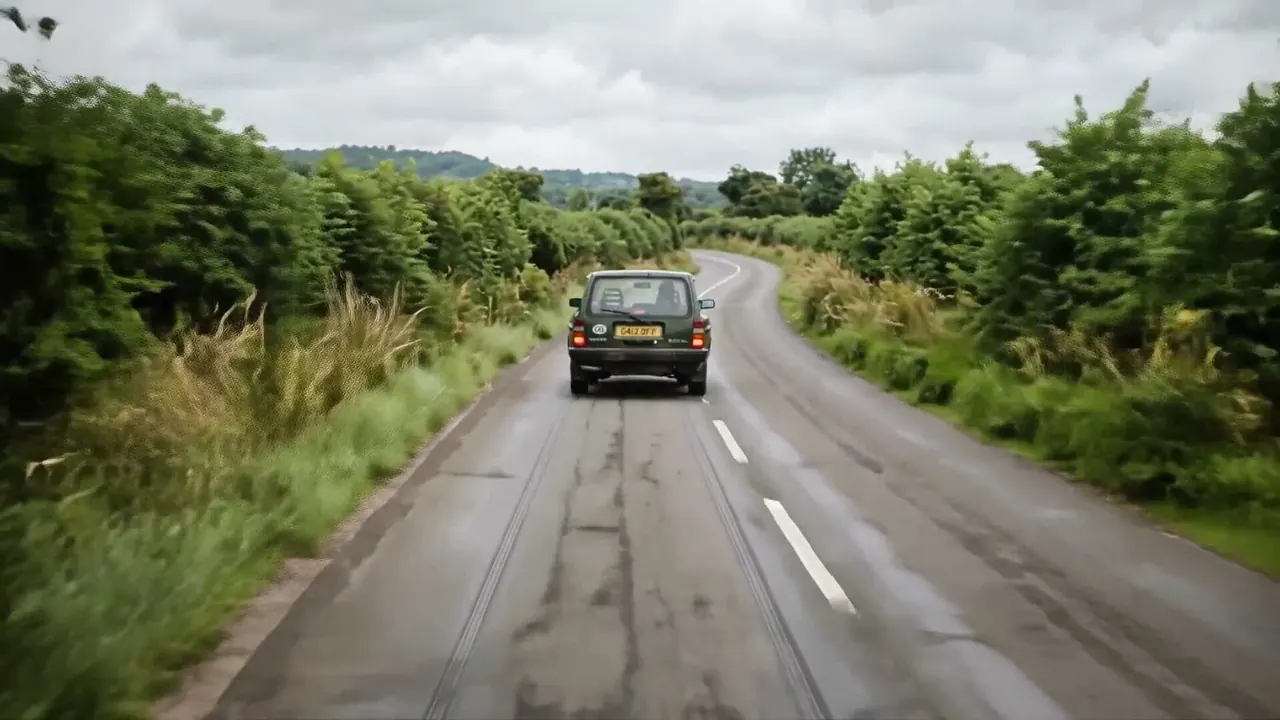
The camera is behind the car and running at the same speed, so the audience sits inside the pursuit rather than watching it pass. Speed reads as the gap between the two vehicles holding steady while everything around them tears away.
It also keeps the target in view for as long as the chase lasts. A camera planted on the verge gives you two seconds of car and then an empty road.
How it works
The camera rides on a second vehicle matched to the first. The subject car sits almost still in the frame, and the road, the verge and the sky do all the moving.
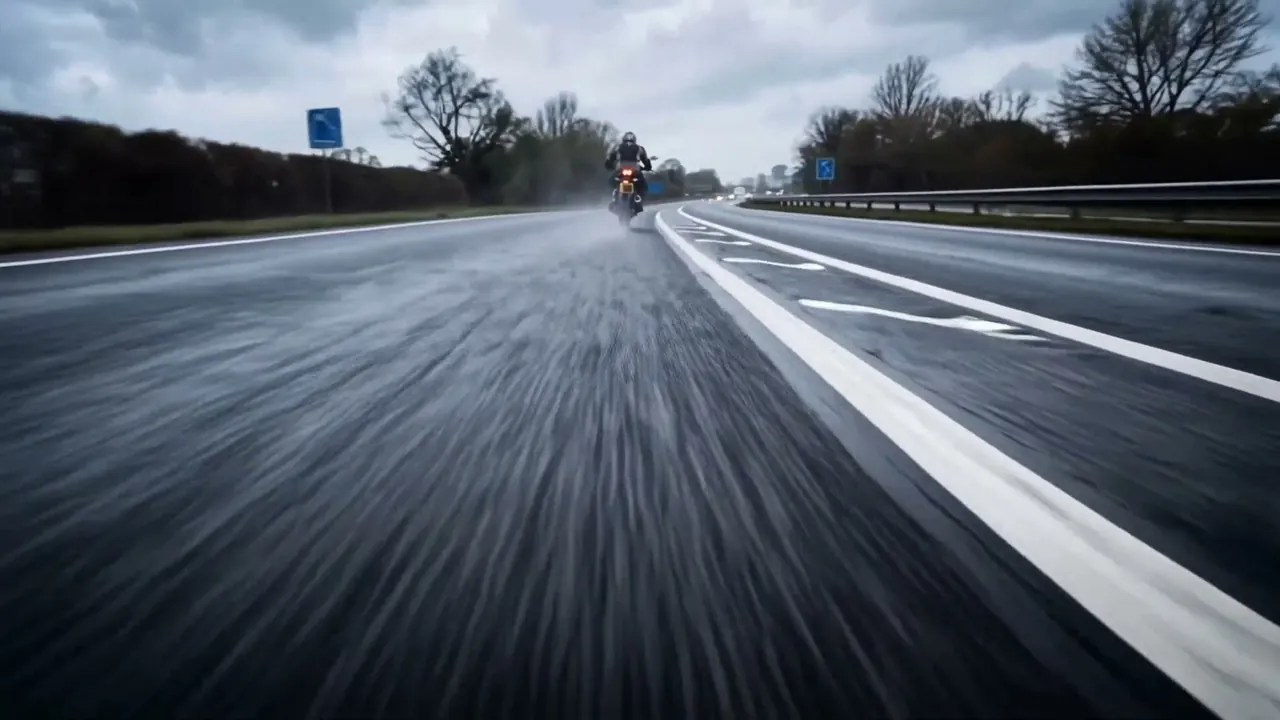
Height and distance set the tone. Close and low reads as aggression. Further back and higher reads as watching. Keep some road surface in frame, because that streaking tarmac is the speedometer.
A longer lens squeezes the gap and makes the two vehicles look closer than they are, which is how a chase is tightened without driving any nearer.
When to use it
Use it for a pursuit, for an escape, and for any stretch where the audience should want the car ahead to get away or to be caught.
Skip it when the beat belongs to the driver. A chase from behind shows you a rear windscreen and nothing of the face inside it.
Told apart from its neighbours
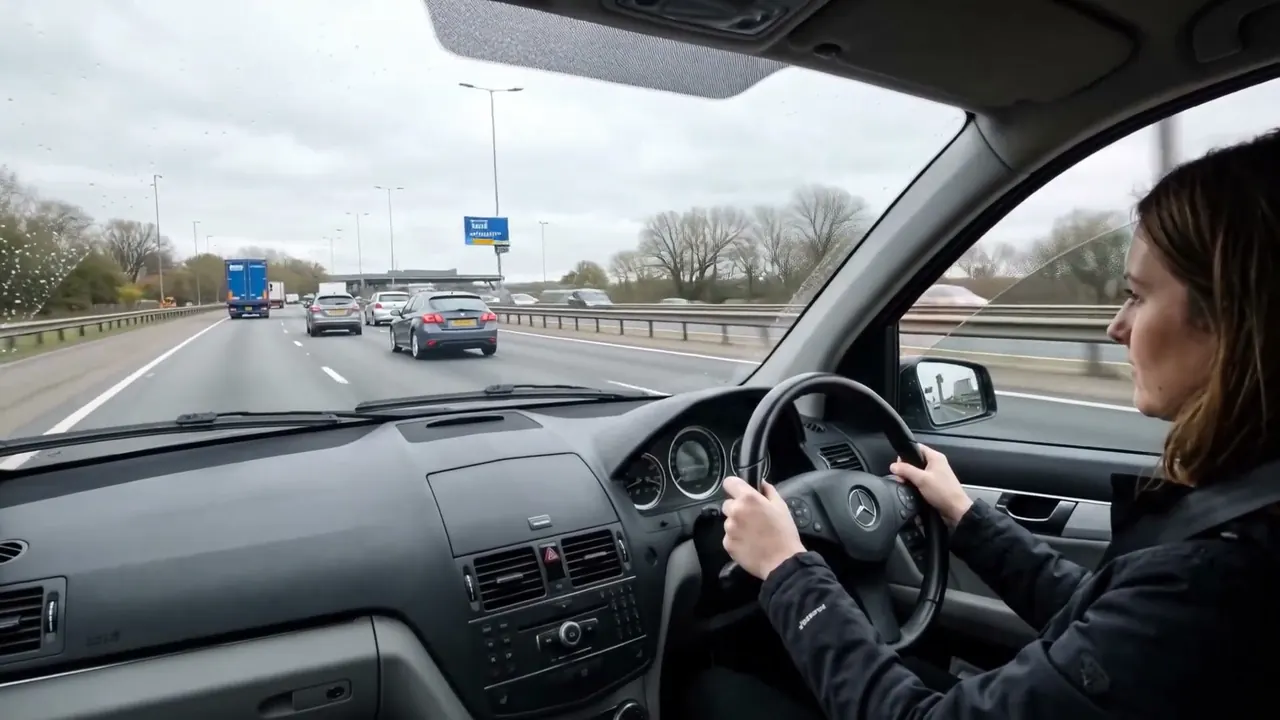
Buckle Up bolts the camera inside a vehicle, so the world arrives through the glass and the car itself is never seen. Car Chasing stays outside and behind, and a whole car sits in the frame.
The test is whether you can see the vehicle you are following. If the car is the subject, this is a chase. If the car is the camera platform, you are buckled in.
On film
Peter Yates shot the San Francisco chase in Bullitt (1968) from cars running with the action rather than from fixed positions along the street, and that is why the sequence still reads as a pursuit instead of a series of cars going past.
- Bullitt (1968)
The prompt
Replace the blanks, keep the rest. Then run it on a video model.
camera chases <subject> vehicle from behind, matched speed, road rushing beneath, vehicle held in frame
What goes wrong
The vehicle drives out of frame inside the first second, because the model plants the camera on the ground and lets the car leave. Say the camera moves at the same speed and the vehicle holds its place in frame throughout.
The second failure is a still background. If the road and the verge are not streaking, nothing is moving at all. Name what rushes past and how close it comes to the lens.
Leave out
static, aerial
Watch for
Match the speed in words, or the vehicle drives out of frame in the first second.
Questions
Shoot it
Pay for the one run. No subscription, and the price is on the model page before you sign in.