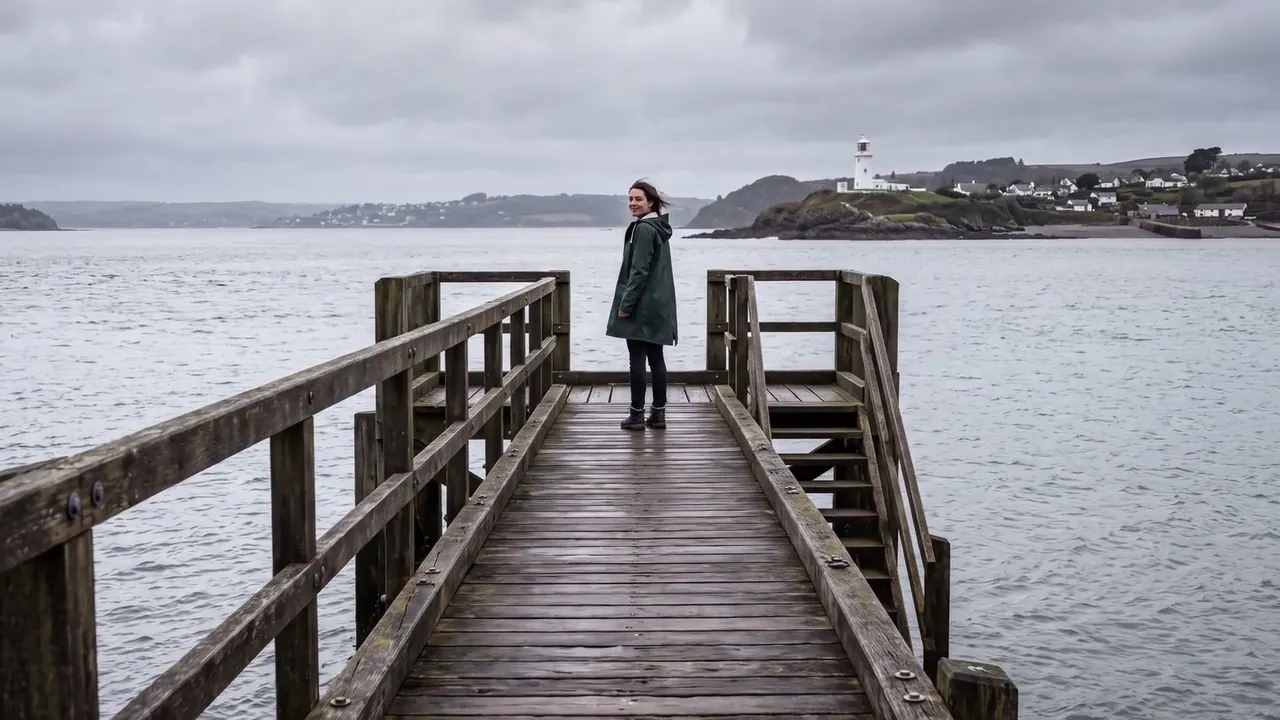
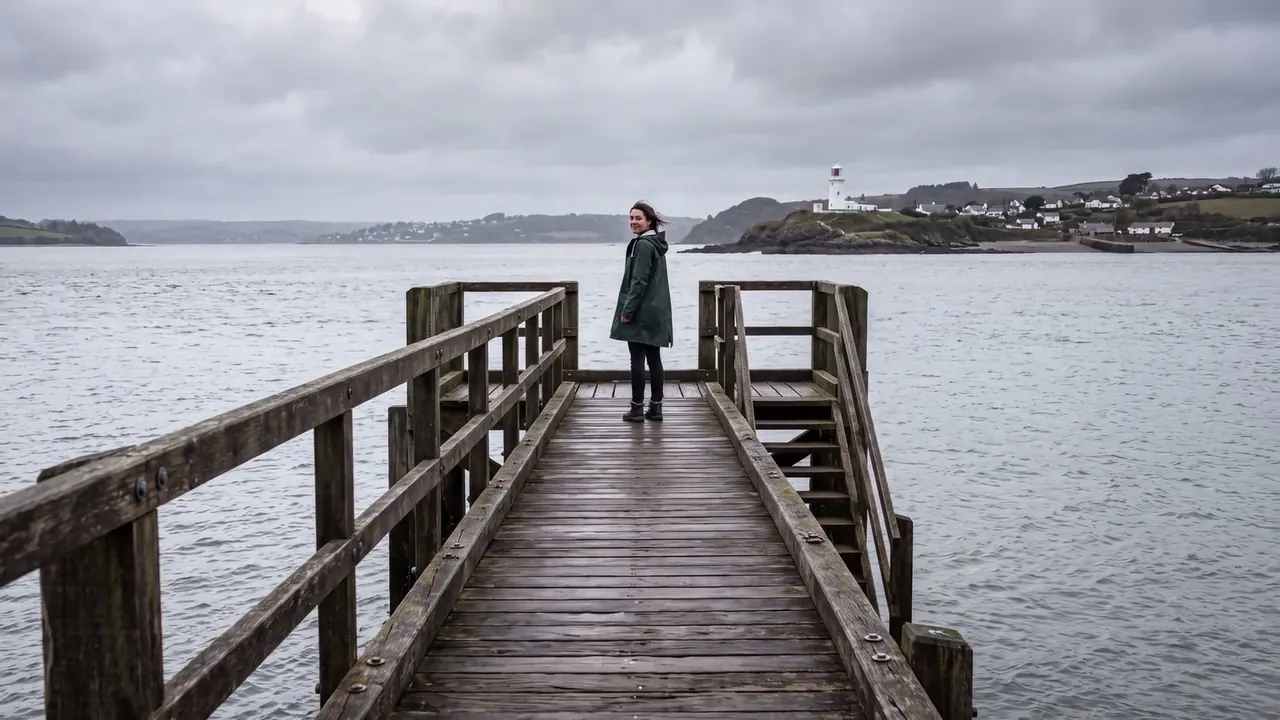
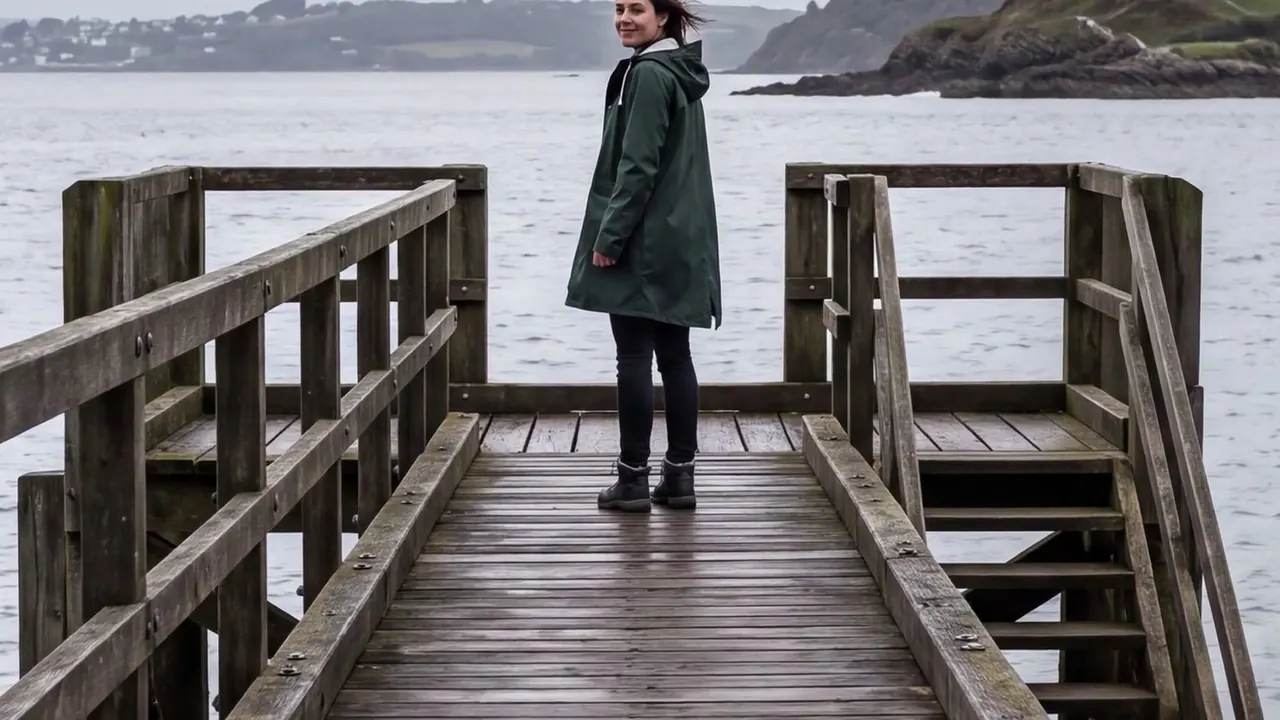
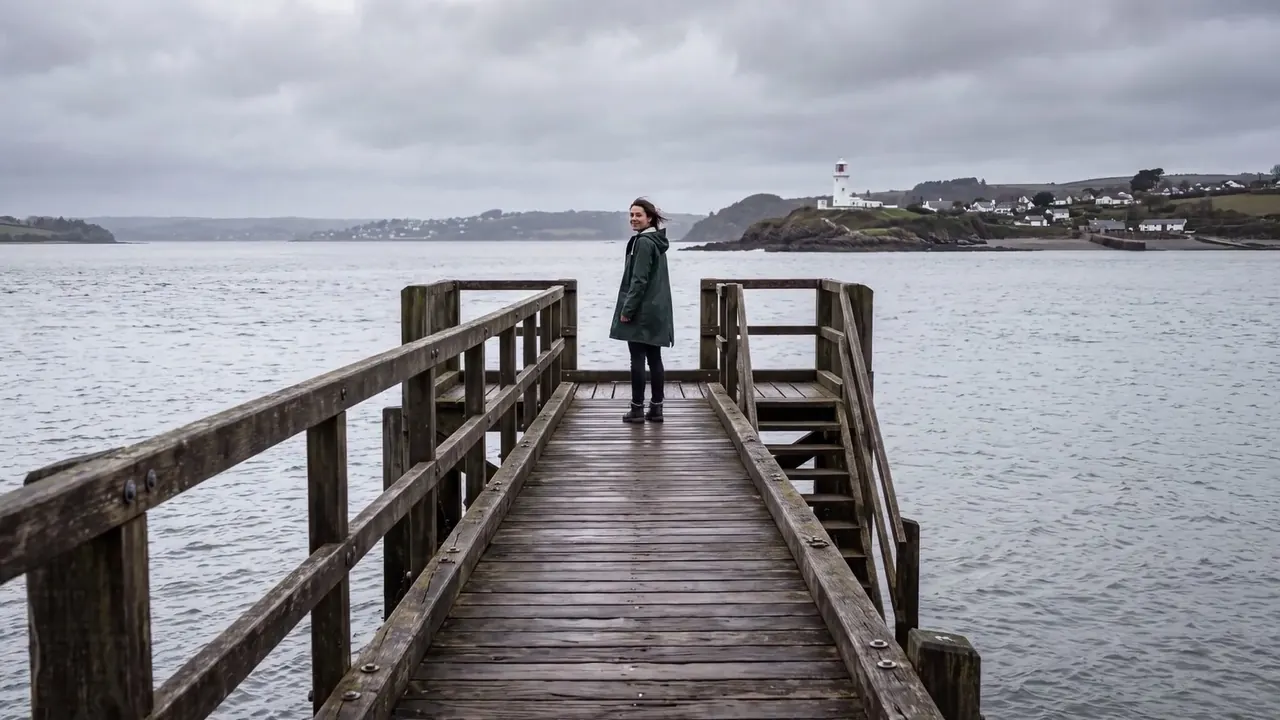
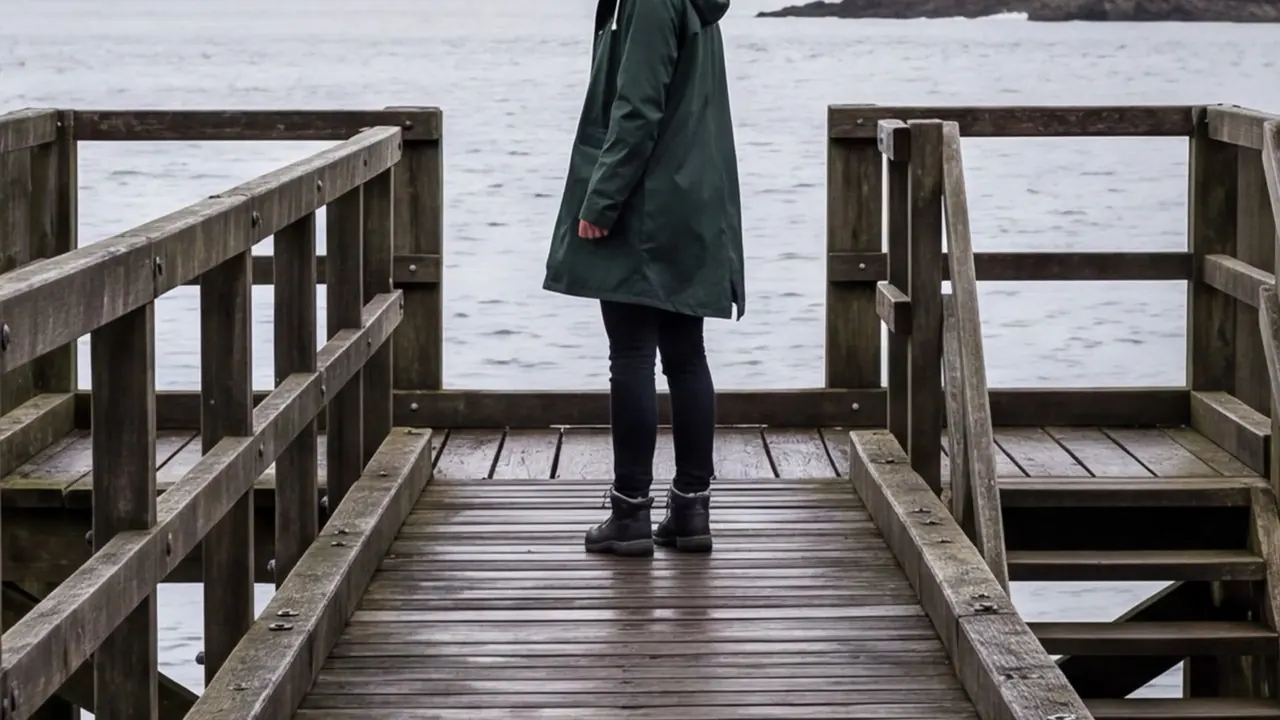
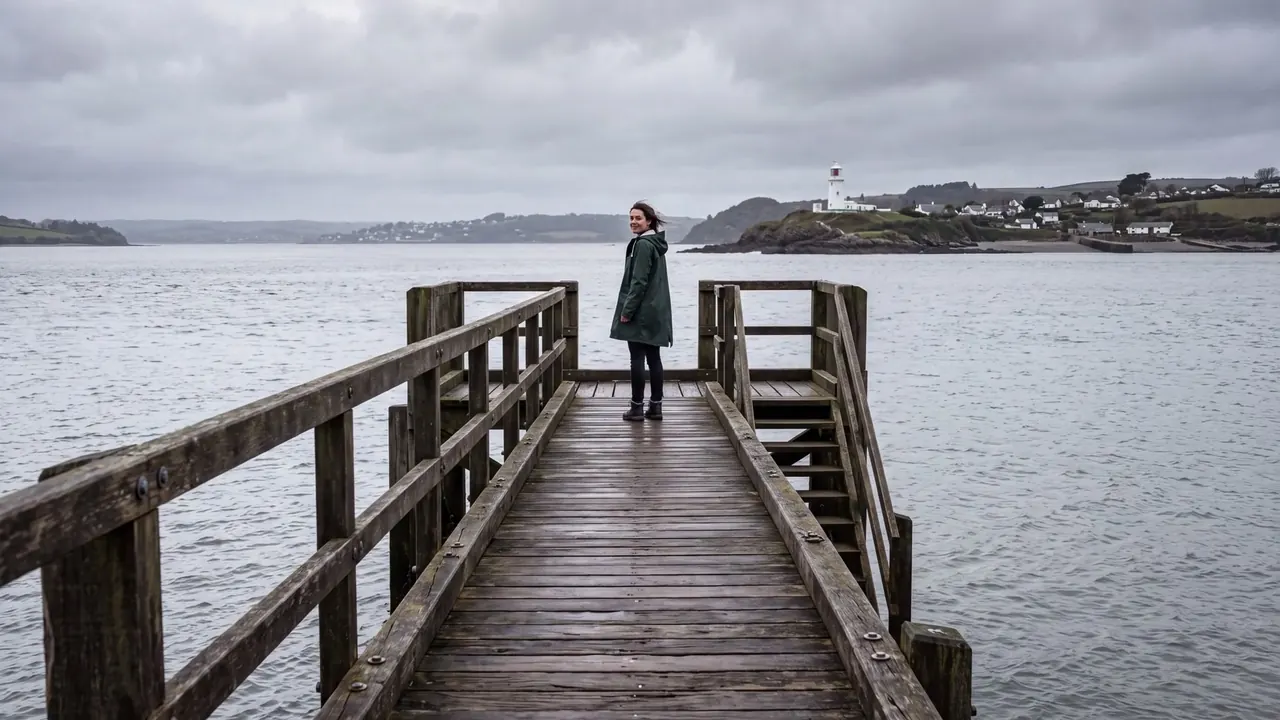
Zoom
- zoom in
- zoom out
- slow zoom
- snap zoom
The focal length changes, so the frame tightens or opens with no camera travel.
Opens a video model with the prompt in it. The price is on the page before you sign in.
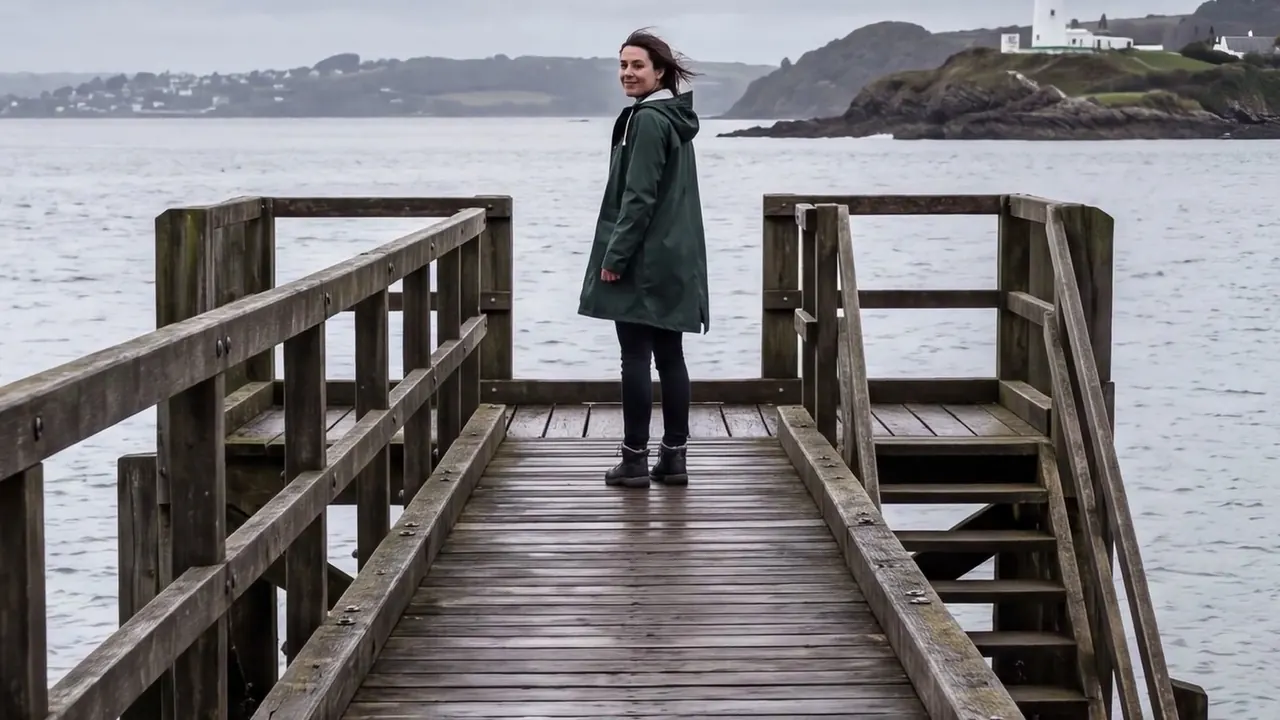
What it is for
The lens changes and the camera stays where it is. The frame tightens or opens, and nothing in the shot moves past anything else.
That flatness is the reason a zoom feels like a decision rather than a journey. A dolly takes the audience somewhere. A zoom points.
How it works
The focal length runs from one end of its range to the other while the body stays on its mount. As the lens gets longer the perspective compresses, so the background swells and the distance between planes appears to shrink.
Parallax is the test. Walk a camera forward and a near doorframe slides against the far wall behind it. Zoom in from the same spot and the two stay locked together, because the camera never changed its point of view.
Speed carries most of the meaning. A zoom you cannot see builds pressure. A zoom you can see is a gesture. A zoom that snaps is a joke or a shock.
When to use it
Use it to point at something inside a frame that is already composed, and to change size without changing the geography of the shot.
Skip it when the shot needs to feel like moving through a space. A zoom cannot do that, and asking it to produces a flat push that reads as cheap.
It combines badly with a pan on most rigs. Both moves change the frame at once and the audience cannot tell which is responsible, so the shot reads as drift. Run one, hold, then run the other.
Told apart from its neighbours
A dolly moves the camera. A zoom moves the lens. Look at the relationship between a near object and a far one. If it changes, the camera travelled. If it holds, the lens did the work.
The two also feel different at the same size. A dolly in wraps the audience around the subject, and a zoom in presses the background flat against it.
On film
Robert Altman used the zoom constantly in the early 1970s, and McCabe & Mrs. Miller (1971) is the clearest case. The lens hunts across a crowded frame and picks out a face, so the audience feels somebody choosing what to look at rather than a camera arriving somewhere.
- McCabe & Mrs. Miller (1971)
The prompt
Replace the blanks, keep the rest. Then run it on a video model.
zoom on <subject>, lens changes focal length, camera body stays put, no parallax
What goes wrong
A bare zoom returns a direction and a speed the model chose. Say which way and how fast in the same line: slow zoom in, or snap zoom out under a second.
The other failure is a zoom that is really a dolly. Models hear zoom and deliver forward travel. Add that the camera body stays put and there is no parallax.
A third problem is a zoom that runs the full range of the lens. Real zooms usually cover a part of it, so say roughly how far it travels, such as from a wide two shot to a head and shoulders.
Leave out
dolly, camera travel
Watch for
State the direction and the speed. Bare zoom gives you an arbitrary one.
Questions
Shoot it
Pay for the one run. No subscription, and the price is on the model page before you sign in.
Next to it in zooms