Gimbal Shot
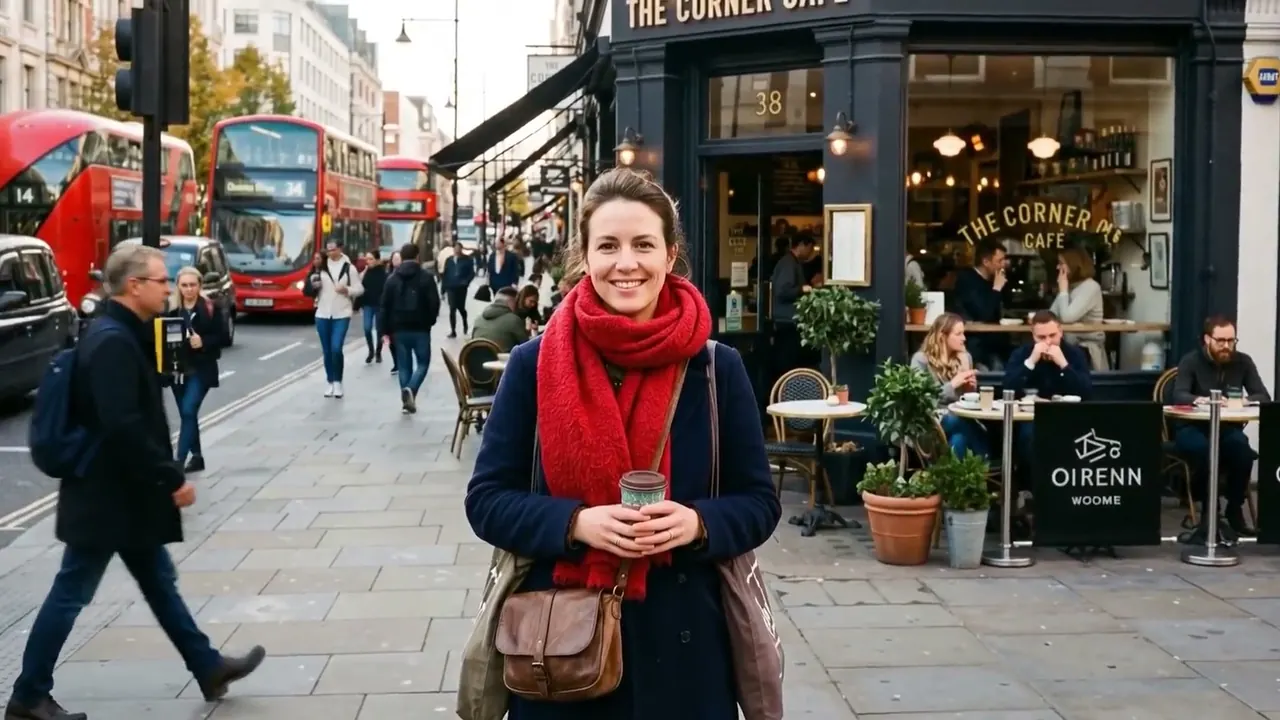
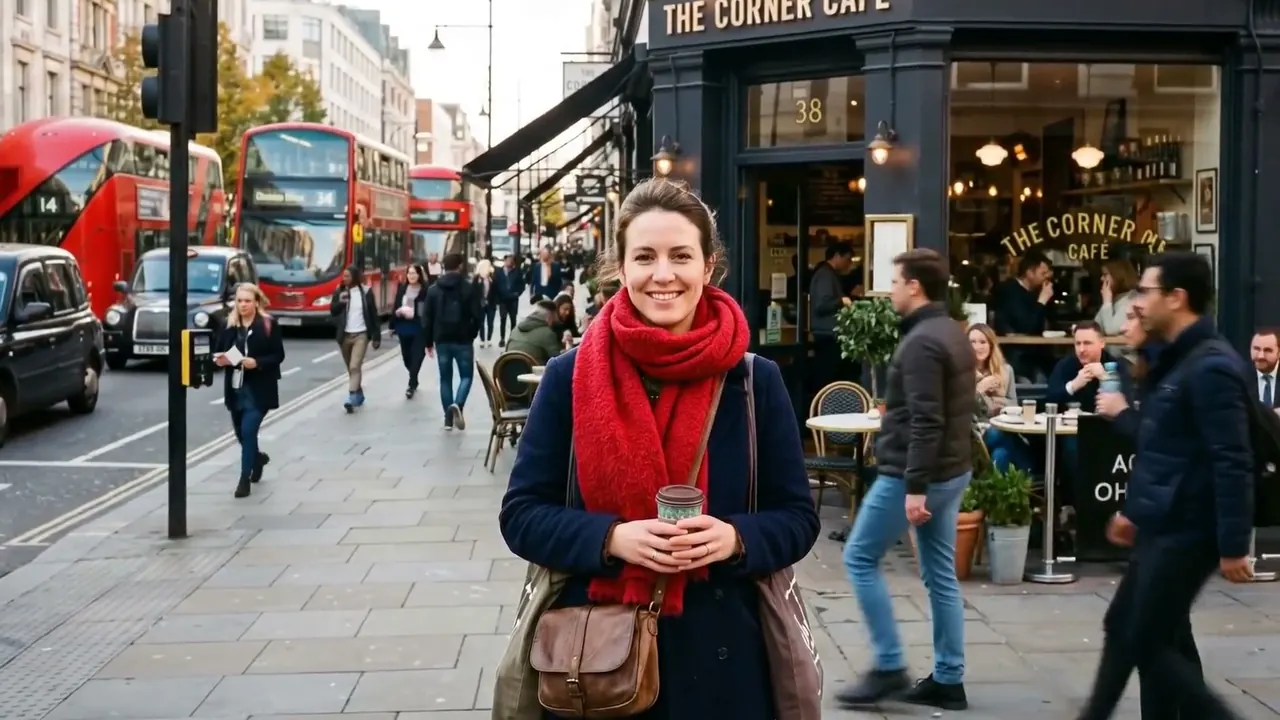
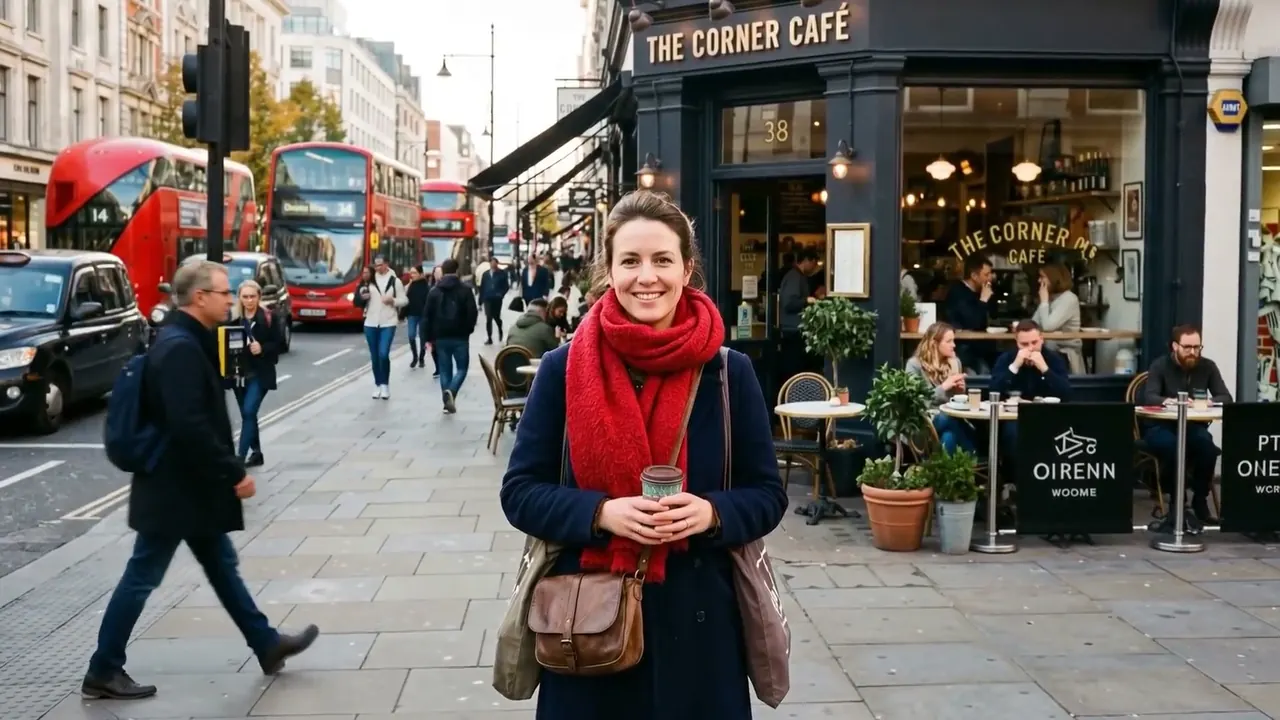
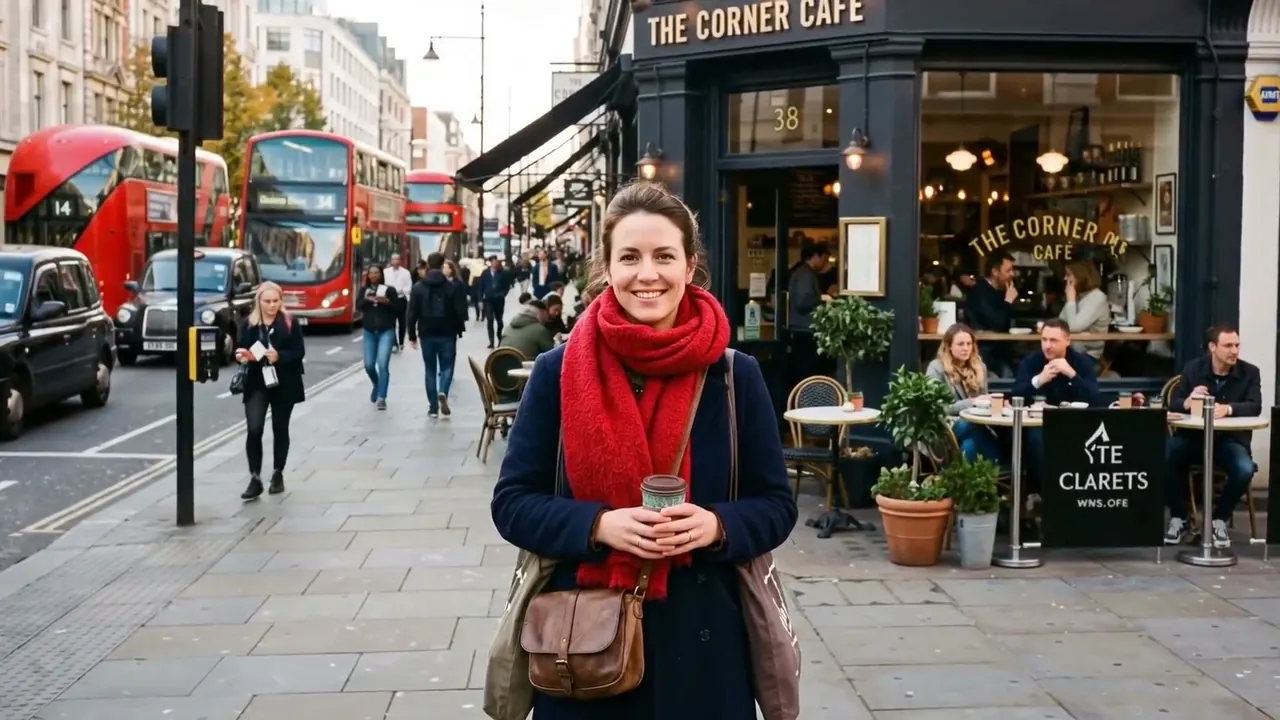
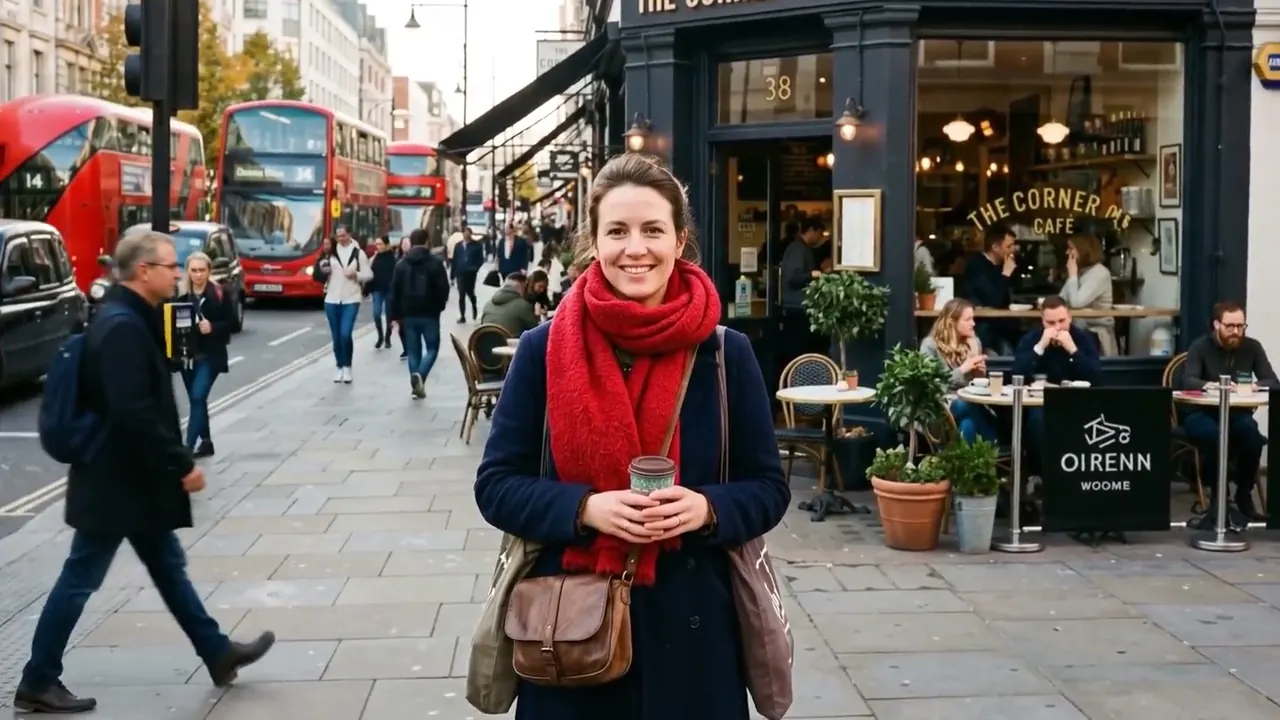
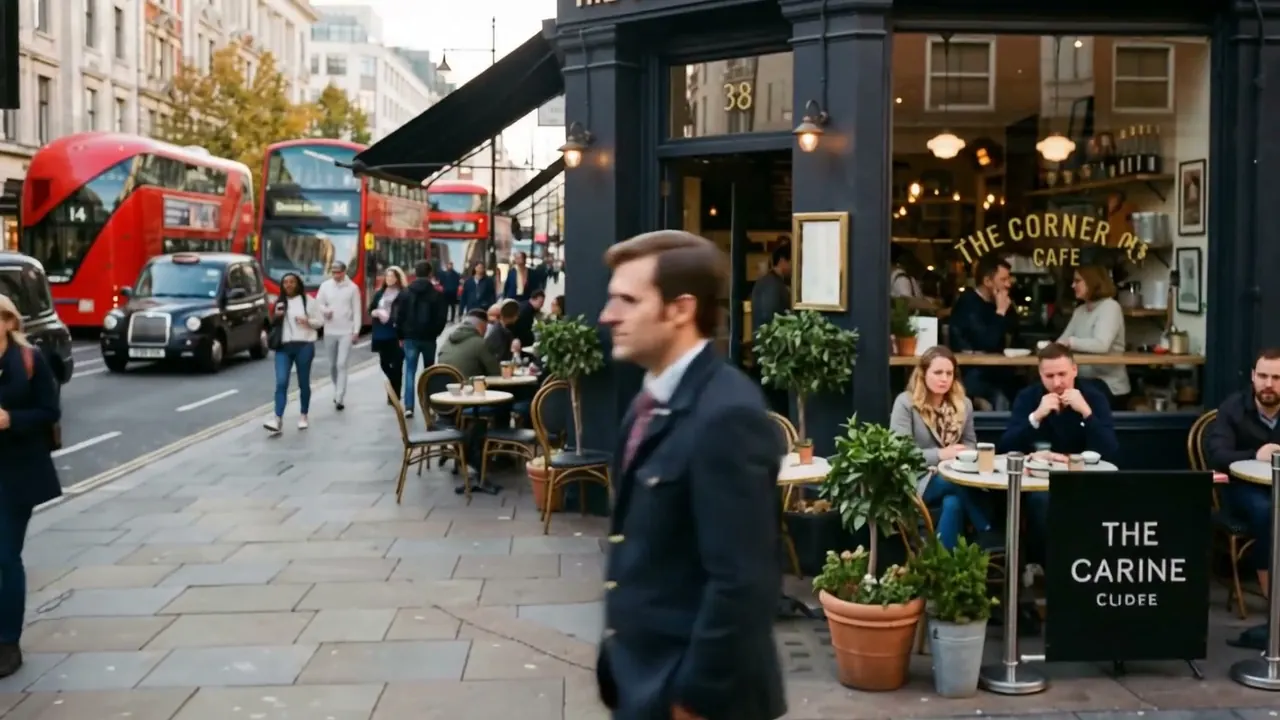
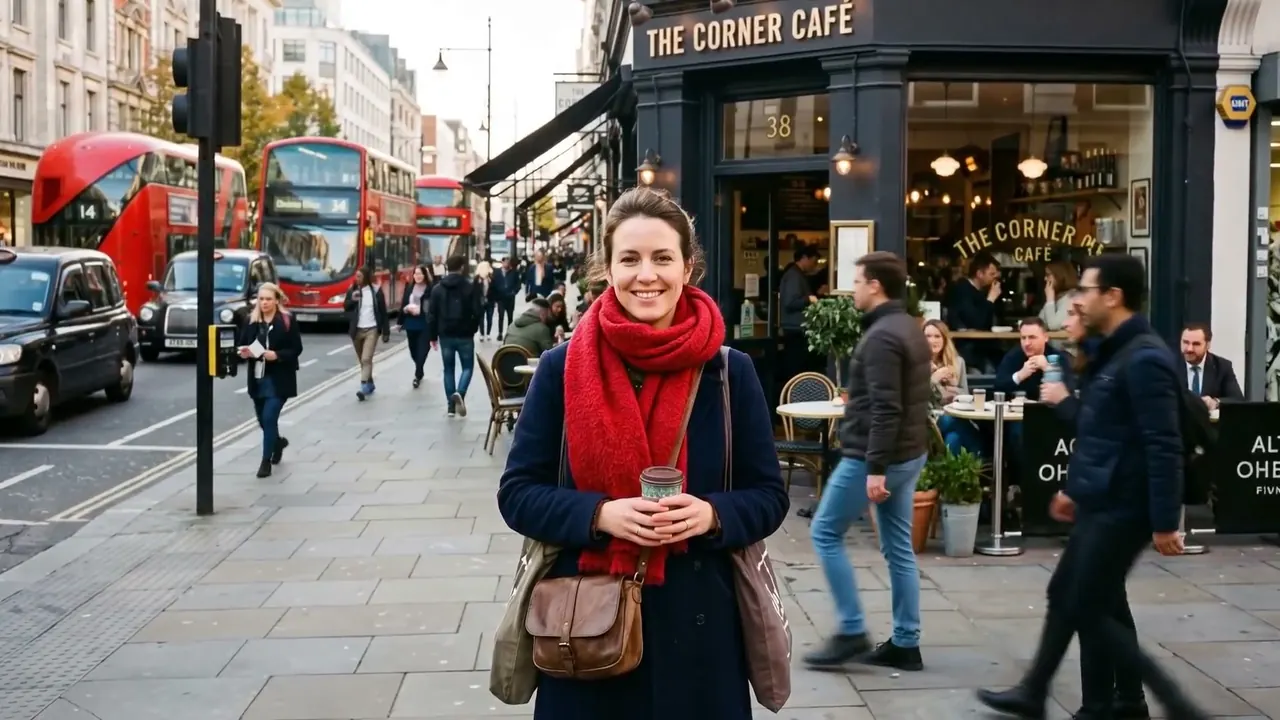
The camera floats smoothly while the operator walks.
Opens a video model with the prompt in it. The price is on the page before you sign in.
What it is for
Three motors hold the camera level while the operator walks, so the frame glides with none of the body in it. The move is clean and the horizon never argues.
That cleanness is the modern default. A gimbal shot reads as produced rather than observed, which is why commercials and social video live on it.
It also makes long moves affordable. A operator can walk a complicated route with no rehearsal and the frame stays level, which is why so much of what people watch now looks like this.
How it works
Motors on three axes correct the frame faster than a hand can shake it. Pan, tilt and roll all hold unless the operator asks them to move, so the horizon stays locked through anything.
It is still travel. The camera covers ground at walking or running pace, and the glide is what separates it from a static frame.
The tell is that it has no inertia. Starts and stops are exact, with no settle at either end, because a motor does not swing.
Vertical bounce is the thing it cannot fully remove. The arm is electronic rather than sprung, so a long lens on a gimbal still shows the operator's steps unless the shot stays wide.
When to use it
Use it for product films, walkthroughs, follow shots and anything that should feel controlled.
Avoid it when a scene should feel raw. The rig removes every trace of a person holding the camera, which is exactly what a documentary look needs.
It also suits reveals. A gimbal can travel round a corner or past a foreground object at a steady rate, which makes the thing behind arrive on a schedule you control.
Told apart from its neighbours
A Steadicam keeps mechanical sway and a slight lag, so it feels like a body moving well. A gimbal is electronic and exact, so it feels like the camera is on rails.
Do not ban movement when you ban shake. A gimbal shot travels. What it does not do is jitter, so the words to exclude are shake and bounce rather than motion.
The prompt
Replace the blanks, keep the rest. Then run it on a video model.
smooth gimbal move with <subject>, floating steady frame, walking pace, no vertical bounce
What goes wrong
Models read smooth as still and give you a locked frame. Say the camera travels at walking pace while staying level, so the smoothness applies to the motion rather than replacing it.
The second failure is handheld jitter under a gimbal label. Ban shake and vertical bounce by name, and ask for a locked horizon.
A third problem is a speed with no reason. Say what the camera is following or moving toward, since a smooth move with no subject reads as a showreel.
A fourth problem is a horizon that drifts. Ask for it to stay locked, since a slowly tilting frame is the one artefact that tells the audience this was not a gimbal.
Leave out
handheld shake, jitter
Watch for
Gimbal is smooth but still travelling. Ban shake, not movement.
Questions
Shoot it
Pay for the one run. No subscription, and the price is on the model page before you sign in.
Next to it in how the camera is carried