Dolly In
- truck in
- dolly forward
- Dolly shot
- dolly out
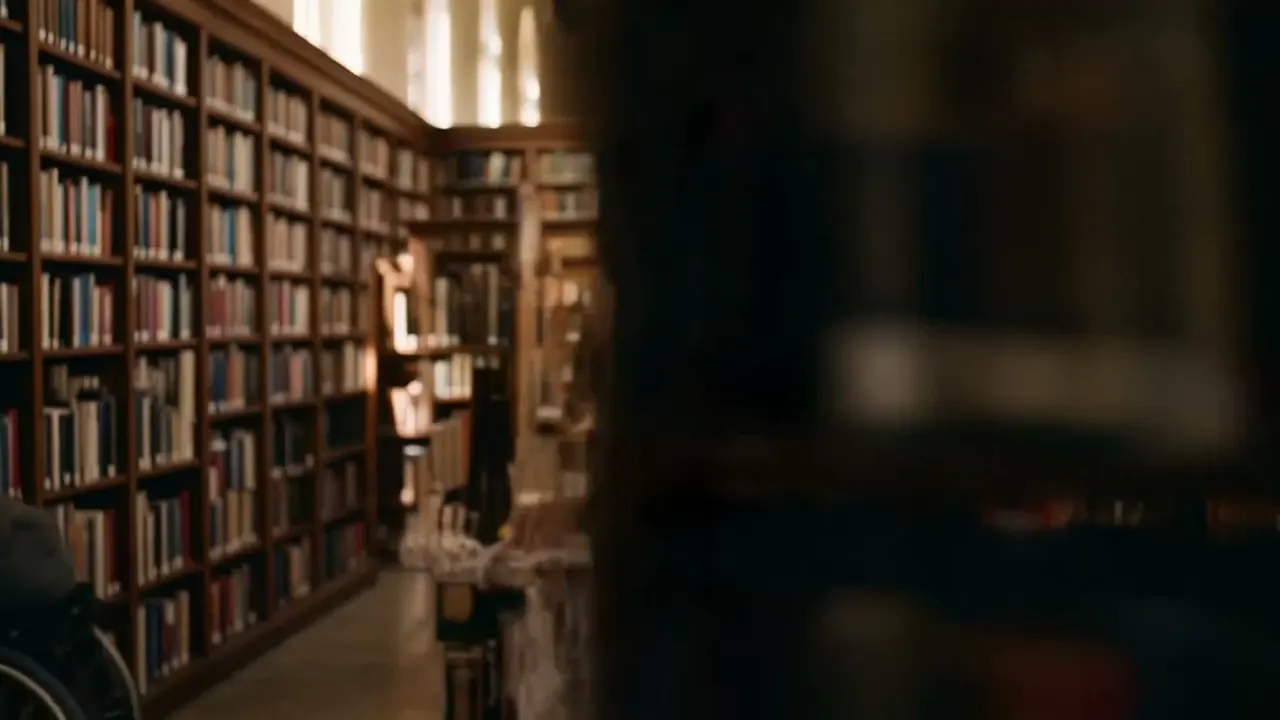
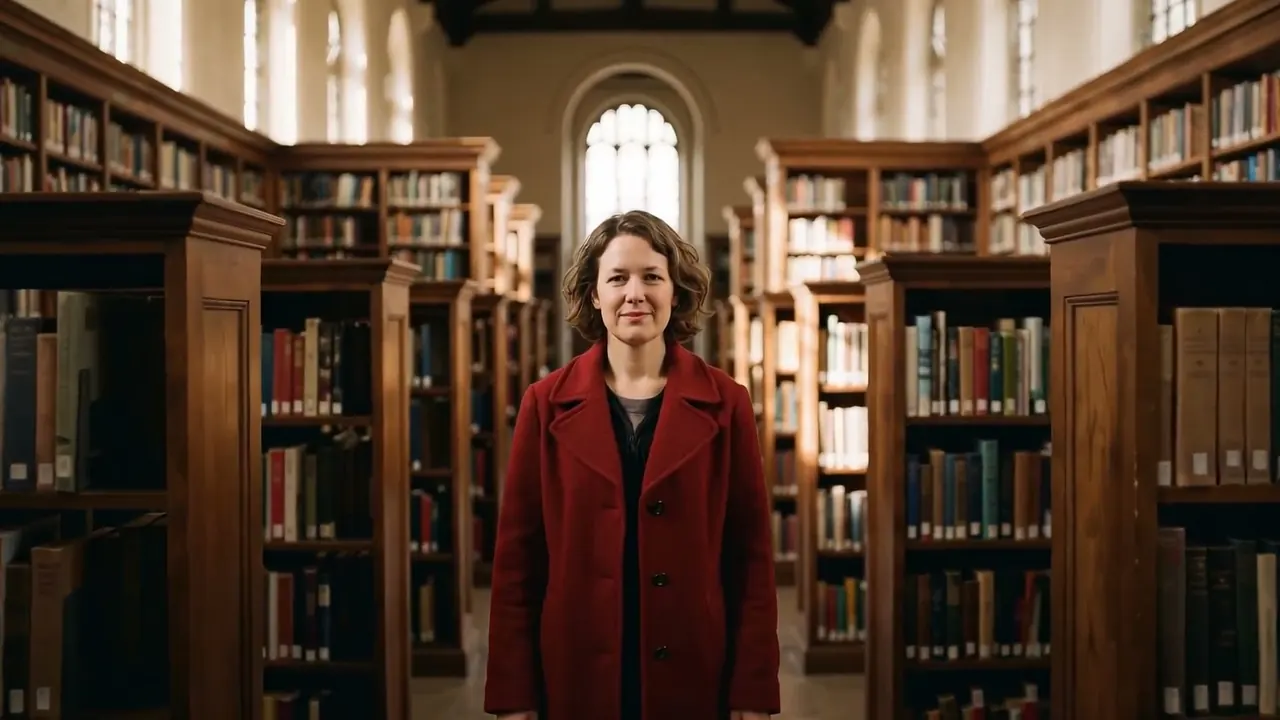
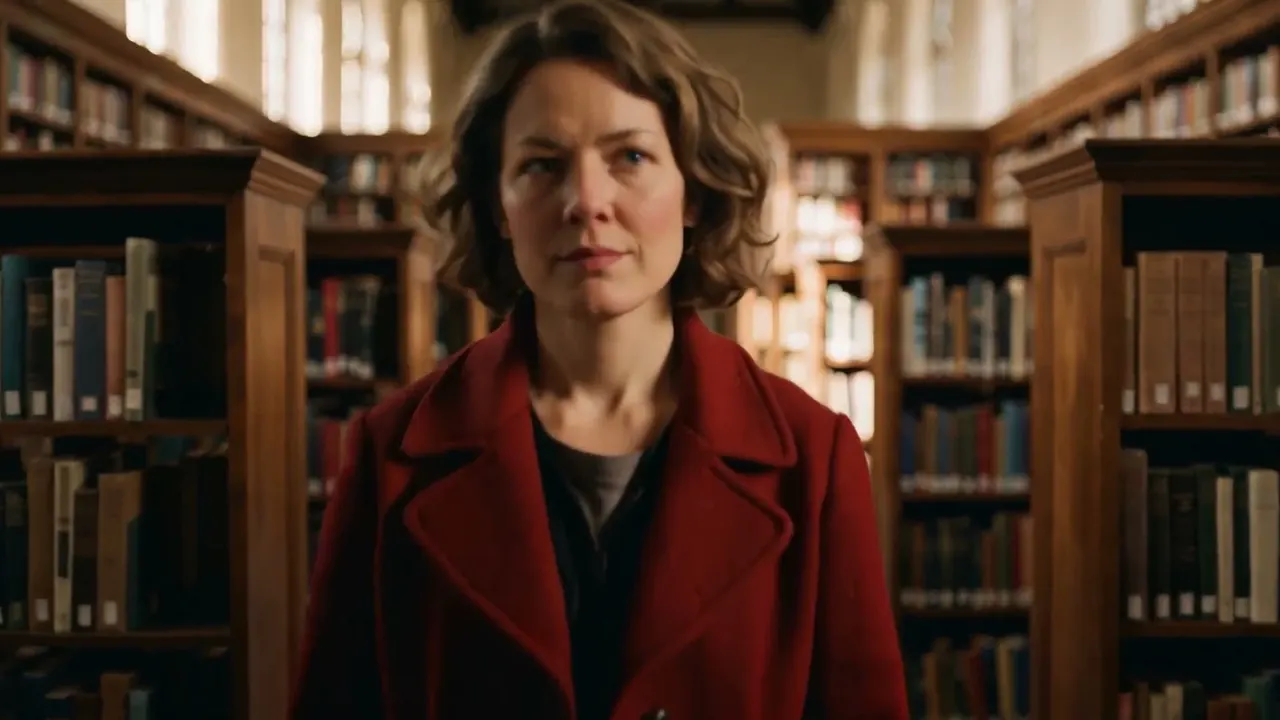
The camera advances toward the subject, and the world opens around it.
Opens a video model with the prompt in it. The price is on the page before you sign in.
What it is for
The camera walks toward the subject, and the room opens around it as it goes. Doorframes pass, furniture slides by, and the audience arrives somewhere rather than watching the frame shrink.
That arrival is the point. A dolly in commits the viewer to a place, which is why it reads as approach and a zoom reads as attention.
How it works
The camera body travels forward along the lens axis at a steady rate. The focal length stays where it is, so perspective holds and the near planes overtake the far ones.
Foreground is what makes the move visible. Line up something for the camera to pass, and the audience gets a running measure of how far it has come.
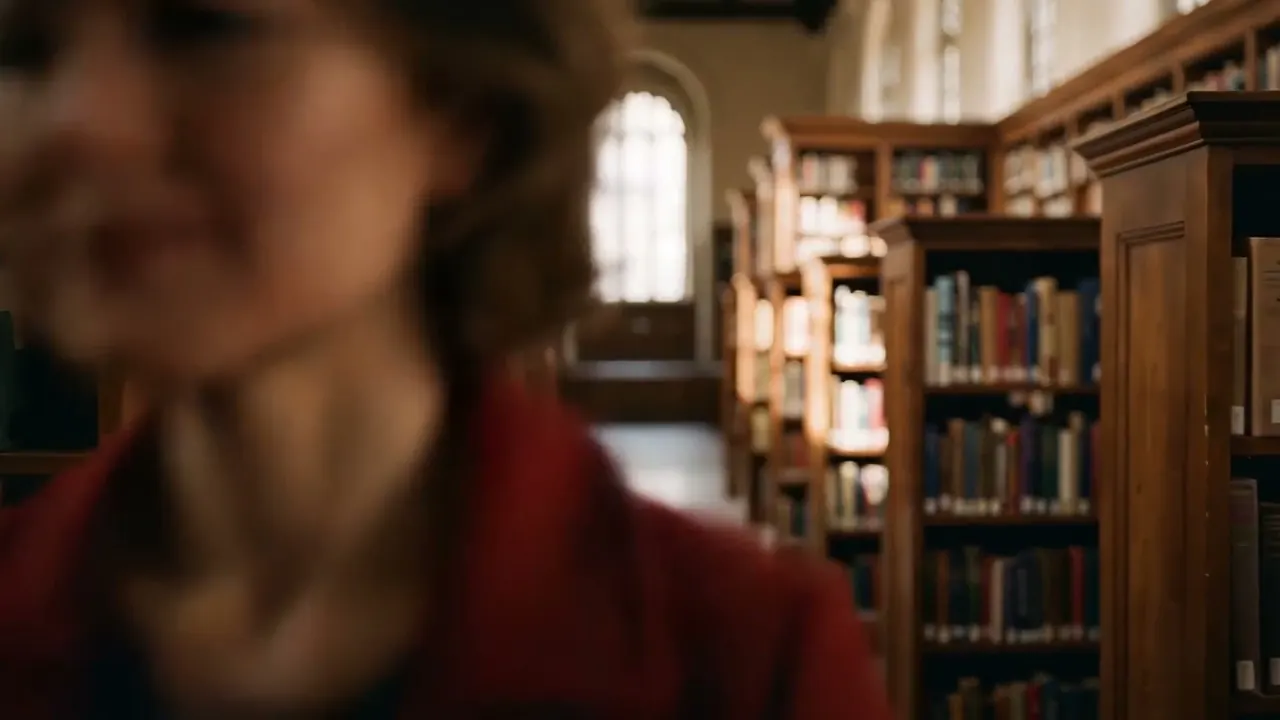
Focus has to travel with the camera. On a real set a focus puller rides the move, and in a prompt it is worth saying the subject stays sharp all the way in.
When to use it
Use it to enter a scene, to close on a person without leaving the room behind, and when the space between the camera and the subject is itself part of the story.
Skip it in a tight or empty space. With nothing to pass, the move looks like a zoom and costs more of the shot.
Told apart from its neighbours
A slow zoom in magnifies. The camera does not move, the background scales up with the subject, and the compression of the image increases as the lens gets longer.
A dolly in travels. Perspective stays put, the foreground passes the lens, and the geometry of the room changes shape as you go. If the walls seem to open outward past the edges of frame, the camera moved.
On film
Steven Spielberg built the beach shot in Jaws (1975) by pushing the camera in while zooming the lens out, so the size of Brody's face holds and the background stretches behind him. The trick only reads because a plain dolly in would have opened the same background naturally.
- Jaws (1975)
The prompt
Replace the blanks, keep the rest. Then run it on a video model.
slow dolly in toward <subject>, camera travels forward, foreground slides past, steady approach
What goes wrong
Models answer a dolly in with a zoom, because scaling a picture is easier than rebuilding the geometry of a room. Say camera travels forward, and ask for the foreground to slide past.
The other failure is a crash. Ask for the approach to be steady and give it a speed, or the camera covers the whole distance in the first second and holds.
Leave out
zoom in, crash zoom
Watch for
A dolly in feels like walking closer. A zoom in does not. Say travel, not zoom.
Questions
Shoot it
Pay for the one run. No subscription, and the price is on the model page before you sign in.
Next to it in push and pull