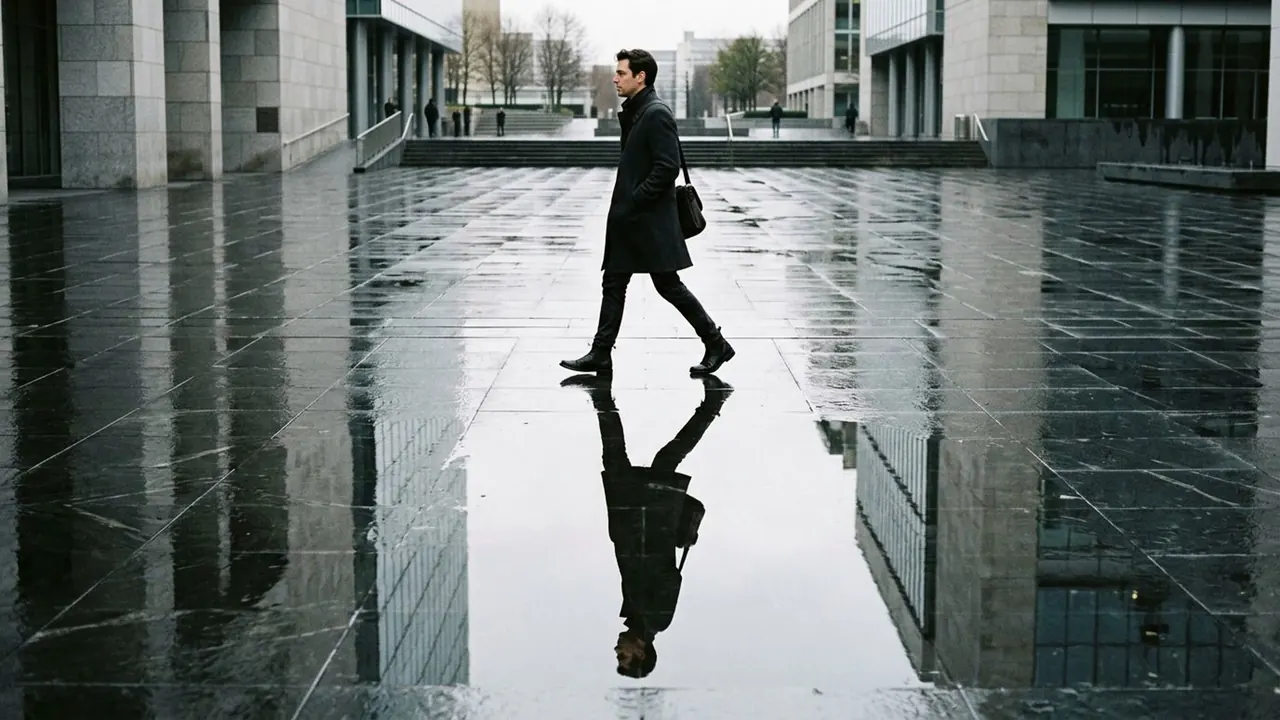
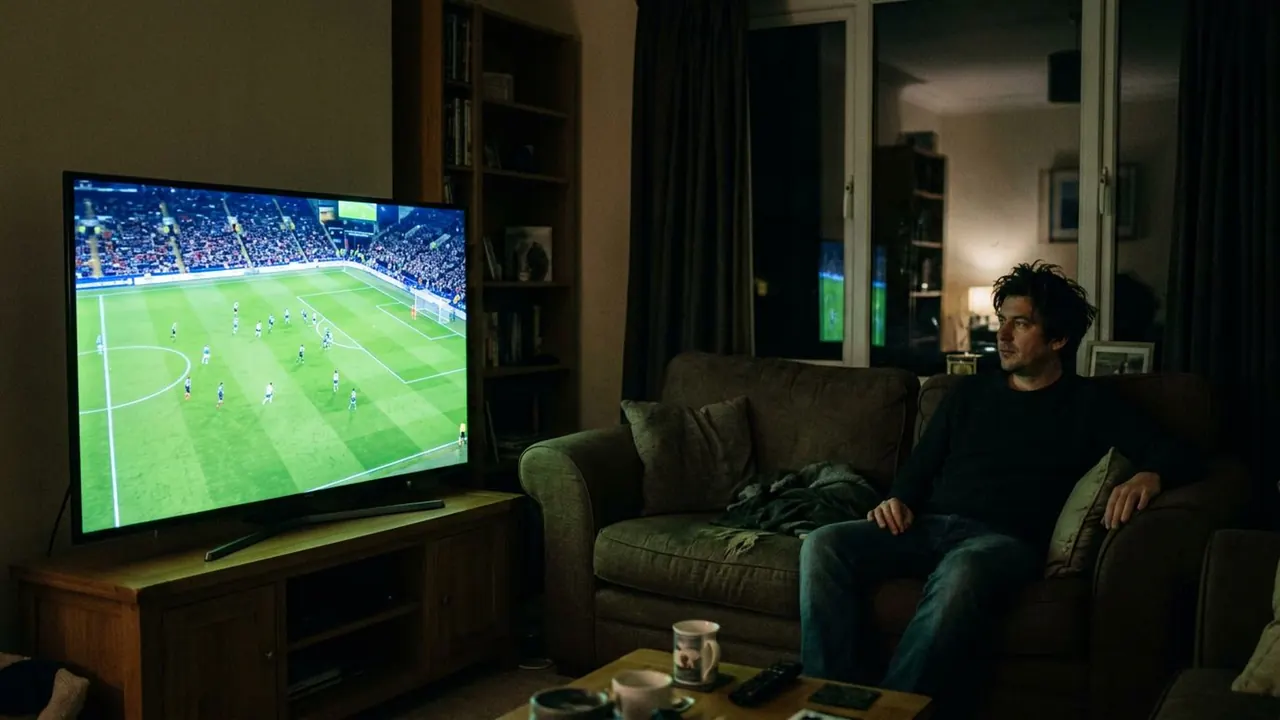
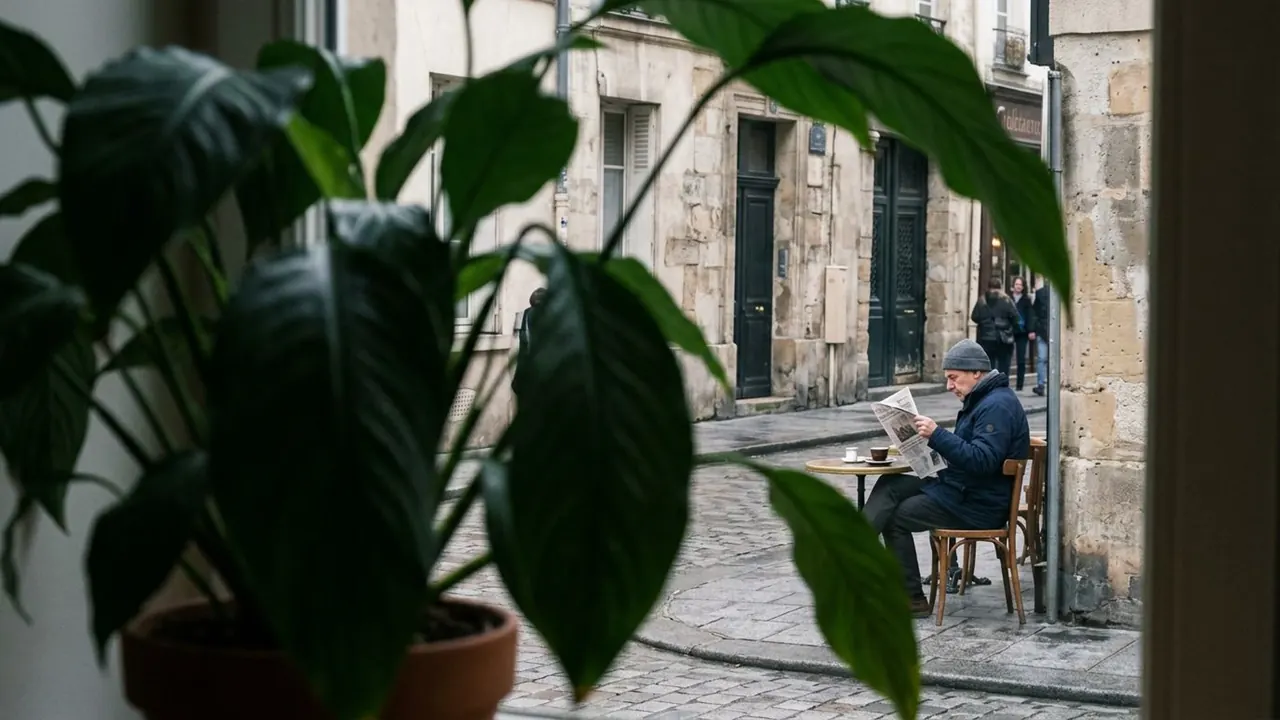
Tableau
- tableau vivant
- Frontal ensemble
- Cinematic frieze
Everything is arranged and held still, like a painting that happens to move.
Opens a video model with the prompt in it. The price is on the page before you sign in.
What it is for
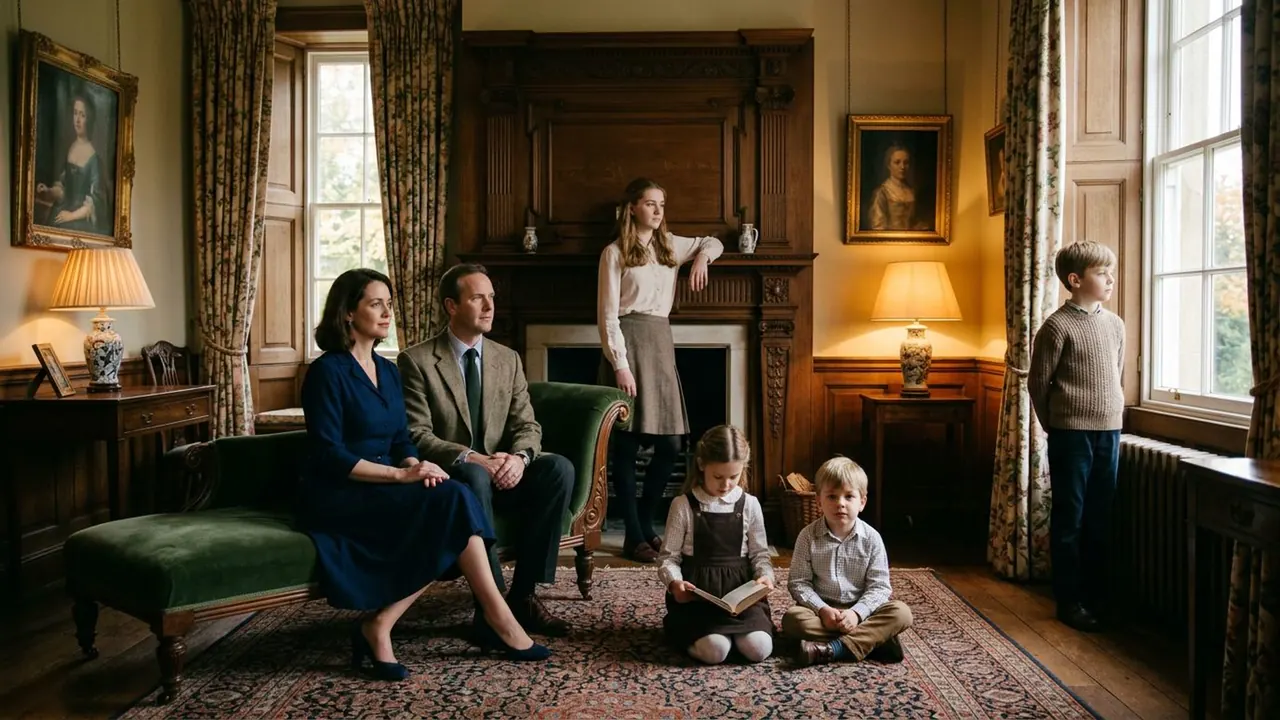
Everyone is placed and the camera does not move, so the frame reads as a picture that happens to have movement inside it. The audience is left to find what matters on their own.
Giving up the camera gives the frame authority. Nothing is being pointed at, so nothing is being argued for, and the audience is trusted to look where they choose.
How it works
Lock the camera. Any move turns a tableau into an ordinary wide, so the prompt has to rule out drift, push and pan.
Stage in depth and across the width, with each person placed so they do not overlap. A tableau is usually wide, frontal and square to the action, closer to a theatre stalls view than to coverage.
Hold it longer than feels comfortable. The composition needs time for the eye to travel, and a two second tableau is just a wide shot.
When to use it
Use it for ensembles, ceremonies, and comedy where the joke is somewhere in the frame and the audience has to spot it.
Do not use it when one line or one face carries the scene. A tableau refuses to point, so it cannot deliver a moment that depends on being looked at.
Told apart from its neighbours
A static locked-off shot is any shot with the camera fixed, including a close-up. A tableau adds the staging: a wide, frontal frame with everybody arranged inside it.
A master shot covers a scene so the editor can cut back to it. A tableau is meant to be the whole scene, with no coverage to cut to.
On film
Jacques Tati stages PlayTime (1967) in wide locked frames with several gags running at once, and no close-up tells the audience which one to watch. Sergei Parajanov goes further in The Color of Pomegranates (1969), where nearly every shot is frontal, still and arranged like a painted panel.
- PlayTime (1967)
- The Color of Pomegranates (1969)
The prompt
Replace the blanks, keep the rest. Then run it on a video model.
tableau composition of <subject> and others, arranged and held, everyone placed deliberately, static frame, painterly balance
What goes wrong
The model adds a slow push or a drift, because movement is what it associates with video. Say the camera is locked off with no push, no pan and no drift.
The second failure is a crowd with overlapping bodies and nothing to read. Say where each person stands and that none of them overlaps another.
Leave out
camera movement, candid action
Watch for
Lock the camera. Any move turns a tableau into an ordinary wide.
Questions
Shoot it
Pay for the one run. No subscription, and the price is on the model page before you sign in.