Short Siding
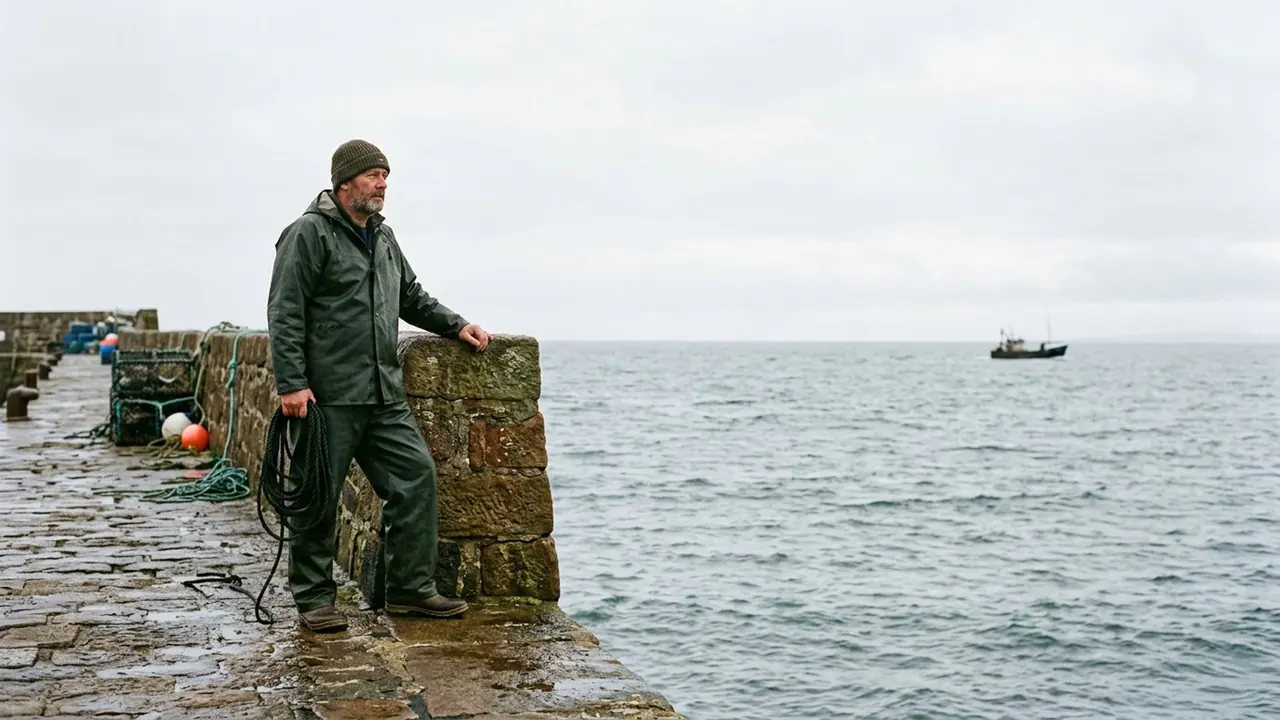
The subject is crowded against the edge they face, so the frame feels tight.
Opens a video model with the prompt in it. The price is on the page before you sign in.
What it is for
The subject is pressed against the edge they face, so the look or the movement has nowhere to go. The frame feels like it is closing on them.
It works because the audience expects the opposite. Every other shot has given them room, so taking it away registers as pressure even when nothing else in the scene changes.
How it works
Put the subject close to the frame edge on the side they look or move toward, and leave the space behind them open. That is the exact reverse of look space and lead room.
Keep the empty side behind genuinely empty. The dead area behind the subject is what makes the crowding read as a decision rather than as bad framing.
A tighter shot size sharpens it. The same placement in a wide shot reads as odd, and in a medium close-up it reads as a wall.
When to use it
Use it when a character is cornered, watched, or about to lose control. It also works on the last shot before an interruption, because the frame is already out of room.
Do not open a sequence with it. It is the deliberate reverse of look space, and a reverse only reads once the audience has seen the normal version.
Told apart from its neighbours
Lead room and look space both open the frame in the direction the subject faces. Short siding closes it. The test is which side is empty: ahead means lead room or look space, behind means short siding.
Asymmetry is the broader idea of unbalanced weight anywhere in the frame. Short siding is specifically about the direction of a look or a move.
The prompt
Replace the blanks, keep the rest. Then run it on a video model.
<subject> pushed close to the edge they are facing, no space ahead of the gaze, crowded and tense framing
What goes wrong
Models correct it. Asked for a crowded frame they give the subject room anyway, because room is what nearly all their training footage has. Say no space ahead of the gaze, subject pushed against the edge they face.
The second failure is a subject at the edge with clutter behind them, which rebalances the frame. Say the space behind stays open.
Leave out
lead room, look space
Watch for
It is the deliberate reverse of look space. Say so or the model fixes it.
Questions
Shoot it
Pay for the one run. No subscription, and the price is on the model page before you sign in.
Next to it in where the subject sits