Visual Weight
One part of the frame pulls the eye harder than the rest.
Opens a video model with the prompt in it. The price is on the page before you sign in.
What it is for
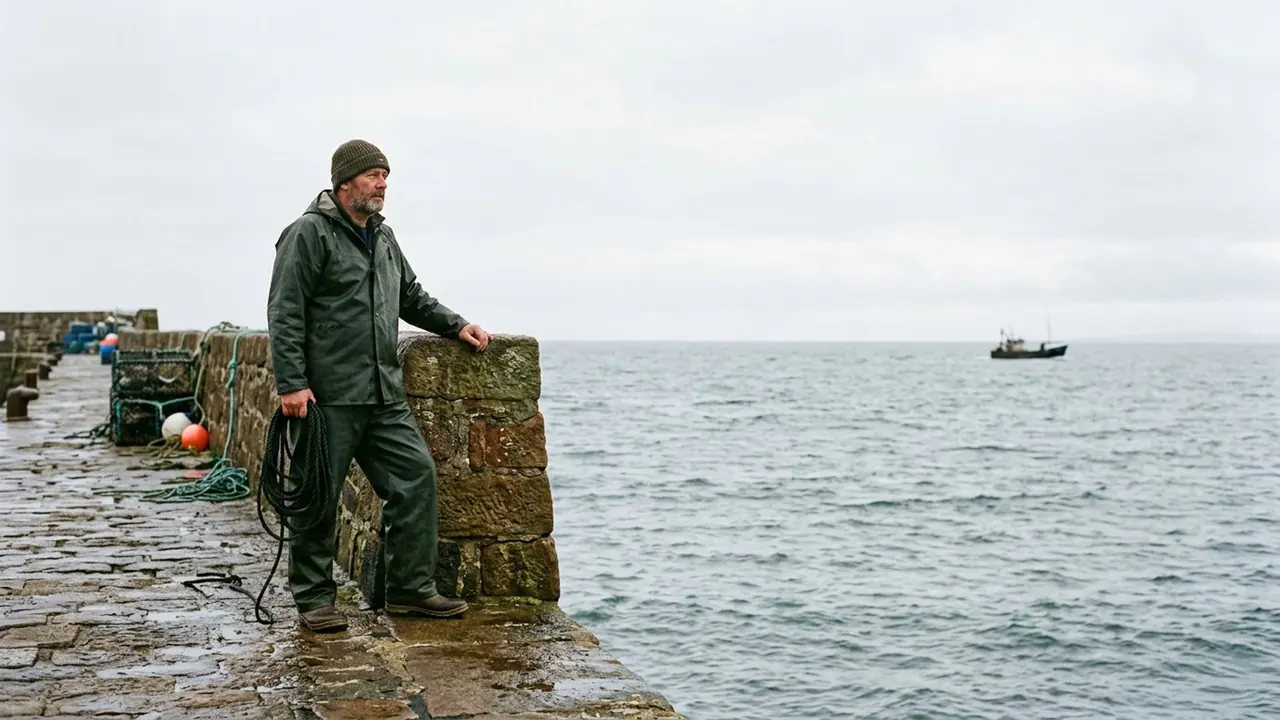
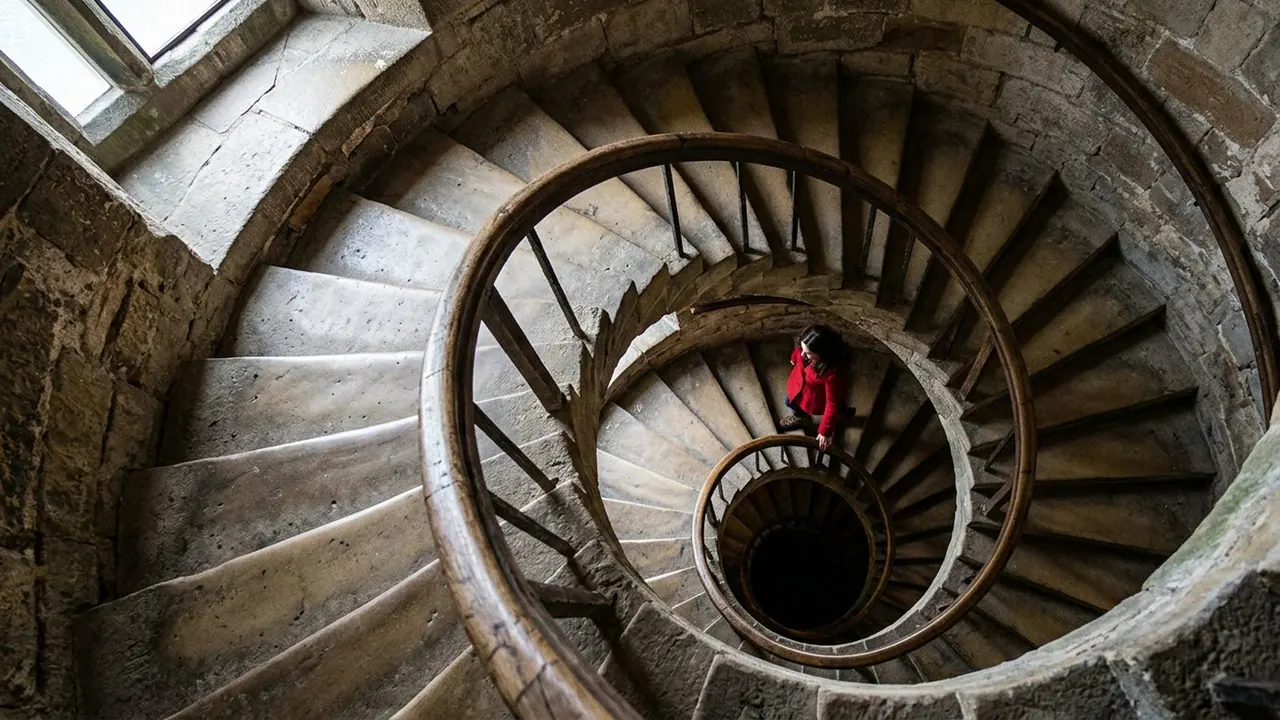
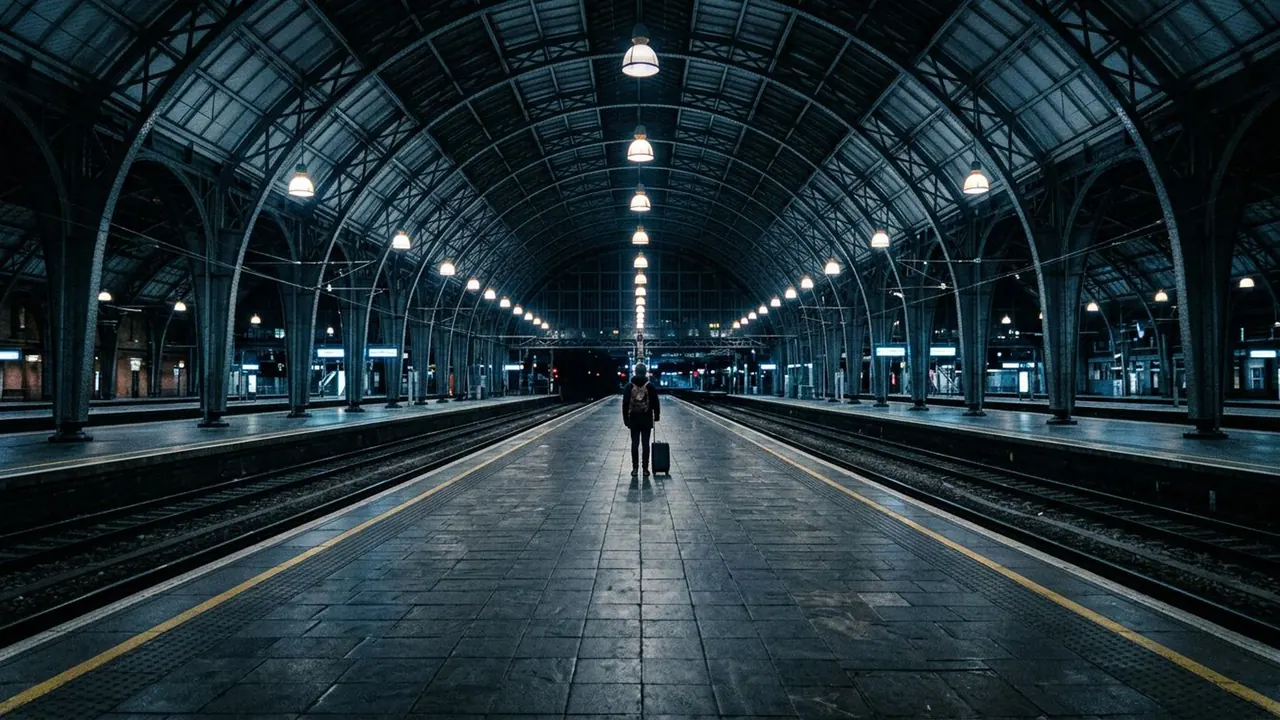
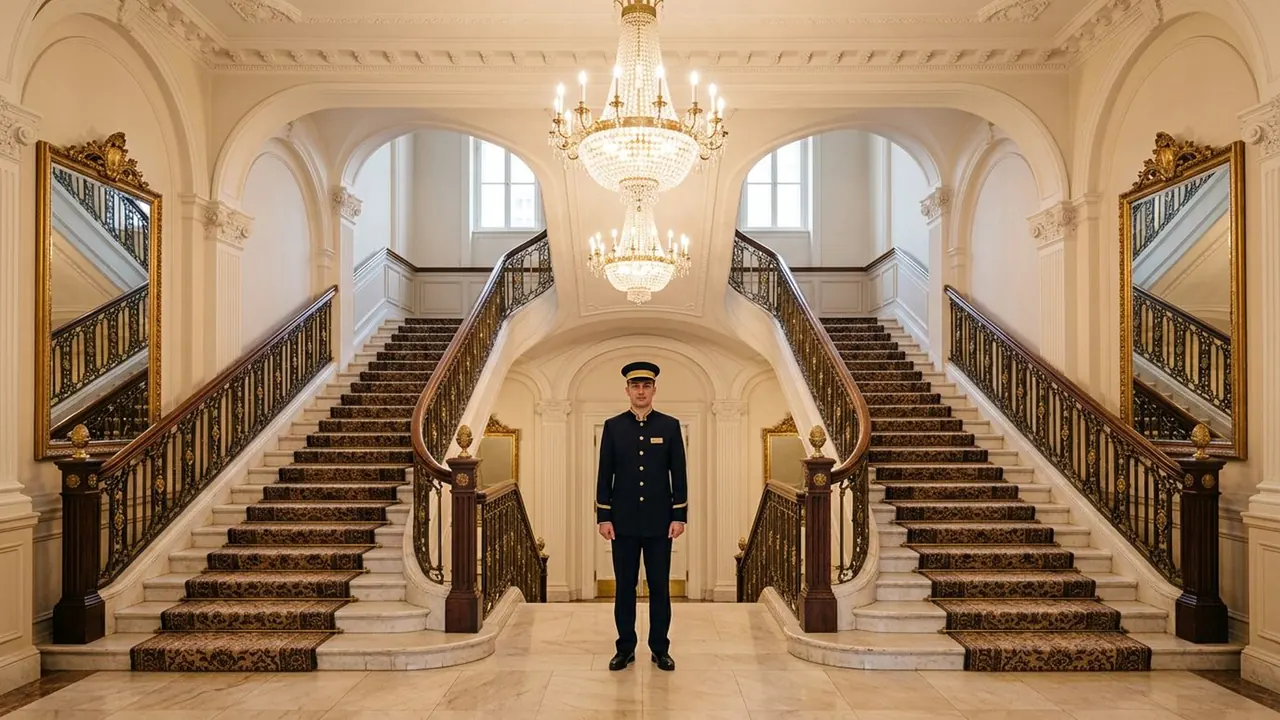
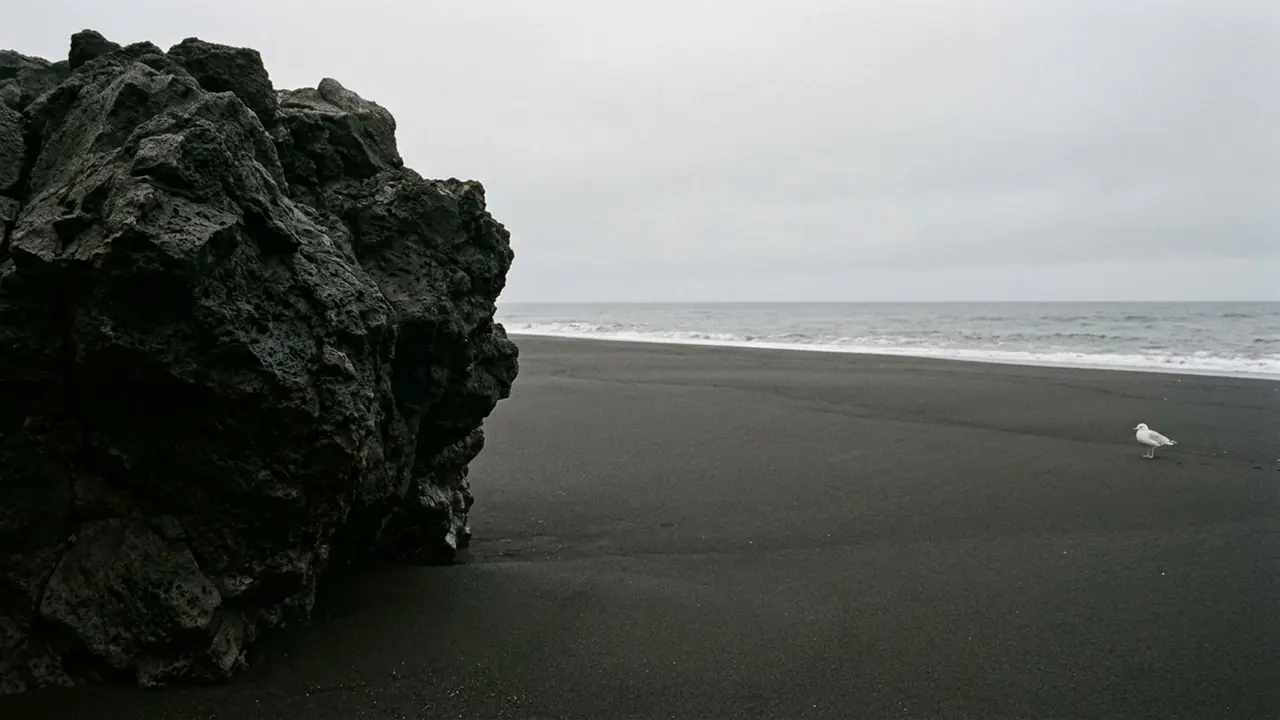
One area of the frame pulls harder than everything around it, and that is where the audience looks first. Weight is how a composition decides its own order of reading.
It works below the level of attention. A viewer does not notice that the brightest patch in the frame is a face, and they look at it anyway.
How it works
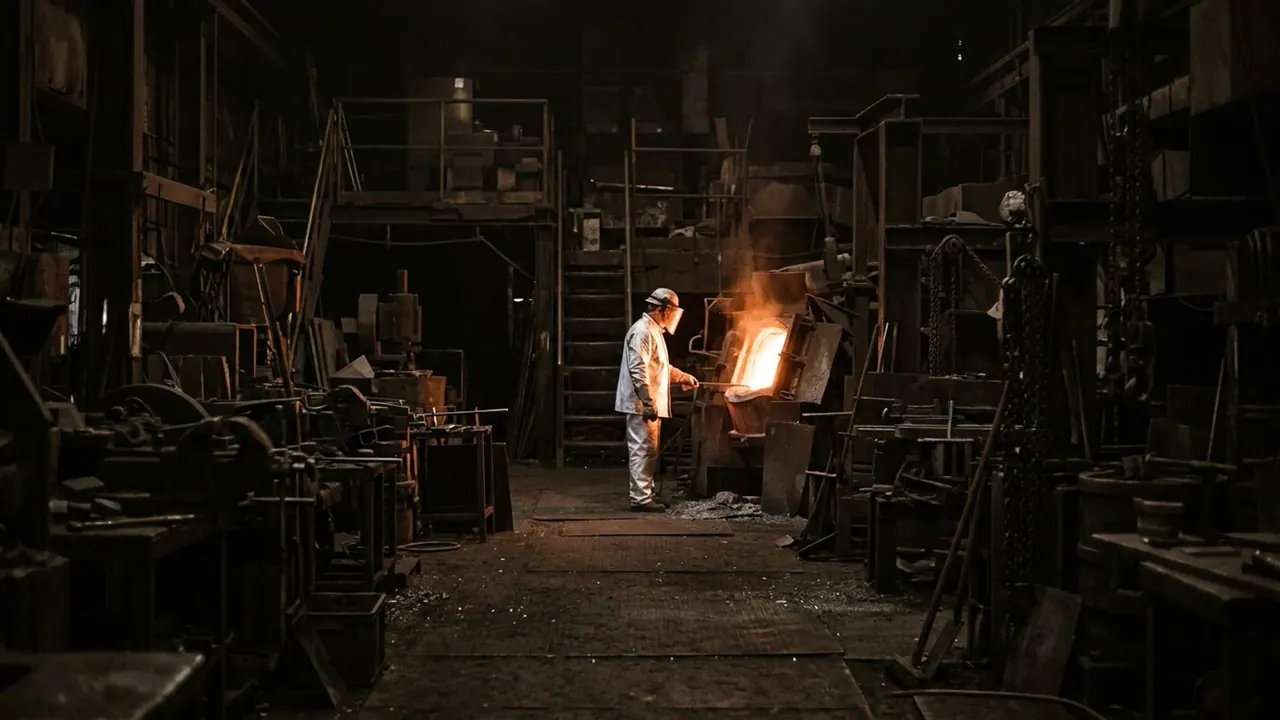
Weight comes mostly from contrast against the surroundings. A bright shape on a dark field is heavy, and so is a dark shape on a bright one. The difference does the work rather than the brightness itself.
Size, saturation and sharpness add to it. A large object outweighs a small one, a saturated colour outweighs a muted one, and the only sharp thing in a soft frame is heavy however small it is.
Name which one does the work. Deciding that the face is the brightest thing in the frame is a lighting instruction, and deciding it is the only sharp thing is a lens instruction.
When to use it
Use it on any frame with more than one candidate for attention: a crowd, a cluttered room, a landscape with a figure in it.
Think about it less in a clean frame with one subject on a plain ground. There the weight is settled before you start.
Told apart from its neighbours
Tonal contrast sets two things against each other so they define each other. Visual weight is about one thing winning. The first is a relationship and the second is a hierarchy.
Figure and ground is the related idea of separating a subject from its background. Weight goes further and ranks everything in the frame.
The prompt
Replace the blanks, keep the rest. Then run it on a video model.
<subject> carrying the visual weight of the frame, brightest and most contrasted element, everything else held down
What goes wrong
The frame comes back evenly lit and evenly sharp, so nothing leads. Name the heaviest element and say what makes it heavy: brightest, most saturated, only thing in focus.
The second failure is a competing bright patch, often a window or a lamp. Say the background stays down, or that the only bright area is the subject.
Leave out
even emphasis, flat frame
Watch for
Weight comes from contrast and size. Name which one does the work.
Questions
Shoot it
Pay for the one run. No subscription, and the price is on the model page before you sign in.
Next to it in where the subject sits