Windows
A window frames the subject and separates inside from out.
Opens a video model with the prompt in it. The price is on the page before you sign in.
What it is for
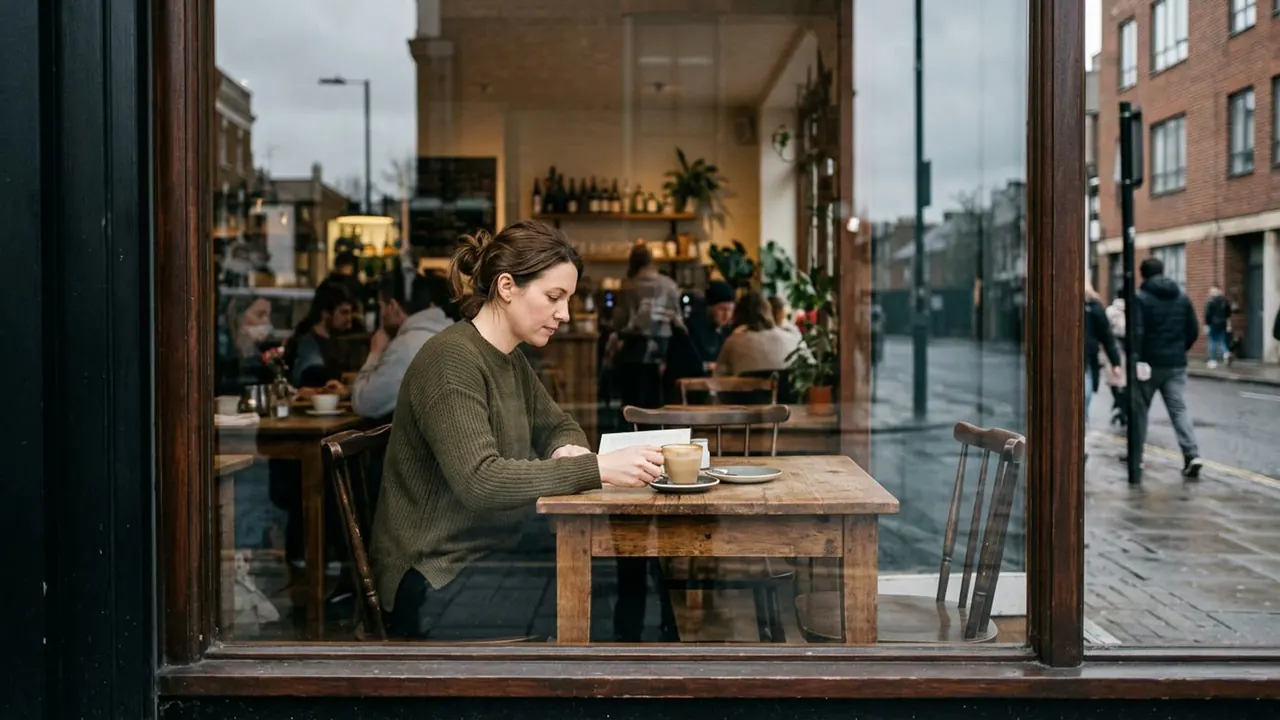
A window puts glass between the camera and the subject, so the audience is on the outside of something. The barrier is visible and the subject is reachable only by looking.
It also splits a frame into two worlds. Inside and outside carry different light, different weather and often different times of day, and one shot holds both.
How it works
Shoot through the glass rather than past it, and keep the frame of the window in shot so the barrier reads as a barrier.
Keep a trace of reflection. A perfectly clear pane looks like an open hole, and a faint reflection of the street or the sky proves there is glass there.
Control the two exposures. The side the camera is on and the side the subject is on rarely balance by themselves, so decide which one is correctly exposed and let the other go bright or dark.
When to use it
Use it for separation, surveillance, waiting and weather. A character behind glass in the rain needs no other information.
Skip it when two people have to connect. The glass reads as distance every time, which is the wrong note for a scene about contact.
Told apart from its neighbours
A frame within a frame is the general idea of a second border in the scene. A window is that with glass in it, which adds reflection, dirt and a difference in exposure.
A reflection shot is about the image returned by a surface. A window shot is about seeing through the surface, with the reflection as a secondary layer.
On film
Alfred Hitchcock builds Rear Window (1954) out of a grid of windows across a courtyard, each one a small frame with its own scene running inside it. The audience learns every neighbour only through those openings, from a fixed position, never entering.
- Rear Window (1954)
The prompt
Replace the blanks, keep the rest. Then run it on a video model.
<subject> seen through a window, frame within the frame, glass separating them from the camera, reflection on the surface
What goes wrong
The model removes the glass and returns an open view, because glass is hard to render and easy to skip. Ask for a reflection on the pane and for the window frame to stay in shot.
The second failure is both sides evenly exposed, which looks flat and artificial. Say which side is correctly exposed and let the other run bright or dark.
Leave out
open air, no barrier
Watch for
Keep a trace of reflection on the glass. It is what proves the barrier is there.
Questions
Shoot it
Pay for the one run. No subscription, and the price is on the model page before you sign in.
Next to it in depth in the frame