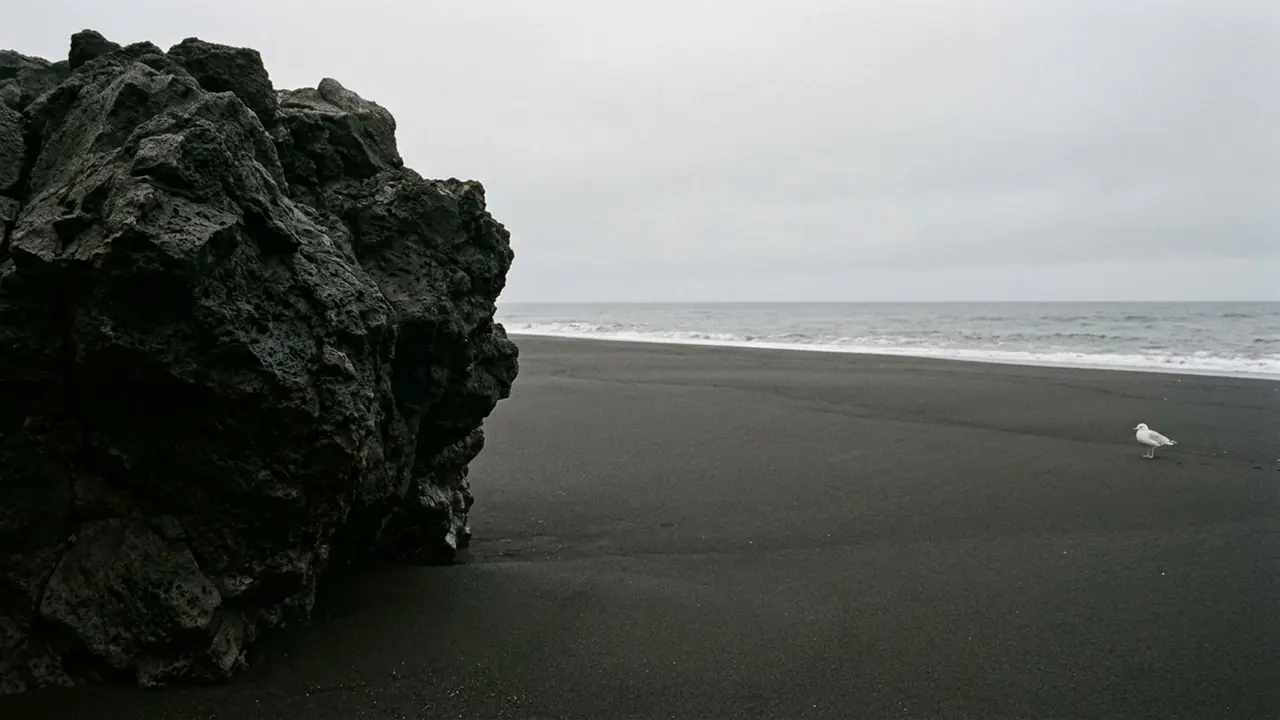
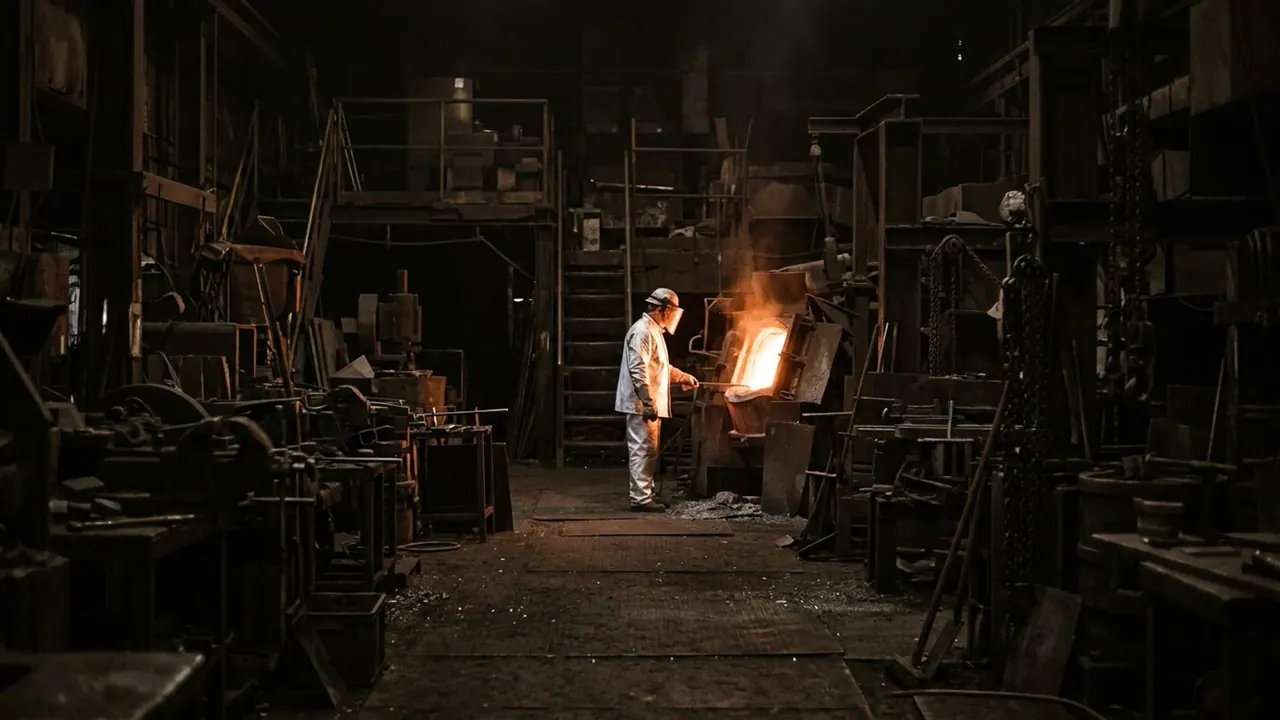
Centered Composition
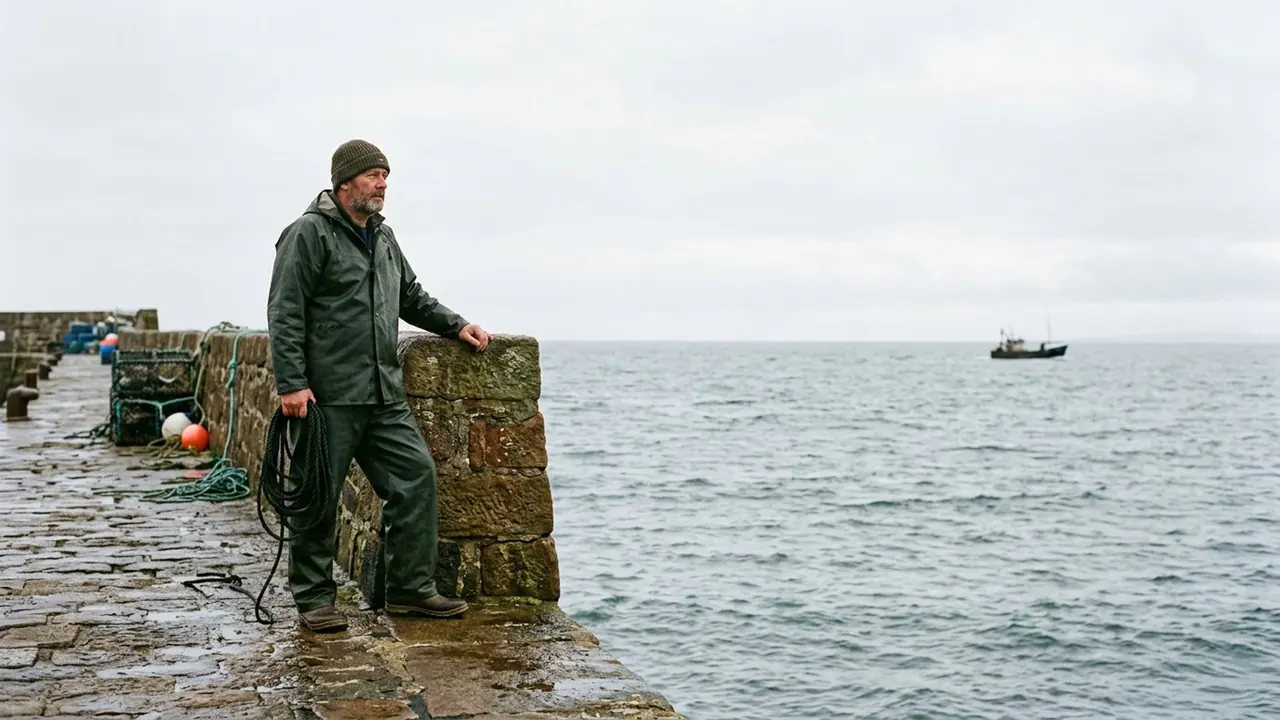
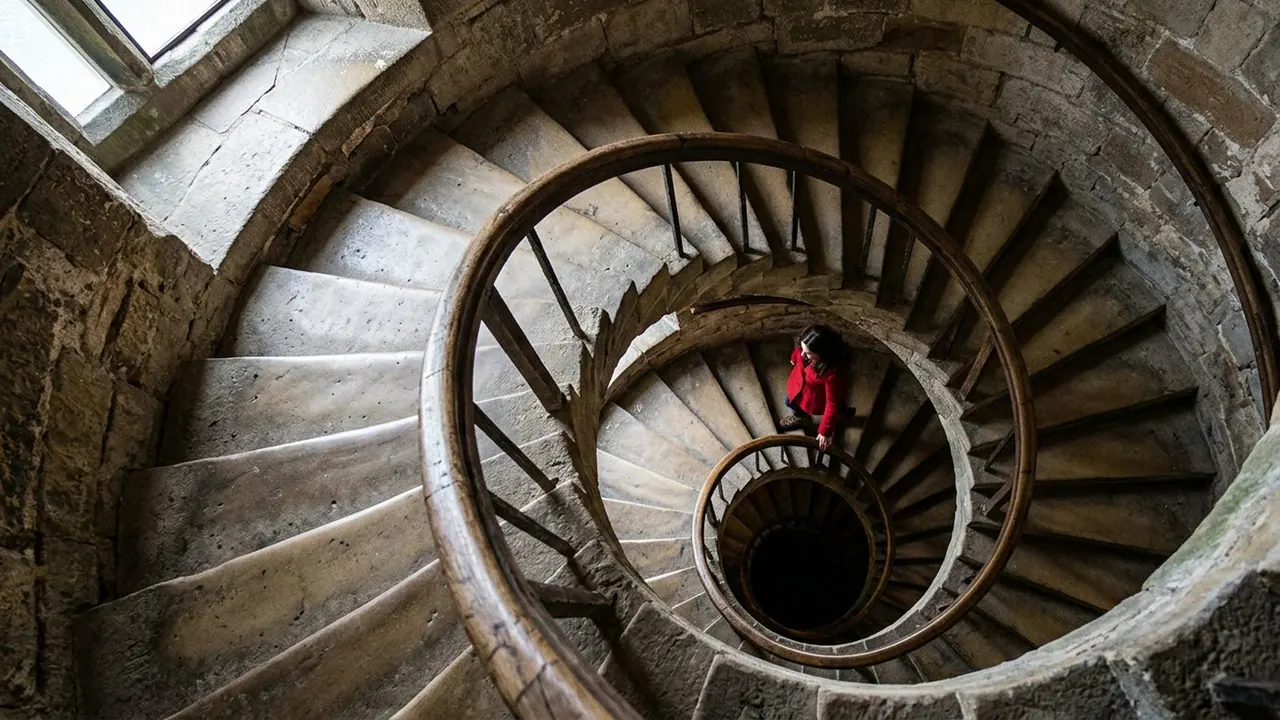
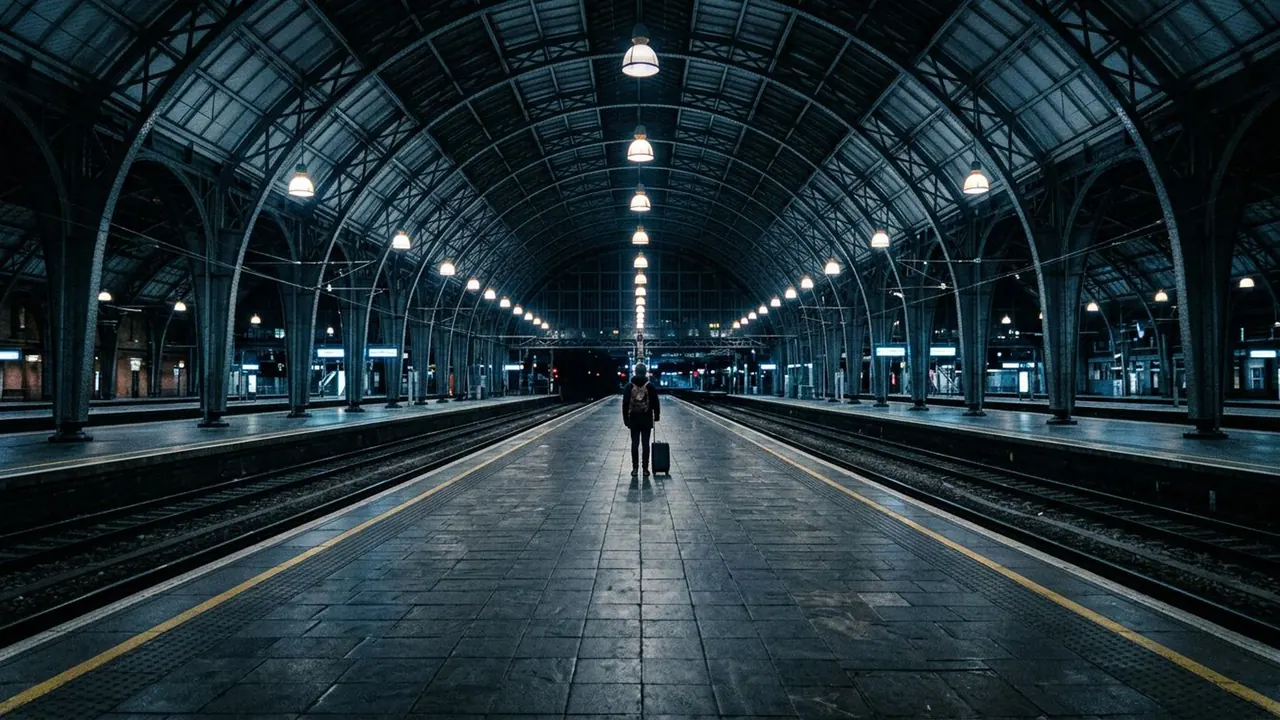
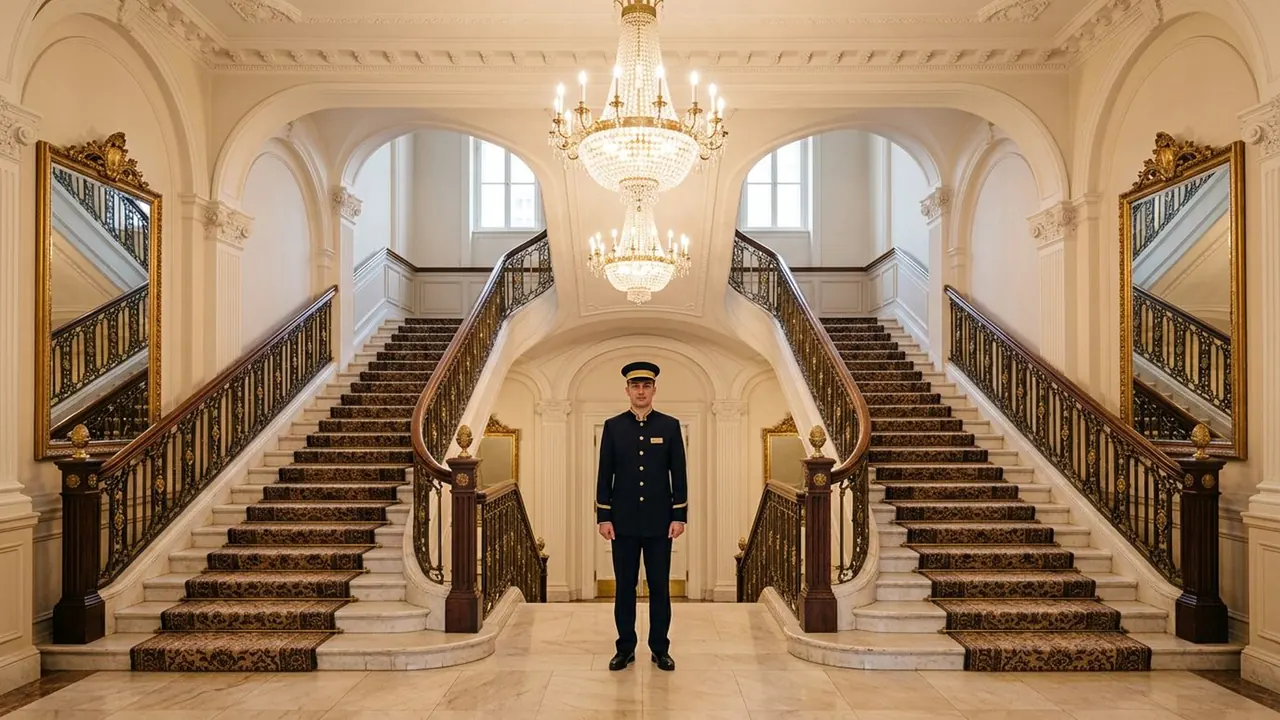
The subject sits dead centre and the frame is built around that.
Opens a video model with the prompt in it. The price is on the page before you sign in.
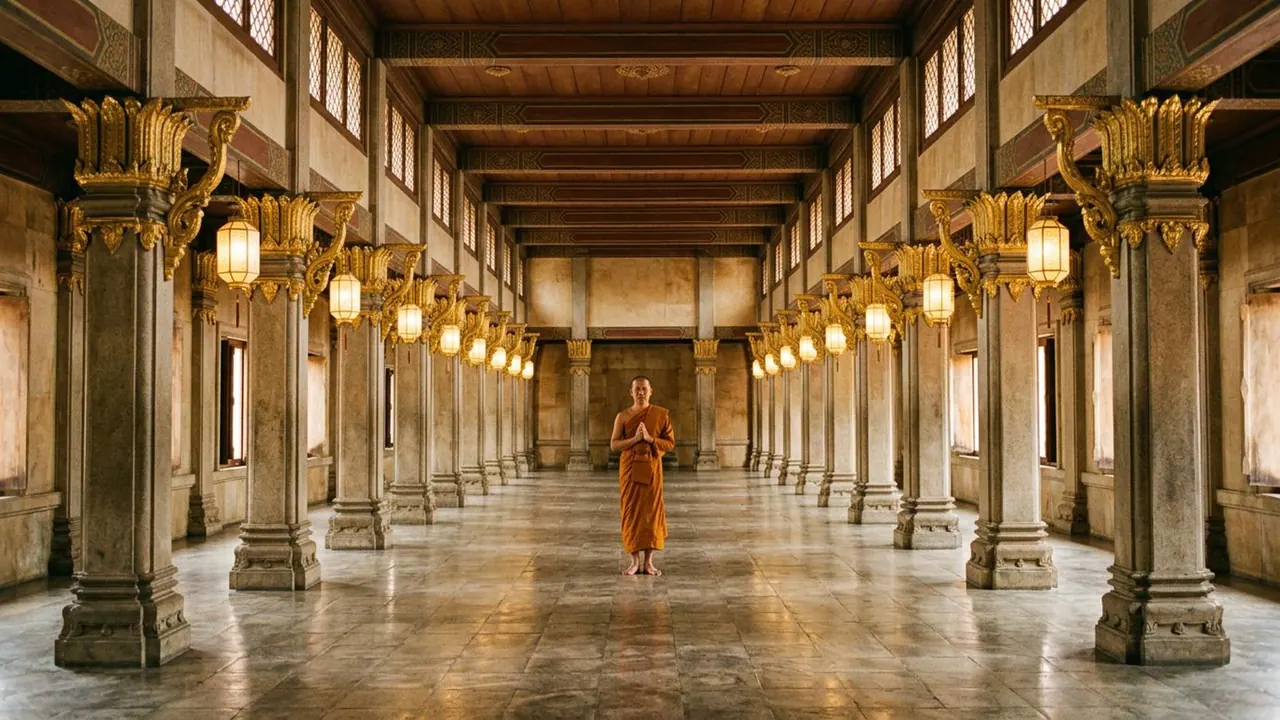
What it is for
Dead centre is the most stable place a subject can sit. Nothing about the frame suggests movement, so the shot reads as fixed, formal and slightly unreal.
That stillness is why it carries authority. A centred subject looks placed rather than caught, which is useful for a portrait, a confrontation or anything that should feel staged on purpose.
How it works
The subject goes on the vertical centre line and the frame is built to agree with it. The background needs a matching centre: a doorway, a corridor, a window, a wall that runs square to the lens.
Square the camera to the wall behind. Centred composition falls apart at a few degrees off, because the background stops being symmetrical while the subject stays put, and the frame reads as a straight shot gone wrong.
Keep the sides equal. Whatever sits left of the subject wants a match on the right, in weight if not in shape.
When to use it
Use it for formal portraits, for a character facing the audience, and for any frame that should feel composed rather than observed.
Avoid it on a moving subject. A centred person walking has equal space in front and behind, so the frame gives them nowhere to go.
Told apart from its neighbours
Symmetry is about the whole frame mirroring. Centred composition is about where the subject sits. A centred subject in an untidy room is centred and not symmetrical.
Central framing describes lines that converge on the middle, which usually puts a subject there too. If the frame has converging lines doing the pointing, that is the closer name.
On film
Wes Anderson centres nearly every frame in The Grand Budapest Hotel (2014), with the subject on the middle line and the set built square to the lens. The approach only holds because the production design supplies the symmetry behind each shot.
- The Grand Budapest Hotel (2014)
The prompt
Replace the blanks, keep the rest. Then run it on a video model.
<subject> dead centre in frame, composition built symmetrically around them, deliberate central placement
What goes wrong
The subject lands in the middle and the background does not, so the shot reads as a mistake rather than a choice. Name the symmetrical element behind them, and say the camera is square to it.
The second failure is a near miss. A model will place a subject at 45 percent and call it centred, so say dead centre, on the middle line.
Leave out
rule of thirds, off centre
Watch for
Centre only works with symmetry behind it. A centred subject on a messy background looks like an error.
Questions
Shoot it
Pay for the one run. No subscription, and the price is on the model page before you sign in.
Next to it in where the subject sits