Rule of Thirds
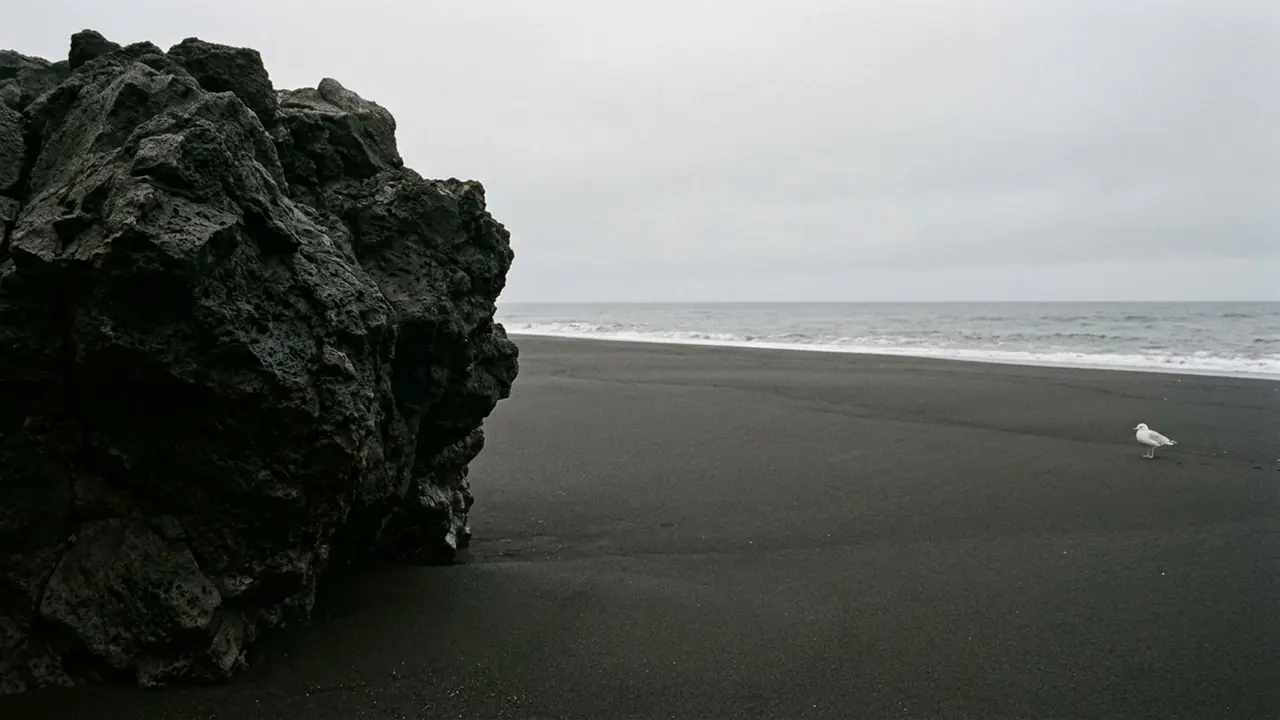
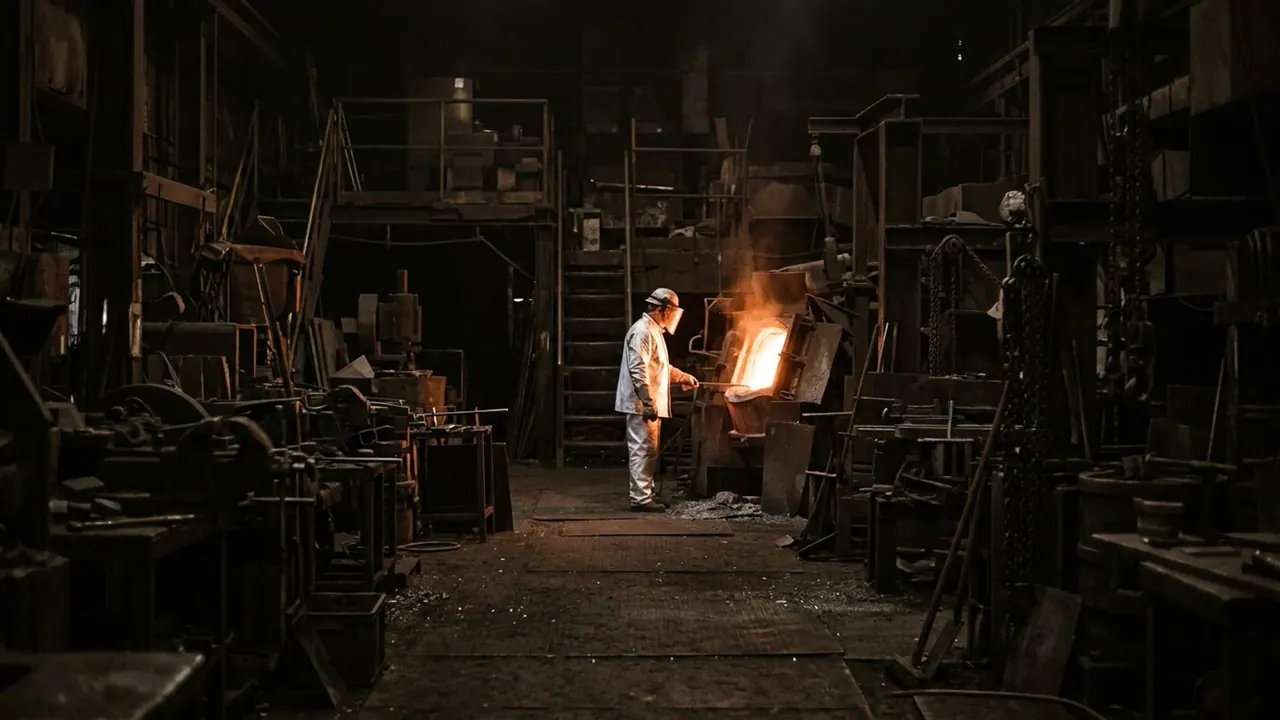
The subject sits on a third line rather than in the middle.
Opens a video model with the prompt in it. The price is on the page before you sign in.

What it is for
The frame has four points where the thirds cross, and a subject placed on one of them sits off centre without looking like an accident. The eye reads the placement as a decision.
It also buys the frame a second area. Whatever sits in the open two thirds becomes part of the shot, so the background stops being a backdrop and starts carrying information.
How it works
Divide the frame into nine equal boxes with two vertical lines and two horizontal ones. The subject goes on a line, and the strongest placement puts it where two lines cross.
For a face, the eyes go on the upper horizontal at any shot size. That one rule settles headroom at the same time, because a face with its eyes on the upper third already has the right space above it.
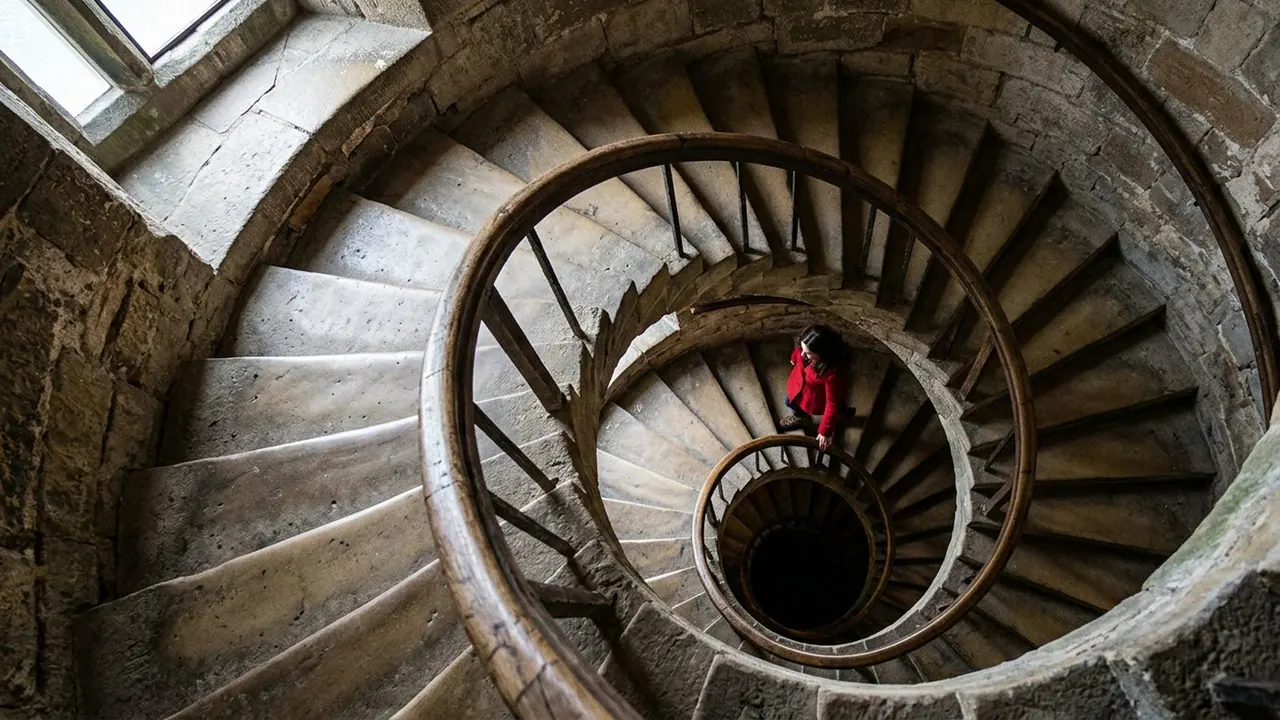
Which vertical you pick changes the meaning. A subject on the left third leaves the frame open to the right, and the shot reads as looking forward. Move them to the right third and the open space sits behind them, so the same shot reads as looking back.
When to use it
Use it as the default for anything with one clear subject: a portrait, a person in a landscape, an object on a table.
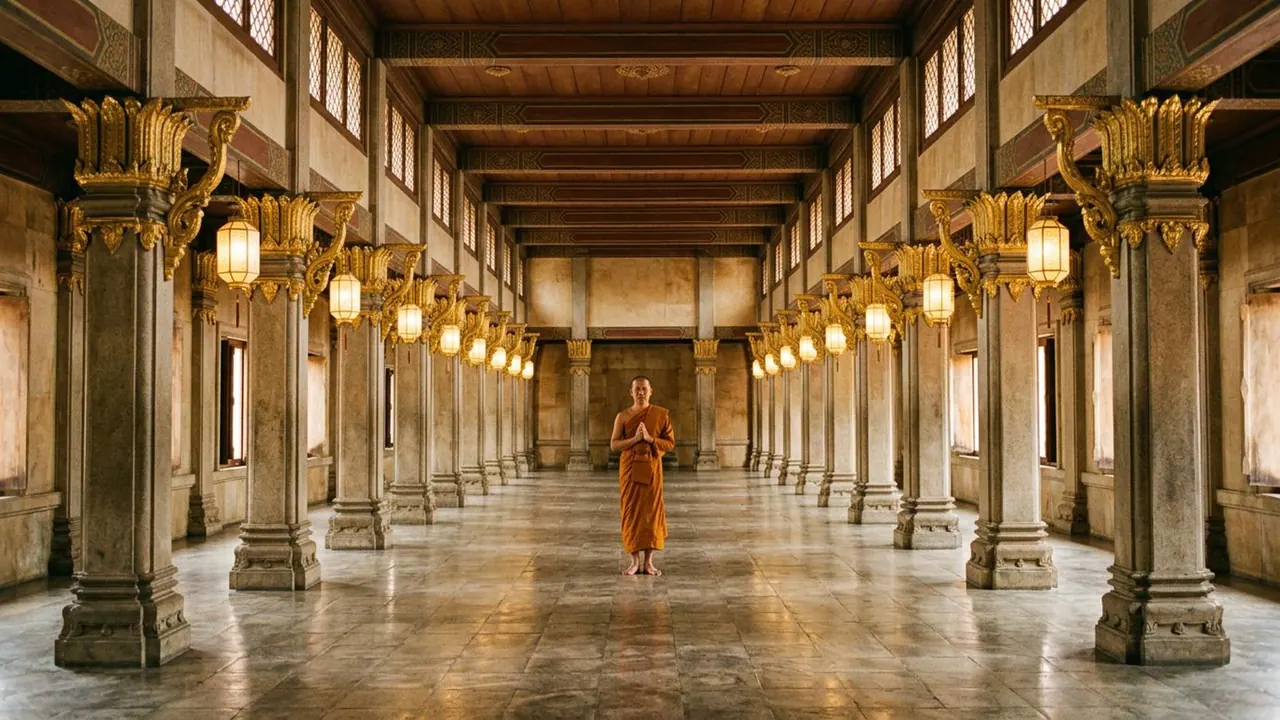
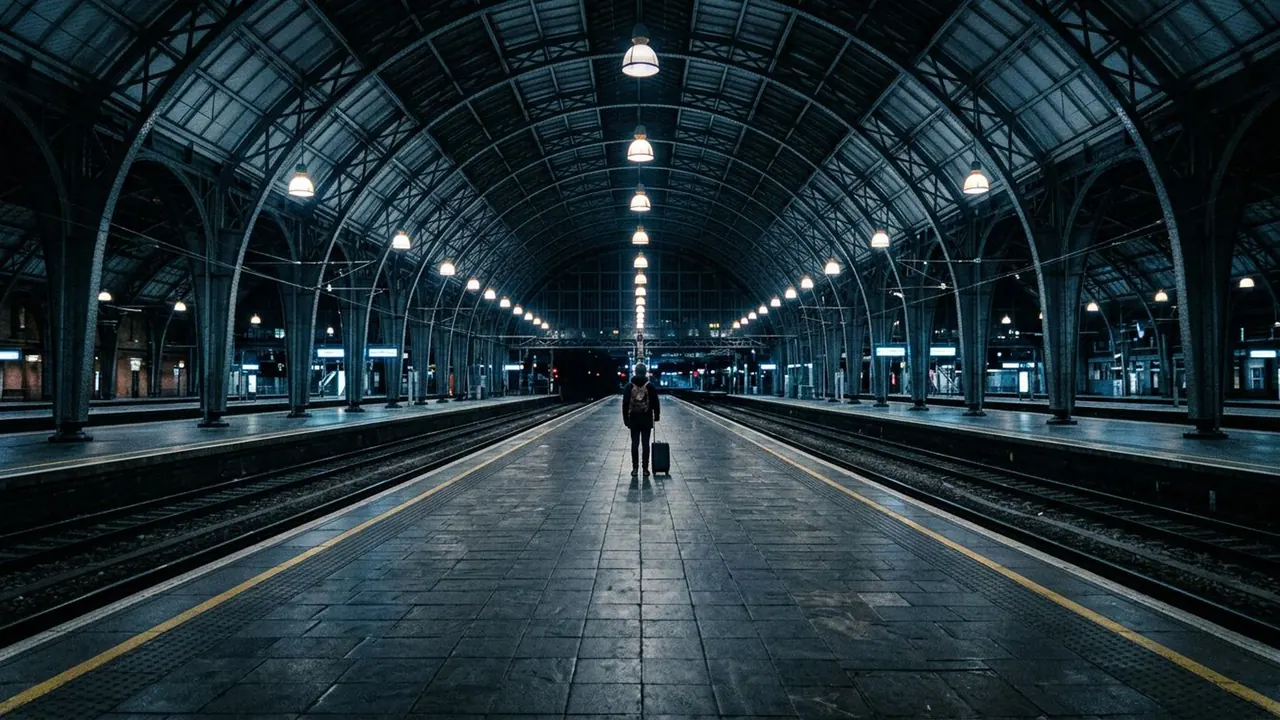
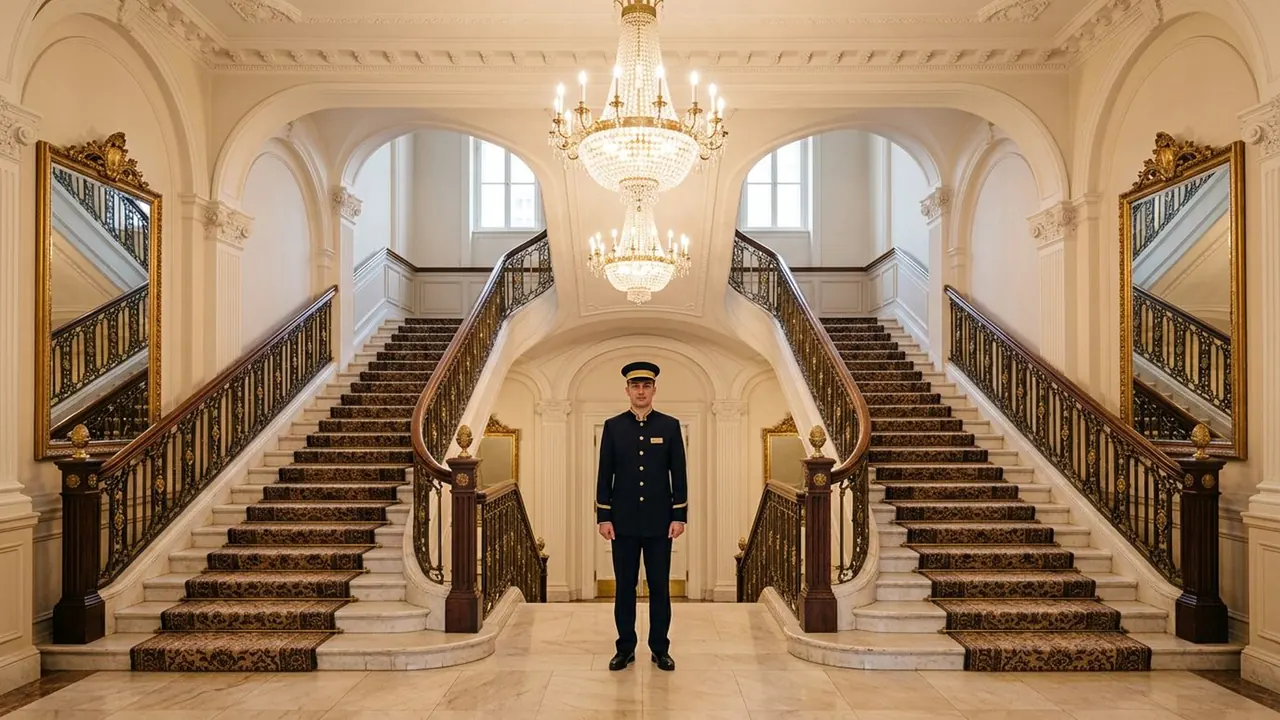
Drop it when the scene is symmetrical. A centred subject in front of a mirrored background is a stronger picture than the same subject nudged onto a line, and the grid fights the architecture.
Told apart from its neighbours
The golden ratio puts the subject on a spiral rather than a grid, which lands it a little closer to the centre than a third does. The two look similar at a glance and they are built differently, so ask for one by name.
Centred composition is the opposite decision. If the subject sits on the middle line, thirds are not what you are doing.
The prompt
Replace the blanks, keep the rest. Then run it on a video model.
<subject> placed on a third line, eyes on the upper third, weight off centre, balanced against the open side
What goes wrong
Models centre the subject when the prompt says nothing, and they often centre it even when the prompt says thirds. Naming the side fixes it: on the left third, on the right third.
The second failure is a busy open side. Thirds only work when the other two thirds give the eye somewhere quiet to rest, so say what fills that area and keep it calm.
Leave out
centered, symmetrical
Watch for
Say which third. Left and right change what the frame is about.
Questions
Shoot it
Pay for the one run. No subscription, and the price is on the model page before you sign in.
Next to it in where the subject sits