Layered Depth
- Foreground-midground-background action
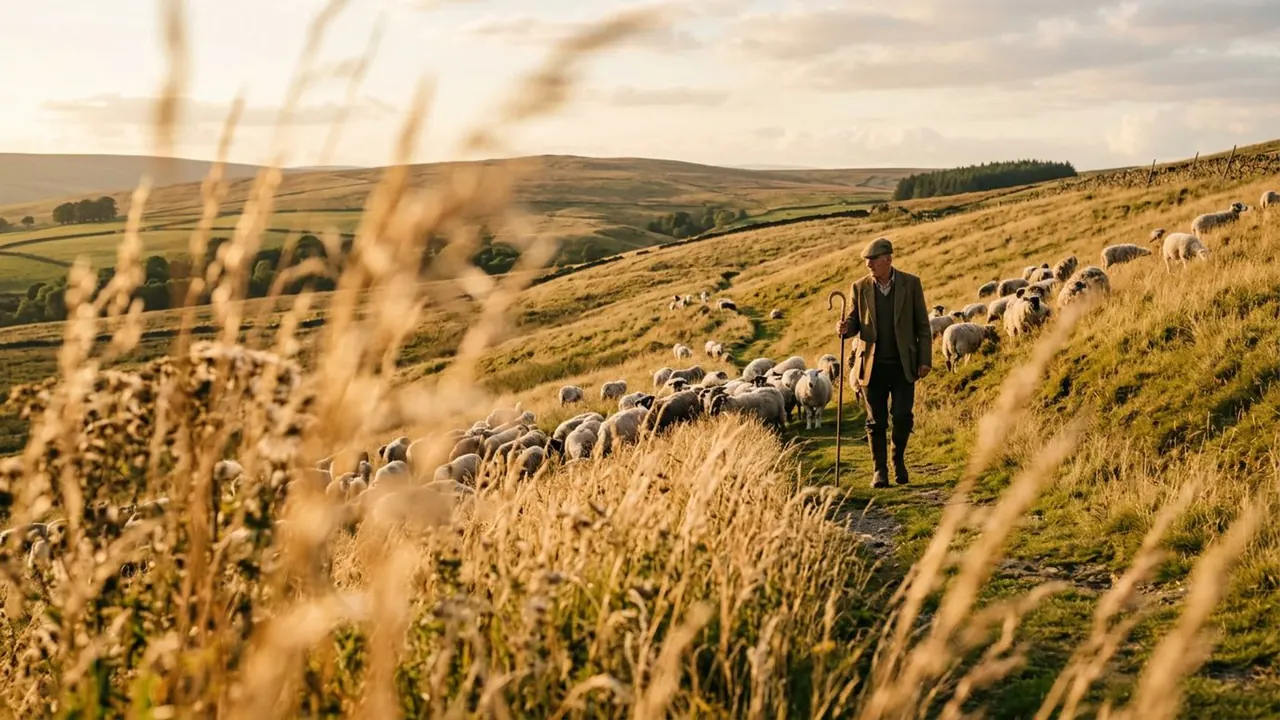
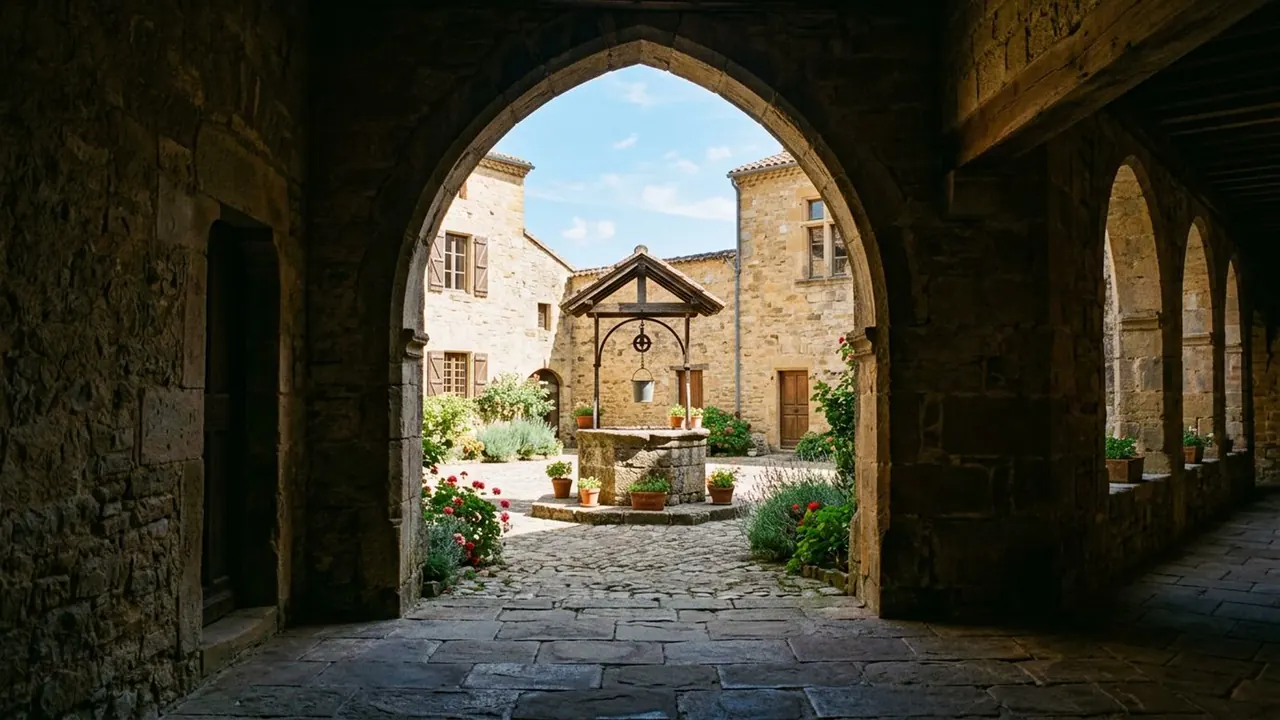
Near, middle and far planes all carry something.
Opens a video model with the prompt in it. The price is on the page before you sign in.

What it is for
A frame is flat until something sits in front of something else. Three planes carrying content turn a picture into a space the audience can measure.
It also lets one shot hold several ideas at once. A face near the lens, an action in the middle and a door in the distance can all be watched without a cut, and the audience decides what to follow.
How it works
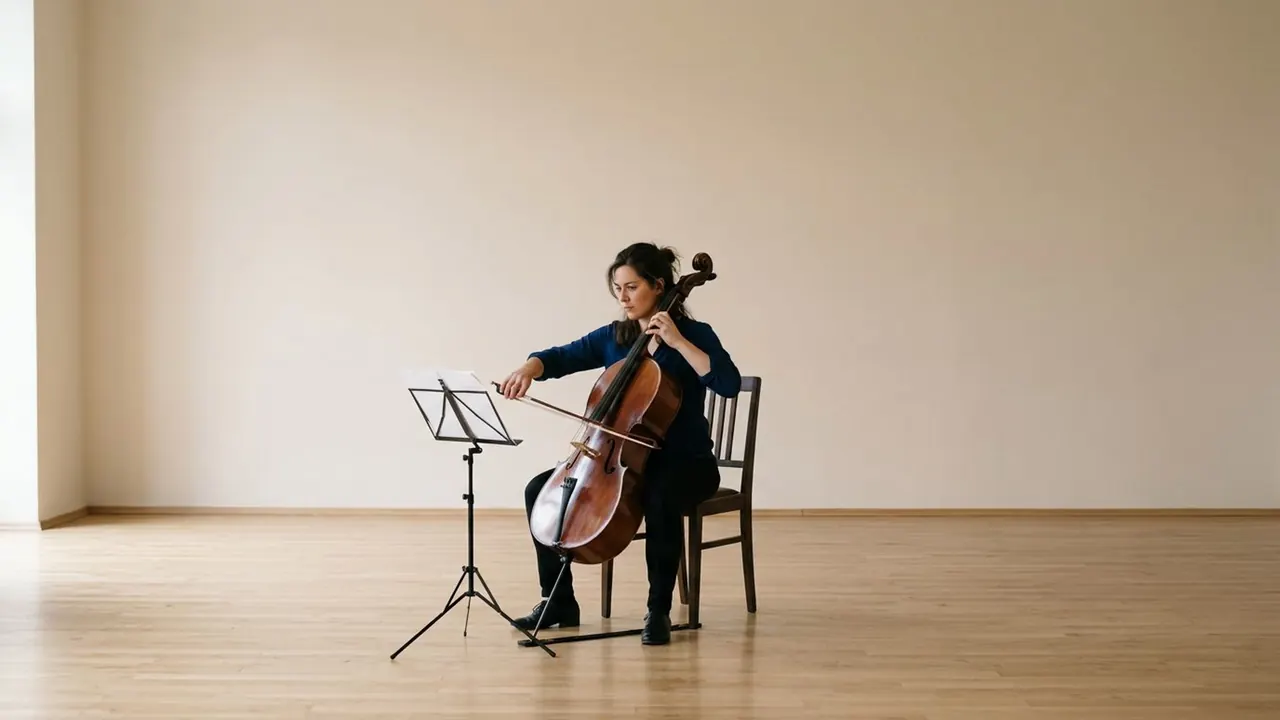
Build a near plane, a middle plane and a far plane, and give each one something worth seeing. An empty middle collapses the depth even when the near and far are strong.
Deep focus is the classic way to hold all three sharp, which needs a small aperture and plenty of light. Shallow focus gives a different version, where the planes read as near, sharp and far by their softness rather than by their content.
A wide lens exaggerates the distance between the planes, so the same three positions look further apart at 24mm than at 50mm.
When to use it
Use it in any scene where two things happen at once, and in any wide frame that would otherwise look like a painted backdrop.
Do not use it when one thing matters and the rest is noise. Three busy planes in a close moment split the attention you were trying to gather.
Told apart from its neighbours
Deep focus is a lens setting that holds every plane sharp. Layered depth is a staging decision about what occupies those planes. You can stage three layers and shoot them shallow.
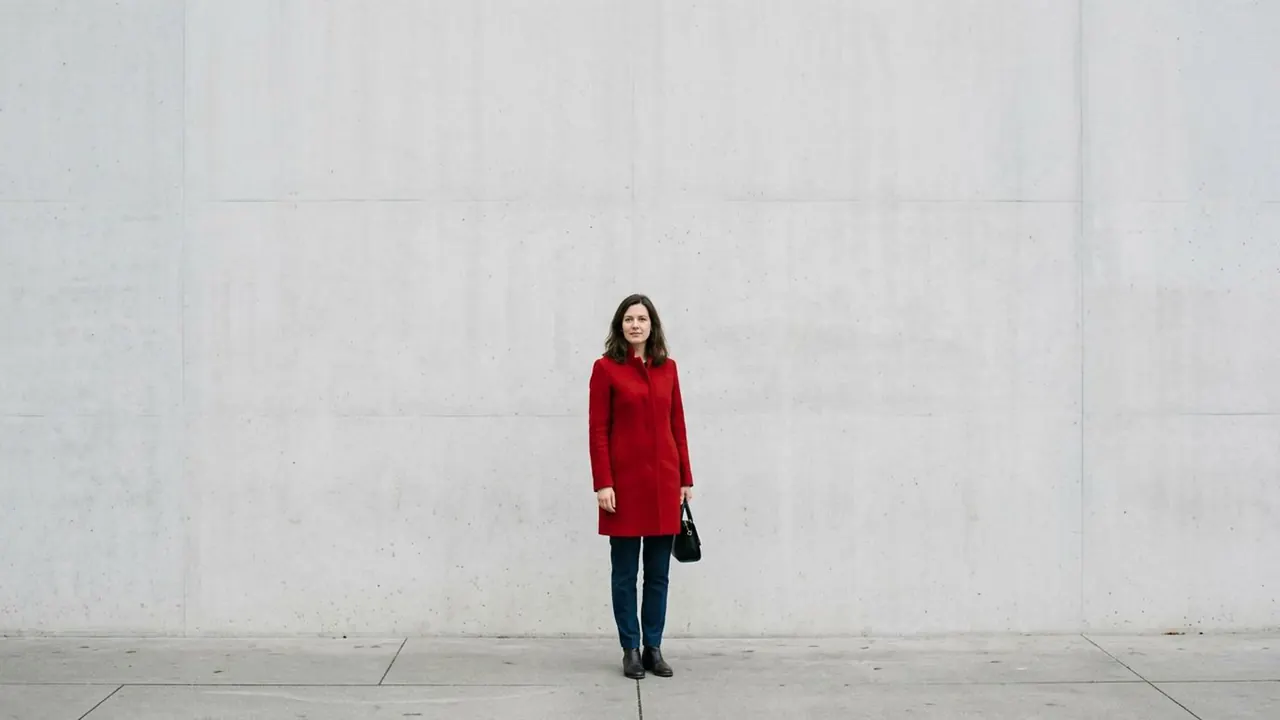
Foreground interest is the same idea with only one extra plane. If there is something near the lens and nothing in particular in the middle, that is foreground interest.
On film
Gregg Toland shot Citizen Kane (1941) and The Best Years of Our Lives (1946) so that near, middle and far all stay sharp, and both films stage real action on every plane. A conversation in the distance carries on while somebody closer to the lens reacts, and the shot never cuts.
- Citizen Kane (1941)
- The Best Years of Our Lives (1946)
The prompt
Replace the blanks, keep the rest. Then run it on a video model.
<subject> in the middle ground with <near element> in front and <far element> behind, three distinct depth planes
What goes wrong
The model returns a subject and a blurred background, which is two planes and a gradient. Name all three planes and say what each one holds.
The second failure is a soft middle ground. Ask for deep focus and say all three planes stay sharp, or the model will drop everything except the subject.
Leave out
flat frame, single plane
Watch for
Give all three planes real content. An empty middle plane collapses the depth.
Questions
Shoot it
Pay for the one run. No subscription, and the price is on the model page before you sign in.
Next to it in depth in the frame