Deep Focus
- Extended depth of field
- Grande profondeur de champ
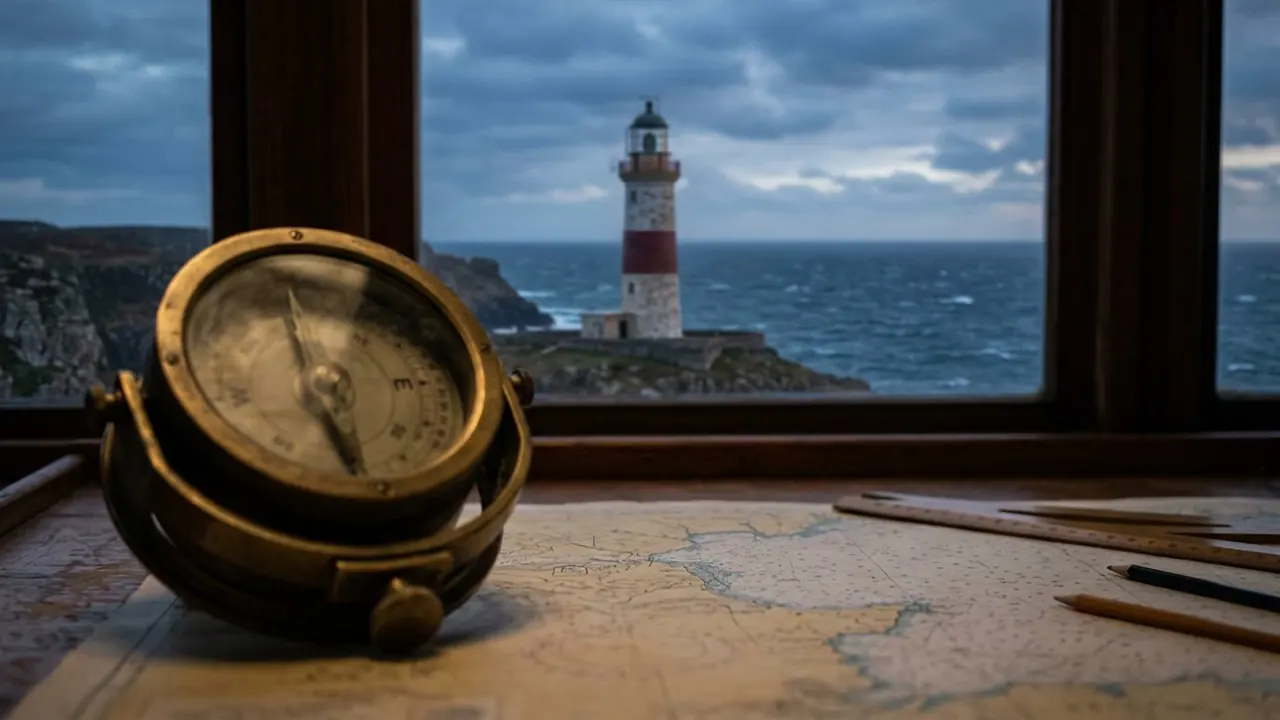
Near and far are both sharp at the same time.
Opens a video model with the prompt in it. The price is on the page before you sign in.
What it is for
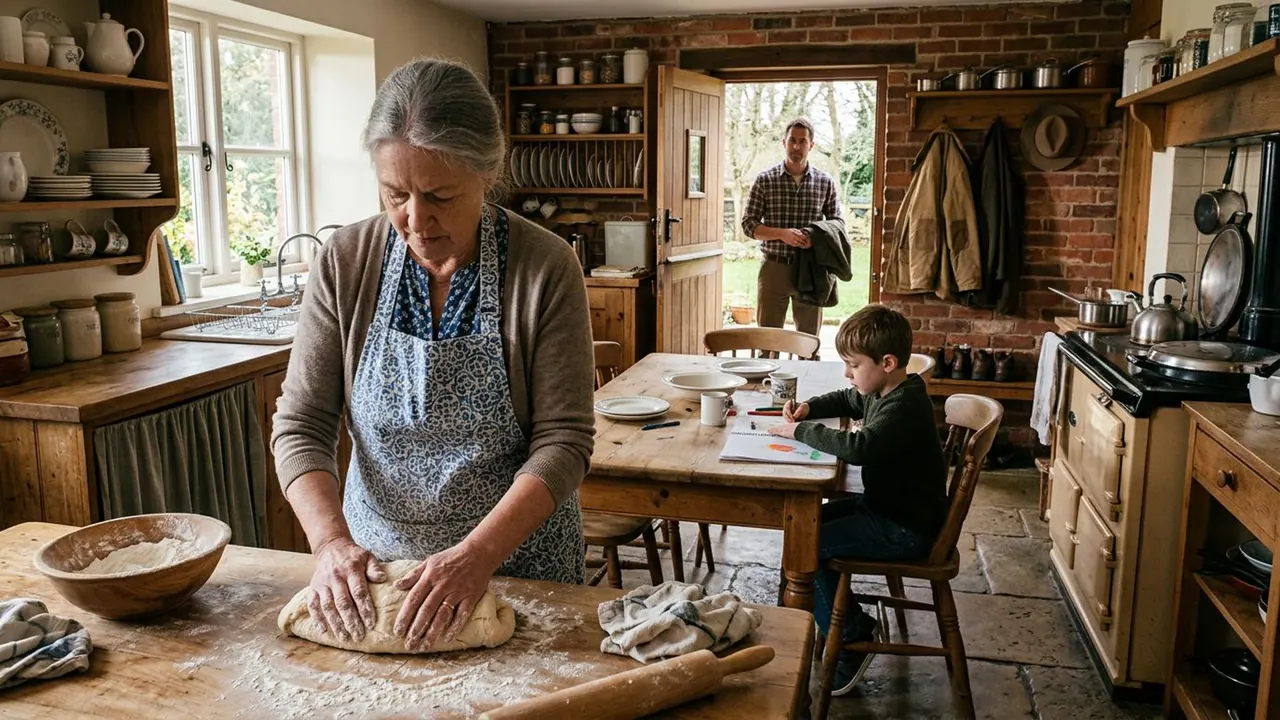
Deep focus holds the near plane and the far plane sharp at the same time, so the audience decides where to look. Nothing in the frame is marked as less important by being soft.
That freedom is the point. A shot staged in depth can put a decision in the foreground and its consequence twenty feet behind it, and both stay readable in one take with no cut.
How it works
Depth of field grows as the aperture closes and as the focal length shortens. A 25mm lens at f/11 holds a far wider band of sharpness than an 85mm at f/2, which is why this look is usually wide and stopped down.
Stopping down costs light, so deep focus work has always needed a lot of it. Gregg Toland reached these apertures indoors with fast stock, coated lenses and arc lamps, and the technique spread once faster stock made it cheaper.
Staging has to earn it. The frame is built in layers: something close, something at middle distance, something at the back, each with a job. Without the layers the sharpness has nothing to show.
When to use it
Use it when the relationship between two distances is the scene. A face in front and an action behind, a room where the geography matters, a shot meant to be held rather than cut.
Skip it when one thing should own the frame. Deep focus hands the audience the whole picture, which is the wrong gift when the beat is a single expression.
Told apart from its neighbours
A split diopter produces a similar result by a different route. It is a half lens fitted over the front element, so one side of the frame focuses close while the other stays far. That leaves a soft seam running through the middle of the picture.
The test is the middle distance. A split diopter shot usually has a blurred band between its two sharp zones. True deep focus is sharp the whole way through.
On film
Gregg Toland shot Citizen Kane (1941) so that a boy playing in the snow outside a window stays as sharp as the adults deciding his future in the foreground. Orson Welles kept the approach for Touch of Evil (1958), whose long opening crane shot holds the street, the car and the couple readable at once.
- Citizen Kane (1941)
- Touch of Evil (1958)
The prompt
Replace the blanks, keep the rest. Then run it on a video model.
deep focus on <subject>, foreground and far background both sharp, wide lens, everything in the frame legible
What goes wrong
Models default to a shallow look, because most of the footage they learned from is shot that way. Ask for a wide lens and a small aperture in the same line, and say the far background stays sharp.
The other failure is empty depth. Give all the planes something worth seeing, which means naming what is in the foreground, what is at middle distance and what is at the back.
Leave out
shallow depth, bokeh
Watch for
Give all the planes something worth seeing, or the depth is wasted.
Questions
Shoot it
Pay for the one run. No subscription, and the price is on the model page before you sign in.