Anthropo
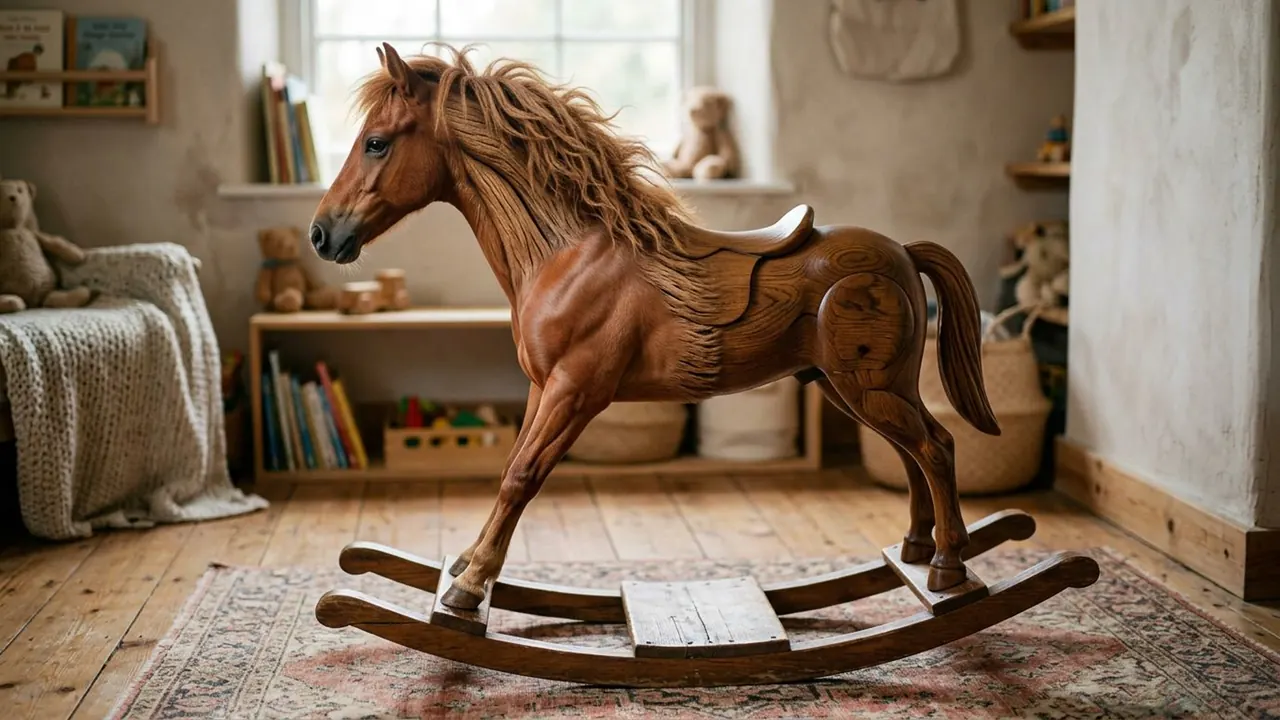
An inanimate object behaves as if it were alive.
Opens a video model with the prompt in it. The price is on the page before you sign in.

What it is for
An ordinary object behaves as if it wants something. A bag moves against the wind, a chair turns to follow somebody, a lamp waits at a door.
It works because nothing has been added. The object keeps every property it had, so the audience reads intent into plain physics and does most of the work themselves.
How it works
Intent lives in the timing. A pause before a move reads as a decision. A move that stops early reads as hesitation. The object does nothing a real object could not do, and the rhythm carries the personality.
Keep the setting ordinary and the camera patient. A handheld chase after a living object breaks it, because the camera starts telling the audience what to feel instead of letting them notice.
Adding eyes or a mouth ends the effect, as the note says. The moment a face appears, the object has become a character and the puzzle is over.
When to use it
Use it for loneliness, for a world that is slightly wrong, and for comedy where an object refuses to cooperate.
Skip it when the object has to be read as inert. Any hint of intent contaminates a shot that was meant to be about a thing sitting still.
Told apart from its neighbours
An object point of view puts the camera where the object is, so the audience looks out through it. An anthropo shot keeps the camera outside and watches the object behave.
The test is where the lens sits. Looking out from the object is object point of view. Looking at the object is anthropo.
On film
American Beauty (1999) holds on a plastic bag turning in an eddy of wind for a long time, with no face on it and no help from the camera, and the scene is built entirely on a character deciding that the bag is doing something.
- American Beauty (1999)
The prompt
Replace the blanks, keep the rest. Then run it on a video model.
<object> behaving as if alive, moving with intent, personality in the motion, otherwise ordinary setting
What goes wrong
The model adds a face, or gives the object arms. Say the object stays ordinary with no face and no limbs, and that the personality is in the movement.
The second failure is an object that just drifts. Name the intent: it hesitates, it follows, it refuses. Then name the pause that shows it.
Leave out
static object, human figure
Watch for
Keep the object ordinary. Adding a face makes it a character instead.
Questions
Shoot it
Pay for the one run. No subscription, and the price is on the model page before you sign in.
Next to it in one thing becomes another